David Satterthwaite – författare
643 kr
Skickas inom 10-15 vardagar
2 198 kr
Skickas inom 10-15 vardagar
841 kr
Skickas inom 10-15 vardagar
2 198 kr
Skickas inom 10-15 vardagar
841 kr
Skickas inom 10-15 vardagar
730 kr
Läs direkt efter köp
757 kr
Läs direkt efter köp
706 kr
Läs direkt efter köp
''one of the best contemporary statements of what is occurring in the growth of urban places in the Third World'' Environment and Planning
''a book that should enjoy a wide appeal: as a plea for adoption of the ''popular approach''; as a text for student use; and as an accessible and stimulating guide to the urban problems of developing countries'' Progress in Human Geography
''a very readable book, containing a lot of well documented information The book is especially relevant for interested lay people but many professionals will benefit from having a copy on the bookshelf'' Third World Planning Review
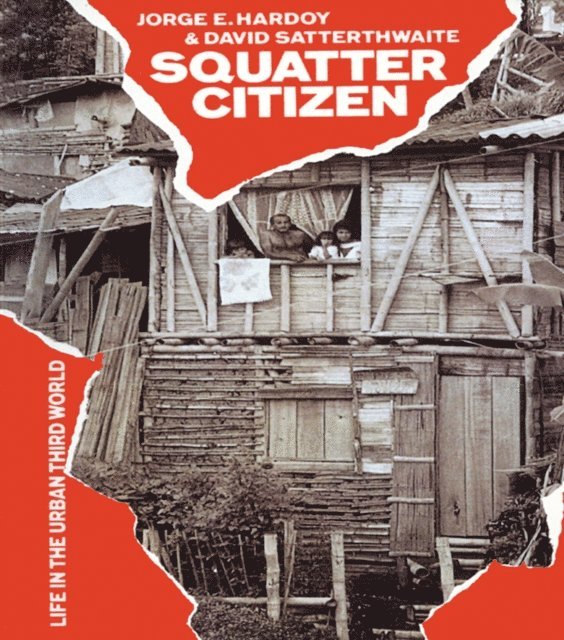
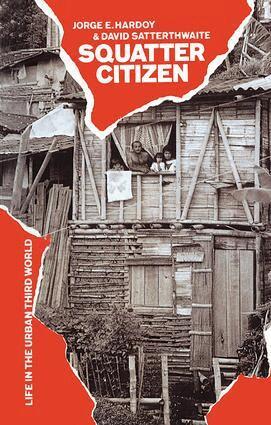
The true planners and builders of Third World cities are the poor. They organize, plan and build with no help from professionals. Drawing on their own skills, making the best use of limited resources and forming their own community organizations, they account for most new city housing. But the city, which thrives on their cheap labour, rejects them. Their houses are deemed illegal, because they do not conform to regulations and they are called ''squatters'', because they cannot afford to buy sites legally. Their right to water, education and health care, even to vote, are often denied.
This book challenges many common assumptions about the urban Third World - for example that urban citizens live in very large cities and that cities are growing rapidly, or that city dwellers benefit from ''urban bias'' in government and aid policies. It is about the lives of the ''squatter citizens'' and the problems they face in their struggle for survival.
706 kr
Läs direkt efter köp
''one of the best contemporary statements of what is occurring in the growth of urban places in the Third World'' Environment and Planning
''a book that should enjoy a wide appeal: as a plea for adoption of the ''popular approach''; as a text for student use; and as an accessible and stimulating guide to the urban problems of developing countries'' Progress in Human Geography
''a very readable book, containing a lot of well documented information The book is especially relevant for interested lay people but many professionals will benefit from having a copy on the bookshelf'' Third World Planning Review
The true planners and builders of Third World cities are the poor. They organize, plan and build with no help from professionals. Drawing on their own skills, making the best use of limited resources and forming their own community organizations, they account for most new city housing. But the city, which thrives on their cheap labour, rejects them. Their houses are deemed illegal, because they do not conform to regulations and they are called ''squatters'', because they cannot afford to buy sites legally. Their right to water, education and health care, even to vote, are often denied.
This book challenges many common assumptions about the urban Third World - for example that urban citizens live in very large cities and that cities are growing rapidly, or that city dwellers benefit from ''urban bias'' in government and aid policies. It is about the lives of the ''squatter citizens'' and the problems they face in their struggle for survival.
488 kr
Läs direkt efter köp
Describes and analyses the environmental problems of Third World cities, showing how they affect human health and the local ecology. The authors show how readily available practical solutions are, if the political means can be found.
471 kr
Läs direkt efter köp
Describes and analyses the environmental problems of Third World cities, showing how they affect human health and the local ecology. The authors show how readily available practical solutions are, if the political means can be found.
488 kr
Läs direkt efter köp
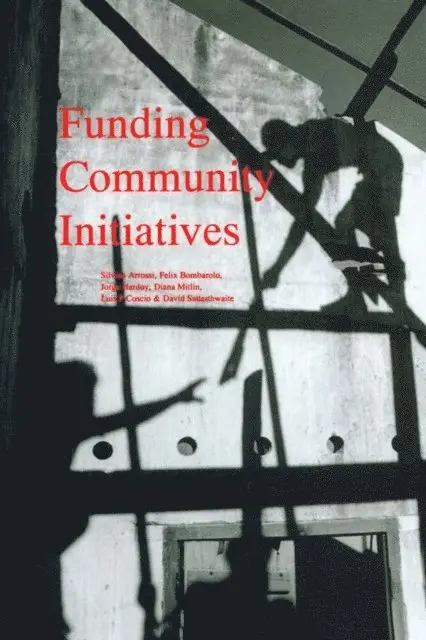
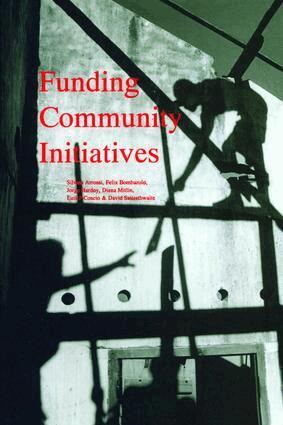
Despite four decades of development planning, at least one third of the urban population of Africa, Asia and Latin America remains poor. Over 600 million live in ''life and health threatening'' homes and neighbourhoods because of poor housing and inadequate or no piped water, sanitation and health care. But even as the shortcomings of government and development programmes become more apparent, so do the untapped abilities of low-income groups and their community organizations to develop their own solutions.
This book analyses the conditions necessary for successful community initiatives and includes case studies of 18 intermediary institutions (most of them Third World NGOs) who provide technical, legal and financial services to low-income households for constructing or improving housing. Many also work with community organizations in improving water, sanitation, drainage, health care and other community services.
Through the analysis of innovative financial systems for income generation, house construction and service provision, Funding Community Initiatives considers the feasibility of loans for addressing current urban housing problems. It also considers how to increase greatly the scale and effectiveness of support going to low-income households and community organizations.
This book will be of interest to students and professionals concerned with urban development in Africa, Asia and Latin America, especially those concerned with low income shelter and community finance.
488 kr
Läs direkt efter köp
Despite four decades of development planning, at least one third of the urban population of Africa, Asia and Latin America remains poor. Over 600 million live in ''life and health threatening'' homes and neighbourhoods because of poor housing and inadequate or no piped water, sanitation and health care. But even as the shortcomings of government and development programmes become more apparent, so do the untapped abilities of low-income groups and their community organizations to develop their own solutions.
This book analyses the conditions necessary for successful community initiatives and includes case studies of 18 intermediary institutions (most of them Third World NGOs) who provide technical, legal and financial services to low-income households for constructing or improving housing. Many also work with community organizations in improving water, sanitation, drainage, health care and other community services.
Through the analysis of innovative financial systems for income generation, house construction and service provision, Funding Community Initiatives considers the feasibility of loans for addressing current urban housing problems. It also considers how to increase greatly the scale and effectiveness of support going to low-income households and community organizations.
This book will be of interest to students and professionals concerned with urban development in Africa, Asia and Latin America, especially those concerned with low income shelter and community finance.
538 kr
Läs direkt efter köp
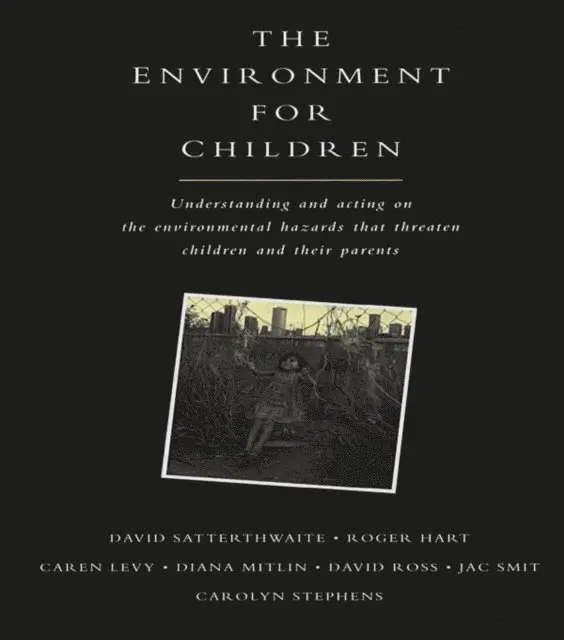
Each year, millions of children die of environmental causes and many more suffer serious illness or injury. Children are often the most vulnerable to the condition of their environment -and their health is an index of its quality - but their wellbeing is rarely given priority by governments or aid agencies. Ironically, the problems can be traced back to matters which can be treated straightforwardly and at relatively low cost - poor drinking water or food, or infectious diseases which can be controlled.
This book gives a multidisciplinary account of the environmental health hazards threatening children and the range of impacts they can have. It also explains what can be done, by communities as well as governments and aid workers, to provide safe and healthy environments for children. The book looks at conditions in a range of cities in the developing world, as well as pollutants and other health problems affecting children in the North.
Published in association with UNICEF, and written by some of the same authors as Environmental Problems in Third World Cities (Earthscan, 1993), this provides excellent course material, and will be useful for practitioners working on child development, infant and maternal health, environmental health and community development.
David Satterthwaite is Director of the Human Settlements Programme at the International Institute for Environment and Development, and principal author of Environmental Problems in Third World Cities (1993) and Squatter Citizen(1989).
519 kr
Läs direkt efter köp
Each year, millions of children die of environmental causes and many more suffer serious illness or injury. Children are often the most vulnerable to the condition of their environment -and their health is an index of its quality - but their wellbeing is rarely given priority by governments or aid agencies. Ironically, the problems can be traced back to matters which can be treated straightforwardly and at relatively low cost - poor drinking water or food, or infectious diseases which can be controlled.
This book gives a multidisciplinary account of the environmental health hazards threatening children and the range of impacts they can have. It also explains what can be done, by communities as well as governments and aid workers, to provide safe and healthy environments for children. The book looks at conditions in a range of cities in the developing world, as well as pollutants and other health problems affecting children in the North.
Published in association with UNICEF, and written by some of the same authors as Environmental Problems in Third World Cities (Earthscan, 1993), this provides excellent course material, and will be useful for practitioners working on child development, infant and maternal health, environmental health and community development.
David Satterthwaite is Director of the Human Settlements Programme at the International Institute for Environment and Development, and principal author of Environmental Problems in Third World Cities (1993) and Squatter Citizen(1989).
790 kr
Läs direkt efter köp
New edition of Environmental Problems in Third World Cities
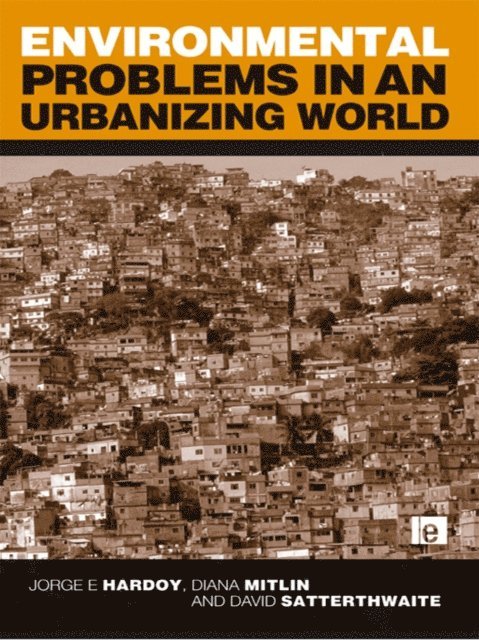
Cities in Africa, Asia and Latin America contain some of the world''s most life- and health-threatening human environments. Environment-related diseases and injuries cause millions of preventable deaths each year. In many squatter settlements, children are 40 to 50 times more likely to die before the age of five than they would be in Europe or North America and most such deaths are environment-related. Many cities also cause serious environmental degradation to their surroundings and increasingly contribute to global warming.
This updated and much expanded edition of the classic Environmental Problems in Third World Cities describes environmental problems and their effect on human health, local ecosystems and global cycles. It points to the political causes that underpin many of these problems - including ineffective, unaccountable governments, and aid agencies'' reluctance to work with the urban poor. It also highlights innovative solutions such as: * High-quality, low-cost homes and neighbourhoods developed by urban poor groups working with local non-governmental organizations * Local Agenda 21s developed by municipal governments in partnership with community organizations.*
In their analysis, the authors show that cities can meet sustainable development goals. There are practical, affordable solutions to their environmental problems, but most of these depend on more competent and accountable city governments and on more support for low-income households and their organizations. The book also outlines the changes needed international aid agencies to support this.
PRAISE FOR THE FIRST EDITION ''It''s rare to encounter a work as authoritative and accessible as this. It is a mine of useful information from cities in every corner of the Third World, which does not shy away from the immensity of the problems, but says as much about the solutions to them as about the problems themselves'' Jonathon Porritt
''Well written and very accessible'' The Geographical Journal
''Of value to students, teachers, practitioners, policy makers and aid agencies'' Third World Planning Review
''A valuable resource for understanding the underlying problems�[this book offers] practical alternatives'' Cities International.
763 kr
Läs direkt efter köp
New edition of Environmental Problems in Third World Cities
Cities in Africa, Asia and Latin America contain some of the world''s most life- and health-threatening human environments. Environment-related diseases and injuries cause millions of preventable deaths each year. In many squatter settlements, children are 40 to 50 times more likely to die before the age of five than they would be in Europe or North America and most such deaths are environment-related. Many cities also cause serious environmental degradation to their surroundings and increasingly contribute to global warming.
This updated and much expanded edition of the classic Environmental Problems in Third World Cities describes environmental problems and their effect on human health, local ecosystems and global cycles. It points to the political causes that underpin many of these problems - including ineffective, unaccountable governments, and aid agencies'' reluctance to work with the urban poor. It also highlights innovative solutions such as: * High-quality, low-cost homes and neighbourhoods developed by urban poor groups working with local non-governmental organizations * Local Agenda 21s developed by municipal governments in partnership with community organizations.*
In their analysis, the authors show that cities can meet sustainable development goals. There are practical, affordable solutions to their environmental problems, but most of these depend on more competent and accountable city governments and on more support for low-income households and their organizations. The book also outlines the changes needed international aid agencies to support this.
PRAISE FOR THE FIRST EDITION ''It''s rare to encounter a work as authoritative and accessible as this. It is a mine of useful information from cities in every corner of the Third World, which does not shy away from the immensity of the problems, but says as much about the solutions to them as about the problems themselves'' Jonathon Porritt
''Well written and very accessible'' The Geographical Journal
''Of value to students, teachers, practitioners, policy makers and aid agencies'' Third World Planning Review
''A valuable resource for understanding the underlying problems�[this book offers] practical alternatives'' Cities International.
774 kr
Läs direkt efter köp
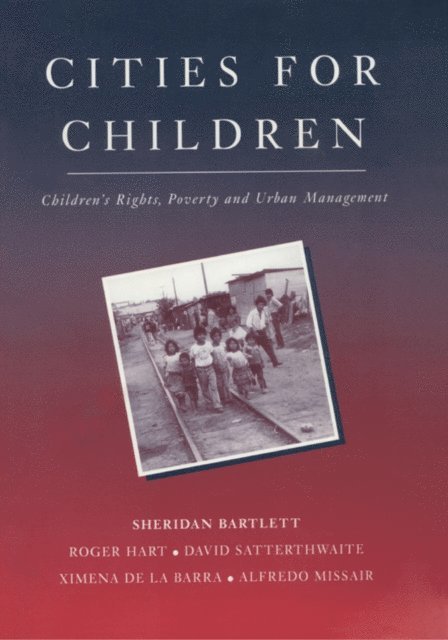
Urban authorities and organizations are responsible for providing the basic services that affect the lives of urban children. Cities for Children is intended to help them understand and respond to the rights and requirements of children and adolescents. It looks at the responsibilities that authorities face, and discusses practical measures for meeting their obligations in the context of limited resources and multiple demands. While the book emphasizes the challenges faced by local government, it also contains information that would be useful to any groups working to make urban areas better places for children.
Cities for Children begins by introducing the concept, history and content of children''s rights and the obligations they create for local authorities. The volume then goes on to look at a variety of contentious issues such as housing, community participation, working children, community health, education and juvenile justice. The final section of the book discusses the challenge of establishing systems of governance that can promote the economic security, social justice and environmental care essential for the realization of children''s rights. It follows through the practical implications for the structure, policies and practices of local authorities.
Written by the top experts in the field of children''s issues, and including a resource section which lists publications and organizations that can provide further information and support, this volume is a must for all involved in planning for, and the protection of, children within the urban environment.
774 kr
Läs direkt efter köp
Urban authorities and organizations are responsible for providing the basic services that affect the lives of urban children. Cities for Children is intended to help them understand and respond to the rights and requirements of children and adolescents. It looks at the responsibilities that authorities face, and discusses practical measures for meeting their obligations in the context of limited resources and multiple demands. While the book emphasizes the challenges faced by local government, it also contains information that would be useful to any groups working to make urban areas better places for children.
Cities for Children begins by introducing the concept, history and content of children''s rights and the obligations they create for local authorities. The volume then goes on to look at a variety of contentious issues such as housing, community participation, working children, community health, education and juvenile justice. The final section of the book discusses the challenge of establishing systems of governance that can promote the economic security, social justice and environmental care essential for the realization of children''s rights. It follows through the practical implications for the structure, policies and practices of local authorities.
Written by the top experts in the field of children''s issues, and including a resource section which lists publications and organizations that can provide further information and support, this volume is a must for all involved in planning for, and the protection of, children within the urban environment.
978 kr
Läs direkt efter köp
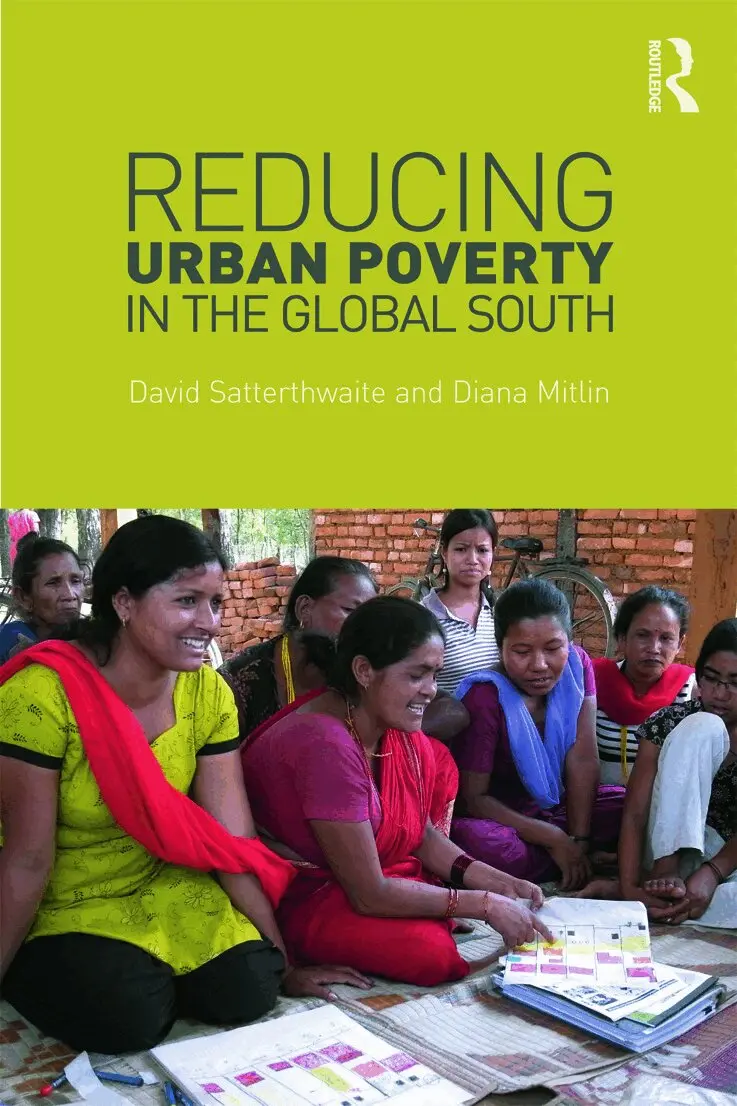
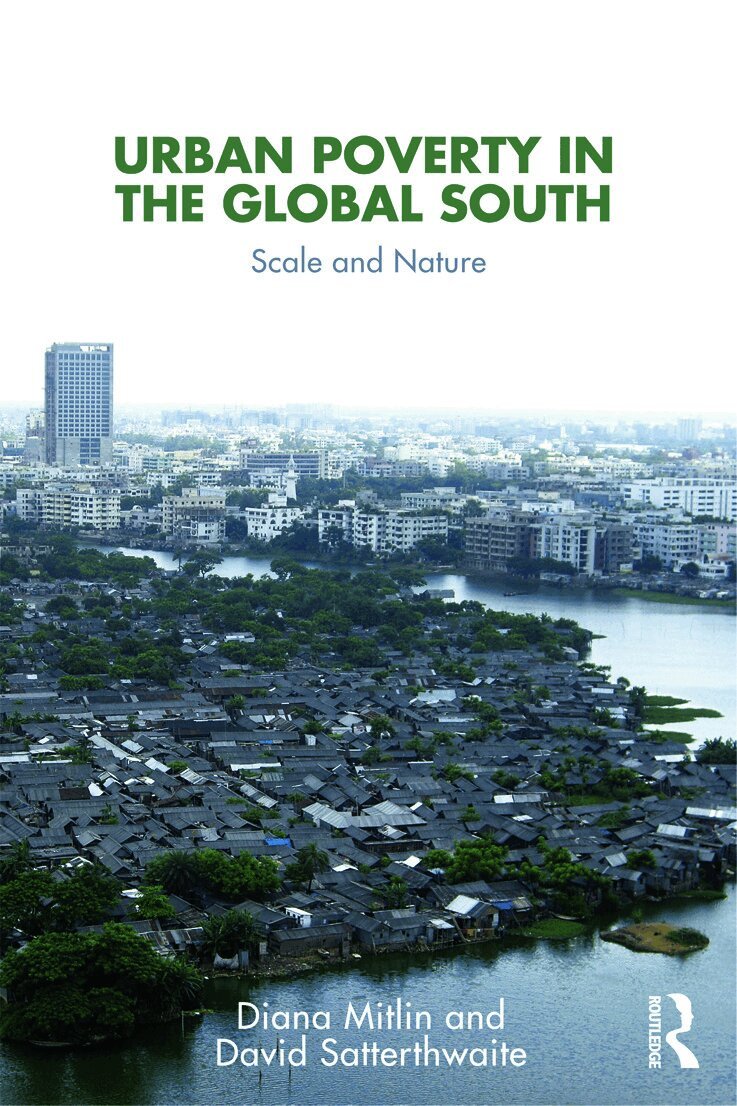
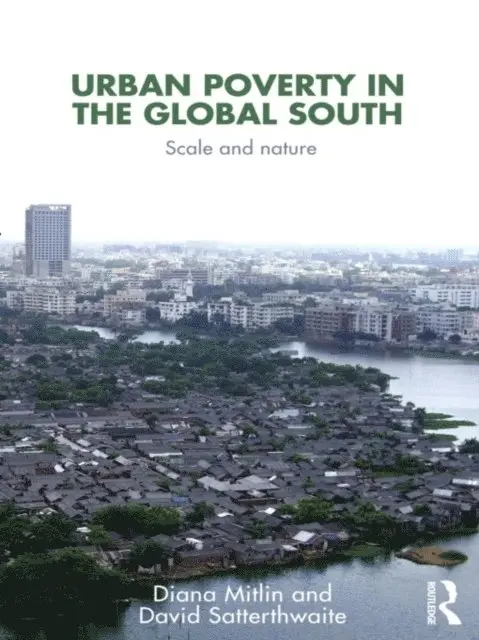
One in seven of the world’s population live in poverty in urban areas, and the vast majority of these live in the Global South – mostly in overcrowded informal settlements with inadequate water, sanitation, health care and schools provision. This book explains how and why the scale and depth of urban poverty is so frequently under-estimated by governments and international agencies worldwide. The authors also consider whether economic growth does in fact reduce poverty, exploring the paradox of successful economies that show little evidence of decreasing poverty.
Many official figures on urban poverty, including those based on the US $1 per day poverty line, present a very misleading picture of urban poverty’s scale. These common errors in definition and measurement by governments and international agencies lead to poor understanding of urban poverty and inadequate policy provision. This is compounded by the lack of voice and influence that low income groups have in these official spheres. This book explores many different aspects of urban poverty including the associated health burden, inadequate food intake, inadequate incomes, assets and livelihood security, poor living and working conditions and the absence of any rule of law.
Urban Poverty in the Global South: Scale and Nature fills the gap for a much needed systematic overview of the historical and contemporary state of urban poverty in the Global South. This comprehensive and detailed book is a unique resource for students and lecturers in development studies, urban development, development geography, social policy, urban planning and design, and poverty reduction.
978 kr
Läs direkt efter köp
One in seven of the world’s population live in poverty in urban areas, and the vast majority of these live in the Global South – mostly in overcrowded informal settlements with inadequate water, sanitation, health care and schools provision. This book explains how and why the scale and depth of urban poverty is so frequently under-estimated by governments and international agencies worldwide. The authors also consider whether economic growth does in fact reduce poverty, exploring the paradox of successful economies that show little evidence of decreasing poverty.
Many official figures on urban poverty, including those based on the US $1 per day poverty line, present a very misleading picture of urban poverty’s scale. These common errors in definition and measurement by governments and international agencies lead to poor understanding of urban poverty and inadequate policy provision. This is compounded by the lack of voice and influence that low income groups have in these official spheres. This book explores many different aspects of urban poverty including the associated health burden, inadequate food intake, inadequate incomes, assets and livelihood security, poor living and working conditions and the absence of any rule of law.
Urban Poverty in the Global South: Scale and Nature fills the gap for a much needed systematic overview of the historical and contemporary state of urban poverty in the Global South. This comprehensive and detailed book is a unique resource for students and lecturers in development studies, urban development, development geography, social policy, urban planning and design, and poverty reduction.
992 kr
Läs direkt efter köp
957 kr
Läs direkt efter köp
681 kr
Läs direkt efter köp
''A valuable contribution to our collective knowledge about governance, poverty and the environment'' Frances Seymour, World Resources Institute
''Detailed and realistic documentation of contemporary development and governance relationships and trends'' Melissa Leach, Institute of Development Studies
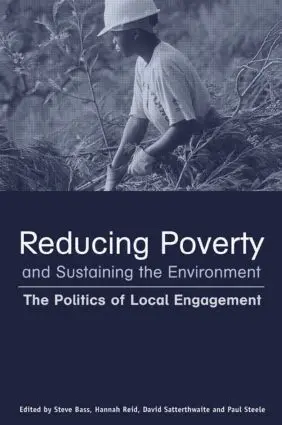
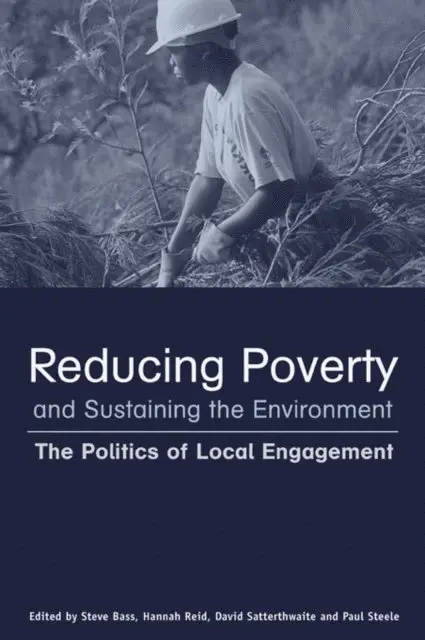
There are growing signs that development work by governments, aid agencies and non-government organisations ignores the fact that environmental quality matters to the poor. There are also indications that some environmental work is pushing ''people-out'' protection methodologies. Yet recently, an extensive range of project, programme and policy level activities has focused attention on the important links between poverty and the environment, and the benefit of entrenching these links in policy-making processes at all levels. The role that politics plays in all of this is of overriding importance. This volume is the first to address the role of politics in environmental issues that matter to the poor through a series of case studies. It describes experiences at regional, national and local levels in low and middle income countries including China, Tanzania, Nigeria, South Africa, Pakistan, Colombia, Peru, India, Saint Lucia and countries in East Africa.
Ultimately the book demonstrates how understanding the national and local political context is crucial for addressing poverty-environment issues such as environmental health, access to natural resources for livelihoods and security, and coping with environmental disasters. The editors advocate ways in which political processes can be used to make positive changes - from the perspectives of both poverty reduction and the environment.
681 kr
Läs direkt efter köp
''A valuable contribution to our collective knowledge about governance, poverty and the environment'' Frances Seymour, World Resources Institute
''Detailed and realistic documentation of contemporary development and governance relationships and trends'' Melissa Leach, Institute of Development Studies
There are growing signs that development work by governments, aid agencies and non-government organisations ignores the fact that environmental quality matters to the poor. There are also indications that some environmental work is pushing ''people-out'' protection methodologies. Yet recently, an extensive range of project, programme and policy level activities has focused attention on the important links between poverty and the environment, and the benefit of entrenching these links in policy-making processes at all levels. The role that politics plays in all of this is of overriding importance. This volume is the first to address the role of politics in environmental issues that matter to the poor through a series of case studies. It describes experiences at regional, national and local levels in low and middle income countries including China, Tanzania, Nigeria, South Africa, Pakistan, Colombia, Peru, India, Saint Lucia and countries in East Africa.
Ultimately the book demonstrates how understanding the national and local political context is crucial for addressing poverty-environment issues such as environmental health, access to natural resources for livelihoods and security, and coping with environmental disasters. The editors advocate ways in which political processes can be used to make positive changes - from the perspectives of both poverty reduction and the environment.
619 kr
Läs direkt efter köp
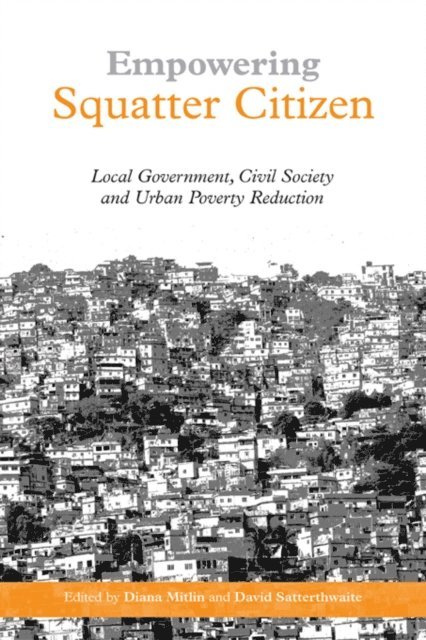
With the rapid growth in urban poverty in Africa, Asia and Latin America, most cities now have 30 to 60 per cent of their population living in shanty towns. The civil and political rights of these people are either ignored or constantly contravened. They face multiple deprivations, including hunger, long hours working for inadequate incomes; illness, injury and premature deaths that arise from dangerous living conditions and inadequate water supplies, sanitation and healthcare. Many face the constant threat of eviction and other forms of violence.
None of these problems can be addressed without local changes, and Empowering Squatter Citizen contends that urban poverty is underpinned by the failure of national governments and aid agencies to support local processes. It makes the case for redirecting support to local organizations, whether governmental, non-governmental or grassroots. .
The book includes case studies of innovative government organizations (in Thailand, Mexico, Philippines and Nicaragua) and community-driven processes (in India, South Africa, Pakistan and Brazil), which illustrate more effective approaches to urban poverty reduction. Such approaches include strengthening the organizations of the poor and homeless so that they are accountable to their members, are able to develop their own solutions and have more capacity to negotiate with the institutions that are meant to deliver infrastructure, services, credit and land for housing. Such support for local processes is crucial for meeting the Millennium Development Goals in urban areas.
619 kr
Läs direkt efter köp
With the rapid growth in urban poverty in Africa, Asia and Latin America, most cities now have 30 to 60 per cent of their population living in shanty towns. The civil and political rights of these people are either ignored or constantly contravened. They face multiple deprivations, including hunger, long hours working for inadequate incomes; illness, injury and premature deaths that arise from dangerous living conditions and inadequate water supplies, sanitation and healthcare. Many face the constant threat of eviction and other forms of violence.
None of these problems can be addressed without local changes, and Empowering Squatter Citizen contends that urban poverty is underpinned by the failure of national governments and aid agencies to support local processes. It makes the case for redirecting support to local organizations, whether governmental, non-governmental or grassroots. .
The book includes case studies of innovative government organizations (in Thailand, Mexico, Philippines and Nicaragua) and community-driven processes (in India, South Africa, Pakistan and Brazil), which illustrate more effective approaches to urban poverty reduction. Such approaches include strengthening the organizations of the poor and homeless so that they are accountable to their members, are able to develop their own solutions and have more capacity to negotiate with the institutions that are meant to deliver infrastructure, services, credit and land for housing. Such support for local processes is crucial for meeting the Millennium Development Goals in urban areas.
824 kr
Läs direkt efter köp
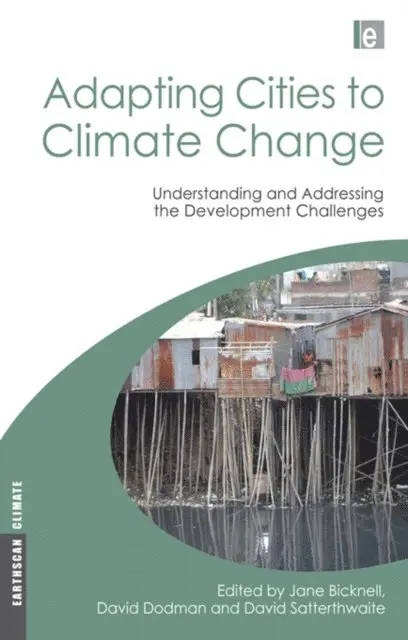
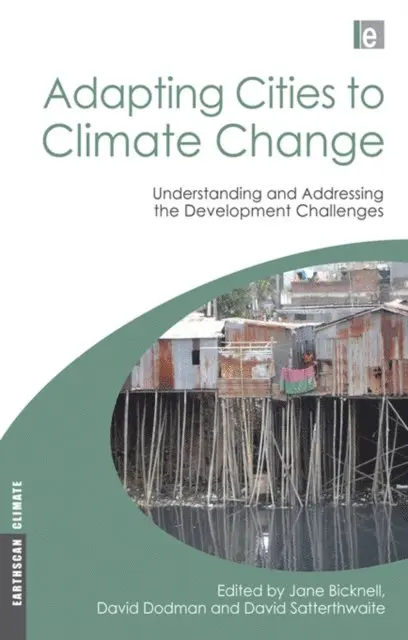
This volume brings together, for the first time, a wide-ranging and detailed body of information identifying and assessing risk, vulnerability and adaptation to climate change in urban centres in low- and middle-income countries. Framed by an overview of the main possibilities and constraints for adaptation, the contributors examine the implications of climate change for cities in Africa, Asia and Latin America, and propose innovative agendas for adaptation. The book should be of interest to policy makers, practitioners and academics who face the challenge of addressing climate change vulnerability and adaptation in urban centres throughout the global South.
Published with E&U and International Institute for Environment and Development
824 kr
Läs direkt efter köp
This volume brings together, for the first time, a wide-ranging and detailed body of information identifying and assessing risk, vulnerability and adaptation to climate change in urban centres in low- and middle-income countries. Framed by an overview of the main possibilities and constraints for adaptation, the contributors examine the implications of climate change for cities in Africa, Asia and Latin America, and propose innovative agendas for adaptation. The book should be of interest to policy makers, practitioners and academics who face the challenge of addressing climate change vulnerability and adaptation in urban centres throughout the global South.
Published with E&U and International Institute for Environment and Development
2 198 kr
Skickas inom 10-15 vardagar