David T. Mitchell – författare
Visar alla böcker från författaren David T. Mitchell. Handla med fri frakt och snabb leverans.
17 produkter
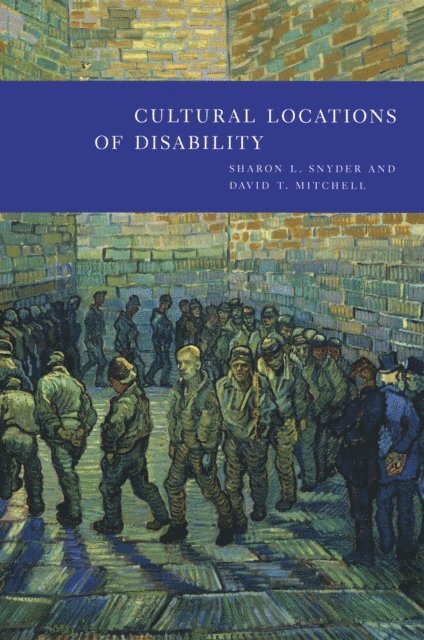
Cultural Locations of Disability
Av David T. Mitchell, Sharon L. Snyder
E-bok, 2010
719 kr
Lägg i varukorg
In Cultural Locations of Disability, Sharon L. Snyder and David T. Mitchell trace how disabled people came to be viewed as biologically deviant. The eugenics era pioneered techniques that managed "defectives" through the application of therapies, invasive case histories, and acute surveillance …
Cultural Locations of Disability
Av Sharon L. Snyder, David T. Mitchell
Häftad, 2005
299 kr
Lägg i varukorg
In "Cultural Locations of Disability", Sharon L. Snyder and David T. Mitchell trace how disabled people came to be viewed as biologically deviant. The eugenics era pioneered techniques that managed "defectives" through the application of therapies, invasive case histories, and acute surveillance …
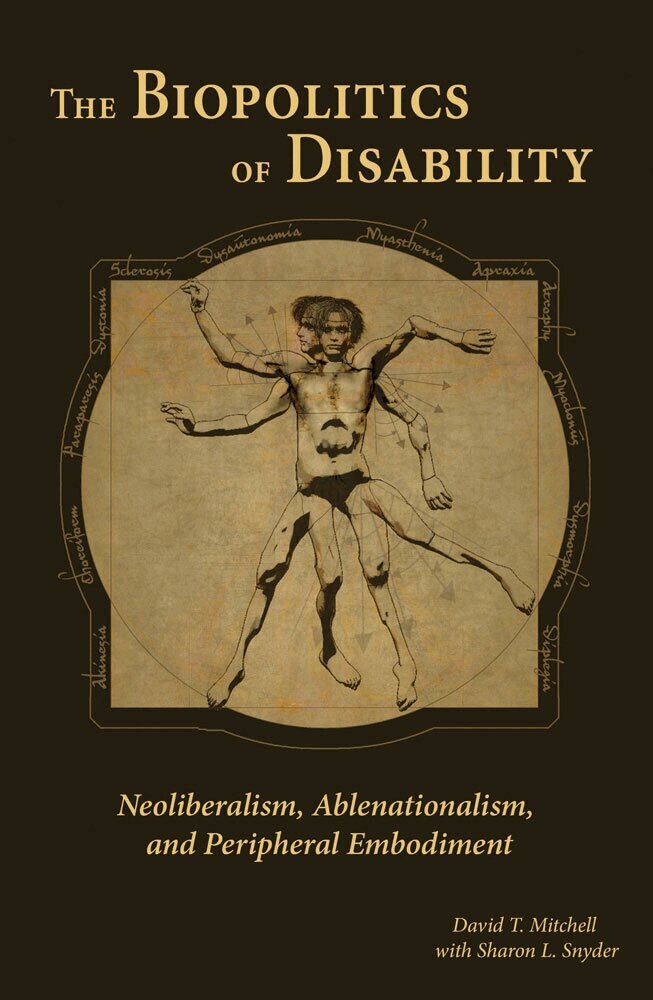
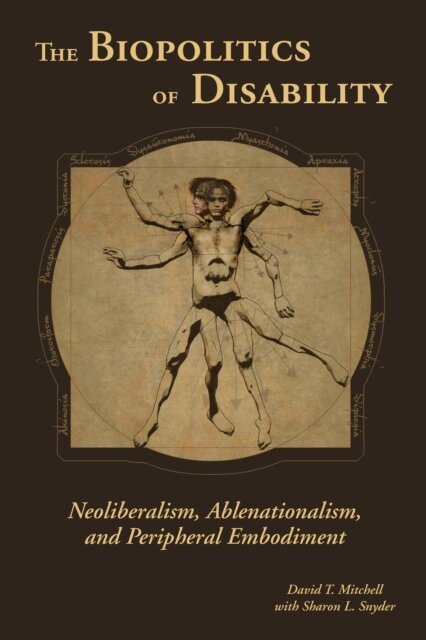
Biopolitics of Disability
Neoliberalism, Ablenationalism, and Peripheral Embodiment
Häftad, 2015
475 kr
Lägg i varukorg
In the neoliberal era, when human worth is measured by its relative utility within global consumer culture, selected disabled people have been able to gain entrance into late capitalist culture. The Biopolitics of Disability terms this phenomenon “ablenationalism” and asserts that “inclusion” …
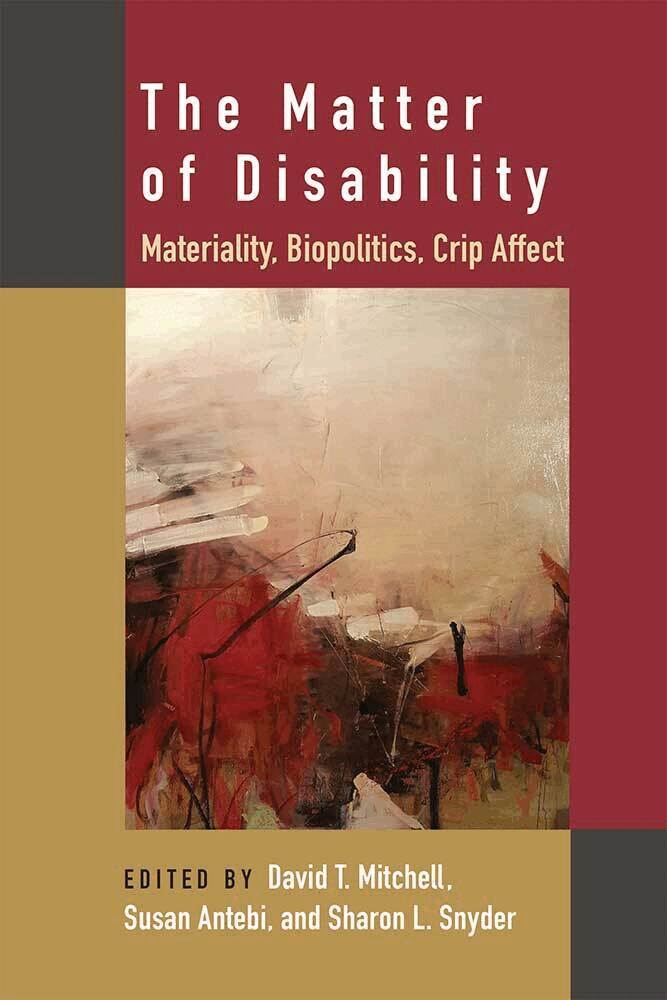
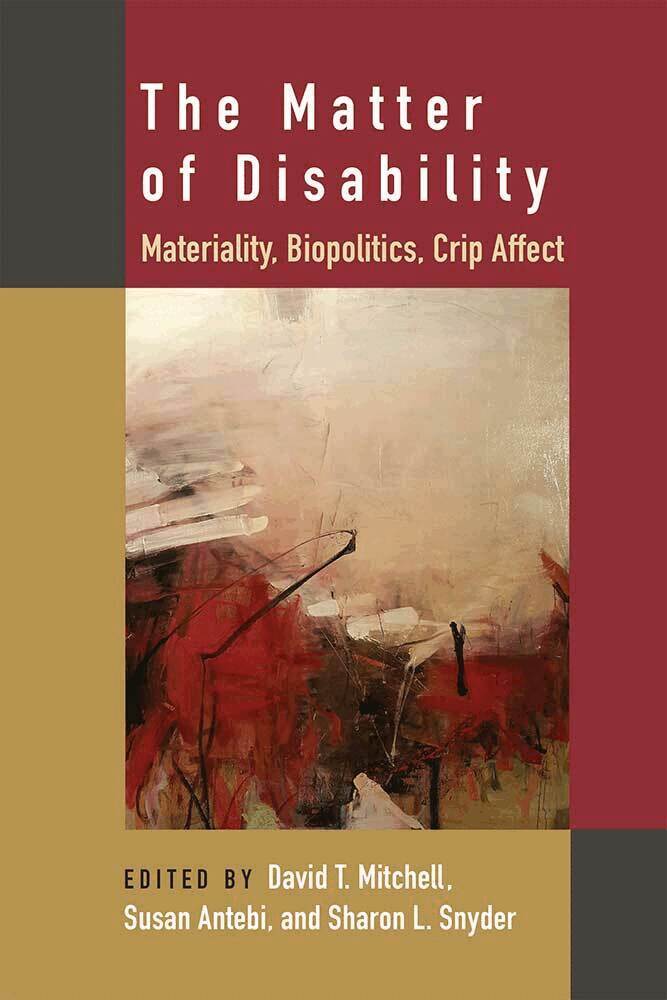
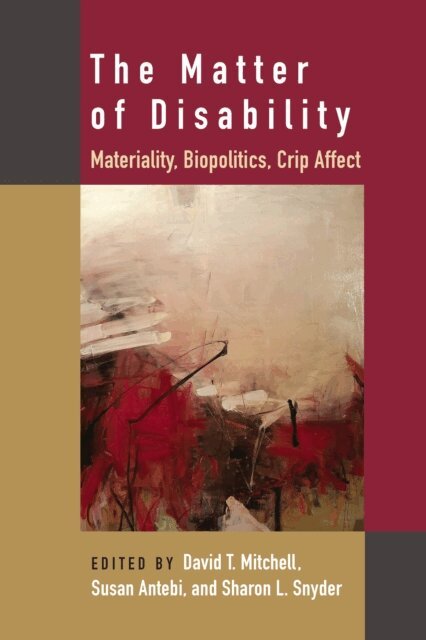
Matter of Disability
Materiality, Biopolitics, Crip Affect
Av David T. Mitchell, Susan Antebi m. fl.
Häftad, 2019
510 kr
Lägg i varukorg
The Matter of Disability returns disability to its proper place as an ongoing historical process of corporeal, cognitive, and sensory mutation operating in a world of dynamic, even cataclysmic, change. The book’s contributors offer new theorizations of human and nonhuman embodiments and their …
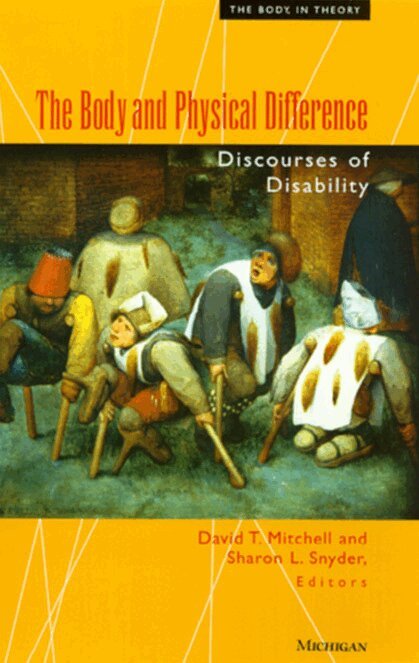
Body and Physical Difference
Discourses of Disability
Av David T. Mitchell, Sharon L. Snyder
Häftad, 1997
472 kr
Lägg i varukorg
For years the subject of human disability has engaged those in the biological, social and cognitive sciences, while at the same time, it has been curiously neglected within the humanities. The Body and Physical Difference seeks to introduce the field of disability studies into the humanities by …
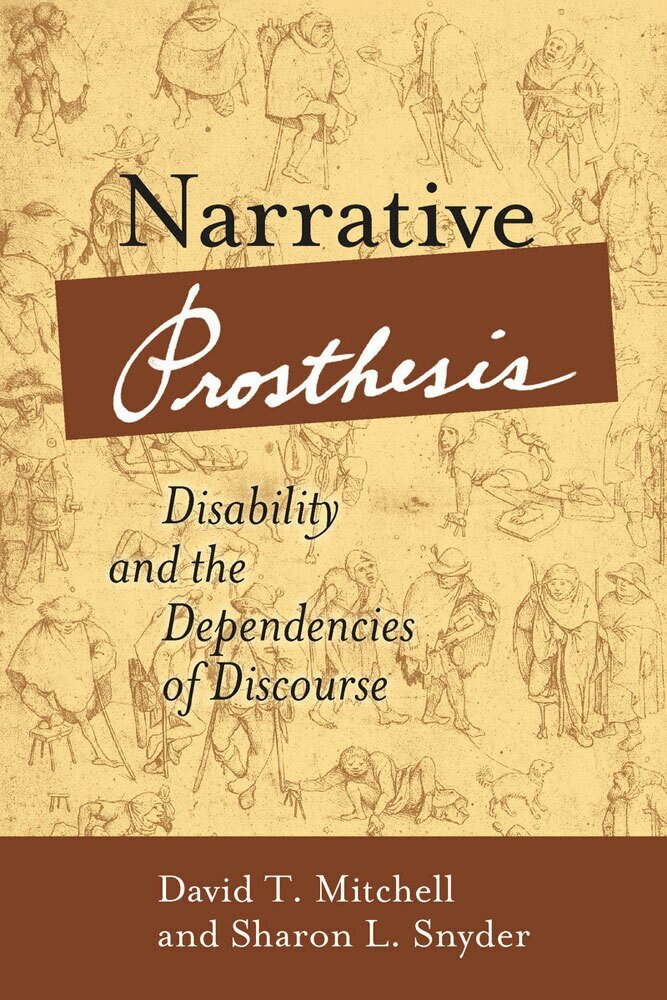
Narrative Prosthesis
Disability and the Dependencies of Discourse
Av David T. Mitchell, Sharon L. Snyder
Häftad, 2001
440 kr
Lägg i varukorg
Narrative Prosthesis: Disability and the Dependencies of Discourse develops a narrative theory of the pervasive use of disability as a device of characterization in literature and film. It argues that, while other marginalized identities have suffered cultural exclusion due to a dearth of images …
Matter of Disability
Materiality, Biopolitics, Crip Affect
Av David T. Mitchell, Susan Antebi m. fl.
Inbunden, 2019
1332 kr
Lägg i varukorg
The Matter of Disability returns disability to its proper place as an ongoing historical process of corporeal, cognitive, and sensory mutation operating in a world of dynamic, even cataclysmic, change. The book’s contributors offer new theorizations of human and nonhuman embodiments and their …
Narrative Prosthesis
Disability and the Dependencies of Discourse
Av Sharon L. Snyder, David T. Mitchell
E-bok, 2014
675 kr
Lägg i varukorg
Narrative Prosthesis: Disability and the Dependencies of Discourse develops a narrative theory of the pervasive use of disability as a device of characterization in literature and film. It argues that, while other marginalized identities have suffered cultural exclusion due to a dearth of images …
Biopolitics of Disability
Neoliberalism, Ablenationalism, and Peripheral Embodiment
E-bok, 2015
641 kr
Lägg i varukorg
In the neoliberal era, when human worth is measured by its relative utility within global consumer culture, selected disabled people have been able to gain entrance into late capitalist culture. The Biopolitics of Disability terms this phenomenon “ablenationalism” and asserts that “inclusion” …
Matter of Disability
Materiality, Biopolitics, Crip Affect
Av Sharon L. Snyder, Susan Antebi m. fl.
E-bok, 2019
762 kr
Lägg i varukorg
The Matter of Disability returns disability to its proper place as an ongoing historical process of corporeal, cognitive, and sensory mutation operating in a world of dynamic, even cataclysmic, change. The book’s contributors offer new theorizations of human and nonhuman embodiments and their …
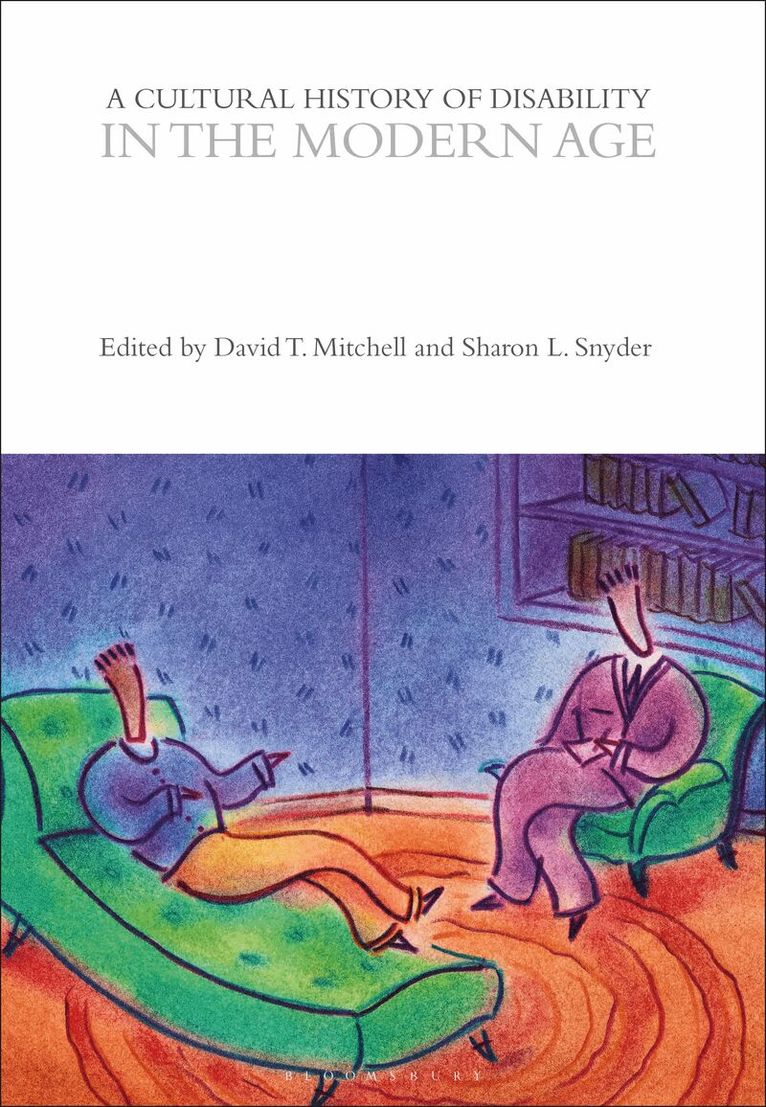
Cultural History of Disability in the Modern Age
Av David T. Mitchell, Sharon L. Snyder
Inbunden, 2023
1291 kr
Lägg i varukorg
If eugenics -- the science of eliminating kinds of undesirable human beings from the species record -- came to overdetermine the late 19th century in relation to disability, the 20th century may be best characterized as managing the repercussions for variable human populations. A Cultural History …
Cultural History of Disability in the Modern Age
Av David T. Mitchell, Sharon L. Snyder
E-bok, 2023
474 kr
Lägg i varukorg
If eugenics -- the science of eliminating kinds of undesirable human beings from the species record -- came to overdetermine the late 19th century in relation to disability, the 20th century may be best characterized as managing the repercussions for variable human populations. A Cultural History …
Cultural History of Disability in the Modern Age
Av David T. Mitchell, Sharon L. Snyder
E-bok, 2023
474 kr
Lägg i varukorg
If eugenics -- the science of eliminating kinds of undesirable human beings from the species record -- came to overdetermine the late 19th century in relation to disability, the 20th century may be best characterized as managing the repercussions for variable human populations. A Cultural History …
Cultural History of Disability in the Modern Age
Av David T. Mitchell, Sharon L. Snyder
Häftad, 2024
441 kr
Lägg i varukorg
If eugenics -- the science of eliminating kinds of undesirable human beings from the species record -- came to overdetermine the late 19th century in relation to disability, the 20th century may be best characterized as managing the repercussions for variable human populations. A Cultural History …
Cultural Locations of Disability
Av Sharon L. Snyder, David T. Mitchell
Inbunden, 2005
826 kr
Tillfälligt slut
In "Cultural Locations of Disability", Sharon L. Snyder and David T. Mitchell trace how disabled people came to be viewed as biologically deviant. The eugenics era pioneered techniques that managed "defectives" through the application of therapies, invasive case histories, and acute surveillance …
Biopolitics of Disability
Neoliberalism, Ablenationalism, and Peripheral Embodiment
Inbunden, 2015
1294 kr
Tillfälligt slut
In the neoliberal era, when human worth is measured by its relative utility within global consumer culture, selected disabled people have been able to gain entrance into late capitalist culture. The Biopolitics of Disability terms this phenomenon “ablenationalism” and asserts that “inclusion” …
Body and Physical Difference
Discourses of Disability
Av David T. Mitchell, Sharon L. Snyder
Inbunden, 1997
1301 kr
Tillfälligt slut
For years the subject of human disability has engaged those in the biological, social and cognitive sciences, while at the same time, it has been curiously neglected within the humanities. The Body and Physical Difference seeks to introduce the field of disability studies into the humanities by …