Deac Rossell - Böcker
Visar alla böcker från författaren Deac Rossell. Handla med fri frakt och snabb leverans.
4 produkter
4 produkter
1 088 kr
Tillfälligt slut
A history of the near-simultaneous emergence of moving pictures in several countries in the mid-1890s and a thorough reevaluation of the development of the technology.CHOICE Outstanding Academic Book 1999CHOICE 1999 Outstanding Academic BooksThis is the first book in English in nearly half a century to tell the full story of the international development of the first films, the origins of celluloid itself, the background of magic lantern shows (which were the first home of the movies), and the social influences on movie inventors and their chosen technologies. When moving pictures were invented one hundred years ago, inventors in many countries had different ideas about what a movie was, how it could be used, and how it could be seen; these ideas directly influenced their technological solutions to the problem of reproducing moving pictures, and account for the plethora of devices proposed during the period of invention. Living Pictures takes a new look at the international origins of moving pictures and examines the many solutions posed by Thomas Edison in America, the Lumière brothers in France, Robert Paul in England, and Max Skladanowsky in Germany, among many other pioneering figures.Using concepts drawn from recent work in the sociology of the history of technology, Living Pictures places the invention of the movies firmly in the context of late-nineteenth-century entertainment and explains clearly the motivations and accomplishments of the inventors in both America and Europe who brought the first movies to astounded audiences in 1895 and 1896. In addition, new research illuminates the roles played by many secondary figures whose proposals for movies in the home, in mobile street theatres, and in major concert halls were a vivid part of the struggle of the new medium to find its place in the world.
387 kr
Tillfälligt slut
A history of the near-simultaneous emergence of moving pictures in several countries in the mid-1890s and a thorough reevaluation of the development of the technology.CHOICE Outstanding Academic Book 1999CHOICE 1999 Outstanding Academic BooksThis is the first book in English in nearly half a century to tell the full story of the international development of the first films, the origins of celluloid itself, the background of magic lantern shows (which were the first home of the movies), and the social influences on movie inventors and their chosen technologies. When moving pictures were invented one hundred years ago, inventors in many countries had different ideas about what a movie was, how it could be used, and how it could be seen; these ideas directly influenced their technological solutions to the problem of reproducing moving pictures, and account for the plethora of devices proposed during the period of invention. Living Pictures takes a new look at the international origins of moving pictures and examines the many solutions posed by Thomas Edison in America, the Lumière brothers in France, Robert Paul in England, and Max Skladanowsky in Germany, among many other pioneering figures.Using concepts drawn from recent work in the sociology of the history of technology, Living Pictures places the invention of the movies firmly in the context of late-nineteenth-century entertainment and explains clearly the motivations and accomplishments of the inventors in both America and Europe who brought the first movies to astounded audiences in 1895 and 1896. In addition, new research illuminates the roles played by many secondary figures whose proposals for movies in the home, in mobile street theatres, and in major concert halls were a vivid part of the struggle of the new medium to find its place in the world.
332 kr
Skickas inom 7-10 vardagar
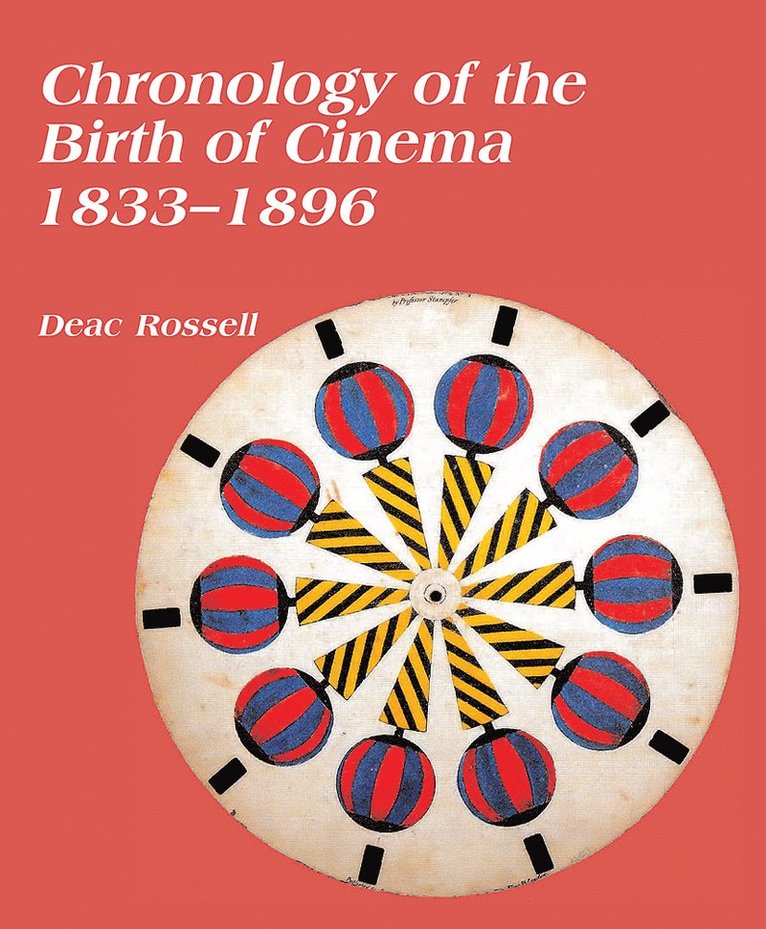
Written from an international perspective, this account of the origins of the cinema begins in 1833 with the introduction of optical toys for reproducing movement and ends with a thorough examination of the first full year of projected moving pictures in 1896. Comprehensive and verifiable, with citations that support each individual entry, the book examines the events that culminated in the establishment of the moving picture world that was the dominant visual medium of the last century. Drawing on a range of international sources, this chronology is a readable, vivid account that corrects many longstanding errors in the story of moving pictures while at the same time recording the astounding diversity of ideas, apparatus, personalities, and exhibitions that turned a passing novelty into a major industry. Populated by dreamers, inventors, scientists, and entrepreneurs with widely different skills, interests, and backgrounds, the many origins of the cinema are all recorded here in a rich tapestry that has been woven with attention to the detailed shape and placement of each individual thread. The result is a fully- indexed reference that reflects the state of modern scholarship and should be useful over the long term as both a reference to the period of early cinema and as a starting point for further research.
1 311 kr
Skickas inom 5-8 vardagar
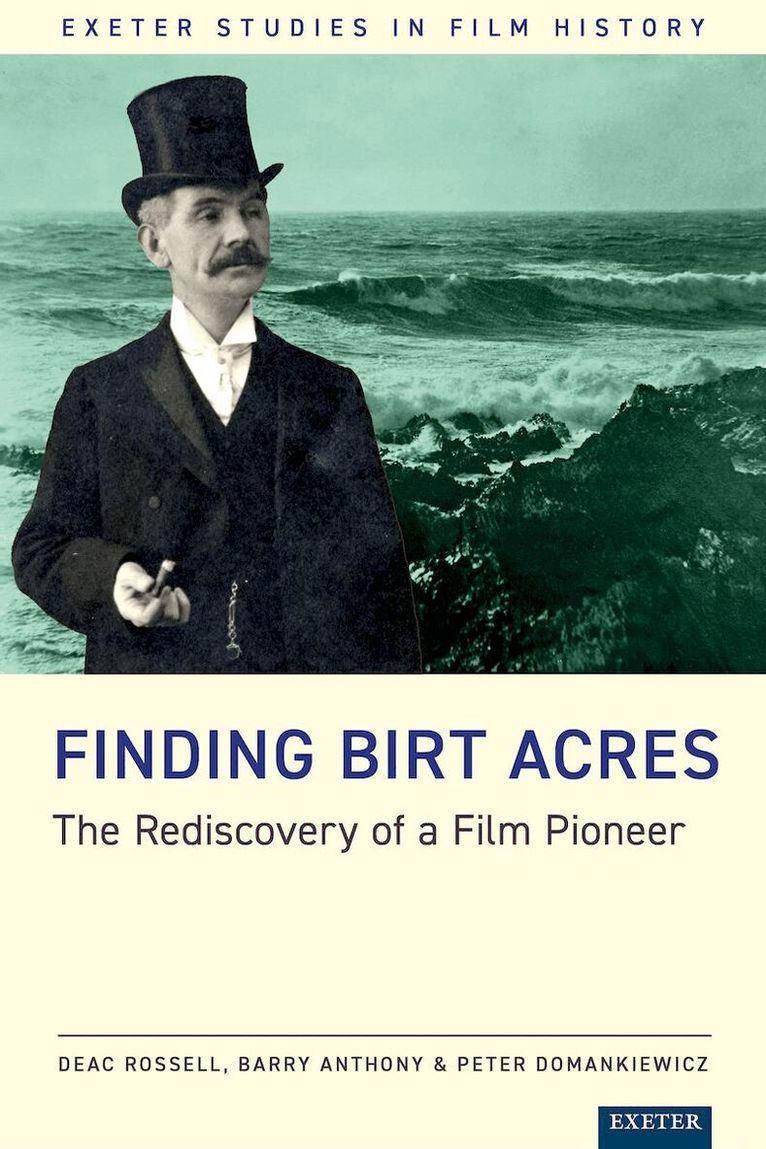
Apparently from Virginia, Birt Acres appeared out of nowhere in Britain aged 35, without a trace of his former life. Yet immediately he became a prominent figure in the late Victorian photographic world. He soon teamed up with Robert Paul to make a moving picture camera and then shot the first commercial films in Britain in spring 1895, in parallel with the work of the Lumière brothers in France, before repeating this in Germany. His innovations included being the first to establish a dedicated venue for watching films, to give a Royal Command Performance of moving pictures, to create screen advertising, and to design a home movie camera.A disdain for showbusiness led to Acres squandering the commercial opportunities he created, and initiated the erasure of his remarkable story. From early in the twentieth century, film historians have consistently underestimated and undervalued his achievements.In this book, for the first time, we see a detailed and compelling portrait of Birt Acres, with substantial new research on his early work in moving pictures and on the careers of his associates, leading directly to new interpretations of the importance of this elusive pioneer. It draws on a wealth of fresh sources, with a massively expanded filmography supporting this re-evaluation. Written by three specialists in early film history, this volume significantly revises the received story of Birt Acres, at the same time casting new light on the beginnings of cinema in Britain.