Denise K. Cummings - Böcker
Visar alla böcker från författaren Denise K. Cummings. Handla med fri frakt och snabb leverans.
2 produkter
2 produkter
474 kr
Skickas inom 7-10 vardagar
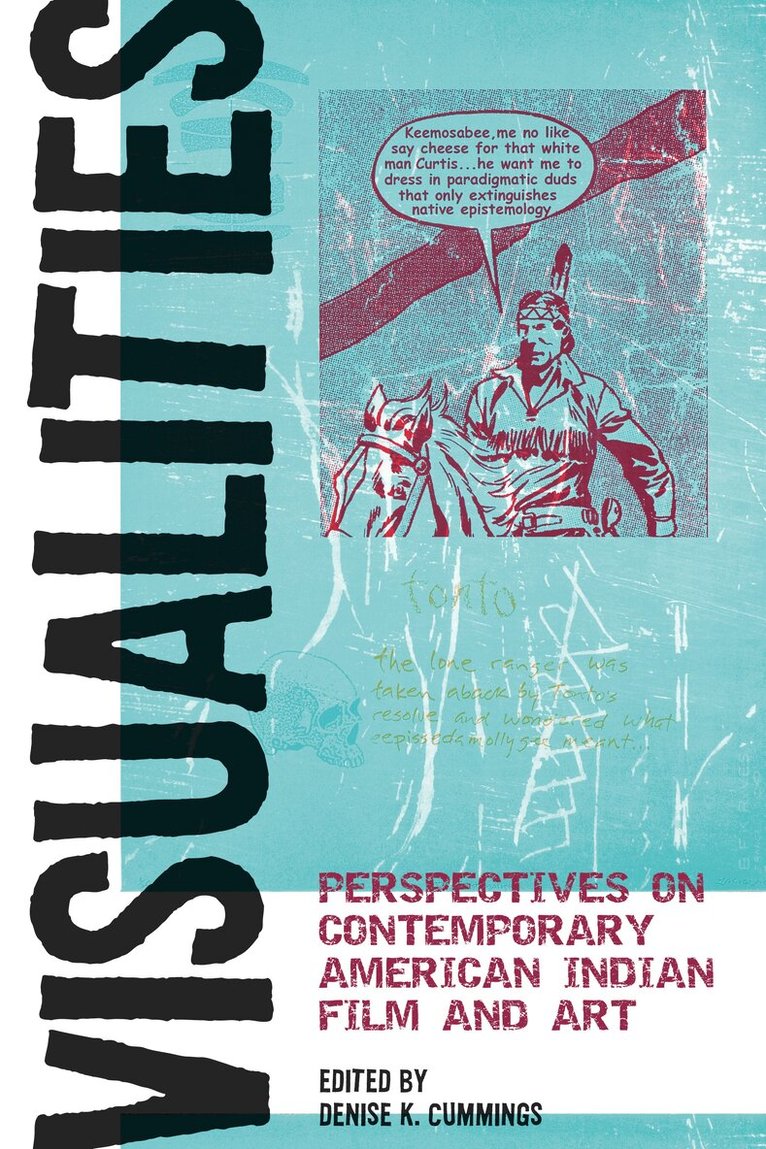
In recent years, works by American Indian artists and filmmakers such as Jaune Quick-To-See Smith, Edgar Heap of Birds, Sherman Alexie, Shelley Niro, and Chris Eyre have illustrated the importance of visual culture as a means to mediate identity in contemporary Native America. This insightful collection of essays explores how identity is created and communicated through Native film-, video-, and art-making; what role these practices play in contemporary cultural revitalization; and how indigenous creators revisit media pasts and resignify dominant discourses through their work. Taking an interdisciplinary approach, Visualities: Perspectives on Contemporary American Indian Film and Art draws on American Indian Studies, American Studies, Film Studies, Cultural Studies, Women’s Studies, and Postcolonial Studies. Among the artists examined are Hulleah J. Tsinhnahjinnie, Eric Gansworth, Melanie Printup Hope, Jolene Rickard, and George Longfish. Films analyzed include Imprint, It Starts with a Whisper, Mohawk Girls, Skins, The Business of Fancydancing, and a selection of Native Latin films.
488 kr
Skickas inom 7-10 vardagar
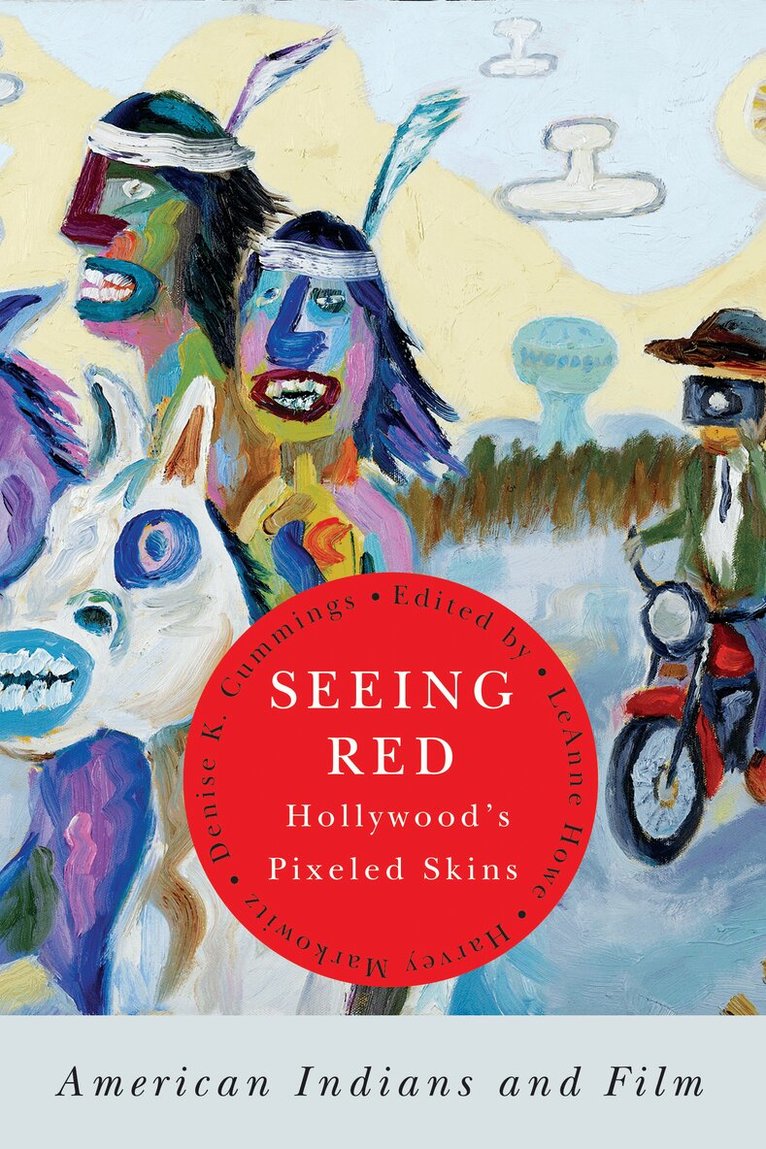
At once informative, comic, and plaintive, Seeing Red—Hollywood’s Pixeled Skins is an anthology of critical reviews that reexamines the ways in which American Indians have traditionally been portrayed in film. From George B. Seitz’s 1925 The Vanishing American to Rick Schroder’s 2004 Black Cloud, these 36 reviews by prominent scholars of American Indian Studies are accessible, personal, intimate, and oftentimes autobiographic. Seeing Red—Hollywood’s Pixeled Skins offers indispensible perspectives from American Indian cultures to foreground the dramatic, frequently ridiculous difference between the experiences of Native peoples and their depiction in film. By pointing out and poking fun at the dominant ideologies and perpetuation of stereotypes of Native Americans in Hollywood, the book gives readers the ability to recognize both good filmmaking and the dangers of misrepresenting aboriginal peoples. The anthology offers a method to historicize and contextualize cinematic representations spanning the blatantly racist, to the well-intentioned, to more recent independent productions. Seeing Red is a unique collaboration by scholars in American Indian Studies that draws on the stereotypical representations of the past to suggest ways of seeing American Indians and indigenous peoples more clearly in the twenty-first century.