Denise Low - Böcker
Visar alla böcker från författaren Denise Low. Handla med fri frakt och snabb leverans.
13 produkter
13 produkter
388 kr
Skickas inom 3-6 vardagar
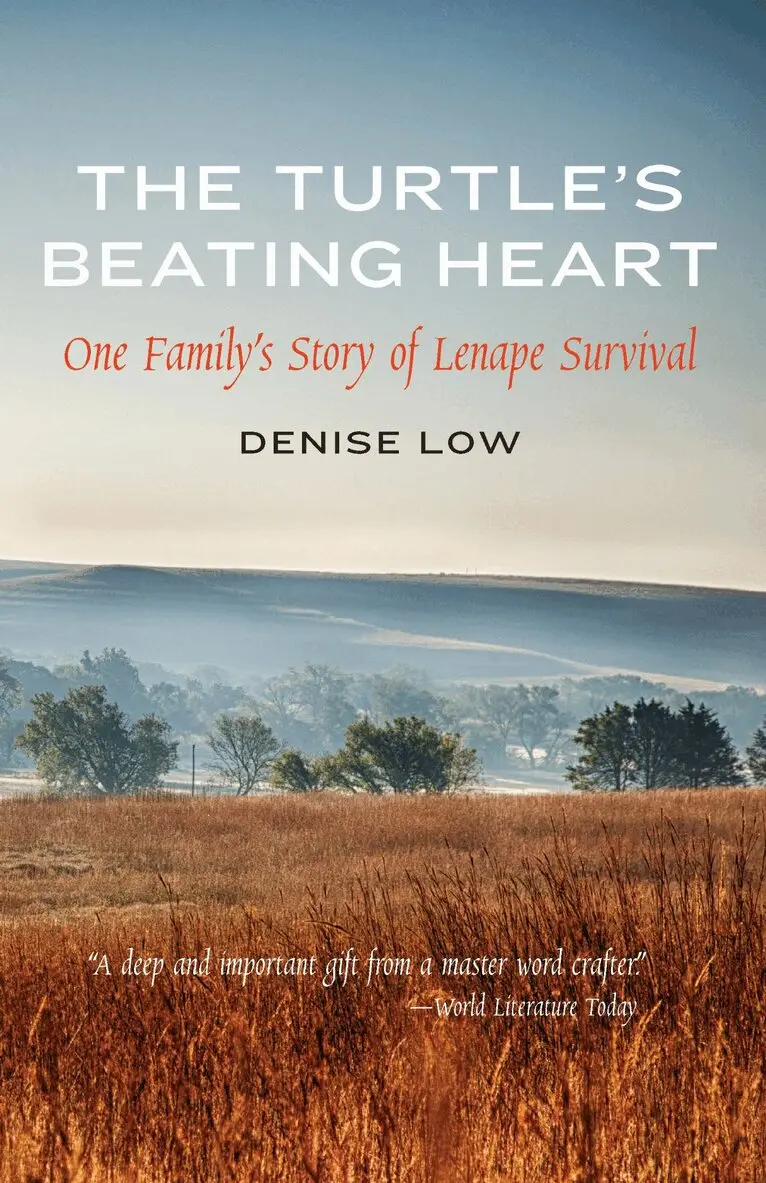
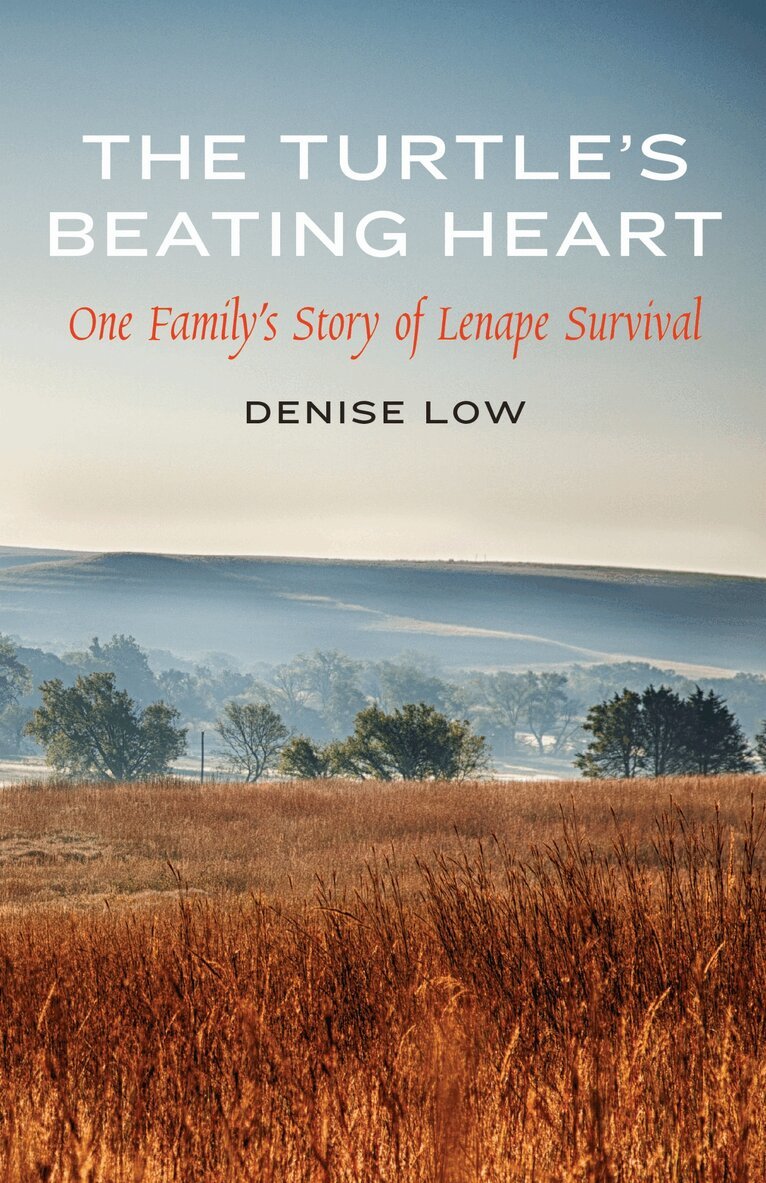
“Grandchildren meet their grandparents at the end,” Denise Low says, “as tragic figures. We remember their decline and deaths. . . . The story we see as grandchildren is like a garden covered by snow, just outlines visible.”Low brings to light deeply held secrets of Native ancestry as she recovers the life story of her Kansas grandfather, Frank Bruner (1889–1963). She remembers her childhood in Kansas, where her grandparents remained at a distance, personally and physically, from their grandchildren, despite living only a few miles away. As an adult, she comes to understand her grandfather’s Delaware (Lenape) legacy of persecution and heroic survival in the southern plains of the early 1900s, where the Ku Klux Klan attacked Native people along with other ethnic minorities. As a result of such experiences, the Bruner family fled to Kansas City and suppressed their non-European ancestry as completely as possible. As Low unravels this hidden family history of the Lenape diaspora, she discovers the lasting impact of trauma and substance abuse, the deep sense of loss and shame related to suppressed family emotions, and the power of collective memory.Low traveled extensively around Kansas, tracking family history until she understood her grandfather’s political activism and his healing heritage of connections to the land. In this moving exploration of her grandfather’s life, the former poet laureate of Kansas evokes the beauty of the Flint Hills grasslands, the hardships her grandfather endured, and the continued discovery of his teachings.
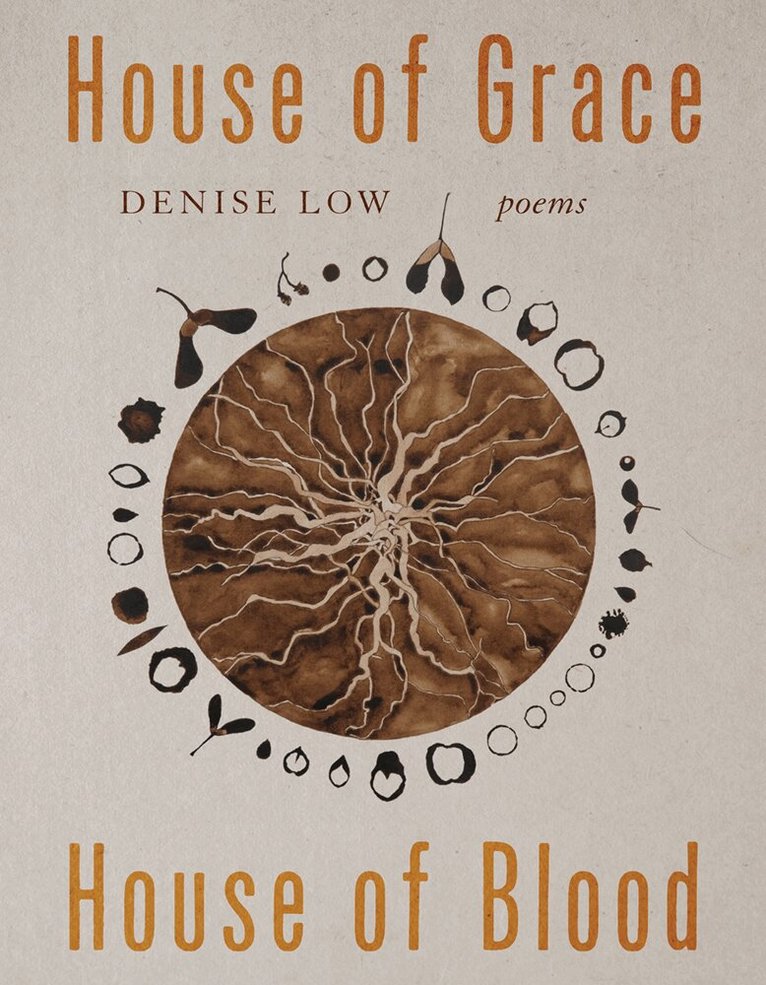
211 kr
Skickas inom 11-20 vardagar
Intertwining a lyrical voice with historical texts, poet Denise Low brings fresh urgency to the Gnadenhutten Massacre. In 1782, a renegade Pennsylvania militia killed ninety-six pacificist Christian Delawares (Lenapes) in Ohio. Those who escaped, including Indigenous eyewitnesses, relayed their accounts of the atrocity. Like Layli Longsoldier’s Whereas and Simon Ortiz’s from Sand Creek, Low delves into a critical incident of Indigenous peoples’ experiences. Readers will explore with the poet how trauma persists through hundreds of years, and how these peoples have survived and flourished in the subsequent generations.In a personal poetic treatment of documents, oral tradition, and images, the author, who has “blood ties to both killers and those killed,” embodies the contradictions she unravels. From a haunting first-person perspective, Low’s formally inventive archival poetry combines prose and lyric, interweaving verse with historical voices in a dialogue with the source material. Each poem builds into a larger narrative on American genocide, the ways in which human loss corresponds to ecological destruction, and how intimate knowledge of the past can enact healing.Ultimately, these poems not only reconstruct an important historical event, but they also put pressure on the gaps, silences, and violence of the archive. Low asks readers to question not only what is remembered, but how history is remembered—and who is forgotten from it. Reflecting on the injustice of the massacre, the Shawnee leader Tecumseh lamented that though “the Americans murdered all the men, women, and children, even as they prayed to Jesus . . . no American ever was punished, not one.” These poems challenge this attempted erasure.
220 kr
Skickas inom 3-6 vardagar
238 kr
Skickas inom 3-6 vardagar
254 kr
Skickas inom 3-6 vardagar
294 kr
Skickas inom 3-6 vardagar
254 kr
Skickas inom 3-6 vardagar
715 kr
Skickas inom 7-10 vardagar
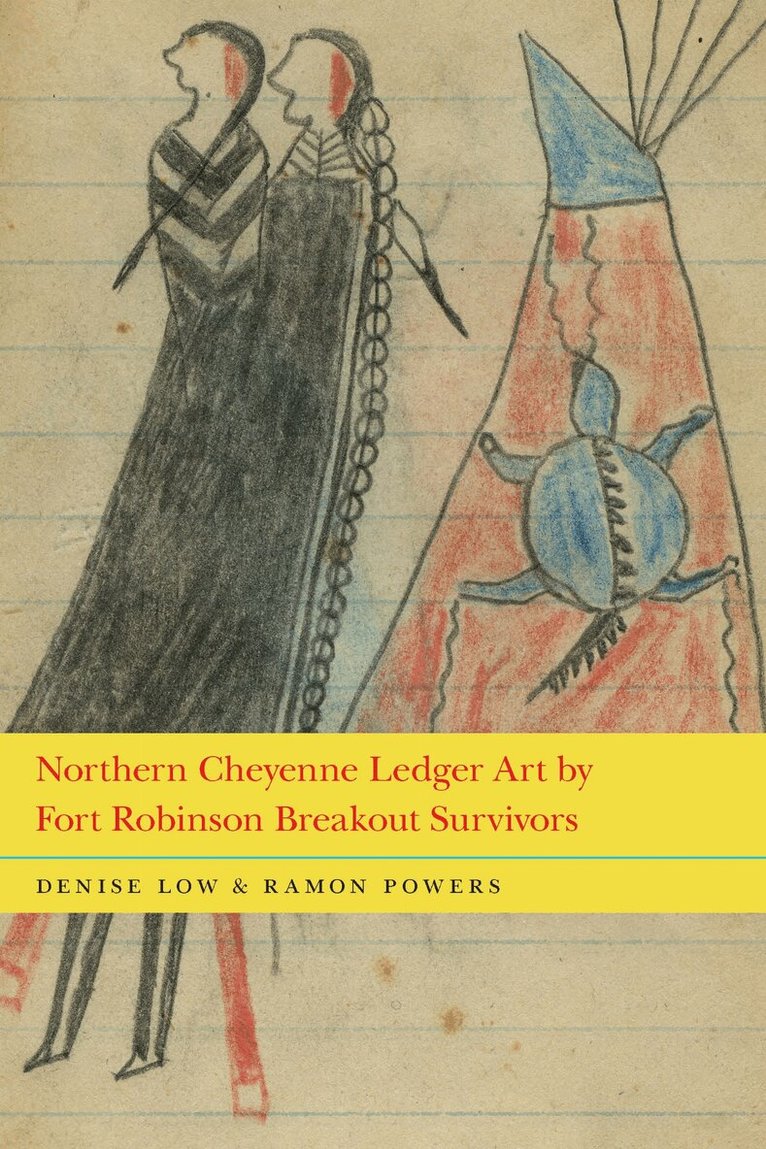
Named a 2021 Kansas Notable Book Northern Cheyenne Ledger Art by Fort Robinson Breakout Survivors presents the images of Native warriors-Wild Hog, Porcupine, and Left Hand, as well as possibly Noisy Walker (or Old Man), Old Crow, Blacksmith, and Tangled Hair-as they awaited probable execution in the Dodge City jail in 1879. When Sheriff Bat Masterson provided drawing materials, the men created war books that were coded to avoid confrontation with white authorities and to narrate survival from a Northern Cheyenne point of view. The prisoners used the ledger-art notebooks to maintain their cultural practices during incarceration and as gifts and for barter with whites in the prison where they struggled to survive.The ledger-art notebooks present evidence of spiritual practice and include images of contemporaneous animals of the region, hunting, courtship, dance, social groupings, and a few war-related scenes. Denise Low and Ramon Powers include biographical materials from the imprisonment and subsequent release, which extend the historical arc of Northern Cheyenne heroes of the Plains Indian Wars into reservation times. Sources include selected ledger drawings, army reports, letters, newspapers, and interviews with some of the Northern Cheyenne men and their descendants. Accounts from a firsthand witness of the drawings and composition of the ledgers themselves give further information about Native perspectives on the conflicted history of the North American West in the nineteenth century and beyond.This group of artists jailed after the tragedy of the Fort Robinson Breakout have left a legacy of courage and powerful art.
242 kr
Skickas inom 10-15 vardagar
“Grandchildren meet their grandparents at the end,” Denise Low says, “as tragic figures. We remember their decline and deaths. . . . The story we see as grandchildren is like a garden covered by snow, just outlines visible.”Low brings to light deeply held secrets of Native ancestry as she recovers the life story of her Kansas grandfather, Frank Bruner (1889–1963). She remembers her childhood in Kansas, where her grandparents remained at a distance, personally and physically, from their grandchildren, despite living only a few miles away. As an adult, she comes to understand her grandfather’s Delaware (Lenape) legacy of persecution and heroic survival in the southern plains of the early 1900s, where the Ku Klux Klan attacked Native people along with other ethnic minorities. As a result of such experiences, the Bruner family fled to Kansas City and suppressed their non-European ancestry as completely as possible. As Low unravels this hidden family history of the Lenape diaspora, she discovers the lasting impact of trauma and substance abuse, the deep sense of loss and shame related to suppressed family emotions, and the power of collective memory.Low traveled extensively around Kansas, tracking family history until she understood her grandfather’s political activism and his healing heritage of connections to the land. In this moving exploration of her grandfather’s life, the former poet laureate of Kansas evokes the beauty of the Flint Hills grasslands, the hardships her grandfather endured, and the continued discovery of his teachings.

238 kr
Skickas inom 10-15 vardagar
320 kr
Skickas inom 3-6 vardagar
254 kr
Skickas inom 3-6 vardagar
309 kr
Skickas inom 5-8 vardagar