Dennis Johannßen - Böcker
Visar alla böcker från författaren Dennis Johannßen. Handla med fri frakt och snabb leverans.
4 produkter
4 produkter
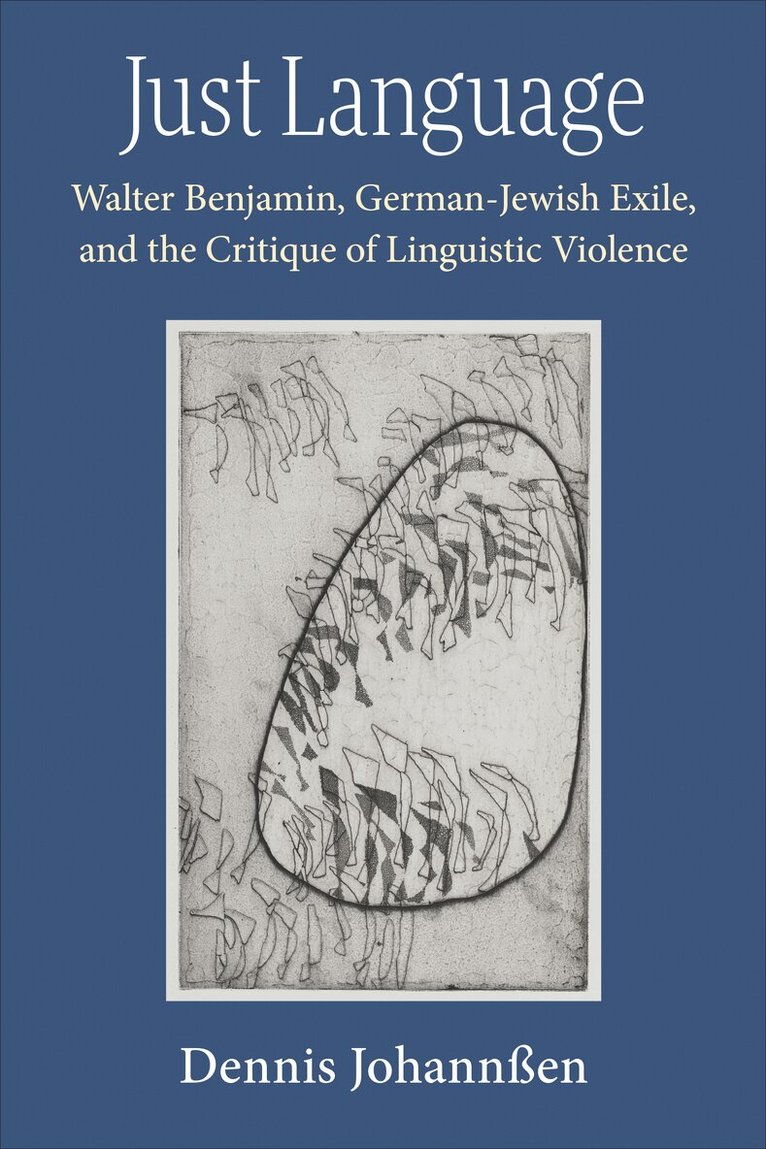
Just Language
Walter Benjamin, German-Jewish Exile, and the Critique of Linguistic Violence
Häftad, Engelska, 2026
416 kr
Skickas inom 7-10 vardagar
Just Language revisits the Weimar period and its representation in the postwar years to explore narratives of linguistic resistance in the works of Walter Benjamin, Theodor W. Adorno, Hannah Arendt, and Paul Celan. How did this generation of exile writers grapple with their experiences of oppression and persecution? How did they create a language of resistance during the decades that prepared the Third Reich and the Shoah?Facing the devastations of World War I, the book explores how Walter Benjamin analyzed language’s ability to radically break the cyclical violence of war and examines his opposition to expansionism and imperialism in Weimar education and culture. Based on Benjamin’s analysis, Johannßen traces the postwar responses of Hannah Arendt and Paul Celan. While Arendt proposed strategies of metaphorical thinking to counteract the formation of totalitarianism, Celan mobilized silence as a poetic counterforce against oppression and erasure. Just Language argues that every linguistic act and practice, no matter how small or marginalized, entails the ethical task of opposing the normalization and institutionalization of political violence. By tracing how Benjamin and his interlocutors struggled against German fascism, Johannßen presents a memory-based critique of linguistic violence, opening a dialogue between German-Jewish writers and today’s debates on nondiscrimination, propaganda, and social justice.
Just Language
Walter Benjamin, German-Jewish Exile, and the Critique of Linguistic Violence
Inbunden, Engelska, 2026
1 325 kr
Skickas inom 7-10 vardagar
Just Language revisits the Weimar period and its representation in the postwar years to explore narratives of linguistic resistance in the works of Walter Benjamin, Theodor W. Adorno, Hannah Arendt, and Paul Celan. How did this generation of exile writers grapple with their experiences of oppression and persecution? How did they create a language of resistance during the decades that prepared the Third Reich and the Shoah?Facing the devastations of World War I, the book explores how Walter Benjamin analyzed language’s ability to radically break the cyclical violence of war and examines his opposition to expansionism and imperialism in Weimar education and culture. Based on Benjamin’s analysis, Johannßen traces the postwar responses of Hannah Arendt and Paul Celan. While Arendt proposed strategies of metaphorical thinking to counteract the formation of totalitarianism, Celan mobilized silence as a poetic counterforce against oppression and erasure. Just Language argues that every linguistic act and practice, no matter how small or marginalized, entails the ethical task of opposing the normalization and institutionalization of political violence. By tracing how Benjamin and his interlocutors struggled against German fascism, Johannßen presents a memory-based critique of linguistic violence, opening a dialogue between German-Jewish writers and today’s debates on nondiscrimination, propaganda, and social justice.
1 209 kr
Skickas inom 10-15 vardagar
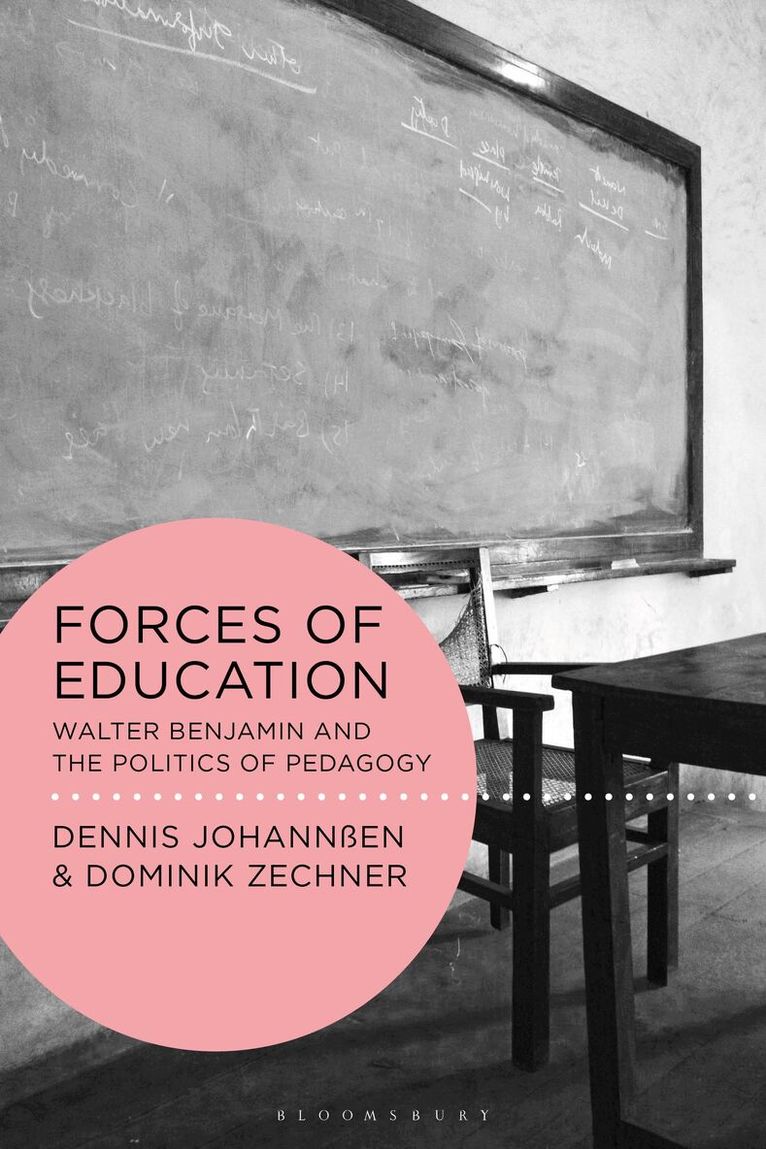
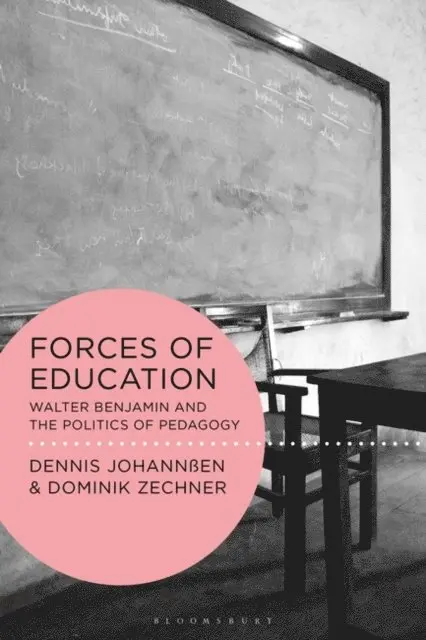
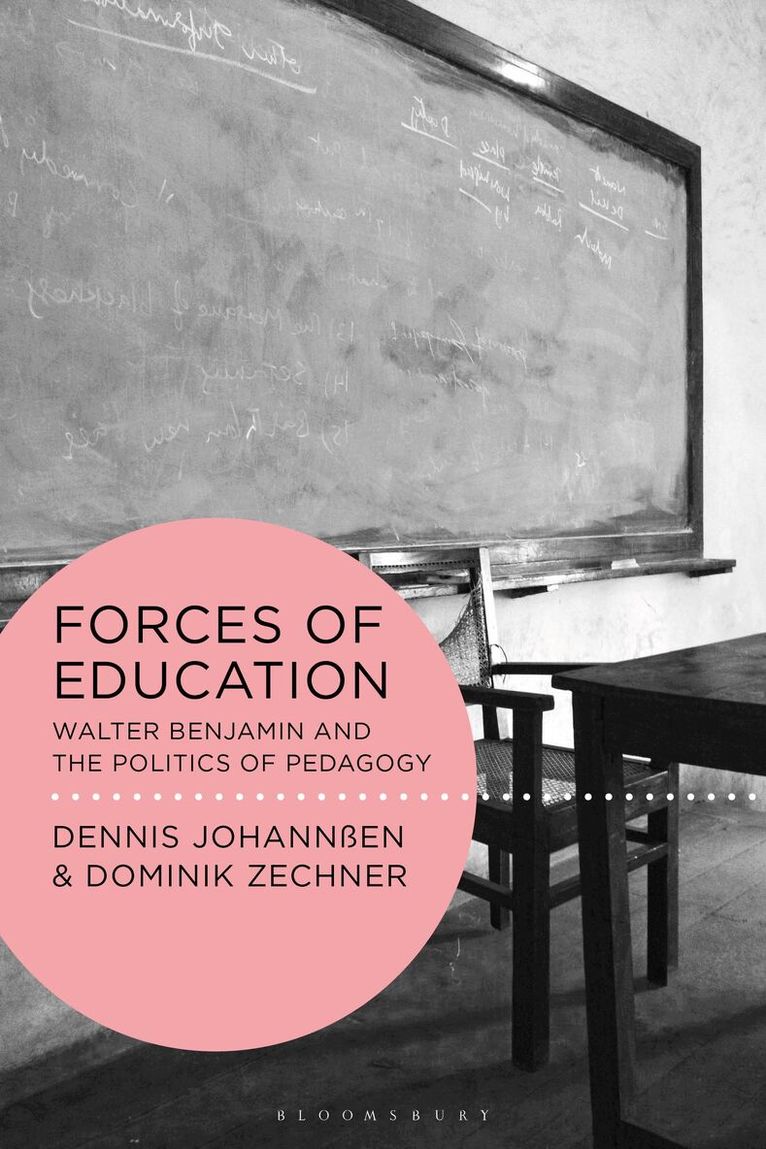
Bringing Walter Benjamin into dialogue with the urgent issues facing educational institutions today, this is the first comprehensive exploration of his philosophy of education and pedagogy. In recent years, problems concerning the practice of education have become central to the critical discourse in the humanities: from debates regarding “deplatforming” and the redefinition of free speech on campus to the digitization of learning and the ethics of mentorship. But where do we go from here? This volume argues that Walter Benjamin’s writing offers critical tools to rethink the purposes of education and the institutional forms it should assume. Reaching from his earliest writings during his involvement with the antebellum German Youth Movement to his late essays on history, theatre, and new media, the authors here explore how Benjamin argued against education as an institutional task subject to a scientific discipline. They show instead how he took his cue from language as a medium of subtle understanding to critically analyze the forms of violence inherent in the concept and history of education. For Benjamin, education was the lever to political reform. For him, the experience of youth should always be at the centre of considerations. Written by leading international scholars, Walter Benjamin and Education both contextualizes Benjamin’s pedagogy in the trajectory of his own thought and also offers an astute analysis of the value and relevance of his student-focused ideas to the institutional and political challenges of today.
408 kr
Skickas inom 10-15 vardagar
Bringing Walter Benjamin into dialogue with the urgent issues facing educational institutions today, this is the first comprehensive exploration of his philosophy of education and pedagogy. In recent years, problems concerning the practice of education have become central to the critical discourse in the humanities: from debates regarding “deplatforming” and the redefinition of free speech on campus to the digitization of learning and the ethics of mentorship. But where do we go from here? This volume argues that Walter Benjamin’s writing offers critical tools to rethink the purposes of education and the institutional forms it should assume. Reaching from his earliest writings during his involvement with the antebellum German Youth Movement to his late essays on history, theatre, and new media, the authors here explore how Benjamin argued against education as an institutional task subject to a scientific discipline. They show instead how he took his cue from language as a medium of subtle understanding to critically analyze the forms of violence inherent in the concept and history of education. For Benjamin, education was the lever to political reform. For him, the experience of youth should always be at the centre of considerations. Written by leading international scholars, Walter Benjamin and Education both contextualizes Benjamin’s pedagogy in the trajectory of his own thought and also offers an astute analysis of the value and relevance of his student-focused ideas to the institutional and political challenges of today.