Denzil Chetty – författare
Visar alla böcker från författaren Denzil Chetty. Handla med fri frakt och snabb leverans.
3 produkter
3 produkter
Inbunden, Engelska, 2026
1 009 kr
Kommande
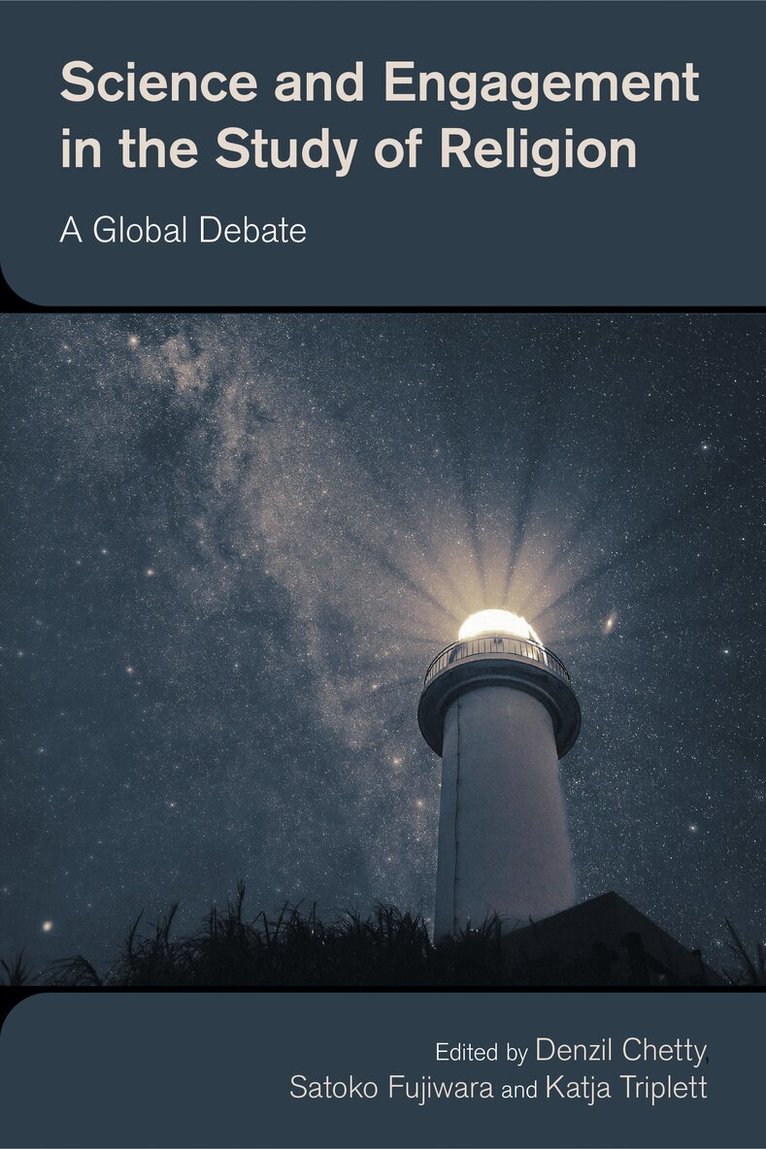
This volume emerges from the dynamic IAHR Special Conference held in Tokyo, December 2023, where scholars engaged in vigorous debate on the role of scientific objectivity in the study of religions. The debate featured two distinct perspectives: one advocating for the preservation of scientific neutrality, free from religious or political agendas, and the other promoting the integration of social relevance and addressing societal issues. This volume delves into the complexities of these discussions, exploring regional biases, the definition and articulation of “science,” and the balance between objectivity and cultural-historical perspectives. It aims to expand on the presentations and discussions from the conference, adding insights into the historical context of this debate, the role of science in the study of religions, and the need for an updated understanding of science within the IAHR.Readers are invited to contemplate the nuanced relationship between science and the study of religions, especially in a global context. This volume questions whether scholars of religion are merely reiterating past discussions without significant progress since the IAHR’s establishment, or if they are now equipped to address these issues with more sophisticated arguments and vocabularies, acknowledging the complexity of these debates. The need for such in-depth discussion among international scholars has increased in recent years, not only because of the ongoing debate on decolonization but also in light of the changing social climate, including wars and other political crises.
Häftad, Engelska, 2026
340 kr
Kommande
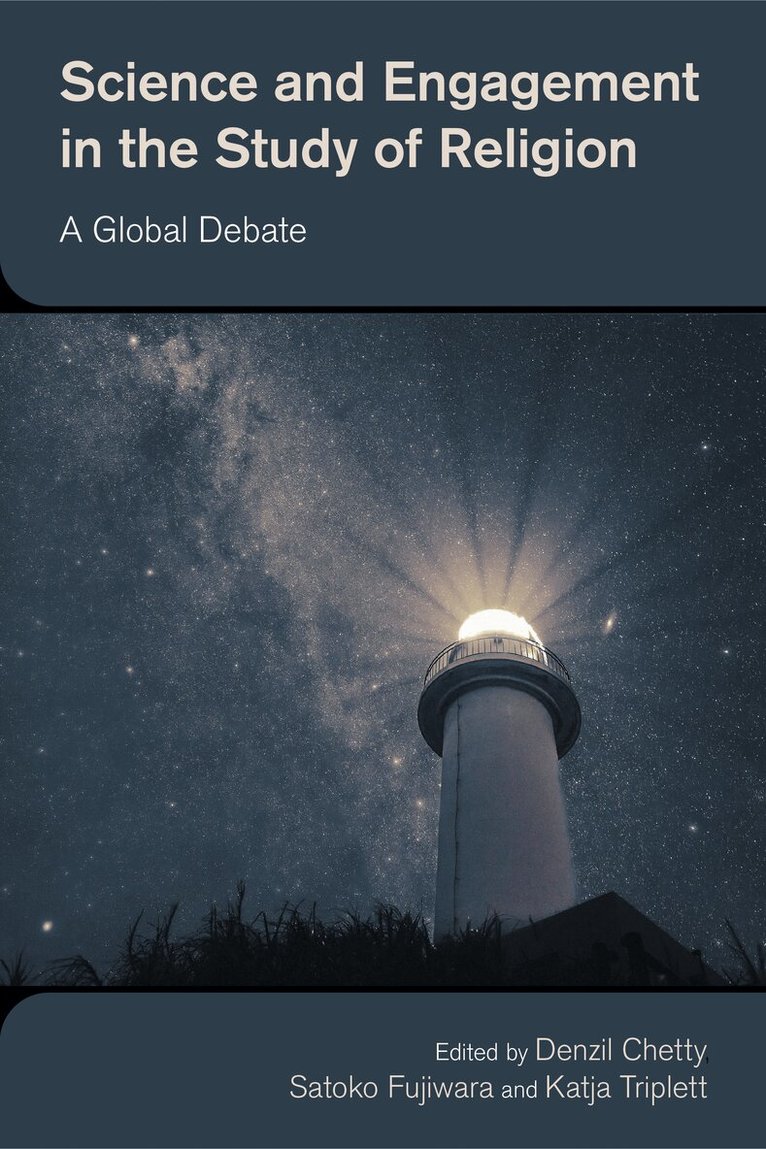
This volume emerges from the dynamic IAHR Special Conference held in Tokyo, December 2023, where scholars engaged in vigorous debate on the role of scientific objectivity in the study of religions. The debate featured two distinct perspectives: one advocating for the preservation of scientific neutrality, free from religious or political agendas, and the other promoting the integration of social relevance and addressing societal issues. This volume delves into the complexities of these discussions, exploring regional biases, the definition and articulation of “science,” and the balance between objectivity and cultural-historical perspectives. It aims to expand on the presentations and discussions from the conference, adding insights into the historical context of this debate, the role of science in the study of religions, and the need for an updated understanding of science within the IAHR.Readers are invited to contemplate the nuanced relationship between science and the study of religions, especially in a global context. This volume questions whether scholars of religion are merely reiterating past discussions without significant progress since the IAHR’s establishment, or if they are now equipped to address these issues with more sophisticated arguments and vocabularies, acknowledging the complexity of these debates. The need for such in-depth discussion among international scholars has increased in recent years, not only because of the ongoing debate on decolonization but also in light of the changing social climate, including wars and other political crises.
E-bok
Engelska, 20114 294 kr
Läs direkt efter köp
Manu is considered a law giver in the Hindu tradition. Manusmriti is one of the 18 Smriti s. It is important to note that laws given by Manu, in Manu Smriti although followed in some form even today, are not considered divine, and may be modified by the society to keep up with the times. indeed, it has been speculated that in its current form, Manu Smriti represents laws that have been added or modified throughout the history. Manusmriti is the most important and earliest metrical work of the Dharmashastra textual tradition of Hinduism. Generally known in English as the Laws of Manu, it was first translated into English in 1794 by Sir William Jones, an English Orientalist and judge of the British Supreme Court of Judicature in Calcutta. The text presents itself as a discourse given by Manu, the progenitor of mankind to a group of seers, or rishis, who beseech him to tell them the "law of all the social classes". Manu became the standard point of reference for all future Dharmashastras that followed it. According to Hindu tradition, the Manusmriti records the words of Brahma. The presentation is based on Manusmriti itself. The book provides a detailed note on Manusmriti. Content: introduction; Manusmriti the Laws of Manu; Ambedkar''s Criticism of Manusmriti.