Derek C. Maus - Böcker
Visar alla böcker från författaren Derek C. Maus. Handla med fri frakt och snabb leverans.
11 produkter
11 produkter
354 kr
Tillfälligt slut
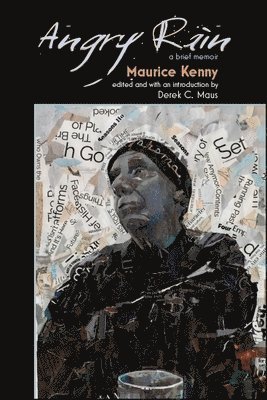
Reveals the development of Maurice Kenny's growing artistic consciousness, while attesting to both the beauty and brutality of the world in which he lived.Maurice Kenny's career as a writer, teacher, publisher, and storyteller spanned more than six decades, during which he published over thirty books and became one of the most prominent voices in American poetry. From the early 1970s onward, he was instrumental in the resurgence of Native American literature through both his celebrated volumes of poetry, such as I Am the Sun and the award-winning The Mama Poems, and his work as an editor and publisher.Angry Rain, his bittersweet memoir, reveals this rich literary life by recounting its tumultuous "first half…plus a bit," a time during which he moved through a series of worlds that all left their marks on him. Kenny begins with his early years spent among his family in the small northern New York city of Watertown and continues through an adolescence marked by both significant awakenings and grievous traumas. Determined, Kenny sets out to seek his fortunes and find his poetic voice, landing in the Jim Crow-era South, in St. Louis, in Indiana, and finally in New York City, where he becomes part of a motley creative group of performers and poets that offers both fascinating inspiration and disheartening rejection. These recollections end with Kenny's maturation into a poet whose reaffirmed indigenous heritage unified an artistic vision that remained in conversation with a wide range of other themes and traditions until his death in 2016.
421 kr
Skickas inom 10-15 vardagar
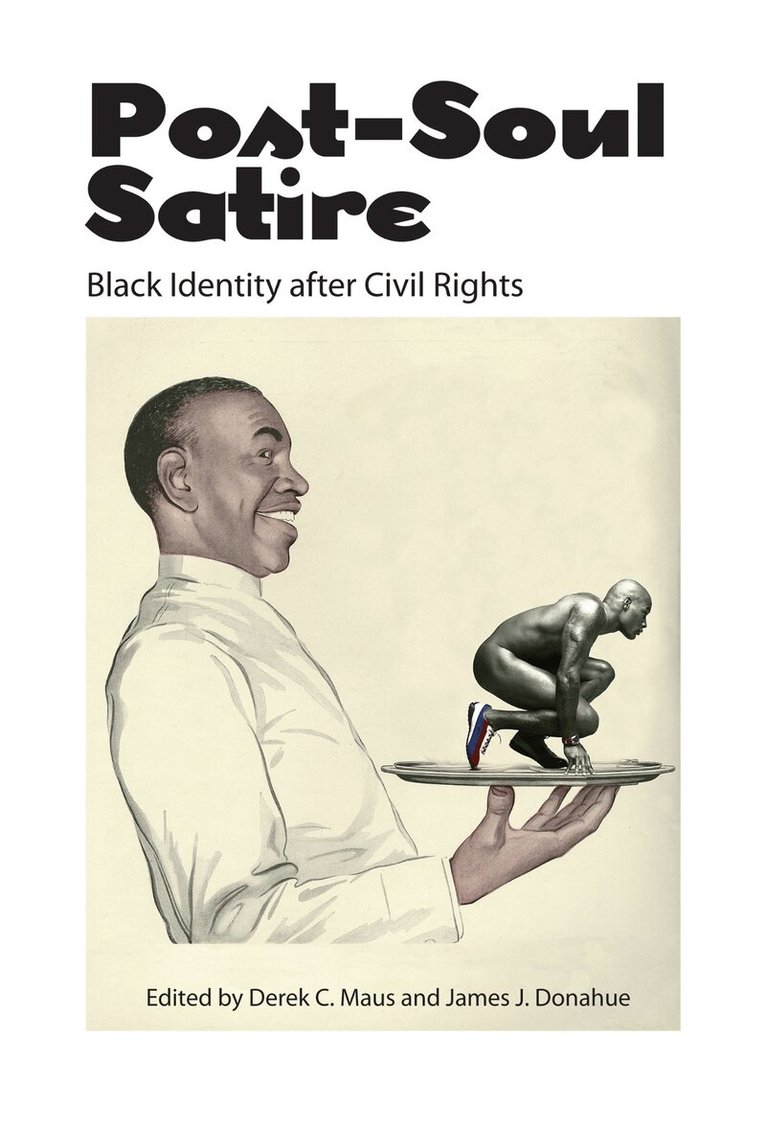
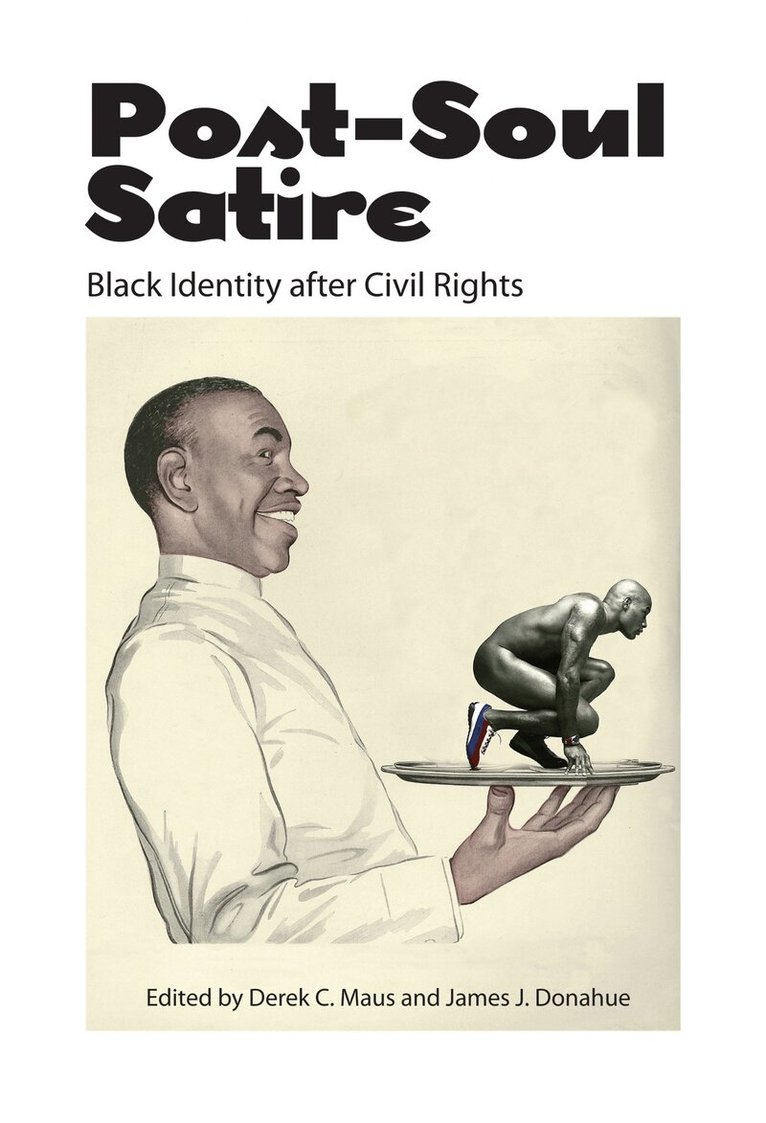
From 30 Americans to Angry White Boy, from Bamboozled to The Boondocks, from Chappelle's Show to The Colored Museum, this collection of twenty-one essays takes an interdisciplinary look at the flowering of satire and its influence in defining new roles in black identity. As a mode of expression for a generation of writers, comedians, cartoonists, musicians, filmmakers, and visual/conceptual artists, satire enables collective questioning of many of the fundamental presumptions about black identity in the wake of the civil rights movement. Whether taking place in popular and controversial television shows, in a provocative series of short internet films, in prize-winning novels and plays, in comic strips, or in conceptual hip-hop albums, this satirical impulse has found a receptive audience both within and outside the black community.Such works have been variously called ""post-black,"" ""post-soul,"" and examples of a ""New Black Aesthetic."" Whatever the label, this collection bears witness to a noteworthy shift regarding the ways in which African American satirists feel constrained by conventional obligations when treating issues of racial identity, historical memory, and material representation of blackness.Among the artists examined in this collection are Paul Beatty, Dave Chappelle, Trey Ellis, Percival Everett, Donald Glover (a.k.a. Childish Gambino), Spike Lee, Aaron McGruder, Lynn Nottage, ZZ Packer, Suzan Lori-Parks, Mickalene Thomas, Touré, Kara Walker, and George C. Wolfe. The essays intentionally seek out interconnections among various forms of artistic expression. Contributors look at the ways in which contemporary African American satire engages in a broad ranging critique that exposes fraudulent, outdated, absurd, or otherwise damaging mindsets and behaviors both within and outside the African American community.
355 kr
Skickas inom 7-10 vardagar
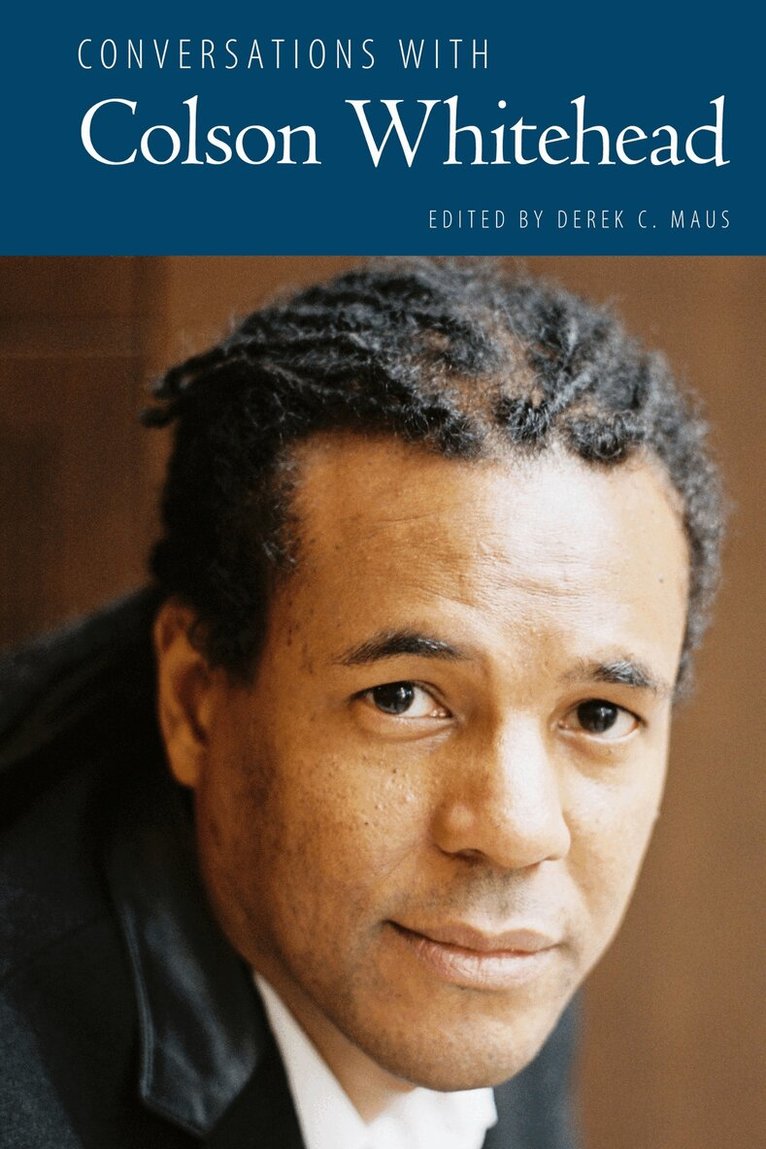
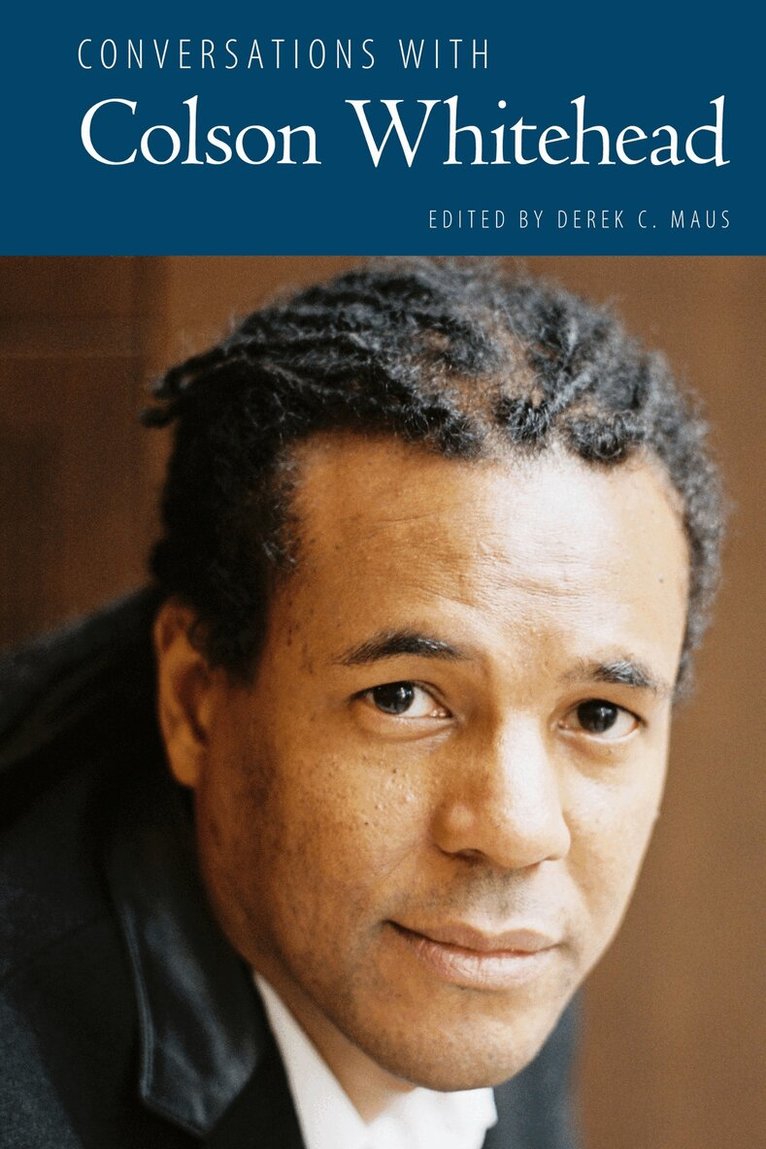
Since the publication of his first novel, The Intuitionist, in 1999, Colson Whitehead (b. 1969) has been considered an important new voice in American literature. His seven subsequent books have done little to contradict that initial assessment, especially after 2016's The Underground Railroad spent numerous weeks at the top of bestseller lists and won numerous major literary awards, including the Pulitzer Prize.Ranging from 2001 to 2016, the twenty-three interviews collected in Conversations with Colson Whitehead reveal the workings of one of America's most idiosyncratic and most successful literary minds. Through these interviews, it is clear that none of this well-earned praise has gone to his head. If anything, he still seems inclined to present himself as an awkward misfit who writes about such offbeat subject matter as rival groups of elevator inspectors, the insufficiency of off-brand “flesh-colored” bandages, or a literalized alternate version of the Underground Railroad.Whitehead speaks at length about matters related to his craft, including his varied literary and nonliterary influences, the particular methods of researching and writing that have proved valuable to telling his stories, and the ways in which he has managed the rollercoaster life of a professional writer. He also opens up about popular culture, particularly the unconventional blend of music, genre-fiction, B movies, and comic books that he gleefully identifies as a passion that has persisted for him since his childhood.
1 355 kr
Skickas inom 10-15 vardagar
Since the publication of his first novel, The Intuitionist, in 1999, Colson Whitehead (b. 1969) has been considered an important new voice in American literature. His seven subsequent books have done little to contradict that initial assessment, especially after 2016's The Underground Railroad spent numerous weeks at the top of bestseller lists and won numerous major literary awards, including the Pulitzer Prize.Ranging from 2001 to 2016, the twenty-three interviews collected in Conversations with Colson Whitehead reveal the workings of one of America's most idiosyncratic and most successful literary minds. Through these interviews, it is clear that none of this well-earned praise has gone to his head. If anything, he still seems inclined to present himself as an awkward misfit who writes about such offbeat subject matter as rival groups of elevator inspectors, the insufficiency of off-brand “flesh-colored” bandages, or a literalized alternate version of the Underground Railroad.Whitehead speaks at length about matters related to his craft, including his varied literary and nonliterary influences, the particular methods of researching and writing that have proved valuable to telling his stories, and the ways in which he has managed the rollercoaster life of a professional writer. He also opens up about popular culture, particularly the unconventional blend of music, genre-fiction, B movies, and comic books that he gleefully identifies as a passion that has persisted for him since his childhood.
1 196 kr
Skickas inom 7-10 vardagar
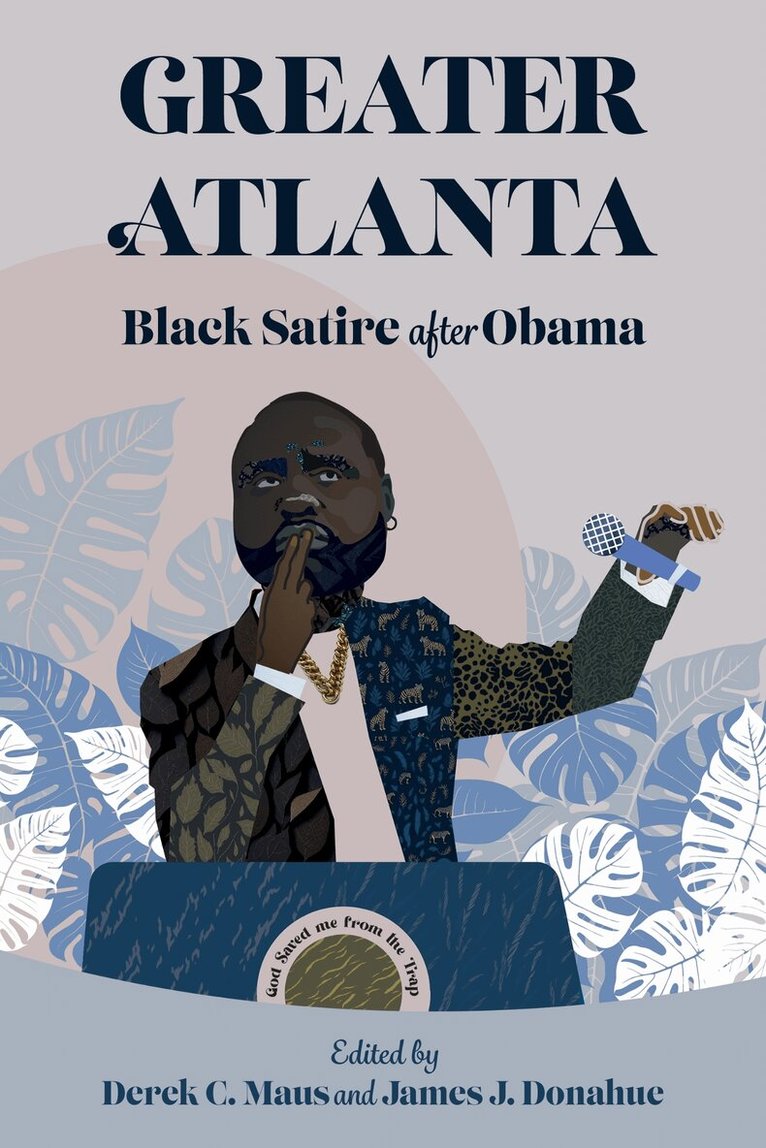
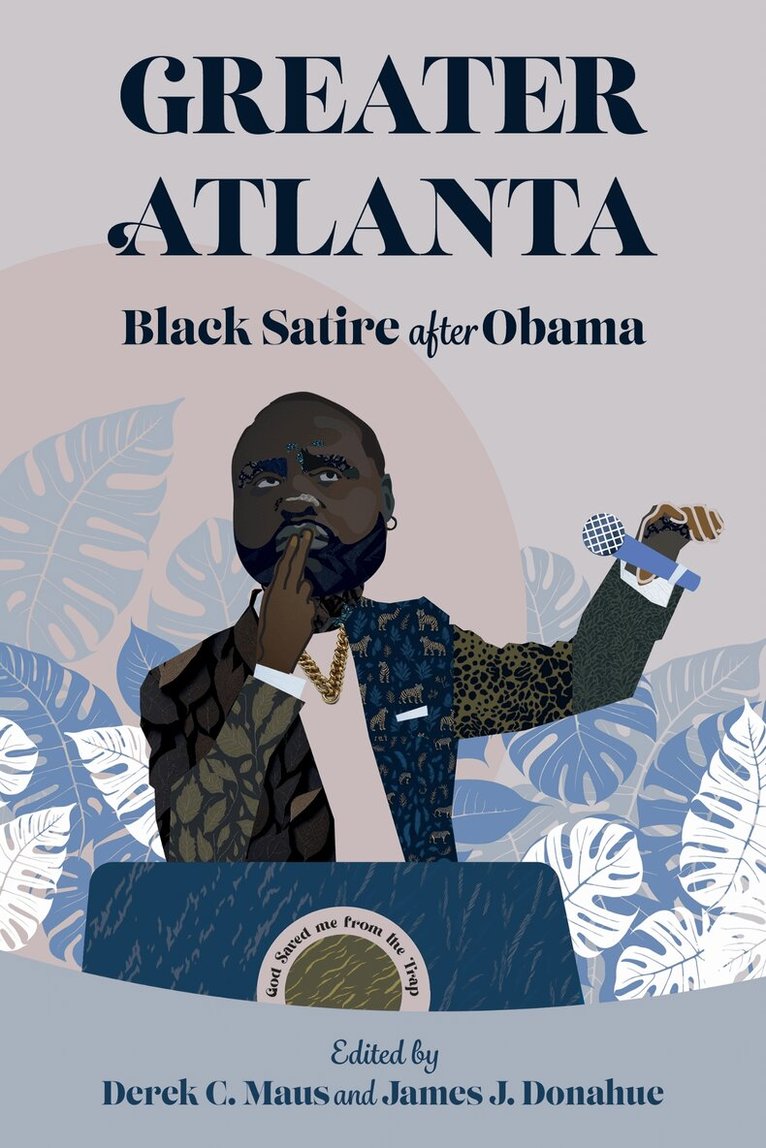
Contributions by GerShun Avilez, Lola Boorman, Thomas Britt, John Brooks, Phillip James Martinez Cortes, Derek DiMatteo, Tikenya Foster-Singletary, Alexandra Glavanakova, Erica-Brittany Horhn, Matthias Klestil, Abigail Jinju Lee, Derek C. Maus, Danielle Fuentes Morgan, Derek Conrad Murray, Kinohi Nishikawa, Sarah O'Brien, Keyana Parks, and Emily Ruth RutterThe seventeen essays in Greater Atlanta: Black Satire after Obama collectively argue that in the years after the widespread hopefulness surrounding Barack Obama’s election as president waned, Black satire began to reveal a profound shift in US culture. Using the four seasons of the FX television show Atlanta (2016–22) as a springboard, the collection examines more than a dozen novels, films, and television shows that together reveal the ways in which Black satire has developed in response to contemporary cultural dynamics. Contributors reveal increased scorn toward self-proclaimed allies in the existential struggle still facing African Americans today.Having started its production within a few weeks of Donald Trump’s (in)famous escalator ride in 2015, Atlanta in many ways is the perfect commentary on the absurdities of the contemporary cultural moment. The series exemplifies a significant development in contemporary Black satire, which largely eschews expectations of reform and instead offers an exasperated self-affirmation that echoes the declaration that Black Lives Matter.Given anti-Black racism’s lengthy history, overt stimuli for outrage have predictably commanded African American satirists’ attention through the years. However, more recent works emphasize the willful ignorance underlying that history. As the volume shows, this has led to the exposure of performative allyship, virtue signaling, slacktivism, and other duplicitous forms of purported support as empty, oblivious gestures that ultimately harm African Americans as grievously as unconcealed bigotry.
318 kr
Skickas inom 7-10 vardagar
Contributions by GerShun Avilez, Lola Boorman, Thomas Britt, John Brooks, Phillip James Martinez Cortes, Derek DiMatteo, Tikenya Foster-Singletary, Alexandra Glavanakova, Erica-Brittany Horhn, Matthias Klestil, Abigail Jinju Lee, Derek C. Maus, Danielle Fuentes Morgan, Derek Conrad Murray, Kinohi Nishikawa, Sarah O'Brien, Keyana Parks, and Emily Ruth RutterThe seventeen essays in Greater Atlanta: Black Satire after Obama collectively argue that in the years after the widespread hopefulness surrounding Barack Obama’s election as president waned, Black satire began to reveal a profound shift in US culture. Using the four seasons of the FX television show Atlanta (2016–22) as a springboard, the collection examines more than a dozen novels, films, and television shows that together reveal the ways in which Black satire has developed in response to contemporary cultural dynamics. Contributors reveal increased scorn toward self-proclaimed allies in the existential struggle still facing African Americans today.Having started its production within a few weeks of Donald Trump’s (in)famous escalator ride in 2015, Atlanta in many ways is the perfect commentary on the absurdities of the contemporary cultural moment. The series exemplifies a significant development in contemporary Black satire, which largely eschews expectations of reform and instead offers an exasperated self-affirmation that echoes the declaration that Black Lives Matter.Given anti-Black racism’s lengthy history, overt stimuli for outrage have predictably commanded African American satirists’ attention through the years. However, more recent works emphasize the willful ignorance underlying that history. As the volume shows, this has led to the exposure of performative allyship, virtue signaling, slacktivism, and other duplicitous forms of purported support as empty, oblivious gestures that ultimately harm African Americans as grievously as unconcealed bigotry.
559 kr
Skickas inom 10-15 vardagar
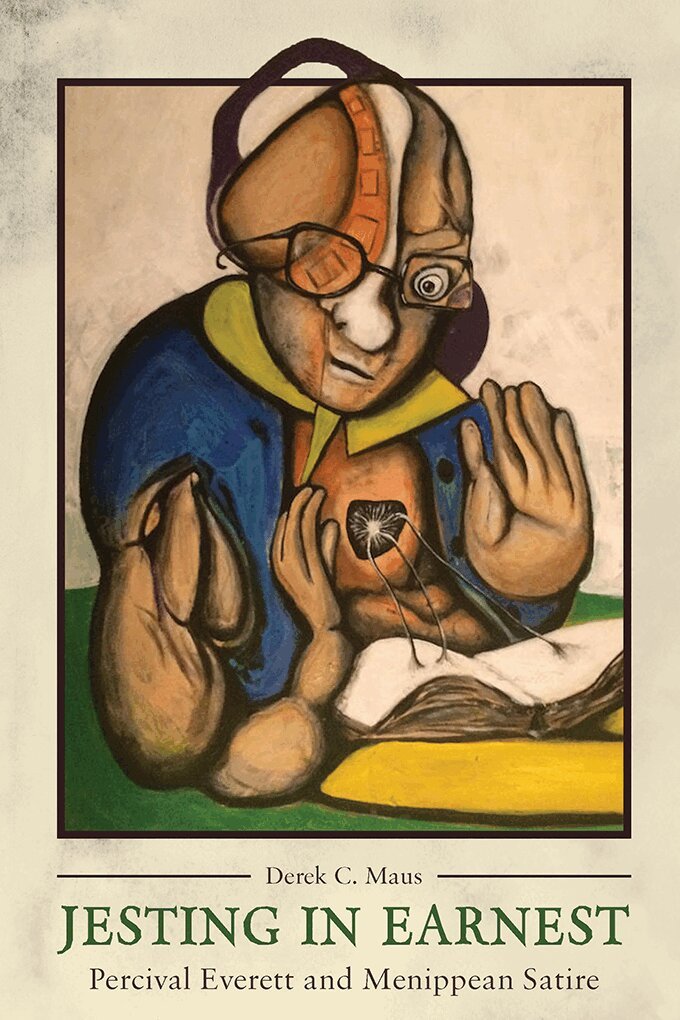
Percival Everett, a distinguished professor of English at the University of Southern California, is the author of more than thirty books on a wide variety of subjects and genres. Among his many honors are the American Academy of Arts and Letters Literature Award, the Huston/Wright Legacy Award for Fiction, the PEN Center USA Literary Award for Fiction, and the Dos Passos Prize in Literature.Derek C. Maus proposes that the best way to analyze Everett's varied oeuvre is within the framework of Menippean satire, which focuses its ridicule on faulty modes of thinking, especially the kinds of willful ignorance and bad faith that are used to justify corruption, violence, and bigotry. In Jesting in Earnest, Maus critically examines fourteen of Everett's novels and several of his shorter works through the lens of Menippean satire, concentrating on the manner in which it supports Everett's broader aim of stimulating thoughtful interpretation that is unfettered by common assumptions and preconceived notions.
421 kr
Skickas inom 10-15 vardagar
Essays by Owen E. Brady, Kelly C. Connelly, Juan F. Elices, Keith Hughes, Derek C. Maus, Jerrilyn McGregory, Laura Quinn, Francesca Canad Sautman, Daniel Stein, Lisa B. Thompson, Terrence Tucker, and Albert U. Turner, Jr. In Finding a Way Home, thirteen essays by scholars from four countries trace Walter Mosley's distinctive approach to representing African American responses to the feeling of homelessness in an inhospitable America. Mosley (b. 1952) writes frequently of characters trying to construct an idea of home and wrest a sense of dignity, belonging, and hope from cultural and communal resources. These essays examine Mosley's queries about the meaning of ""home"" in various social and historical contexts. Essayists consider the concept--whether it be material, social, cultural, or virtual--in all three of Mosley's detective/crime fiction series (Easy Rawlins, Socrates Fortlow, and Fearless Jones), his three books of speculative fiction, two of his ""literary"" novels (RL's Dream, The Man in My Basement), and in his recent social and political nonfiction. Essays here explore Mosley's modes of expression, his testing of the limitations of genre, his political engagement in prose, his utopian/dystopian analyses, and his uses of parody and vernacular culture. Finding a Way Home provides rich discussions, explaining the development of Mosley's work.
1 355 kr
Skickas inom 10-15 vardagar
From 30 Americans to Angry White Boy, from Bamboozled to The Boondocks, from Chappelle's Show to The Colored Museum, this collection of twenty-one essays takes an interdisciplinary look at the flowering of satire and its influence in defining new roles in black identity. As a mode of expression for a generation of writers, comedians, cartoonists, musicians, filmmakers, and visual/conceptual artists, satire enables collective questioning of many of the fundamental presumptions about black identity in the wake of the civil rights movement. Whether taking place in popular and controversial television shows, in a provocative series of short internet films, in prize-winning novels and plays, in comic strips, or in conceptual hip hop albums, this satirical impulse has found a receptive audience both within and outside the black community. Such works have been variously called ""post-black,"" ""post-soul,"" and examples of a ""New Black Aesthetic."" Whatever the label, this collection bears witness to a noteworthy shift regarding the ways in which African American satirists feel constrained by conventional obligations when treating issues of racial identity, historical memory, and material representation of blackness. Among the artists examined in this collection are Paul Beatty, Dave Chappelle, Trey Ellis, Percival Everett, Donald Glover (a.k.a. Childish Gambino), Spike Lee, Aaron McGruder, Lynn Nottage, ZZ Packer, Suzan Lori-Parks, Mickalene Thomas, Touré, Kara Walker, and George C. Wolfe. The essays intentionally seek out interconnections among various forms of artistic expression. Contributors look at the ways in which contemporary African American satire engages in a broad ranging critique that exposes fraudulent, outdated, absurd, or otherwise damaging mindsets and behaviors both within and outside the African American community.
1 442 kr
Skickas inom 11-20 vardagar
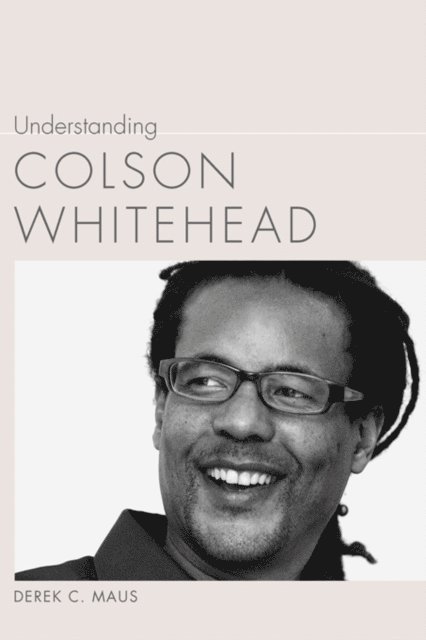
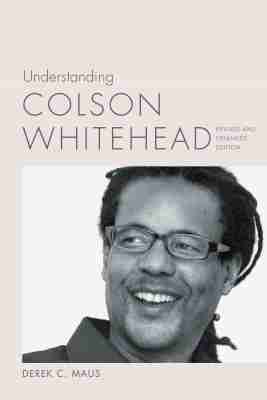
In 2020 Colson Whitehead became the youngest recipient of the Library of Congress Prize for American Fiction. Although Whitehead's widely divergent books complicate overarching categorization, Derek C. Maus argues that they are linked by their skepticism toward the ostensible wisdom inherited from past generations and the various forms of "stories" that transmit it. Whitehead, best known for his Pulitzer Prize winning novel The Underground Railroad, bids readers to accompany him on challenging, often open-ended literary excursions designed to reexamine and frequently defy accepted notions of truth.Understanding Colson Whitehead unravels the parallel structures found within Whitehead's books from his 1999 debut The Intuitionist through 2019's The Nickel Boys, for which he won his second Pulitzer Prize for Fiction. By first imitating and then violating their conventions, Whitehead attempts to transcend the limits of the formulas of the genres in which he seems to write. Whitehead similarly tests subject matter, again imitating and then satirizing various forms of conventional wisdom as a means of calling out unexamined, ignored, or malevolent aspects of American culture.Although it is only one of many subjects that Whitehead addresses, race is often central to his work. It serves as a prime example of Whitehead's attempt to prompt his readers into revisiting their assumptions about meanings and values. By upending the literary formulas of the detective novel, the heroic folktale, the coming-of-age story, the zombie apocalypse, the slave narrative, and historical fiction, Whitehead reveals the flaws and shortcomings by which Americans have defined themselves. In addition to evoking such explicitly literary storytelling traditions, Whitehead also directs attention toward other interrelated historical and cultural processes that influence how race, class, gender, education, social status, and other categories of identity determine what an individual supposedly can and cannot do.
264 kr
Skickas inom 7-10 vardagar
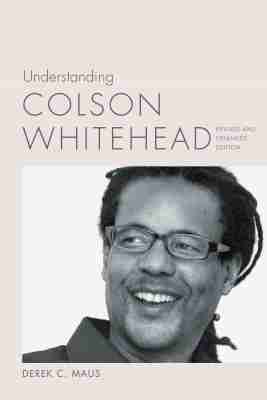
In 2020 Colson Whitehead became the youngest recipient of the Library of Congress Prize for American Fiction. Although Whitehead's widely divergent books complicate overarching categorization, Derek C. Maus argues that they are linked by their skepticism toward the ostensible wisdom inherited from past generations and the various forms of "stories" that transmit it. Whitehead, best known for his Pulitzer Prize winning novel The Underground Railroad, bids readers to accompany him on challenging, often open-ended literary excursions designed to reexamine and frequently defy accepted notions of truth.Understanding Colson Whitehead unravels the parallel structures found within Whitehead's books from his 1999 debut The Intuitionist through 2019's The Nickel Boys, for which he won his second Pulitzer Prize for Fiction. By first imitating and then violating their conventions, Whitehead attempts to transcend the limits of the formulas of the genres in which he seems to write. Whitehead similarly tests subject matter, again imitating and then satirizing various forms of conventional wisdom as a means of calling out unexamined, ignored, or malevolent aspects of American culture.Although it is only one of many subjects that Whitehead addresses, race is often central to his work. It serves as a prime example of Whitehead's attempt to prompt his readers into revisiting their assumptions about meanings and values. By upending the literary formulas of the detective novel, the heroic folktale, the coming-of-age story, the zombie apocalypse, the slave narrative, and historical fiction, Whitehead reveals the flaws and shortcomings by which Americans have defined themselves. In addition to evoking such explicitly literary storytelling traditions, Whitehead also directs attention toward other interrelated historical and cultural processes that influence how race, class, gender, education, social status, and other categories of identity determine what an individual supposedly can and cannot do.