James J. Donahue - Böcker
Visar alla böcker från författaren James J. Donahue. Handla med fri frakt och snabb leverans.
9 produkter
9 produkter
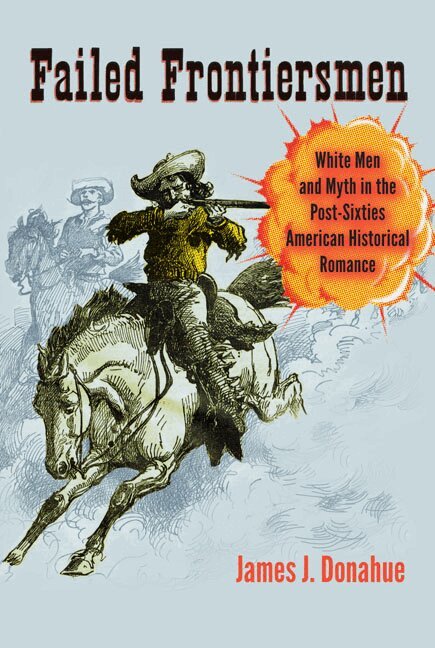
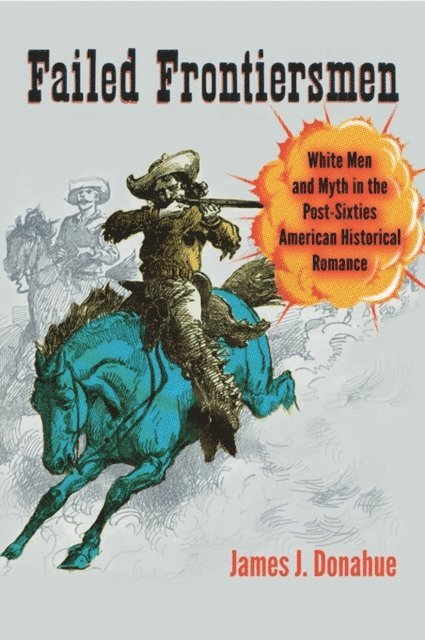
Failed Frontiersmen
White Men and Myth in the Post-Sixties American Historical Romance
Inbunden, Engelska, 2015
838 kr
Skickas inom 7-10 vardagar
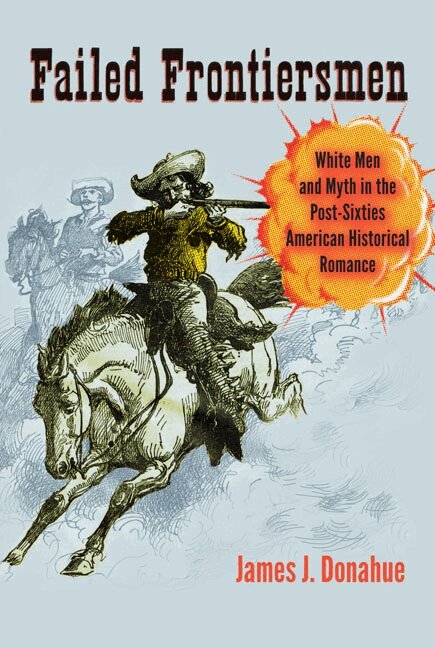
In Failed Frontiersmen, James Donahue writes that one of the founding and most persistent mythologies of the United States is that of the American frontier. Looking at a selection of twentieth-century American male fiction writers—E. L. Doctorow, John Barth, Thomas Pynchon, Ishmael Reed, Gerald Vizenor, and Cormac McCarthy—he shows how they reevaluated the historical romance of frontier mythology in response to the social and political movements of the 1960s (particularly regarding the Vietnam War, civil rights, and the treatment of Native Americans). Although these writers focus on different moments in American history and different geographic locations, the author reveals their commonly held belief that the frontier mythology failed to deliver on its promises of cultural stability and political advancement, especially in the face of the multicultural crucible of the 1960s.
1 980 kr
Skickas inom 5-8 vardagar
737 kr
Skickas inom 5-8 vardagar
421 kr
Skickas inom 10-15 vardagar
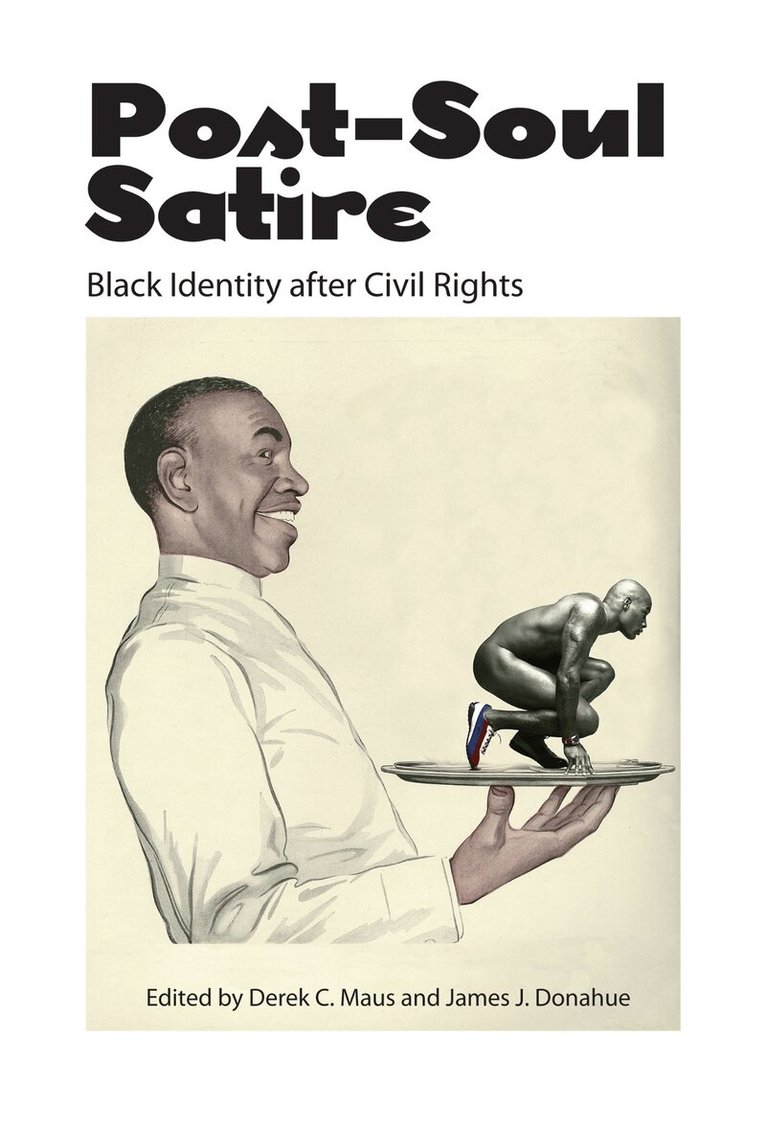
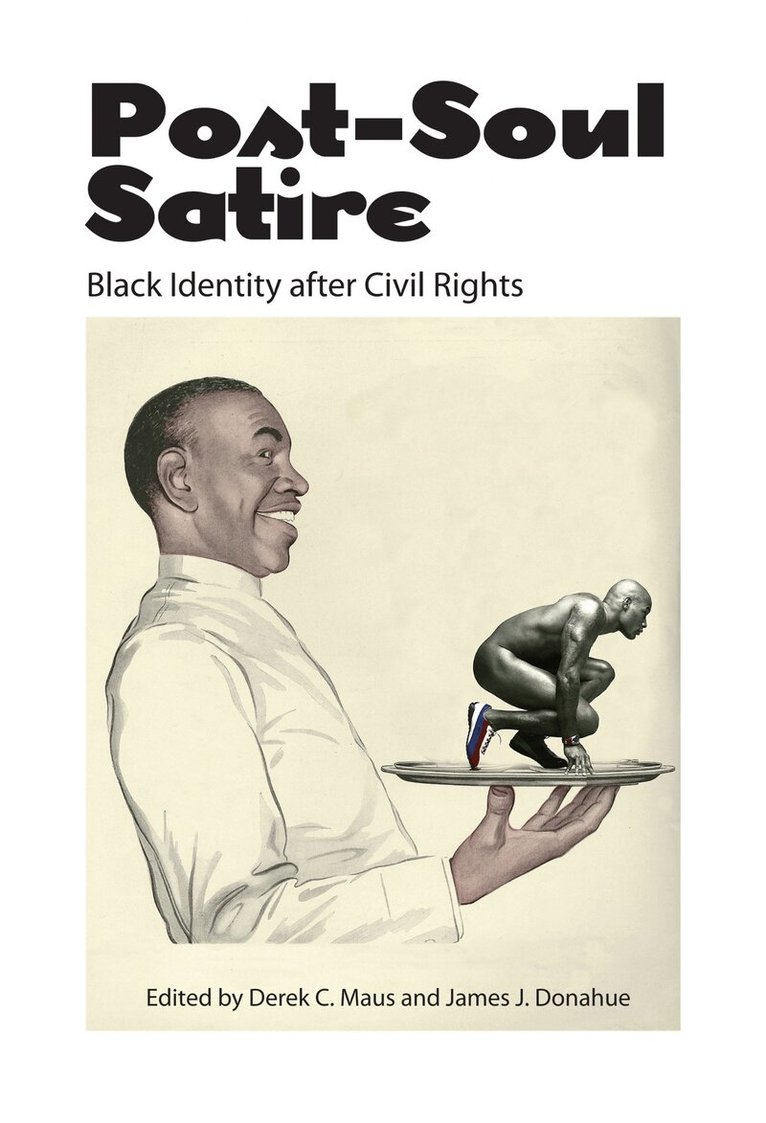
From 30 Americans to Angry White Boy, from Bamboozled to The Boondocks, from Chappelle's Show to The Colored Museum, this collection of twenty-one essays takes an interdisciplinary look at the flowering of satire and its influence in defining new roles in black identity. As a mode of expression for a generation of writers, comedians, cartoonists, musicians, filmmakers, and visual/conceptual artists, satire enables collective questioning of many of the fundamental presumptions about black identity in the wake of the civil rights movement. Whether taking place in popular and controversial television shows, in a provocative series of short internet films, in prize-winning novels and plays, in comic strips, or in conceptual hip-hop albums, this satirical impulse has found a receptive audience both within and outside the black community.Such works have been variously called ""post-black,"" ""post-soul,"" and examples of a ""New Black Aesthetic."" Whatever the label, this collection bears witness to a noteworthy shift regarding the ways in which African American satirists feel constrained by conventional obligations when treating issues of racial identity, historical memory, and material representation of blackness.Among the artists examined in this collection are Paul Beatty, Dave Chappelle, Trey Ellis, Percival Everett, Donald Glover (a.k.a. Childish Gambino), Spike Lee, Aaron McGruder, Lynn Nottage, ZZ Packer, Suzan Lori-Parks, Mickalene Thomas, Touré, Kara Walker, and George C. Wolfe. The essays intentionally seek out interconnections among various forms of artistic expression. Contributors look at the ways in which contemporary African American satire engages in a broad ranging critique that exposes fraudulent, outdated, absurd, or otherwise damaging mindsets and behaviors both within and outside the African American community.
1 200 kr
Skickas inom 7-10 vardagar
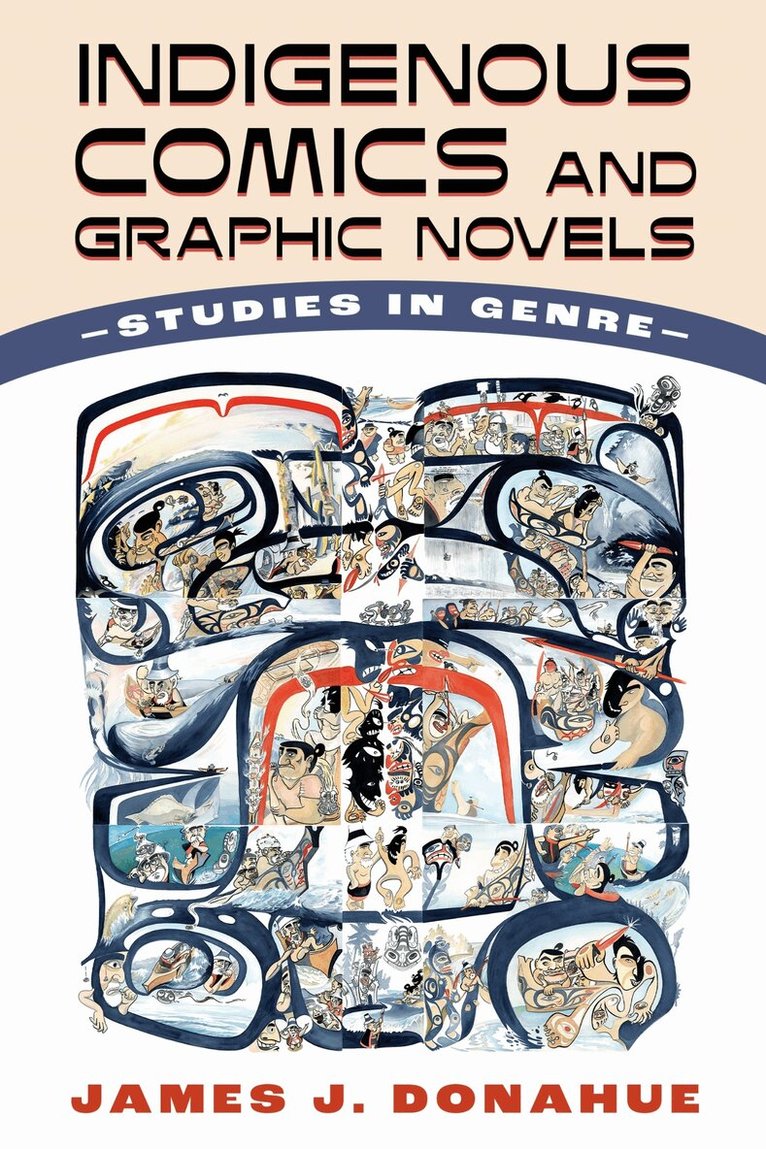
In recent years, studios like Marvel and DC have seen enormous success transforming comics into major motion pictures. At the same time, bookstores such as Barnes & Noble in the US and Indigo in Canada have made more room for comic books and graphic novels on their shelves. Yet despite the sustained popular appeal and the heightened availability of these media, Indigenous artists continue to find their work given little attention by mainstream publishers, booksellers, production houses, and academics. Nevertheless, Indigenous artists are increasingly turning to graphic narratives, with publishers like Native Realities LLC and Highwater Press carving out ever more space for Indigenous creators.In Indigenous Comics and Graphic Novels: Studies in Genre, James J. Donahue aims to interrogate and unravel the disparities of representation in the fields of comics studies and comics publishing. Donahue documents and analyzes the works of several Indigenous artists, including Theo Tso, Todd Houseman, and Arigon Starr. Through topically arranged chapters, the author explores a wide array of content produced by Indigenous creators, from superhero and science fiction comics to graphic novels and experimental narratives. While noting the importance of examining how Indigenous works are analyzed, Donahue emphasizes that the creation of artistic and critical spaces for Indigenous comics and graphic novels should be an essential concern for the comics studies field.
295 kr
Skickas inom 7-10 vardagar
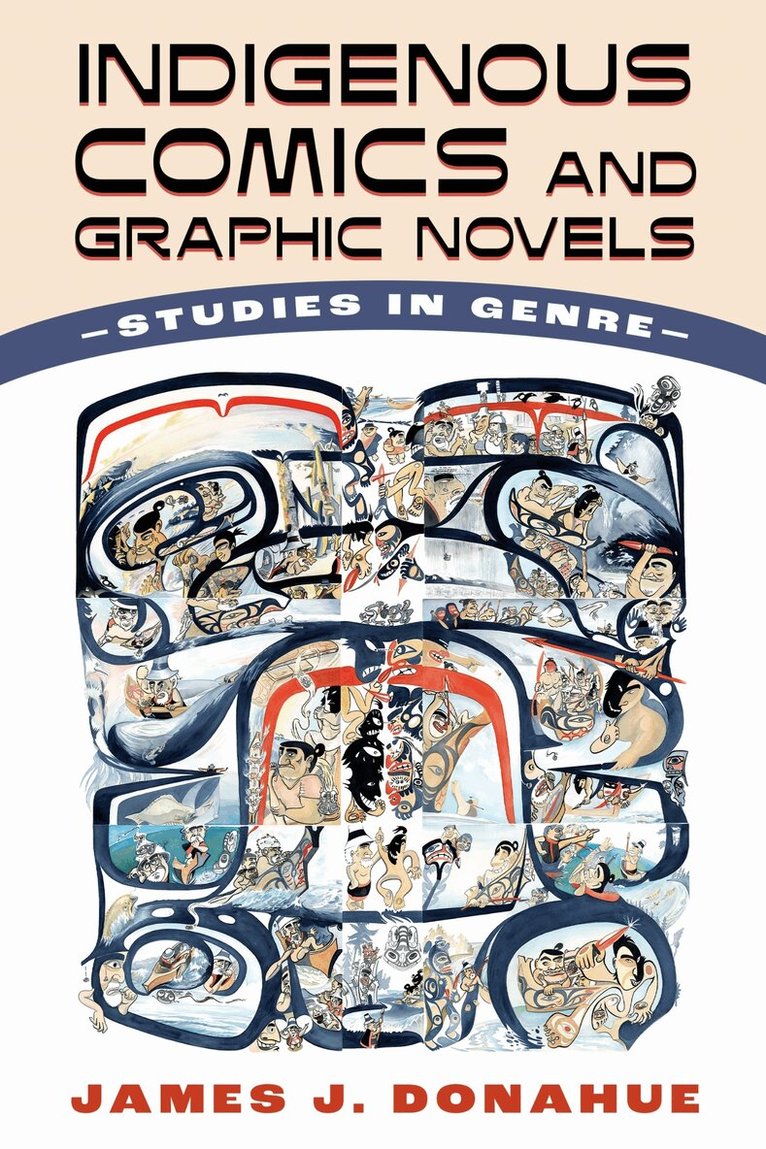
In recent years, studios like Marvel and DC have seen enormous success transforming comics into major motion pictures. At the same time, bookstores such as Barnes & Noble in the US and Indigo in Canada have made more room for comic books and graphic novels on their shelves. Yet despite the sustained popular appeal and the heightened availability of these media, Indigenous artists continue to find their work given little attention by mainstream publishers, booksellers, production houses, and academics. Nevertheless, Indigenous artists are increasingly turning to graphic narratives, with publishers like Native Realities LLC and Highwater Press carving out ever more space for Indigenous creators.In Indigenous Comics and Graphic Novels: Studies in Genre, James J. Donahue aims to interrogate and unravel the disparities of representation in the fields of comics studies and comics publishing. Donahue documents and analyzes the works of several Indigenous artists, including Theo Tso, Todd Houseman, and Arigon Starr. Through topically arranged chapters, the author explores a wide array of content produced by Indigenous creators, from superhero and science fiction comics to graphic novels and experimental narratives. While noting the importance of examining how Indigenous works are analyzed, Donahue emphasizes that the creation of artistic and critical spaces for Indigenous comics and graphic novels should be an essential concern for the comics studies field.
1 196 kr
Skickas inom 7-10 vardagar
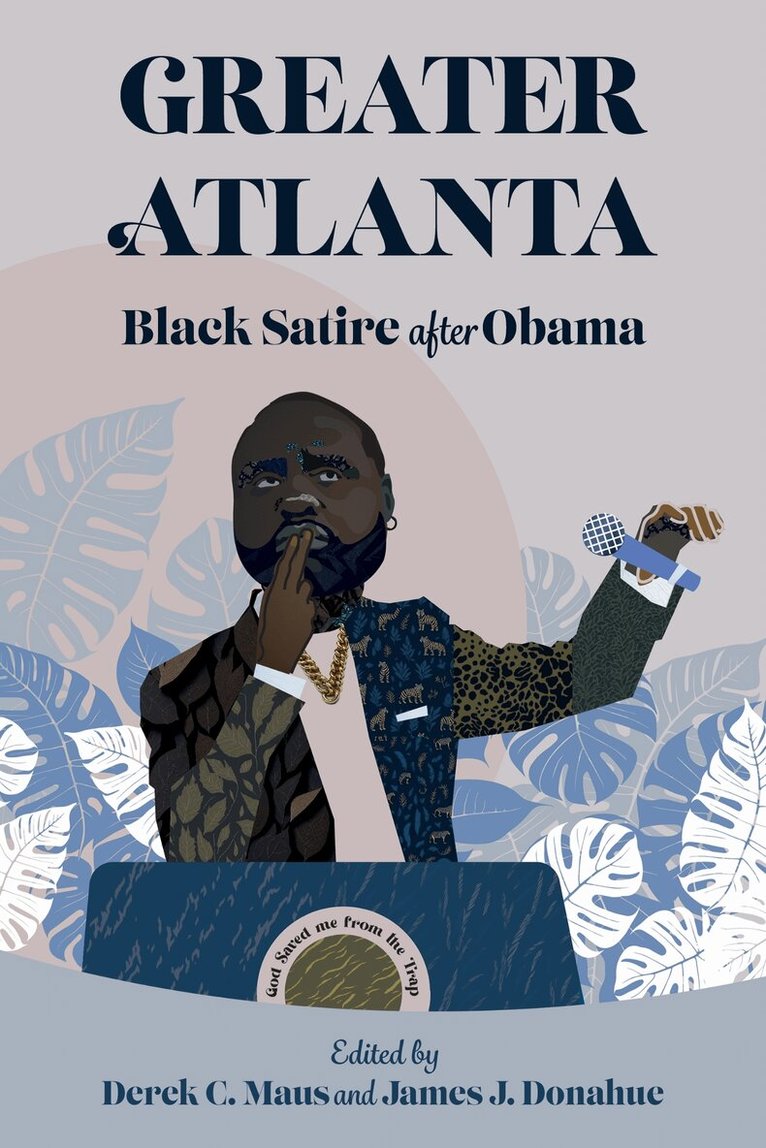
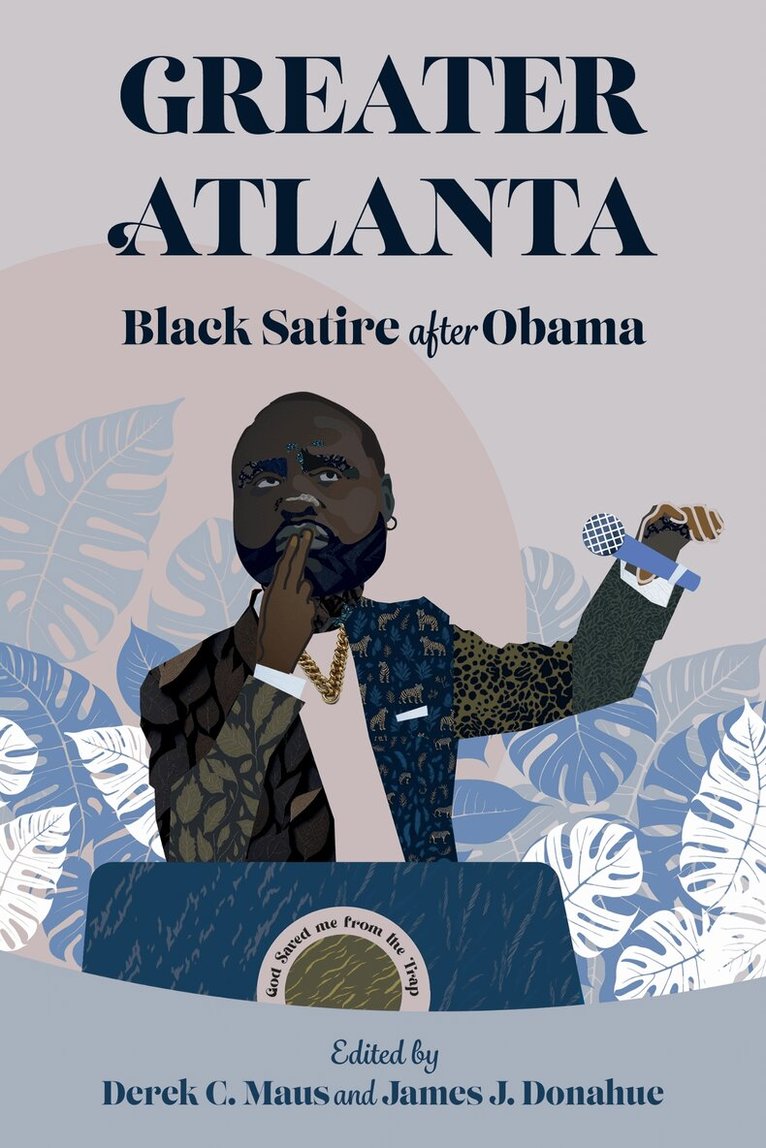
Contributions by GerShun Avilez, Lola Boorman, Thomas Britt, John Brooks, Phillip James Martinez Cortes, Derek DiMatteo, Tikenya Foster-Singletary, Alexandra Glavanakova, Erica-Brittany Horhn, Matthias Klestil, Abigail Jinju Lee, Derek C. Maus, Danielle Fuentes Morgan, Derek Conrad Murray, Kinohi Nishikawa, Sarah O'Brien, Keyana Parks, and Emily Ruth RutterThe seventeen essays in Greater Atlanta: Black Satire after Obama collectively argue that in the years after the widespread hopefulness surrounding Barack Obama’s election as president waned, Black satire began to reveal a profound shift in US culture. Using the four seasons of the FX television show Atlanta (2016–22) as a springboard, the collection examines more than a dozen novels, films, and television shows that together reveal the ways in which Black satire has developed in response to contemporary cultural dynamics. Contributors reveal increased scorn toward self-proclaimed allies in the existential struggle still facing African Americans today.Having started its production within a few weeks of Donald Trump’s (in)famous escalator ride in 2015, Atlanta in many ways is the perfect commentary on the absurdities of the contemporary cultural moment. The series exemplifies a significant development in contemporary Black satire, which largely eschews expectations of reform and instead offers an exasperated self-affirmation that echoes the declaration that Black Lives Matter.Given anti-Black racism’s lengthy history, overt stimuli for outrage have predictably commanded African American satirists’ attention through the years. However, more recent works emphasize the willful ignorance underlying that history. As the volume shows, this has led to the exposure of performative allyship, virtue signaling, slacktivism, and other duplicitous forms of purported support as empty, oblivious gestures that ultimately harm African Americans as grievously as unconcealed bigotry.
318 kr
Skickas inom 7-10 vardagar
Contributions by GerShun Avilez, Lola Boorman, Thomas Britt, John Brooks, Phillip James Martinez Cortes, Derek DiMatteo, Tikenya Foster-Singletary, Alexandra Glavanakova, Erica-Brittany Horhn, Matthias Klestil, Abigail Jinju Lee, Derek C. Maus, Danielle Fuentes Morgan, Derek Conrad Murray, Kinohi Nishikawa, Sarah O'Brien, Keyana Parks, and Emily Ruth RutterThe seventeen essays in Greater Atlanta: Black Satire after Obama collectively argue that in the years after the widespread hopefulness surrounding Barack Obama’s election as president waned, Black satire began to reveal a profound shift in US culture. Using the four seasons of the FX television show Atlanta (2016–22) as a springboard, the collection examines more than a dozen novels, films, and television shows that together reveal the ways in which Black satire has developed in response to contemporary cultural dynamics. Contributors reveal increased scorn toward self-proclaimed allies in the existential struggle still facing African Americans today.Having started its production within a few weeks of Donald Trump’s (in)famous escalator ride in 2015, Atlanta in many ways is the perfect commentary on the absurdities of the contemporary cultural moment. The series exemplifies a significant development in contemporary Black satire, which largely eschews expectations of reform and instead offers an exasperated self-affirmation that echoes the declaration that Black Lives Matter.Given anti-Black racism’s lengthy history, overt stimuli for outrage have predictably commanded African American satirists’ attention through the years. However, more recent works emphasize the willful ignorance underlying that history. As the volume shows, this has led to the exposure of performative allyship, virtue signaling, slacktivism, and other duplicitous forms of purported support as empty, oblivious gestures that ultimately harm African Americans as grievously as unconcealed bigotry.
1 355 kr
Skickas inom 10-15 vardagar
From 30 Americans to Angry White Boy, from Bamboozled to The Boondocks, from Chappelle's Show to The Colored Museum, this collection of twenty-one essays takes an interdisciplinary look at the flowering of satire and its influence in defining new roles in black identity. As a mode of expression for a generation of writers, comedians, cartoonists, musicians, filmmakers, and visual/conceptual artists, satire enables collective questioning of many of the fundamental presumptions about black identity in the wake of the civil rights movement. Whether taking place in popular and controversial television shows, in a provocative series of short internet films, in prize-winning novels and plays, in comic strips, or in conceptual hip hop albums, this satirical impulse has found a receptive audience both within and outside the black community. Such works have been variously called ""post-black,"" ""post-soul,"" and examples of a ""New Black Aesthetic."" Whatever the label, this collection bears witness to a noteworthy shift regarding the ways in which African American satirists feel constrained by conventional obligations when treating issues of racial identity, historical memory, and material representation of blackness. Among the artists examined in this collection are Paul Beatty, Dave Chappelle, Trey Ellis, Percival Everett, Donald Glover (a.k.a. Childish Gambino), Spike Lee, Aaron McGruder, Lynn Nottage, ZZ Packer, Suzan Lori-Parks, Mickalene Thomas, Touré, Kara Walker, and George C. Wolfe. The essays intentionally seek out interconnections among various forms of artistic expression. Contributors look at the ways in which contemporary African American satire engages in a broad ranging critique that exposes fraudulent, outdated, absurd, or otherwise damaging mindsets and behaviors both within and outside the African American community.