Derek Yalden – författare
Visar alla böcker från författaren Derek Yalden. Handla med fri frakt och snabb leverans.
5 produkter
5 produkter
E-bok
PDF, Engelska, 2008601 kr
Läs direkt efter köp
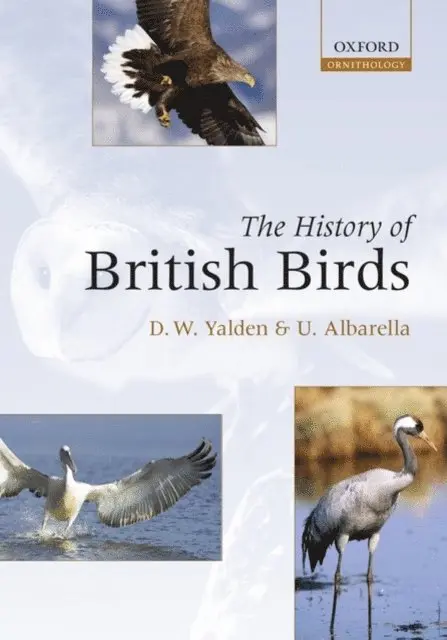
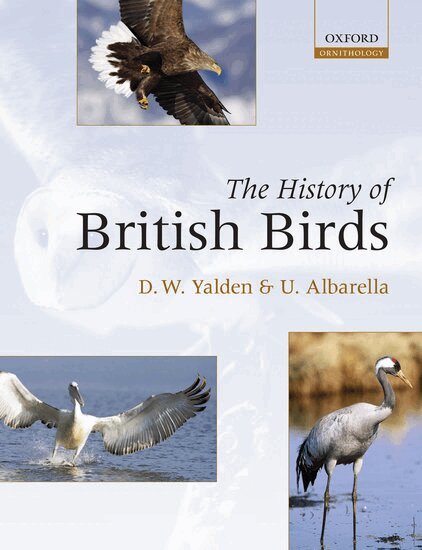
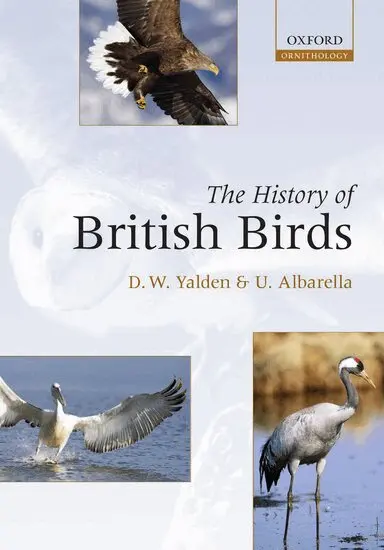
The History of British Birds reviews our knowledge of avifaunal history over the last 15,000 years, setting it in its wider historical and European context. The authors, one an ornithologist the other an archaeologist, integrate a wealth of archaeological data to illuminate and enliven the story, indicating the extent to which climatic, agricultural, and social changes have affected the avifauna. They discuss its present balance, as well as predictingpossible future changes.It is a popular misconception that bird bones are rarely preserved (compared with mammals), and cannot be reliably identified when they are found. The book explores both of these contentions, armed with a database of 9,000 records of birds that have been identified on archaeological sites. Most are in England, but sites elsewhere in Great Britain, Ireland, the Isle of Man and the Channel Isles are included.Britain''s most numerous bird is also the most widespread in the archaeological record, but some of the more charismatic species also have a rich historical pedigree. For example, we can say quite a lot about the history of the Crane, Red Kite, White-tailed Eagle, and Great Auk. The history of many introduced domestic species can also be illuminated. Even so, there remain uncertainties, posed by difficulties of dating or identification, the vagaries of the archaeological record or the ecologicalspecialities of the birds themselves. These issues are highlighted, thus posing research questions for others to answer.And the commonest British bird, then and now? Buy the book and read on...
Inbunden, Engelska, 2008
803 kr
Skickas inom 5-8 vardagar
The History of British Birds reviews our knowledge of avifaunal history over the last 15,000 years, setting it in its wider historical and European context. The authors, one an ornithologist the other an archaeologist, integrate a wealth of archaeological data to illuminate and enliven the story, indicating the extent to which climatic, agricultural, and social changes have affected the avifauna. They discuss its present balance, as well as predicting possible future changes.It is a popular misconception that bird bones are rarely preserved (compared with mammals), and cannot be reliably identified when they are found. The book explores both these contentions, armed with a database of 9,000 records of birds that have been identified on archaeological sites. Most are in England, but sites elsewhere in Great Britain, Ireland, the Isle of Man and the Channel Isles are included.Britain's most numerous bird is also the most widespread in the archaeological record, but some of the more charismatic species also have a rich historical pedigree. For example, we can say quite a lot about the history of the Crane, Red Kite, White-tailed Eagle and Great Auk. The history of many introduced domestic species can also be illuminated. Even so, there remain uncertainties, posed by difficulties of dating or identification, the vagaries of the archaeological record or the ecological specialities of the birds themselves. These issues are highlighted, thus posing research questions for others to answer.And the commonest British bird, then and now? Buy the book and read on...
Häftad, Engelska, 2009
795 kr
Skickas inom 7-10 vardagar
The History of British Birds reviews our knowledge of avifaunal history over the last 15,000 years, setting it in its wider historical and European context. The authors, one an ornithologist the other an archaeologist, integrate a wealth of archaeological data to illuminate and enliven the story, indicating the extent to which climatic, agricultural, and social changes have affected the avifauna. They discuss its present balance, as well as predicting possible future changes. It is a popular misconception that bird bones are rarely preserved (compared with mammals), and cannot be reliably identified when they are found. The book explores both of these contentions, armed with a database of 9,000 records of birds that have been identified on archaeological sites. Most are in England, but sites elsewhere in Great Britain, Ireland, the Isle of Man and the Channel Isles are included. Britain's most numerous bird is also the most widespread in the archaeological record, but some of the more charismatic species also have a rich historical pedigree. For example, we can say quite a lot about the history of the Crane, Red Kite, White-tailed Eagle, and Great Auk. The history of many introduced domestic species can also be illuminated. Even so, there remain uncertainties, posed by difficulties of dating or identification, the vagaries of the archaeological record or the ecological specialities of the birds themselves. These issues are highlighted, thus posing research questions for others to answer. And the commonest British bird, then and now? Buy the book and read on...
Inbunden, Engelska, 2002
729 kr
Skickas inom 5-8 vardagar
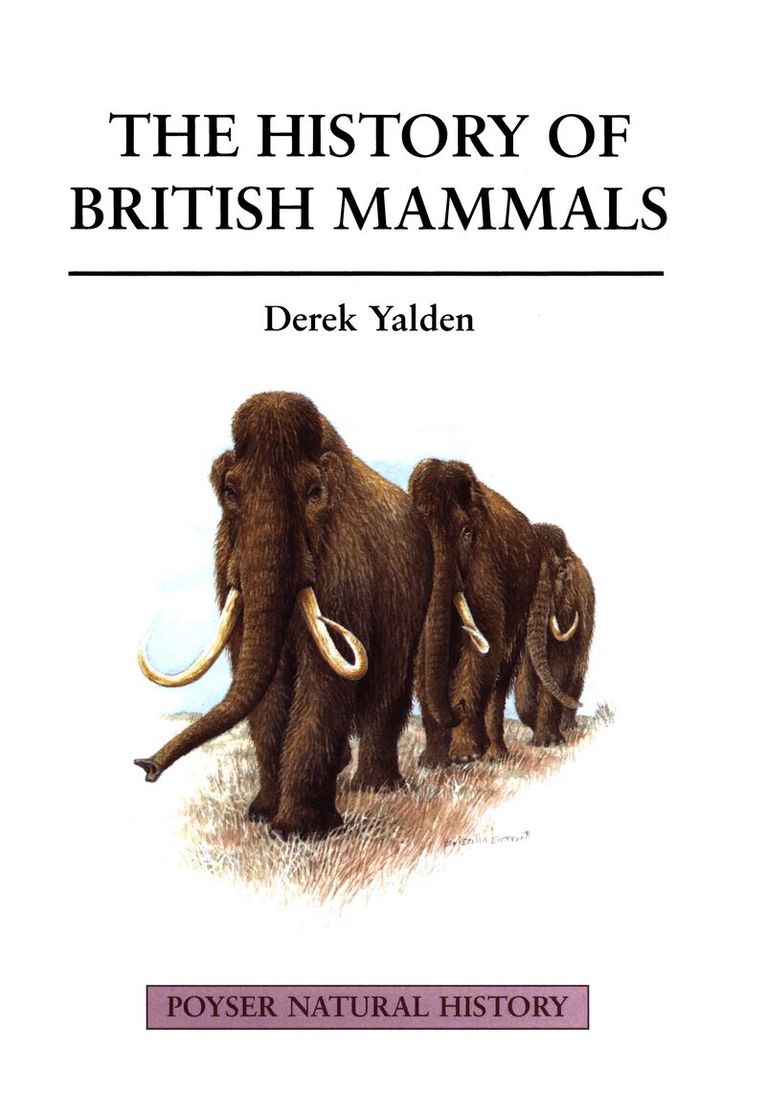
As ice retreated from Britain 15,000 years ago, a host of large mammals including reindeer, wild horses, wooly mammoths, moose, wolves, brown bears, lynxes and wolverines established itself in Britain. The largest surviving wild land mammal today, the red deer, the largest contemporary land carnivore, the badger and another 65 or so extant wild mammals included about a quarter of the wild mammals that have been introduced in the last 15,000 years. The contemporary fauna, however, is largely dominated by domestic animals, such as cattle, sheep, pigs and humans. This book explores the fate of the large extinct species, as well as how, why, and when the introduced species appeared.
E-bok
Engelska, 2010775 kr
Läs direkt efter köp
As ice retreated from Britain 15,000 years ago, a host of large mammals including reindeer, wild horses, wooly mammoths, moose, wolves, brown bears, lynxes and wolverines established itself in Britain. The largest surviving wild land mammal today, the red deer, the largest contemporary land carnivore, the badger and another 65 or so extant wild mammals included about a quarter of the wild mammals that have been introduced in the last 15,000 years. The contemporary fauna, however, is largely dominated by domestic animals, such as cattle, sheep, pigs and humans. This book explores the fate of the large extinct species, as well as how, why, and when the introduced species appeared.