Umberto Albarella - Böcker
Visar alla böcker från författaren Umberto Albarella. Handla med fri frakt och snabb leverans.
7 produkter
7 produkter
643 kr
Skickas inom 5-8 vardagar
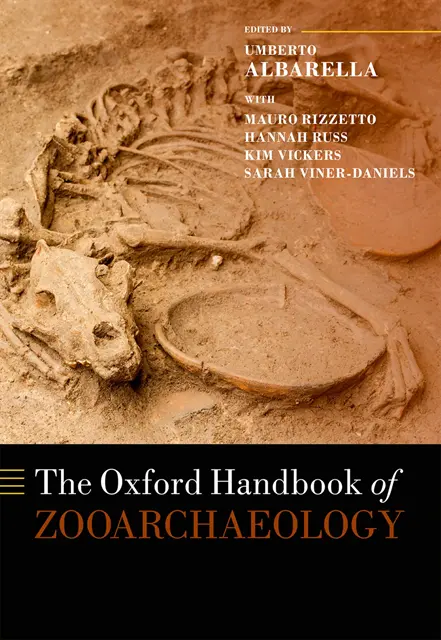
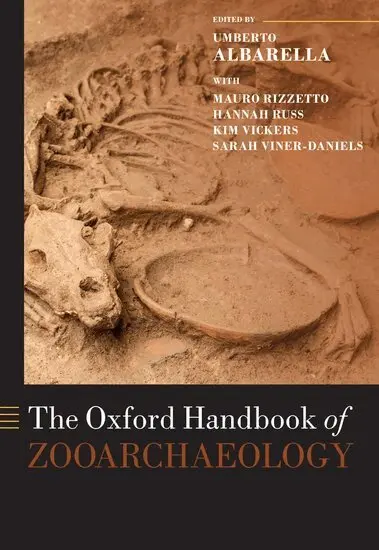
Animals have played a fundamental role in shaping human history, and the study of their remains from archaeological sites--zooarchaeology--has gradually been emerging as a powerful discipline and crucible for forging an understanding of our past.The Oxford Handbook of Zooarchaeology offers a cutting-edge compendium of zooarchaeology the world over that transcends environmental, economic, and social approaches, seeking instead to provide a holistic view of the roles played by animals in past human cultures.Incisive chapters written by leading scholars in the field incorporate case studies from across five continents, from Iceland to New Zealand and from Japan to Egypt and Ecuador, providing a sense of the dynamism of the discipline, the many approaches and methods adopted by different schools and traditions, and an idea of the huge range of interactions that have occurred between people and animals throughout the world and its history. Adaptations of human-animal relationships in environments as varied as the Arctic, temperate forests, deserts, the tropics, and the sea are discussed, while studies of hunter-gatherers, farmers, herders, fishermen, and even traders and urban dwellers highlight the importance that animals have had in all forms of human societies. With an introduction that clearly contextualizes the current practice of zooarchaeology in relation to both its history and the challenges and opportunities that can be expected for the future, and a methodological glossary illuminating the way in which zooarchaeologists approach the study of their material, this Handbook will be invaluable not only for specialists in the field, but for anybody who has an interest in our past and the role that animals have played in forging it.
2 976 kr
Skickas inom 5-8 vardagar
Pigs are one of the most iconic but also paradoxical animals ever to have developed a relationship with humans. This relationship has been a long and varied one: from noble wild beast of the forest to mass produced farmyard animal; from a symbol of status and plenty to a widespread religious food taboo; from revered religious totem to a parodied symbol of filth and debauchery. Pigs and Humans brings together some of the key scholars whose research is highlighting the role wild and domestic pigs have played in human societies around the world over the last 10,000 years. The 22 contributors cover a broad and diverse range of temporal, geographical, and topical themes, grounded within the disciplines of archaeology, zoology, anthropology, and biology, as well as art history and history. They explore such areas as evolution and taxonomy, domestication and husbandry, ethnography, and ritual and art, and present some of the latest theories and methodological techniques. The volume as a whole is generously illustrated and will enhance our understanding of many of the issues regarding our complex and ever changing relationship with the pig.
808 kr
Skickas inom 5-8 vardagar
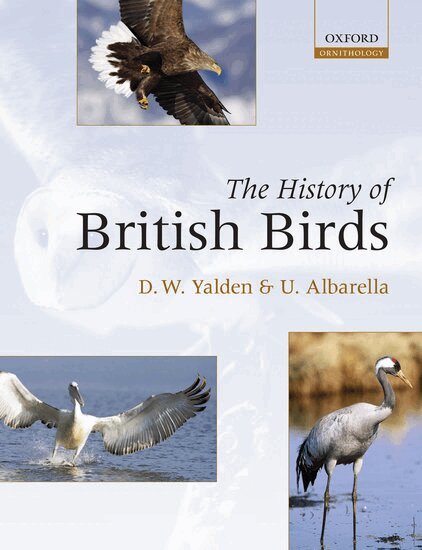
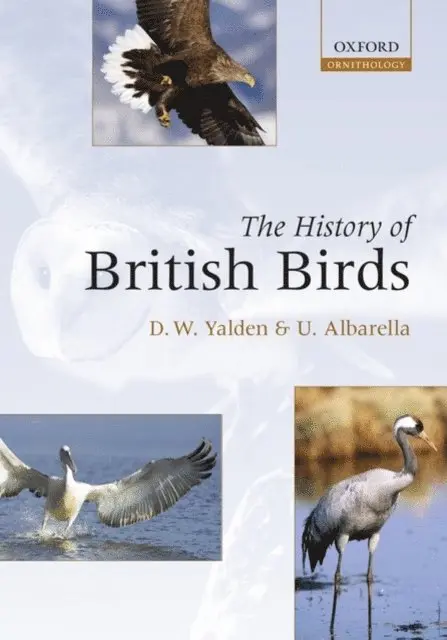
The History of British Birds reviews our knowledge of avifaunal history over the last 15,000 years, setting it in its wider historical and European context. The authors, one an ornithologist the other an archaeologist, integrate a wealth of archaeological data to illuminate and enliven the story, indicating the extent to which climatic, agricultural, and social changes have affected the avifauna. They discuss its present balance, as well as predicting possible future changes.It is a popular misconception that bird bones are rarely preserved (compared with mammals), and cannot be reliably identified when they are found. The book explores both these contentions, armed with a database of 9,000 records of birds that have been identified on archaeological sites. Most are in England, but sites elsewhere in Great Britain, Ireland, the Isle of Man and the Channel Isles are included.Britain's most numerous bird is also the most widespread in the archaeological record, but some of the more charismatic species also have a rich historical pedigree. For example, we can say quite a lot about the history of the Crane, Red Kite, White-tailed Eagle and Great Auk. The history of many introduced domestic species can also be illuminated. Even so, there remain uncertainties, posed by difficulties of dating or identification, the vagaries of the archaeological record or the ecological specialities of the birds themselves. These issues are highlighted, thus posing research questions for others to answer.And the commonest British bird, then and now? Buy the book and read on...
807 kr
Skickas inom 7-10 vardagar
The History of British Birds reviews our knowledge of avifaunal history over the last 15,000 years, setting it in its wider historical and European context. The authors, one an ornithologist the other an archaeologist, integrate a wealth of archaeological data to illuminate and enliven the story, indicating the extent to which climatic, agricultural, and social changes have affected the avifauna. They discuss its present balance, as well as predicting possible future changes. It is a popular misconception that bird bones are rarely preserved (compared with mammals), and cannot be reliably identified when they are found. The book explores both of these contentions, armed with a database of 9,000 records of birds that have been identified on archaeological sites. Most are in England, but sites elsewhere in Great Britain, Ireland, the Isle of Man and the Channel Isles are included. Britain's most numerous bird is also the most widespread in the archaeological record, but some of the more charismatic species also have a rich historical pedigree. For example, we can say quite a lot about the history of the Crane, Red Kite, White-tailed Eagle, and Great Auk. The history of many introduced domestic species can also be illuminated. Even so, there remain uncertainties, posed by difficulties of dating or identification, the vagaries of the archaeological record or the ecological specialities of the birds themselves. These issues are highlighted, thus posing research questions for others to answer. And the commonest British bird, then and now? Buy the book and read on...
2 520 kr
Skickas inom 7-10 vardagar
Animals have played a fundamental role in shaping human history, and the study of their remains from archaeological sites - zooarchaeology - has gradually been emerging as a powerful discipline and crucible for forging an understanding of our past. The Oxford Handbook of Zooarchaeology offers a cutting-edge compendium of zooarchaeology the world over that transcends environmental, economic, and social approaches, seeking instead to provide a holistic view of the roles played by animals in past human cultures. Incisive chapters written by leading scholars in the field incorporate case studies from across five continents, from Iceland to New Zealand and from Japan to Egypt and Ecuador, providing a sense of the dynamism of the discipline, the many approaches and methods adopted by different schools and traditions, and an idea of the huge range of interactions that have occurred between people and animals throughout the world and its history. Adaptations of human-animal relationships in environments as varied as the Arctic, temperate forests, deserts, the tropics, and the sea are discussed, while studies of hunter-gatherers, farmers, herders, fishermen, and even traders and urban dwellers highlight the importance that animals have had in all forms of human societies. With an introduction that clearly contextualizes the current practice of zooarchaeology in relation to both its history and the challenges and opportunities that can be expected for the future, and a methodological glossary illuminating the way in which zooarchaeologists approach the study of their material, this Handbook will be invaluable not only for specialists in the field, but for anybody who has an interest in our past and the role that animals have played in forging it.
1 640 kr
Skickas inom 10-15 vardagar
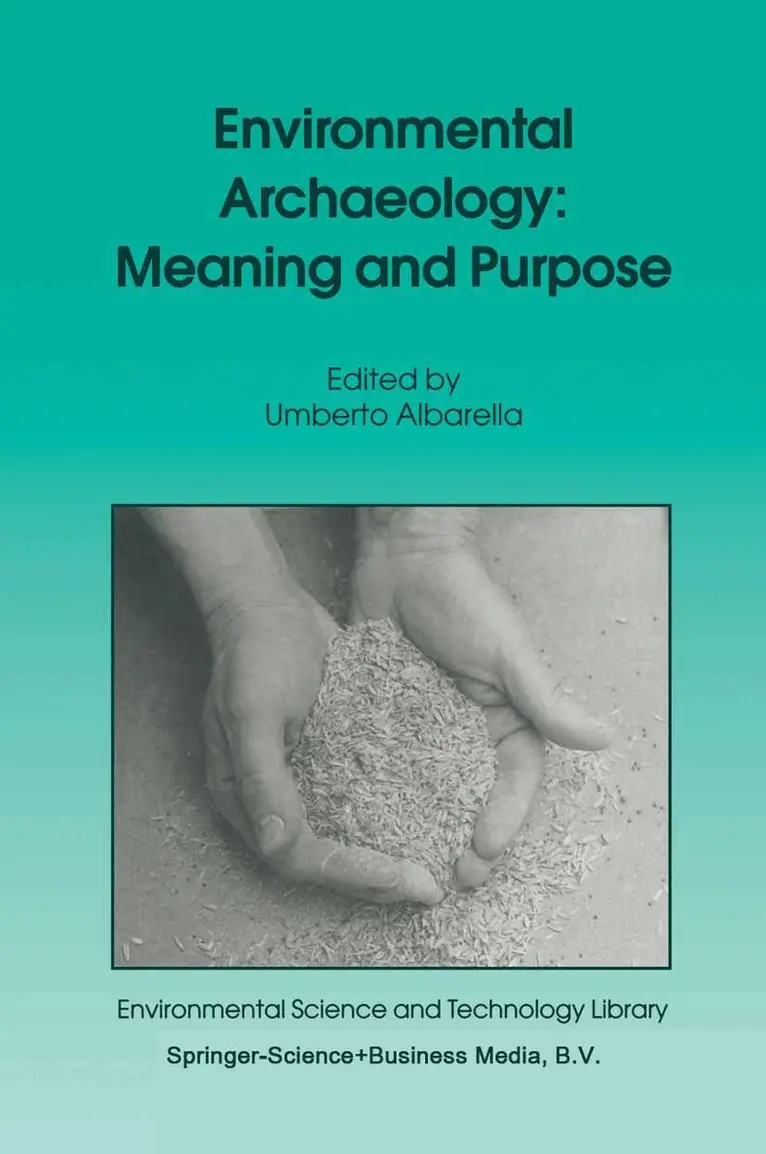
Despite the fact that the human life of the past cannot be understood without taking into account its ecological relationships, environmental studies are often marginalized in archaeology. This is a book that, by discussing the meaning and purpose we give to the expression "environmental archaeology", investigates the reasons for such a problem. This is achieved through the use of theoretical considerations and the aid of a number of case studies, which, by taking us from Anglo-Saxon England to pre-Columbian Venezuela, and from Classical Greece to late Antique Egypt, emphasise the potential of an integrated approach. The book is written by archaeologists with different backgrounds and is addressed to all researchers who care about the past relationship between people and the rest of Nature. Despite the complexity of some of the issues tackled, the book is written in an accessible manner and should be of interest to all students who want to understand the essence of archaeology beyond the boundary of the individual sub-disciplines.
1 640 kr
Skickas inom 10-15 vardagar
Despite the fact that the human life of the past cannot be understood without taking into account its ecological relationships, environmental studies are often marginalised in archaeology. This is the first book that, by discussing the meaning and purpose we give to the expression `environmental archaeology', investigates the reasons for such a problem. This is achieved through the use of theoretical considerations and the aid of a number of case studies, which, by taking us from Anglo-Saxon England to pre-Columbian Venezuela, and from Classical Greece to late Antique Egypt, emphasise the potential of an integrated approach. The book is written by archaeologists with different backgrounds and is addressed to all researchers who care about the past relationship between people and the rest of Nature. Despite the complexity of some of the issues tackled, the book is written in an accessible manner and should be of interest to all students who want to understand the essence of archaeology beyond the boundary of the individual sub-disciplines.