Angela Trentacoste – författare
Visar alla böcker från författaren Angela Trentacoste. Handla med fri frakt och snabb leverans.
2 produkter
2 produkter
Inbunden, Engelska, 2023
1 287 kr
Skickas inom 5-8 vardagar
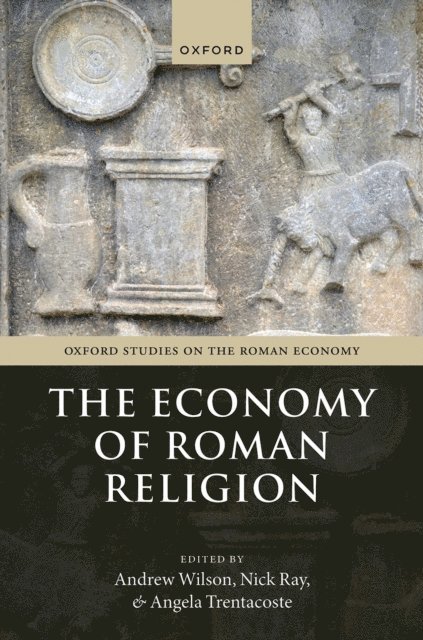
This interdisciplinary edited volume presents twelve papers by Roman historians and archaeologists, discussing the interconnected relationship between religion and the Roman economy over the period c. 500 BC to AD 350. The connection between Roman religion and the economy has largely been ignored in work on the Roman economy, but this volume explores the many complex ways in which economic and religious thinking and activities were interwoven, from individuals to institutions. The broad geographic and chronological scope of the volume engages with a notable variety of evidence: epigraphic, archaeological, historical, papyrological, and zooarchaeological. In addition to providing case studies that draw from the rich archaeological, documentary, and epigraphic evidence, the volume also explores the different and sometimes divergent pictures offered by these sources (from discrepancies in the cost of religious buildings, to the tensions between piety and ostentatious donation). The edited collection thus bridges economic, social, and religious themes.The volume provides a view of a society in which religion had a central role in economic activity on an institutional to individual scale. The volume allows an evaluation of impact of that activity from both financial and social viewpoints, providing a new perspective on Roman religion - a perspective to which a wide range of archaeological and documentary evidence, from animal bone to coins and building costs, has contributed. As a result, this volume not only provides new information on the economy of Roman religion: it also proposes new ways of looking at existing bodies of evidence.
E-bok
Engelska, 2021124 kr
Läs direkt efter köp
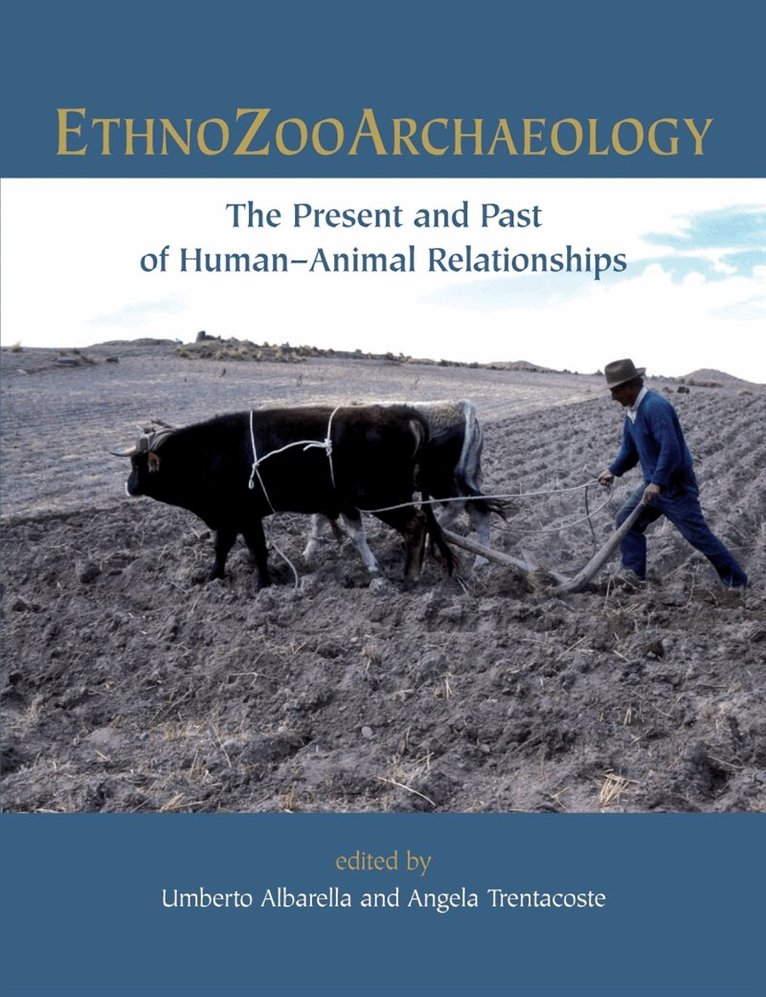
This book examines how the study of human-animal relations can help us interpret archaeological evidence. An international range of contributors examines fishing, hunting and husbandry, slaughtering and butchering, ceremonial and ritual practices and techniques of deposition and disposal in traditional societies. Topics covered include the theoretical potential of ethnographic research for zooarchaeology, the use of comparative analogies in the ethnographic and zooarchaeological records, the historical developments of ethnozooarchaeology and specific case studies selected from across the world. This broad geographic approach encompasses examples from different types of societies, ranging from hunter-gatherers to urban populations and from horticulturalists to traditional farmers and pastoralists. This book will be of interest to researchers in a range of fields, including anthropology, ethnohistory and zooarchaeology.