Devyn Spence Benson - Böcker
Visar alla böcker från författaren Devyn Spence Benson. Handla med fri frakt och snabb leverans.
4 produkter
4 produkter
369 kr
Skickas inom 10-15 vardagar
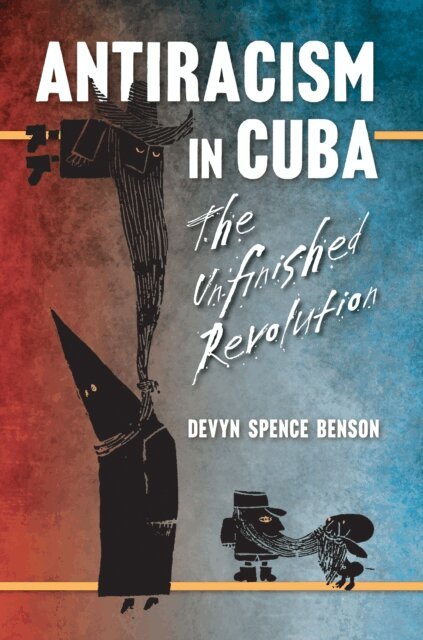
Analyzing the ideology and rhetoric around race in Cuba and south Florida during the early years of the Cuban revolution, Devyn Spence Benson argues that ideas, stereotypes, and discriminatory practices relating to racial difference persisted despite major efforts by the Cuban state to generate social equality. Drawing on Cuban and U.S. archival materials and face-to-face interviews, Benson examines 1960s government programs and campaigns against discrimination, showing how such programs frequently negated their efforts by reproducing racist images and idioms in revolutionary propaganda, cartoons, and school materials.Building on nineteenth-century discourses that imagined Cuba as a raceless space, revolutionary leaders embraced a narrow definition of blackness, often seeming to suggest that Afro-Cubans had to discard their blackness to join the revolution. This was and remains a false dichotomy for many Cubans of color, Benson demonstrates. While some Afro-Cubans agreed with the revolution's sentiments about racial transcendence-""not blacks, not whites, only Cubans-others found ways to use state rhetoric to demand additional reforms. Still others, finding a revolution that disavowed blackness unsettling and paternalistic, fought to insert black history and African culture into revolutionary nationalisms. Despite such efforts by Afro-Cubans and radical government-sponsored integration programs, racism has persisted throughout the revolution in subtle but lasting ways.
488 kr
Skickas inom 10-15 vardagar
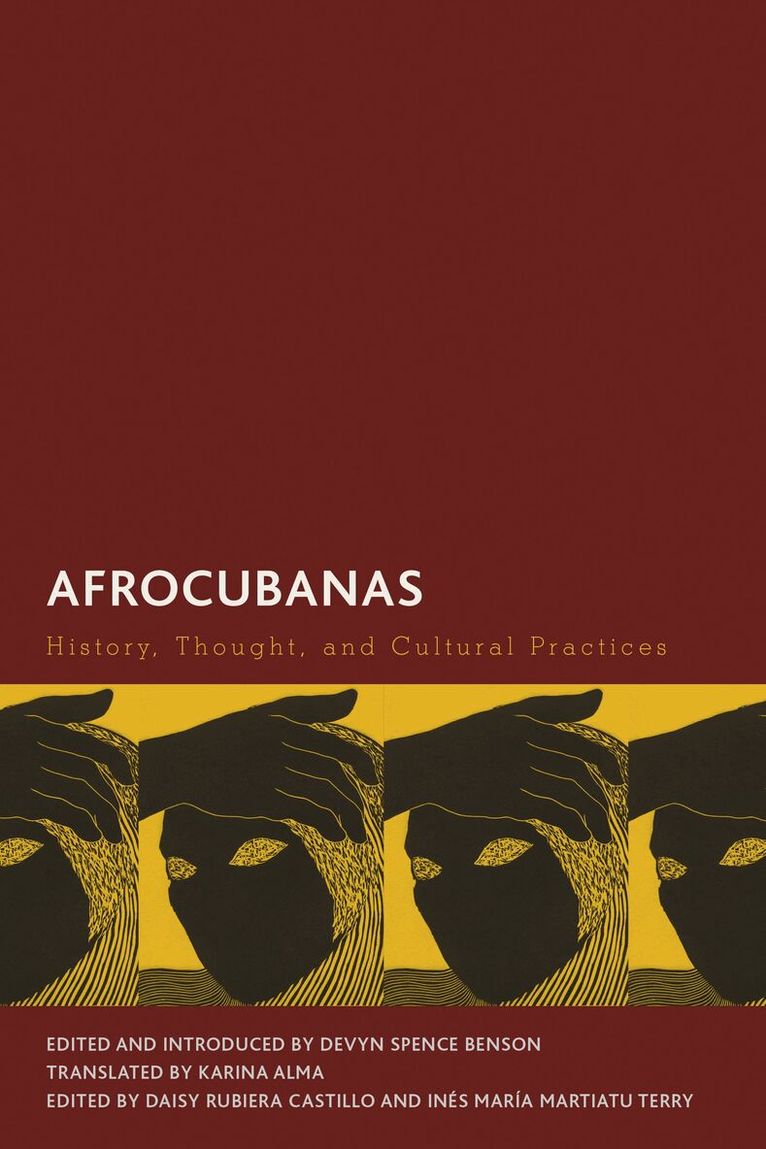
Originally published in Spanish and edited by Cuban historian Daisy Rubiera Castillo and playwright and theater critic Inés María Martiatu Terry, this ground-breaking edited collection is the first work of its kind. It places the experiences of black and mulata women at the center of Cuban history. Including essays from a mix of well-known and newly published Cuban authors, the volume examines the lives of Afrocubanas from the late nineteenth century to the present. The volume’s contributors collect and interrogate the voices of black Cuban women and the political, cultural, social, and ideological contributions they have made to the history of their nation. One of the unique qualities of Afrocubanas is that the text is the product of a grassroots community working group in Havana. A number of antiracist organizations emerged to fight racial inequality in light of Cuba’s new economic challenges after the fall of its chief trading partner, the Soviet Union in 1991. But, the Afrocubanas Project (founded in the mid-2000s) is one of the few groups that challenges racism and sexism together. The members of the Afrocubanas Project hail from a variety of professions, ages, and sexual orientations. They share a collective interest in challenging negative stereotypes about black women. This volume merges their activism and scholarship to offer a counter discourse to existing narratives about black women in Cuba while also creating and disseminating new knowledge about Afrocubanas. There is no other published work in English devoted to analyzing the political and intellectual dimensions of black Cuban women’s thought across the island’s history. This text is essential reading for scholars and students of Africana Studies, Afro-Latin American Studies, Caribbean history, and courses focusing on black women in the Atlantic region.
1 476 kr
Skickas inom 10-15 vardagar
Originally published in Spanish and edited by Cuban historian Daisy Rubiera Castillo and playwright and theater critic Inés María Martiatu Terry, this ground-breaking edited collection is the first work of its kind. It places the experiences of black and mulata women at the center of Cuban history. Including essays from a mix of well-known and newly published Cuban authors, the volume examines the lives of Afrocubanas from the late nineteenth century to the present. The volume’s contributors collect and interrogate the voices of black Cuban women and the political, cultural, social, and ideological contributions they have made to the history of their nation. One of the unique qualities of Afrocubanas is that the text is the product of a grassroots community working group in Havana. A number of antiracist organizations emerged to fight racial inequality in light of Cuba’s new economic challenges after the fall of its chief trading partner, the Soviet Union in 1991. But, the Afrocubanas Project (founded in the mid-2000s) is one of the few groups that challenges racism and sexism together. The members of the Afrocubanas Project hail from a variety of professions, ages, and sexual orientations. They share a collective interest in challenging negative stereotypes about black women. This volume merges their activism and scholarship to offer a counter discourse to existing narratives about black women in Cuba while also creating and disseminating new knowledge about Afrocubanas. There is no other published work in English devoted to analyzing the political and intellectual dimensions of black Cuban women’s thought across the island’s history. This text is essential reading for scholars and students of Africana Studies, Afro-Latin American Studies, Caribbean history, and courses focusing on black women in the Atlantic region.
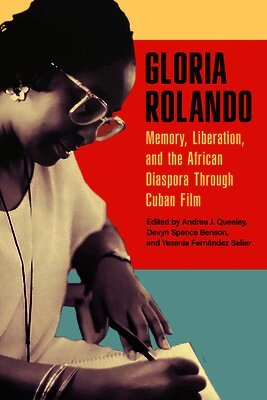
Gloria Rolando
Memory, Liberation, and the African Diaspora Through Cuban Film
Inbunden, Engelska, 2026
1 791 kr
Kommande
The first comprehensive exploration of the life, work, and legacy of internationally acclaimed Afro-Cuban filmmaker Gloria Rolando.For over three decades, Gloria Rolando has created films that challenge the erasure of Black history in Cuba and the Americas more broadly. Working independently through her production company Imágenes del Caribe as well as with the Cuban National Film Institute, ICAIC, Rolando has illuminated hidden histories, interrogated narratives of raceless nationalism and mestizaje, and centered the lived experiences of Afro-descendant communities as well as diasporic connections. Gloria Rolando brings together scholars, artists, and activists from Cuba, Latin America, the United States, Canada, and the United Kingdom to explore Rolando’s profound impact. Blending personal essays, interviews, film analyses, and archival images, the volume uncovers the power of visual storytelling to honor memory and inspire liberation.