Diane Coyle – författare
Visar alla böcker från författaren Diane Coyle. Handla med fri frakt och snabb leverans.
27 produkter
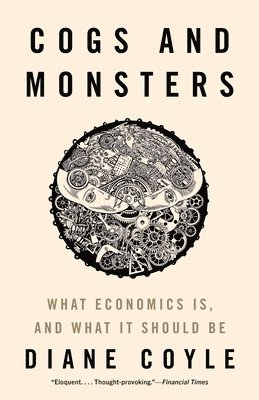
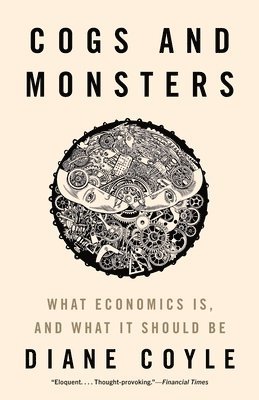
Cogs and Monsters
What Economics Is, and What It Should Be
Av Diane Coyle
Häftad, 2023
178 kr
Lägg i varukorg
How economics needs to change to keep pace with the twenty-first century and the digital economyDigital technology, big data, big tech, machine learning, and AI are revolutionizing both the tools of economics and the phenomena it seeks to measure, understand, and shape. In Cogs and Monsters, Diane …
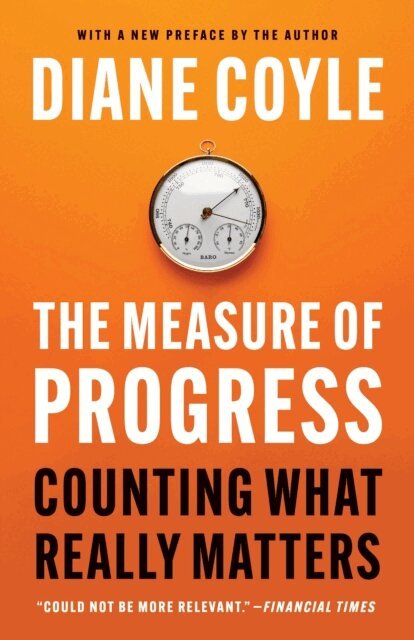
Measure of Progress
Counting What Really Matters
Av Diane Coyle
Häftad, 2026
210 kr
Lägg i varukorg
Why do we use eighty-year-old metrics to understand today’s economy?The ways that statisticians and governments measure the economy were developed in the 1940s, when the urgent economic problems were entirely different from those of today. In The Measure of Progress, Diane Coyle argues that the …
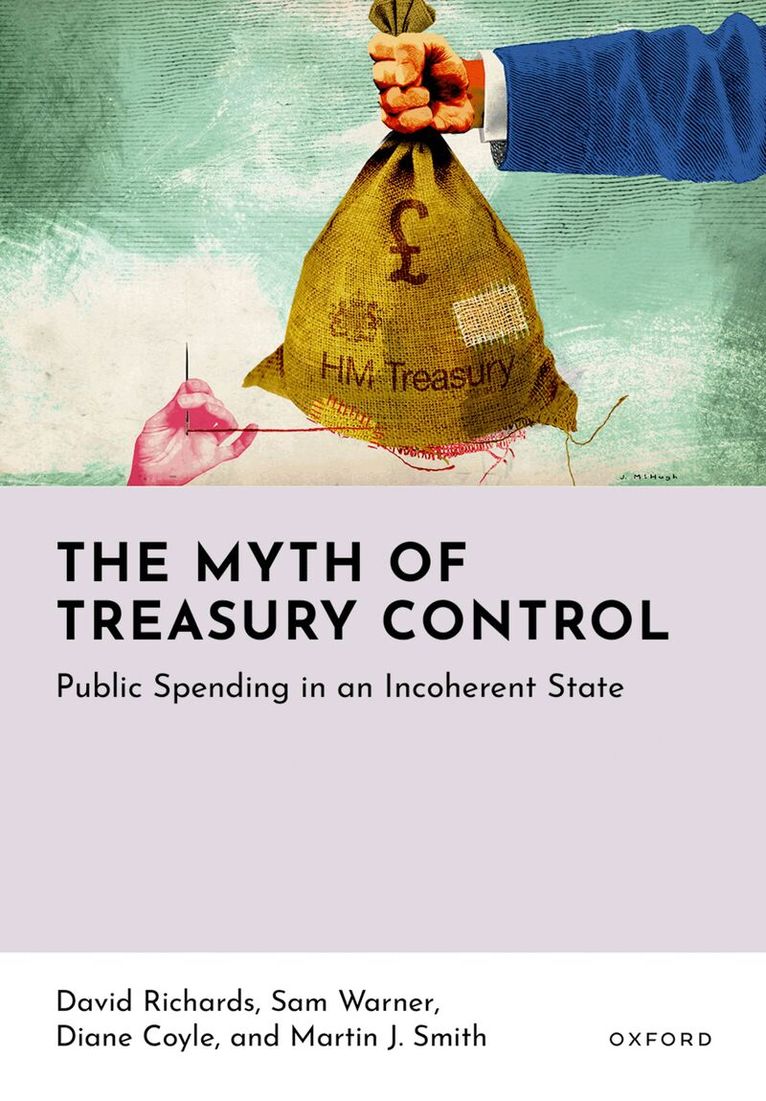
The Myth of Treasury Control
Public Spending in an Incoherent State
Av David Richards, Sam Warner m. fl.
Inbunden, 2026
1789 kr
Lägg i varukorg
In an era of fiscal constraint, rising public demand, and fragmented governance, the UK's approach to public spending is under unprecedented strain. At the centre of this system sits HM Treasury, long regarded as the most powerful department in British government yet questioned for its ability to …
Myth of Treasury Control
Public Spending in an Incoherent State
Av Martin J. Smith, Diane Coyle m. fl.
E-bok, 2026
1027 kr
Lägg i varukorg
In an era of fiscal constraint, rising public demand, and fragmented governance, the UK's approach to public spending is under unprecedented strain. At the centre of this system sits HM Treasury, long regarded as the most powerful department in British government yet questioned for its ability to …
Myth of Treasury Control
Public Spending in an Incoherent State
Av Martin J. Smith, Diane Coyle m. fl.
E-bok, 2026
1027 kr
Lägg i varukorg
In an era of fiscal constraint, rising public demand, and fragmented governance, the UK's approach to public spending is under unprecedented strain. At the centre of this system sits HM Treasury, long regarded as the most powerful department in British government yet questioned for its ability to …
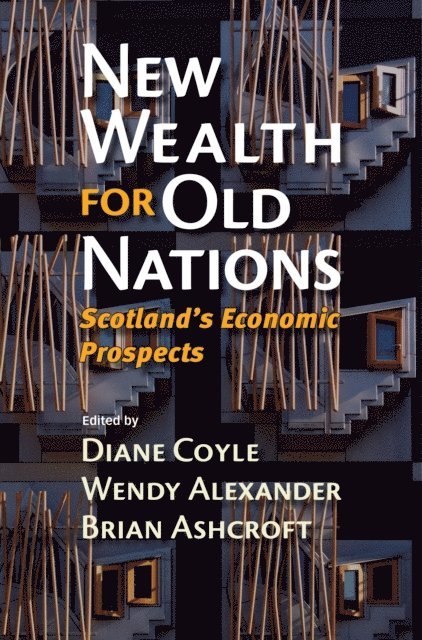
New Wealth for Old Nations
Scotland's Economic Prospects
Av Diane Coyle, Wendy Alexander m. fl.
Inbunden, 2005
1448 kr
Lägg i varukorg
New Wealth for Old Nations provides a guide to policy priorities in small or regional economies. It will be of interest to policymakers, students, and scholars seeking avenues to improved growth, greater opportunity, and better governance. Some of the world's leading economists combine their …
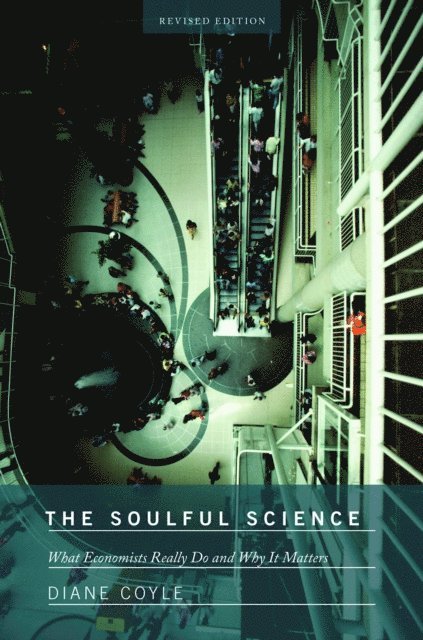
Soulful Science
What Economists Really Do and Why It Matters - Revised Edition
Av Diane Coyle
Häftad, 2009
5,0 utav 5 stjärnor. Totalt antal röster: (1)
201 kr
Lägg i varukorg
For many, Thomas Carlyle's put-down of economics as "the dismal science" rings true--especially in the aftermath of the crash of 2008. But Diane Coyle argues that economics today is more soulful than dismal, a more practical and human science than ever before. The Soulful Science describes the …
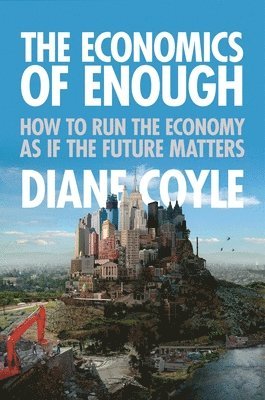
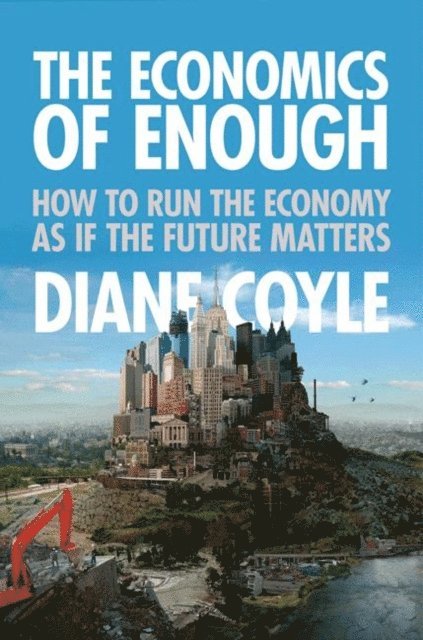
Economics of Enough
How to Run the Economy as If the Future Matters
Av Diane Coyle
Inbunden, 2011
368 kr
Lägg i varukorg
The world's leading economies are facing not just one but many crises. The financial meltdown may not be over, climate change threatens major global disruption, economic inequality has reached extremes not seen for a century, and government and business are widely distrusted. At the same time, many …
Economics of Enough
How to Run the Economy as If the Future Matters
Av Diane Coyle
Häftad, 2012
264 kr
Lägg i varukorg
Why our economy is cheating the future—and what we can do about itThe world's leading economies are facing not just one but many crises. The financial meltdown may not be over, climate change threatens major global disruption, economic inequality has reached extremes not seen for a century, and …
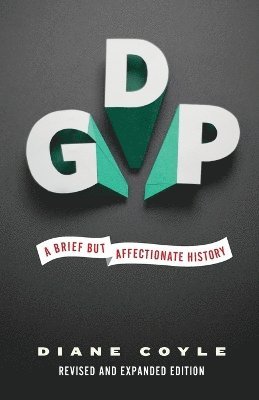
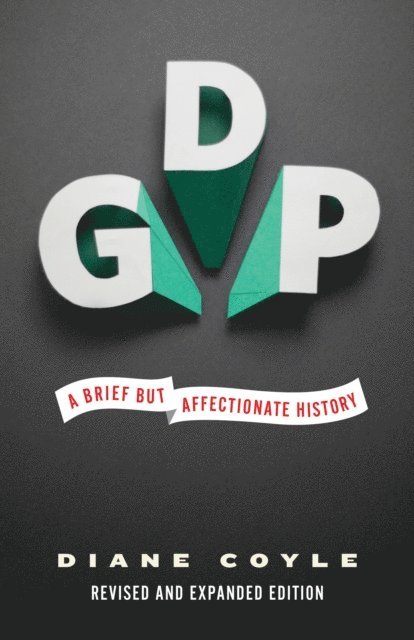
GDP
A Brief but Affectionate History - Revised and expanded Edition
Av Diane Coyle
Häftad, 2015
216 kr
Lägg i varukorg
Why did the size of the U.S. economy increase by 3 percent on one day in mid-2013--or Ghana's balloon by 60 percent overnight in 2010? Why did the U.K. financial industry show its fastest expansion ever at the end of 2008--just as the world's financial system went into meltdown? And why was …
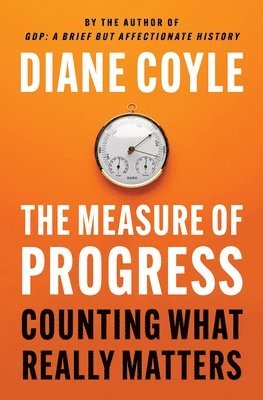
Measure of Progress
Counting What Really Matters
Av Diane Coyle
Inbunden, 2025
5,0 utav 5 stjärnor. Totalt antal röster: (1)
272 kr
Lägg i varukorg
Why do we use eighty-year-old metrics to understand today’s economy?The ways that statisticians and governments measure the economy were developed in the 1940s, when the urgent economic problems were entirely different from those of today. In The Measure of Progress, Diane Coyle argues that the …
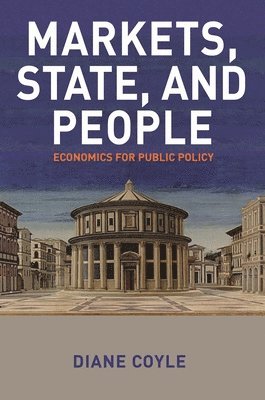
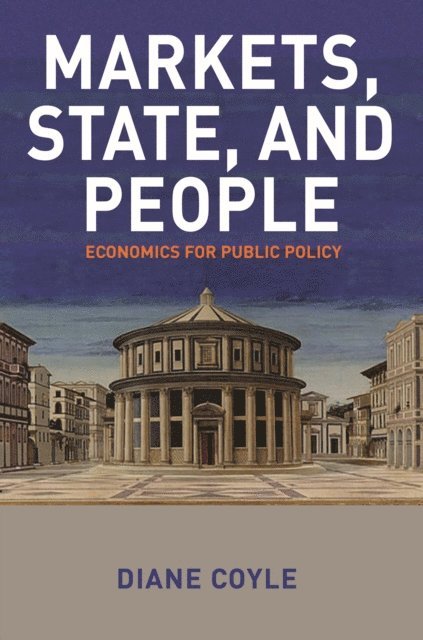
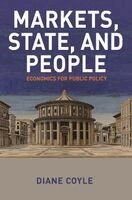
Markets, State, and People
Economics for Public Policy
Av Diane Coyle
Inbunden, 2020
522 kr
Lägg i varukorg
A textbook that examines how societies reach decisions about the use and allocation of economic resourcesWhile economic research emphasizes the importance of governmental institutions for growth and progress, conventional public policy textbooks tend to focus on macroeconomic policies and on …
Markets, State, and People
Economics for Public Policy
Av Diane Coyle
E-bok, 2020
698 kr
Lägg i varukorg
A textbook that examines how societies reach decisions about the use and allocation of economic resources While economic research emphasizes the importance of governmental institutions for growth and progress, conventional public policy textbooks tend to focus on macroeconomic policies and on …
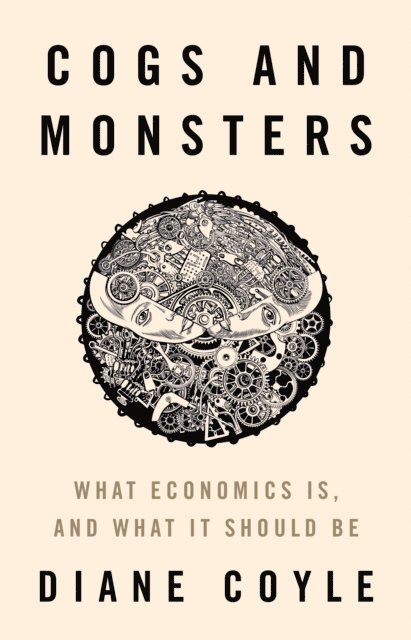
Cogs and Monsters
What Economics Is, and What It Should Be
Av Diane Coyle
Inbunden, 2021
221 kr
Lägg i varukorg
How economics needs to change to keep pace with the twenty-first century and the digital economyDigital technology, big data, big tech, machine learning, and AI are revolutionizing both the tools of economics and the phenomena it seeks to measure, understand, and shape. In Cogs and Monsters, Diane …
Cogs and Monsters
What Economics Is, and What It Should Be
Av Diane Coyle
E-bok, 2021
243 kr
Lägg i varukorg
How economics needs to change to keep pace with the twenty-first century and the digital economy Digital technology, big data, big tech, machine learning, and AI are revolutionizing both the tools of economics and the phenomena it seeks to measure, understand, and shape. In Cogs and Monsters , …
Measure of Progress
Counting What Really Matters
Av Diane Coyle
E-bok, 2026
279 kr
Lägg i varukorg
Why do we use eighty-year-old metrics to understand today's economy?The ways that statisticians and governments measure the economy were developed in the 1940s, when the urgent economic problems were entirely different from those of today. In The Measure of Progress, Diane Coyle argues that the …
Measure of Progress
Counting What Really Matters
Av Diane Coyle
E-bok, 2026
279 kr
Lägg i varukorg
Why do we use eighty-year-old metrics to understand today's economy?The ways that statisticians and governments measure the economy were developed in the 1940s, when the urgent economic problems were entirely different from those of today. In The Measure of Progress, Diane Coyle argues that the …
Markets, State, and People
Economics for Public Policy
Av Diane Coyle
Häftad, 2027
308 kr
Kommande
A textbook that examines how societies reach decisions about the use and allocation of economic resourcesWhile economic research emphasizes the importance of governmental institutions for growth and progress, conventional public policy textbooks tend to focus on macroeconomic policies and on …
Governing the World Economy
Av Diane Coyle
Inbunden, 2000
656 kr
Lägg i varukorg
The global financial crisis of 1997-8 revealed that emerging market nations as well as the developed economies are vulnerable to the forces of globalization. It highlighted the need for the governance of the world economy to catch up with the pace and degree of integration through trade and …
Governing the World Economy
Av Diane Coyle
Häftad, 2000
223 kr
Lägg i varukorg
The global financial crisis of 1997-8 revealed that emerging market nations as well as the developed economies are vulnerable to the forces of globalization. It highlighted the need for the governance of the world economy to catch up with the pace and degree of integration through trade and …
Soulful Science
What Economists Really Do and Why It Matters - Revised Edition
Av Diane Coyle
E-bok, 2009
257 kr
Lägg i varukorg
For many, Thomas Carlyle''s put-down of economics as "the dismal science" rings true--especially in the aftermath of the crash of 2008. But Diane Coyle argues that economics today is more soulful than dismal, a more practical and human science than ever before. The Soulful Science describes the …
New Wealth for Old Nations
Scotland''s Economic Prospects
Av Brian Ashcroft, Wendy Alexander m. fl.
E-bok, 2005
1968 kr
Lägg i varukorg
New Wealth for Old Nations provides a guide to policy priorities in small or regional economies. It will be of interest to policymakers, students, and scholars seeking avenues to improved growth, greater opportunity, and better governance. Some of the world''s leading economists combine their …
Economics of Enough
How to Run the Economy as If the Future Matters
Av Diane Coyle
E-bok, 2011
357 kr
Lägg i varukorg
Why our economy is cheating the future—and what we can do about it The world''s leading economies are facing not just one but many crises. The financial meltdown may not be over, climate change threatens major global disruption, economic inequality has reached extremes not seen for a century, and …
GDP
A Brief but Affectionate History - Revised and expanded Edition
Av Diane Coyle
E-bok, 2015
216 kr
Lägg i varukorg
How GDP came to rule our lives—and why it needs to change Why did the size of the U.S. economy increase by 3 percent on one day in mid-2013—or Ghana''s balloon by 60 percent overnight in 2010? Why did the U.K. financial industry show its fastest expansion ever at the end of 2008—just as the world’s …
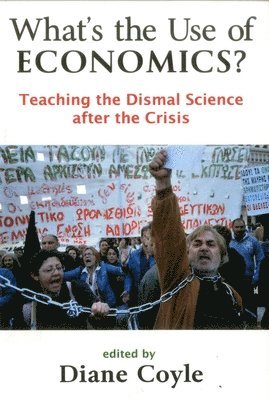
What's the Use of Economics?
Teaching the Dismal Science After the Crisis
Av Diane Coyle
Häftad, 2012
267 kr
Lägg i varukorg
With the financial crisis continuing after five years, people are questioning why economics failed either to send an adequate early warning ahead of the crisis or to resolve it quickly. The gap between important real-world problems and the workhorse mathematical model-based economics being taught …
Work Inequality Basic Income
Av Brishen Rogers, Tommie Shelby m. fl.
Häftad, 2017
168 kr
Lägg i varukorg
El producto interno bruto
Una historia breve pero entrañable
Av Ignacio Perrotini Hernandez, Diane Coyle
E-bok, 2017
34 kr
Lägg i varukorg
El producto interno bruto (PIB), inventado en la década de 1940, es un indicador clave de la política económica; se considera un referente para la medición de la magnitud de la economía de un país y es comúnmente el anclaje de otros indicadores importantes, como el déficit fiscal y el índice de …