• Fri frakt över 249 kr
  • •
  • Snabba leveranser
  • •
  • Billiga böcker
Kundservice

Du är på sajten för privatpersoner.

Företag, bibliotek eller offentlig verksamhet?

Du handlar på classic.bokus.com, där alla dina funktioner finns intakta.
Till classic.bokus.com
Bokus logotyp. Gå till startsidan.
  • Erbjudanden
  • Nyheter
  • Student
  • Topplistor
  • Barn & ungdom
  • Bokus Play
  • E-böcker
  • Pocketböcker
  • Spel & pussel

10% rabatt på allt med kod: NYSTART10 →

Sidfot

Mina sidor

    Hjälp

    • Kundservice
    • Vanliga frågor och svar
    • Frakt och leverans
    • Retur vid ångerrätt
    • Reklamera vara
    • Betalning
    • Köpvillkor
    • Allmänna villkor
    • Information om webbplatsens tillgänglighet

    Om Bokus

    • Om oss
    • Pressrum
    • För studenter
    • För företag
    • För bibliotek och offentlig verksamhet
    • För leverantörer
    • Hållbarhet

    Populärt

    • Aktuella erbjudanden
    • Presentkort
    • Studentlitteratur
    • Nya böcker
    • Topplistor
    • Signerade böcker
    • Engelska böcker

    Inspiration

    • Boktips
    • BookTok
    • Populära bokserier
    • Barnbokskaraktärer
    • Populära författare
    Logotyp för Bokus
    Följ oss på Facebook (extern länk)Följ oss på Instagram (extern länk)Följ oss på YouTube (extern länk)Följ oss på TikTok (extern länk)
    bokus @ CookiesAnpassa cookiesIntegritetspolicyKöpvillkor
    Till Citymail hemsida (extern länk)Till Budbee hemsida (extern länk)Till Postnord hemsida (extern länk)Till Schenker hemsida (extern länk)Till Early Bird hemsida (extern länk)Till Walleys hemsida (extern länk)
    1. Ekonomi och Ledarskap
    2. Nationalekonomi
    3. Finanskriser

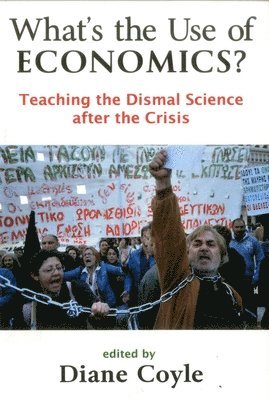
    What's the Use of Economics?

    Teaching the Dismal Science After the Crisis

    AvDiane Coyle

    Häftad, Engelska, 2012

    Del i serien London Publishing Partnership

    259 kr

    Beställningsvara. Skickas inom 5-8 vardagar. Fri frakt över 249 kr.

    Beskrivning

    With the financial crisis continuing after five years, people are questioning why economics failed either to send an adequate early warning ahead of the crisis or to resolve it quickly. The gap between important real-world problems and the workhorse mathematical model-based economics being taught to students has become a chasm. Students continue to be taught as if not much has changed since the crisis, as there is no consensus about how to change the curriculum. Meanwhile, employer discontent with the knowledge and skills of their graduate economist recruits has been growing. This book examines what economists need to bring to their jobs, and the way in which education in universities could be improved to fit graduates better for the real world. It is based on an international conference in February 2012, sponsored by the UK Government Economic Service and the Bank of England, which brought employers and academics together. Three themes emerged: the narrow range of skills and knowledge demonstrated by graduates; the need for reform of the content of the courses they are taught; and the barriers to curriculum reform.While some issues remain unresolved, there was strong agreement on such key issues as the strengthening of economic history, the teaching of inductive as well as deductive reasoning, critical evaluation and communication skills, and a better alignment of lecturers' incentives with the needs of their students.

    Produktinformation

    • Utgivningsdatum:2012-08-01
    • Mått:156 x 234 x 12 mm
    • Vikt:321 g
    • Format:Häftad
    • Språk:Engelska
    • Serie:London Publishing Partnership
    • Antal sidor:224
    • Förlag:London Publishing Partnership
    • ISBN:9781907994043

    Utforska kategorier

    • Finanskriser inom Ekonomi och Ledarskap

    Mer om författaren

    Diane Coyle, is a freelance economist, and a former advisor to the UK Treasury. She is a member of the UK Competition Commission and Vice Chairman of the BBC Trust, the governing body of the British Broadcasting Corporation

    Recensioner i media

    'Superb! Diane Coyle has catalysed what is long overdue: candid self-questioning by economists of a discipline that did not anticipate the crisis and has barely changed since despite its self-evident shortcomings. Some spectacularly good reads. Economics can't stay the same after this book.' - Will Hutton, Principal of Hertford College Oxford, Observer columnist and chair The Big Innovation Centre 'With outstanding essays from the likes of Andy Haldane, John Kay and Andrew Lo, this book should be read by anyone interested - or anxious - about what economists do and how economics is taught.' - Tim Harford, author of "The Undercover Economist" and "Adapt" 'This volume will set the agenda for the debate of the next decade by economists and policy makers trying to avoid another financial crisis. The self-critical chapters by top-tier economists and hands-on practitioners provide fascinating insights into what went wrong and how the economics profession should set about to reform itself.' - Dr DeAnne Julius CBE, Chairman of Chatham House and former member of the Bank of England's Monetary Policy Committee

    Innehållsförteckning

    • Introduction List of Contributors Part 1. What Do Employers of Economists Want? 1.Making Economics and Economists Better 2.What Makes a Good Economist? 3.What Economists Do - And How Universities Might Help ? 4.Economists in the Financial Markets 5.Economics: Purposes and Directions Post-Crisis 6.The Importance of Communicating Post-Crisis Economics Part 2. Economic Methodology and Implications for Teaching 7.What Post-Crisis Changes Does the Economics Discipline Need? 8.The Map Is Not the Territory: An Essay on the State of Economics 9.The Economy and Economic Theory in Crisis 10.Experience Matters in the Education of Economists 11.The Education of Economists in the Light of the Financial Crisis 12.Finance Is History! Part 3. Macroeconomics after the Crisis 13.Reforming the Macroeconomics Curriculum 14.Some Really Useful Macroeconomics 15.Teaching Macroeconomics 16.Rethinking Macroeconomics in the Wake of the Financial Crisis 17.Old Wine, New Bottles 18.Back to the Drawing Board for Macroeconomics Part 4. Reform of Undergraduate Economics Courses in the United Kingdom 19.Lessons from Teaching Economics in Schools 20.Teaching and Research in a UK University 21.Disseminating the Changes Already Underway in Higher Education Economics 22.Lessons from the LSE 100 Course 23.What Do Students Need? (And What Do They Want?)