Diane Pecknold - Böcker
Visar alla böcker från författaren Diane Pecknold. Handla med fri frakt och snabb leverans.
4 produkter
4 produkter
557 kr
Skickas inom 3-6 vardagar
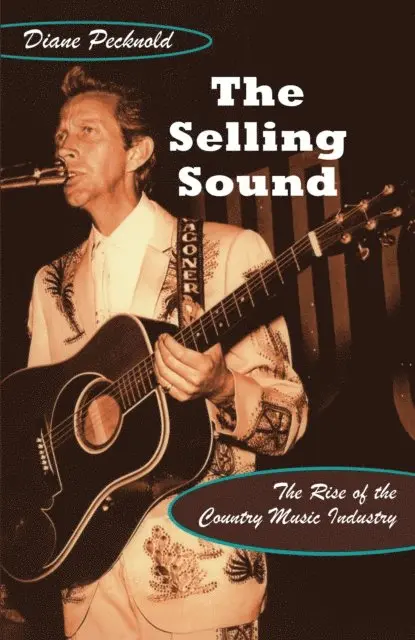
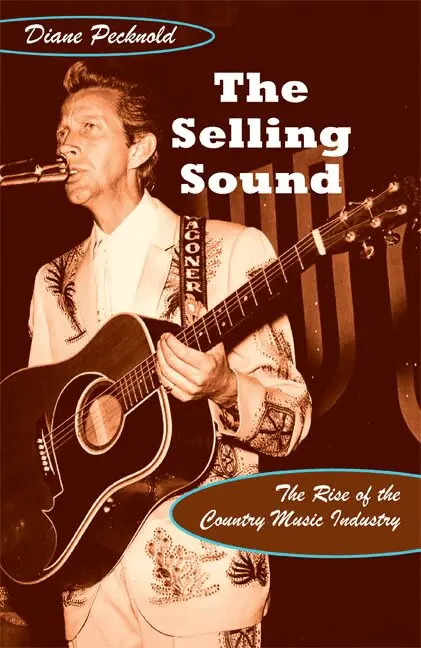
Few expressions of popular culture have been shaped as profoundly by the relationship between commercialism and authenticity as country music has. While its apparent realism, sincerity, and frank depictions of everyday life are country’s most obvious stylistic hallmarks, Diane Pecknold demonstrates that commercialism has been just as powerful a cultural narrative in its development. Listeners have long been deeply invested in the “business side” of country. When fans complained in the mid-1950s about elite control of the mass media, or when they expressed their gratitude that the Country Music Hall of Fame served as a physical symbol of the industry’s power, they engaged directly with the commercial apparatus surrounding country music, not with particular songs or stars. In The Selling Sound, Pecknold explores how country music’s commercialism, widely acknowledged but largely unexamined, has affected the way it is produced, the way it is received by fans and critics, and the way it is valued within the American cultural hierarchy. Pecknold draws on sources as diverse as radio advertising journals, fan magazines, Hollywood films, and interviews with industry insiders. Her sweeping social history encompasses the genre’s early days as an adjunct of radio advertising in the 1920s, the friction between Billboard and more genre-oriented trade papers over generating the rankings that shaped radio play lists, the establishment of the Country Music Association, and the influence of rock ‘n’ roll on the trend toward single-genre radio stations. Tracing the rise of a large and influential network of country fan clubs, Pecknold highlights the significant promotional responsibilities assumed by club organizers until the early 1970s, when many of their tasks were taken over by professional publicists.
334 kr
Skickas inom 7-10 vardagar
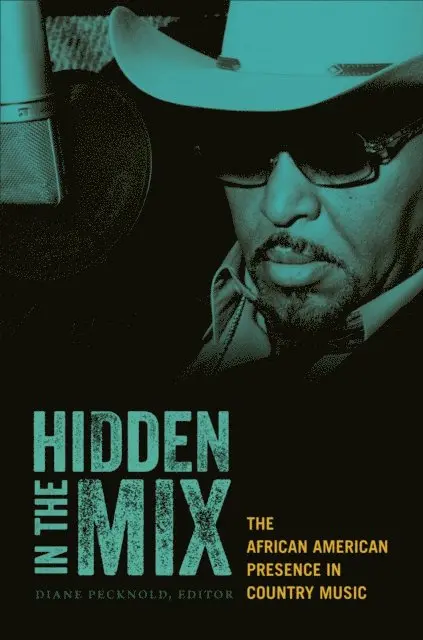
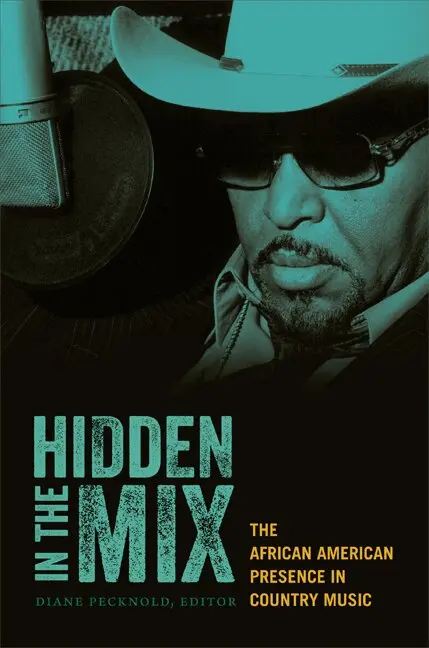
Country music's debt to African American music has long been recognized. Black musicians have helped to shape the styles of many of the most important performers in the country canon. The partnership between Lesley Riddle and A. P. Carter produced much of the Carter Family's repertoire; the street musician Tee Tot Payne taught a young Hank Williams Sr.; the guitar playing of Arnold Schultz influenced western Kentuckians, including Bill Monroe and Ike Everly. Yet attention to how these and other African Americans enriched the music played by whites has obscured the achievements of black country-music performers and the enjoyment of black listeners.The contributors to Hidden in the Mix examine how country music became "white," how that fictive racialization has been maintained, and how African American artists and fans have used country music to elaborate their own identities. They investigate topics as diverse as the role of race in shaping old-time record catalogues, the transracial West of the hick-hopper Cowboy Troy, and the place of U.S. country music in postcolonial debates about race and resistance. Revealing how music mediates both the ideology and the lived experience of race, Hidden in the Mix challenges the status of country music as "the white man’s blues."Contributors. Michael Awkward, Erika Brady, Barbara Ching, Adam Gussow, Patrick Huber, Charles Hughes, Jeffrey A. Keith, Kip Lornell, Diane Pecknold, David Sanjek, Tony Thomas, Jerry Wever
1 216 kr
Skickas inom 10-15 vardagar
Essays that overthrow stereotypes and demonstrate the genre's power and mystique.Contributions by Georgia Christgau, Alexander S. Dent, Leigh H. Edwards, Caroline Gnagy, Kate Heidemann, Nadine Hubbs, Jocelyn Neal, Åse Ottosson, Travis Stimeling, Matthew D. Sutton, and Chris WilsonCountry music boasts a long tradition of rich, contradictory gender dynamics, creating a world where Kitty Wells could play the demure housewife and the honky-tonk angel simultaneously, Dolly Parton could move from traditionalist ""girl singer"" to outspoken trans rights advocate, and current radio playlists can alternate between the reckless masculinity of bro-country and the adolescent girlishness of Taylor Swift.In this follow-up volume to A Boy Named Sue, some of the leading authors in the field of country music studies reexamine the place of gender in country music, considering the ways country artists and listeners have negotiated gender and sexuality through their music and how gender has shaped the way that music is made and heard. In addition to shedding new light on such legends as Wells, Parton, Loretta Lynn, and Charley Pride, it traces more recent shifts in gender politics through the performances of such contemporary luminaries as Swift, Gretchen Wilson, and Blake Shelton. The book also explores the intersections of gender, race, class, and nationality in a host of less expected contexts, including the prisons of WWII-era Texas, where the members of the Goree All-Girl String Band became the unlikeliest of radio stars; the studios and offices of Plantation Records, where Jeannie C. Riley and Linda Martell challenged the social hierarchies of a changing South in the 1960s; and the burgeoning cities of present-day Brazil, where ""college country"" has become one way of negotiating masculinity in an age of economic and social instability.
378 kr
Skickas inom 10-15 vardagar
From the smiling, sentimental mothers portrayed in 1930s radio barn dance posters, to the sexual shockwaves generated by Elvis Presley, to the female superstars redefining contemporary country music, gender roles and imagery have profoundly influenced the ways country music is made and enjoyed. Proper male and female roles have influenced the kinds of sounds and images that could be included in country music; preconceptions of gender have helped to determine the songs and artists audiences would buy or reject; and gender has shaped the identities listeners made for themselves in relation to the music they revered. This interdisciplinary collection of essays is the first book-length effort to examine how gender conventions, both masculine and feminine, have structured the creation and marketing of country music. The essays explore the uses of gender in creating the personas of stars as diverse as Elvis Presley, Patsy Cline, and Shania Twain. The authors also examine how deeply conventions have influenced the institutions and everyday experiences that give country music its image: the popular and fan press, the country music industry in Nashville, and the line dance crazes that created the dance hall boom of the 1990s. From Hank Thompson's ""The Wild Side of Life"" to Johnny Cash's ""A Boy Named Sue,"" from Tammy Wynette's ""Stand by Your Man"" to Loretta Lynn's ode to birth control, ""The Pill,"" A Boy Named Sue demonstrates the role gender played in the development of country music and its current prominence.