Dianne Bergant – författare
251 kr
Skickas inom 5-8 vardagar
517 kr
Skickas inom 3-6 vardagar
564 kr
Läs direkt efter köp
The Lectionary is made up of selected passages from the Bible, placed within a literary and liturgical context. This new context calls for a consideration of the liturgical character and setting of the Lectionary readings. Preaching the New Lectionary: Year A offers readers that interpretation.
Preaching the New Lectionary is unique. First, it employs a literary-liturgical way of interpreting all the readings of each Sunday and major feast of the liturgical year, including the often overlooked responsorial psalm. Second, it explicitly situates the interpretation of each day within the theology of its respective liturgical season. This theology is drawn from the specific themes of the readings that comprise that particular year rather than from more general themes associated with the season. The meaning of the entire season becomes the context for understanding the individual parts of it. Third, the lections are also read in sequential order from the first Sunday of that season to the last. This reading interprets the function of the literary forms, thus providing yet another way of interpreting the riches of the readings.
This way of reading and understanding the Lectionary has potential for many forms of liturgical ministry. It can quicken the religious imagination of homilists, thus providing fresh new possibilities for liturgical preaching. It offers creative insights for those involved in the liturgical preparation for the celebration of feasts and seasons. It can also act as a valuable resource for liturgical catechesis. The material in Preaching the New Lectionary contributes toward enhancing the liturgical lives of the faithful.
Dianne Bergant, CSA, is Professor of Old Testament studies at Catholic Theological Union in Chicago. The general editor of The Collegeville Bible Commentary (Old Testament) published by The Liturgical Press, she was editor of The Bible Today from 1986-1990.
Richard N. Fragomeni, PhD, is Associate Professor of Liturgy and Homiletics at Catholic Theological Union in Chicago. He is editor of The Ecological Challenge also published by The Liturgical Press.
564 kr
Läs direkt efter köp
The Lectionary is made up of selected passages from the Bible, placed within a literary and liturgical context. This new context calls for a consideration of the liturgical character and setting of the Lectionary readings. Preaching the New Lectionary: Year C, offers readers that interpretation.
Preaching the New Lectionary is unique. First, it employs a literary-liturgical way of interpreting all the readings of each Sunday and major feast of the liturgical year, including the often overlooked responsorial psalm. Second, it explicitly situates the interpretation of each day within the theology of its respective liturgical season. This theology is drawn from the specific themes of the readings that comprise that particular year rather than from more general themes associated with the season. The meaning of the entire season becomes the context for understanding the individual parts of it. Third, the lections are also read in sequential order from the first Sunday of that season to the last. This reading interprets the function of the literary forms, thus providing yet another way of interpreting the riches of the readings.
This way of reading and understanding the Lectionary has potential for liturgical ministry. It can quicken the religious imagination of homilists, thus providing fresh new possibilities for liturgical preaching. It offers creative insights for those involved in the liturgical preparation for the celebration of feasts and seasons. It can also act as a valuable resource for liturgical catechesis. The insights included in Preaching the New Lectionary contribute toward enhancing the liturgical lives of the faithful.
564 kr
Läs direkt efter köp
2000 Catholic Press Association Award Winner!
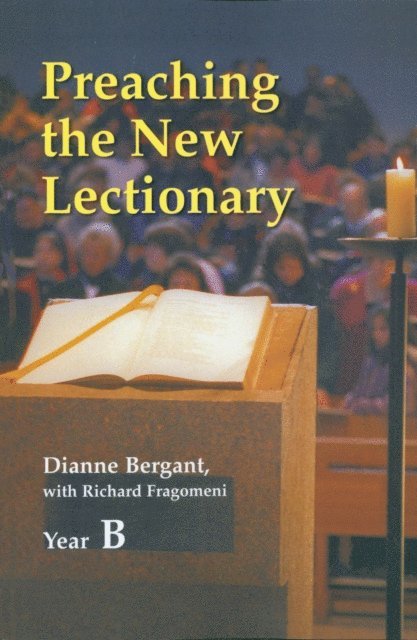
The Lectionary is made up of selected passages from the Bible, placed within a literary and liturgical context. This new context calls for a consideration of the liturgical character and setting of the Lectionary readings. Preaching the New Lectionary: Year B, offers readers that interpretation.
Preaching the New Lectionary is unique. First, it employs a literary-liturgical way of interpreting all the readings of each Sunday and major feast of the liturgical year, including the often overlooked responsorial psalm. Second, it explicitly situates the interpretation of each day within the theology of its respective liturgical season. This theology is drawn from the specific themes of the readings that comprise that particular year rather than from more general themes associated with the season. The meaning of the entire season becomes the context for understanding the individual parts of it. Third, the lections are also read in sequential order from the first Sunday of that season to the last. This reading interprets the function of the literary forms, thus providing yet another way of interpreting the riches of the readings.
This way of reading and understanding the Lectionary has potential for liturgical ministry. It can quicken the religious imagination of homilists, thus providing fresh new possibilities for liturgical preaching. It offers creative insights for those involved in the liturgical preparation for the celebration of feasts and seasons. It can also act as a valuable resource for liturgical catechesis. The insights included in Preaching the New Lectionary contribute toward enhancing the liturgical lives of the faithful.
238 kr
Läs direkt efter köp
The book of Psalms plays a significant role in the public and private prayer of both the Jewish and Christian communities today, helping to shape the minds and hearts of modern believers.
In two commentaries, one covering Psalms 1-72 and the other Psalms 73-150, Dianne Bergant examines the theological and historical circumstances from which the psalms originated. She reveals how the psalms were intended for instruction as well as prayer, and helps us experience their lyrical nature. In a fresh encounter with these poems of lament, hymns of praise, and prayers of thanksgiving, readers gain a new appreciation for these ancient texts, remembering that God - who dwells with us still - is "gracious and merciful, slow to anger and abounding in mercy" (Pss 145:8).
312 kr
Läs direkt efter köp
The book of Psalms plays a significant role in the public and private prayer of both the Jewish and Christian communities today, helping to shape the minds and hearts of modern believers.
In two commentaries, one covering Psalms 1-72 and the other Psalms 73-150, Dianne Bergant examines the theological and historical circumstances from which the psalms originated. She reveals how the psalms were intended for instruction as well as prayer, and helps us experience their lyrical nature. In a fresh encounter with these poems of lament, hymns of praise, and prayers of thanksgiving, readers gain a new appreciation for these ancient texts, remembering that God - who dwells with us still - is "gracious and merciful, slow to anger and abounding in mercy" (Pss 145:8).
267 kr
Läs direkt efter köp
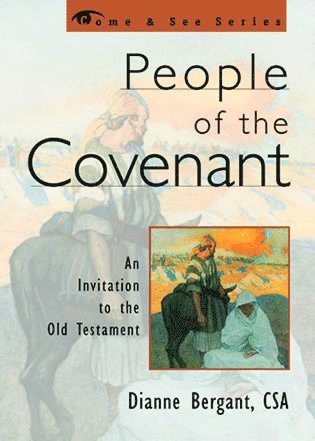
"Ignorance of Scripture is ignorance of Christ." What Saint Jerome said centuries ago is surely still true today; any serious theological study must be grounded in Scripture. While there are plenty of biblical scholars today, few authors are able to introduce Scripture to students the way Dianne Bergant does. Bergant invites readers to genuinely engage Scripture, to enter the world of the text and explore some of the age-old questions that arise in every generation:
' What does it mean to say that the Word of God is both divine and human? ' Why is biblical history so important to the study of Scripture and theology? ' Why are there different literary forms in the Bible? ' Why the competing voices and apparent contradictions?
In language that is clear and compelling, Bergant explores the answers to these and other questions. She surveys the world of the Bible and biblical scholarship in an introduction that is sure to spark enthusiasm and further interest. This volume in the Engaging Theology series instills solid knowledge of Scripture and, thereby, knowledge of Christ, demonstrating that "the Bible is an inexhaustible source of challenge and delight, of inspiration and guidance, and a testimony to ultimate meaning and value."
416 kr
Läs direkt efter köp
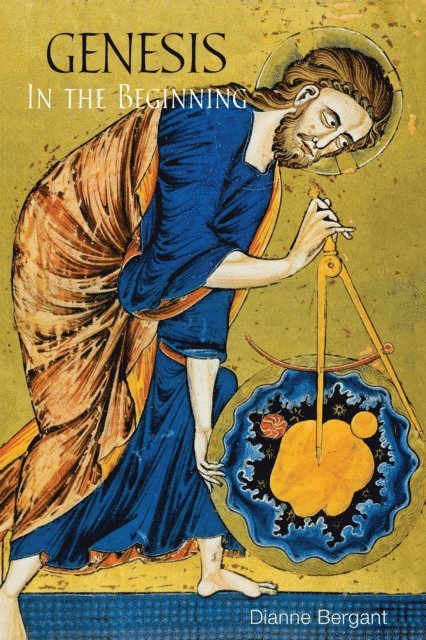
With the publication of Genesis: In the Beginning, one of today''s most highly regarded Catholic Scripture scholars turns her attention to one of the most important, fascinating, and challenging books of the Bible. In this important new commentary, Bergant explores the biblical text but also points out some of the social biases of the original community, an awareness which is crucial for an adequate understanding of the text. She offers a wealth of insights into how the contemporary reader can best understand the biblical message.
416 kr
Läs direkt efter köp
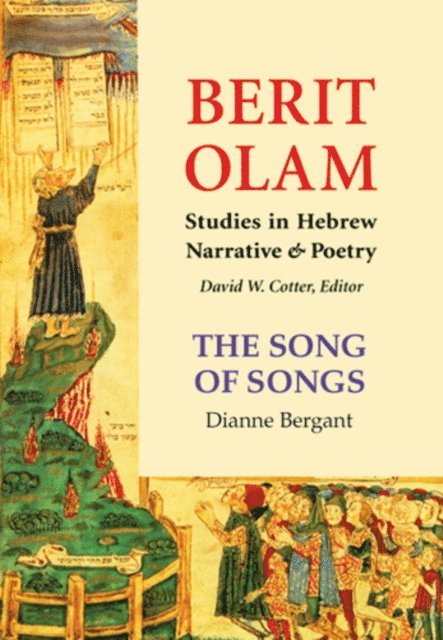
Among all of the books of the First Testament, the Song of Songs is one of the most intriguing. On the one hand, its unabashed sensuality has captured the imagination and has endeared it to those who appreciate passionate human love. On the other hand, more demure readers have frequently been chagrined by their own fascination with its erotic character and have cloaked their interest under the guise of metaphorical reading. Both interpretations of the Song of Songs have been endorsed. Down through the ages, both Jewish and Christian interpreters have delighted in the exquisite imagery of the book's songs, but they have also frequently reverted to allegory in their interpretations.
This commentary views the Song as a collection of love poems and carefully examines features of Hebrew poetry in order to uncover the delicacy of their expression. It is unique not only in the attention that it gives to the obvious feminine perspective of the poems but in their ecosensitive character. Although it is a tribute to mutual love, the principal frame of reference is the amorous disposition of the woman. Her words open and close the Song and her voice is dominant throughout.
The imagery that the lovers use is drawn from nature. Whether it is the woman in awe of the strength and splendor of her lover or the man glorifying her physical charms, the descriptions all call on elements from the natural world to characterize the feature being described. Whatever they experience or know or even desire is somehow rooted in the natural world.
Chapters are Superscription," "Mutual Yearning (1:2-2:7)," "An Opportunity Lost, Then Found (2:8-3:5)," "Ravished By Beauty (3:6-5:1)," "One of a Kind (5:2-6:3)," "The Admiration of all over (6:4-8:4)," and "Love Affirmed (8:5-8:14)."
261 kr
Läs direkt efter köp
The Abingdon Old Testament Commentaries series offers compact, critical commentaries on all the books of the Old Testament. In addition to providing fundamental information on and insights into Old Testament writings, these commentaries exemplify the tasks and procedures of careful, critical exegesis so as to assist students of the Old Testament in coming to an informed engagement of the biblical texts themselves. These commentaries are written with special attention to the needs and interests of theology students, but they will also be useful for students in upper-level college or university settings, as well as for pastors and other church leaders. Each volume consists of four parts: -- an introduction that addresses the key issues raised by the writing; the literary genre, structure, and character of the writing; the occasional and situational context of the writing, including its wider social and historical context; and the theological and ethical significance of the writing within these several contexts-- a commentary on the text, organized by literary units, covering literary analysis, exegetical analysis, and theological and ethical analysis-- an annotated bibliography-- a brief subject index Bergant''s commentary opens to students and pastors the visceral poetry of Lamentations, a book that plumbs the depth of biblical Israel''s despair over the destruction of Jerusalem. The security of Jerusalem signaled divine protection of the whole nation, so Jerusalem''s destruction was perceived as a sign that God had abandoned the entire people. The book of Lamentations is a cry to God for mercy. The horrors detailed within its five short chapters reveal the extent of human cruelty and the resiliency of the human spirit to endure such cruelty. Unlike many biblical books, Lamentations ends on an unresolved note. Will God eventually hear the cry of the people? Will God, as in days gone by, step in with mercy and salvation?
188 kr
Skickas inom 10-15 vardagar