Dieter W. Heermann - Böcker
Visar alla böcker från författaren Dieter W. Heermann. Handla med fri frakt och snabb leverans.
3 produkter
3 produkter
852 kr
Skickas inom 10-15 vardagar
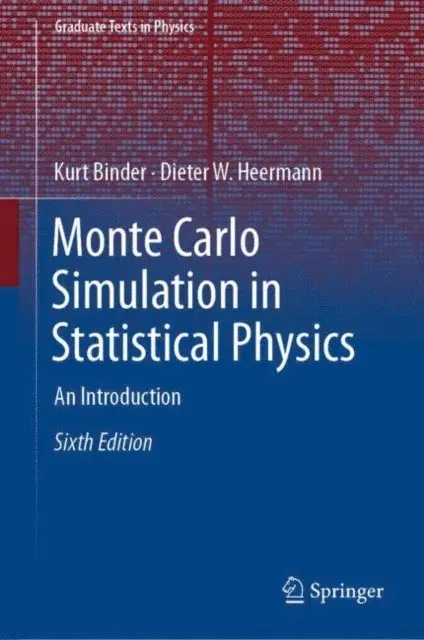
The sixth edition of this highly successful textbook provides a detailed introduction to Monte Carlo simulation in statistical physics, which deals with the computer simulation of many-body systems in condensed matter physics and related fields of physics and beyond (traffic flows, stock market fluctuations, etc.).
535 kr
Skickas inom 10-15 vardagar
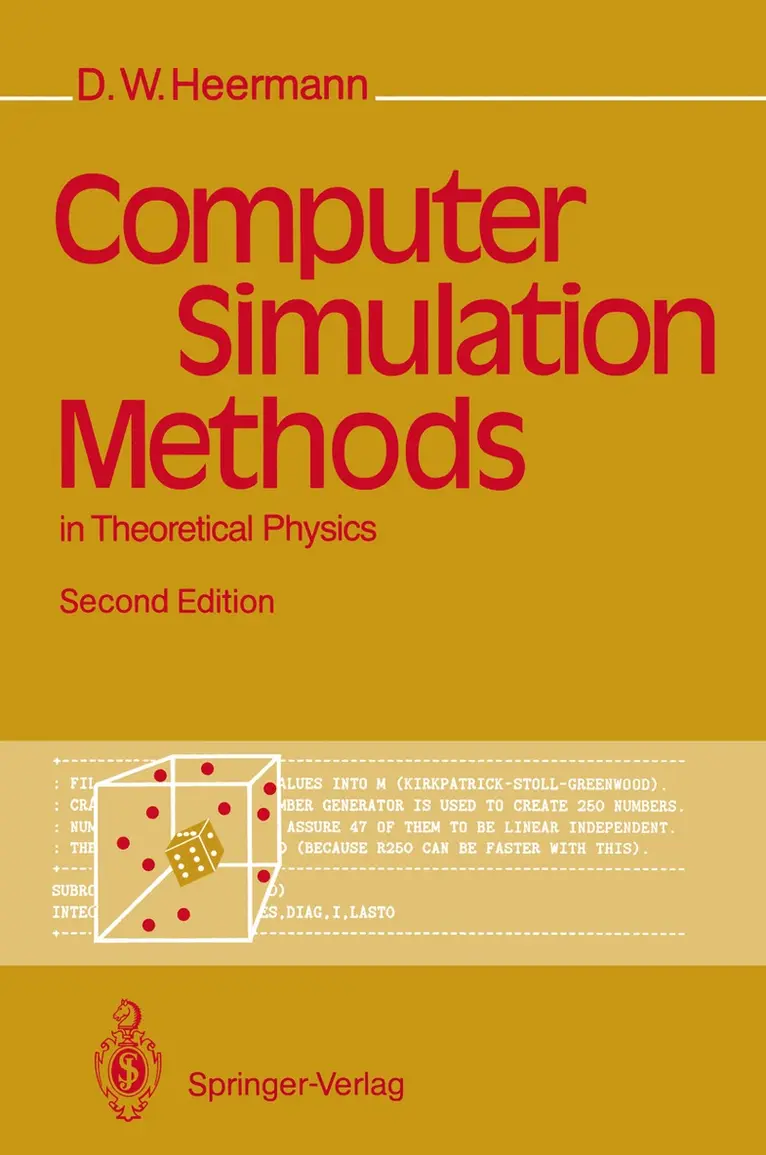
Computational methods pertaining to many branches of science, such as physics, physical chemistry and biology, are presented. The text is primarily intended for third-year undergraduate or first-year graduate students. However, active researchers wanting to learn about the new techniques of computational science should also benefit from reading the book. It treats all major methods, including the powerful molecular dynamics method, Brownian dynamics and the Monte-Carlo method. All methods are treated equally from a theroetical point of view. In each case the underlying theory is presented and then practical algorithms are displayed, giving the reader the opportunity to apply these methods directly. For this purpose exercises are included. The book also features complete program listings ready for application.
Del 24 - Springer Series in Information Sciences
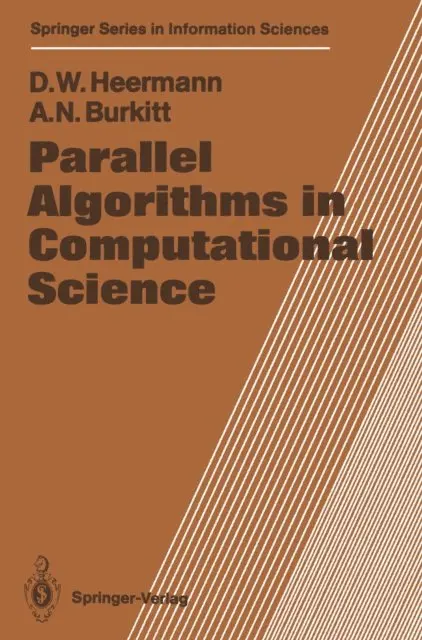
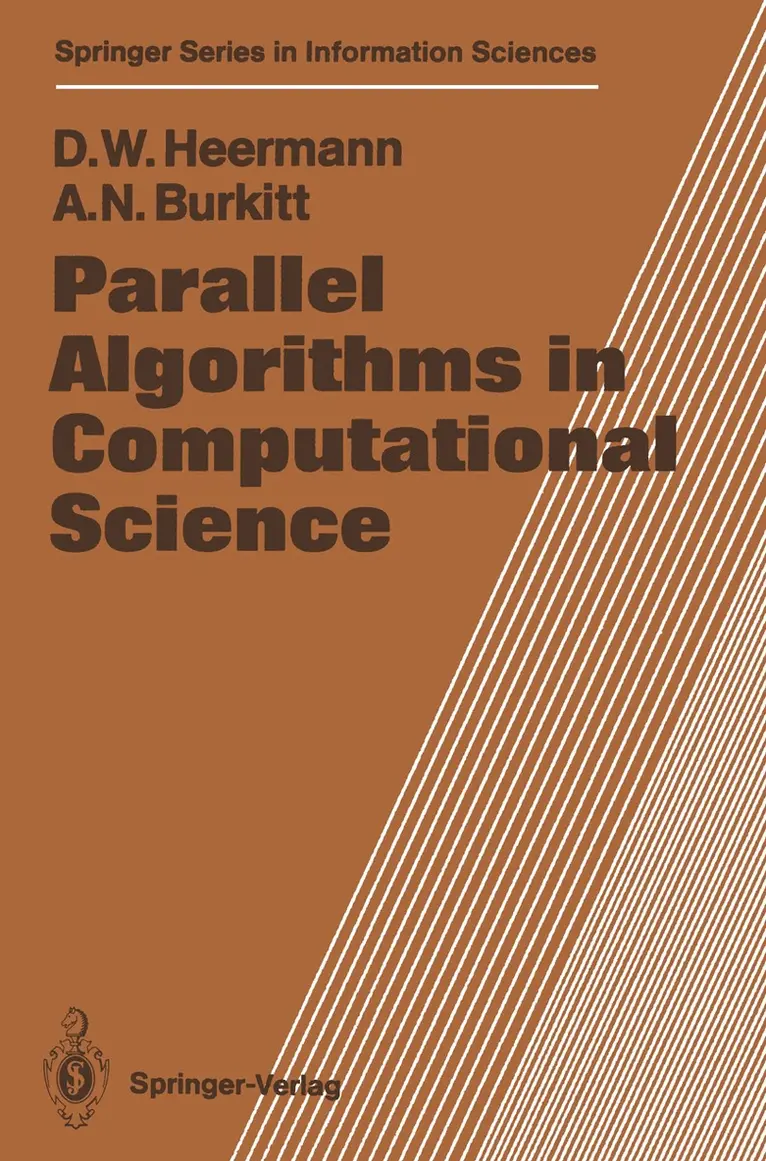
Parallel Algorithms in Computational Science
Häftad, Engelska, 2011
535 kr
Skickas inom 10-15 vardagar
Our aim in this book is to present and enlarge upon those aspects of parallel computing that are needed by practitioners of computational science. Today al most all classical sciences, such as mathematics, physics, chemistry and biology, employ numerical methods to help gain insight into nature. In addition to the traditional numerical methods, such as matrix inversions and the like, a whole new field of computational techniques has come to assume central importance, namely the numerical simulation methods. These methods are much less fully developed than those which are usually taught in a standard numerical math ematics course. However, they form a whole new set of tools for research in the physical sciences and are applicable to a very wide range of problems. At the same time there have been not only enormous strides forward in the speed and capability of computers but also dramatic new developments in computer architecture, and particularly in parallel computers. These improvements offer exciting prospects for computer studies of physical systems, and it is the new techniques and methods connected with such computer simulations that we seek to present in this book, particularly in the light of the possibilities opened up by parallel computers. It is clearly not possible at this early stage to write a definitive book on simulation methods and parallel computing.