Dilip Sarkar MBE FRHistS FRAeS – författare
Visar alla böcker från författaren Dilip Sarkar MBE FRHistS FRAeS. Handla med fri frakt och snabb leverans.
9 produkter
9 produkter
Spitfire’s Story
The Invisible Thread: Spitfire R6644 and the Pilots Who Flew It
Inbunden, Engelska, 2025
307 kr
Skickas
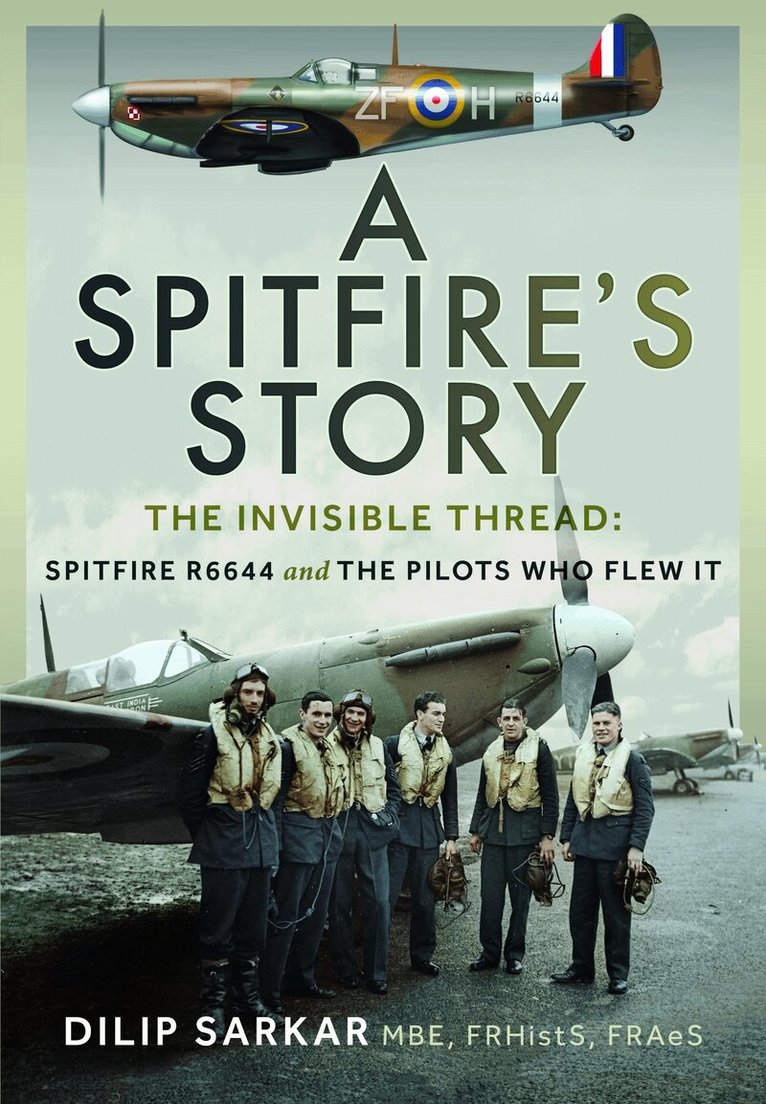
Public affection for the iconic Spitfire endures; indeed, if anything, it increases as more of these incredible aircraft are restored to airworthy condition. The Spitfire story, however, is one of people, designers, engineers, pilots, groundcrew, and more, whose lives were touched in some way by this extraordinary machine – and such stories are the inspiration for this book.Spitfire Mk.IA R6644 was built by Supermarine at Woolston, and test-flown by the famous test pilot Jeffrey Quill on 30 May 1940. Thereafter, the aircraft was taken on charge by 5 Operational Training Unit at Aston Down. While there, it was flown by a number of The Few, new replacement pilots converting to type.It is likely, for example, that R6644 was flown by Pilot Officer Richard Hillary, who, shot down and badly burned, became a member of the Guinea Pig Club. In his classic memoir The Last Enemy, Hillary described how 5 OTU’s young pilots would fly beneath the arches of the great railway bridge spanning the Severn estuary. This inspired the famous scene in the 1980s TV series Piece of Cake, when Ray Hanna flew Spitfire MH434 beneath a bridge for the cameras. Amongst the other pilots known to have flown R6644 at Aston Down are at least two aces. On 26 February 1941, R6644 was handed on to 65 Squadron. One of the latter’s pilots who flew in R6644 was the great ace Flying Officer Brendan ‘Paddy’ Finucane DFC. In April, R6644 was taken on charge by the recently formed 308 (Polish) Squadron. On 11 May 1941, Pilot Officer Franciszek Surma was flying R6644 to investigate an unidentified radar plot, which transpired to be a friendly Blenheim, but was forced to abandon the Spitfire near Malvern, Worcestershire, owing to an engine fire. Surma, again one of The Few, descended safely by parachute; he was reported missing off Dunkirk during Circus 110 on 8 November 1941.This book not only explores the men who flew R6674 throughout its wartime service, but also brings the story up to date by detailing the excavation of the Spitfire’s crash site in 1987.
242 kr
Skickas
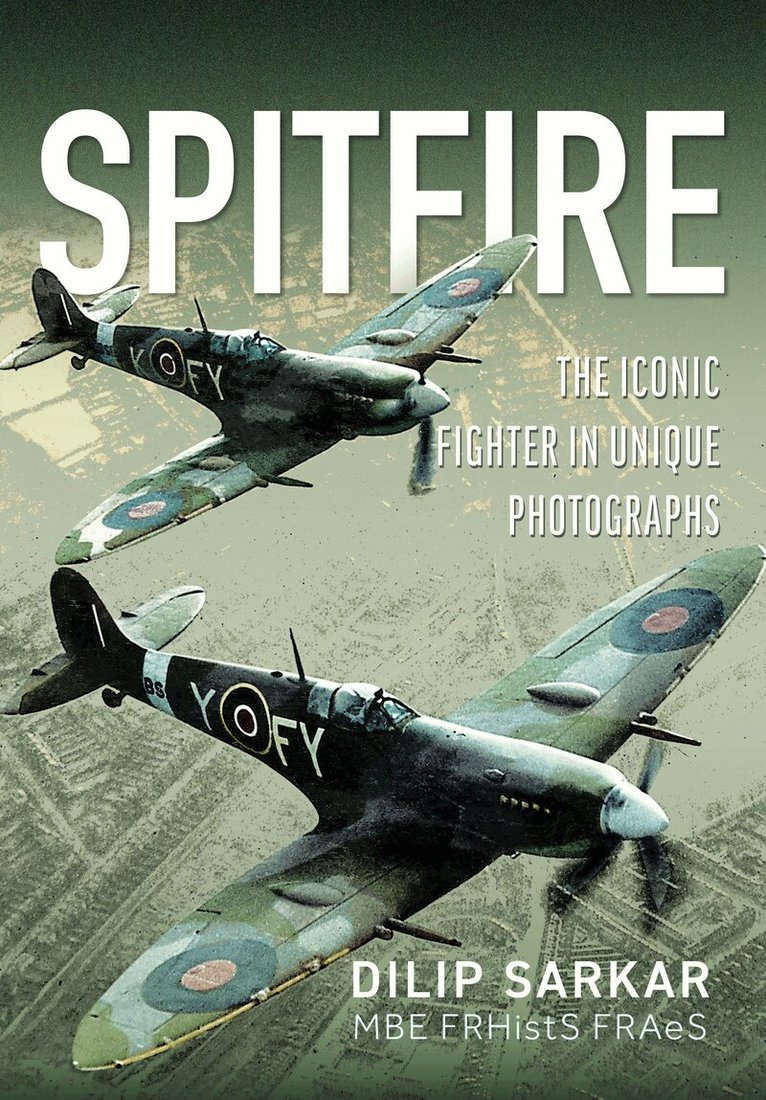
The Supermarine Spitfire is one of the most iconic fighters of all time. First flown just before the Second World War, interest in this remarkable aircraft endures.Intended as a close-range interceptor, the Spitfire actually performed in roles that had never been envisaged by its designer, R.J. Mitchell. This included being operated as a long-range bomber escort fighter, fighter-bomber, night-fighter, or photographic reconnaissance aircraft; there was even a naval version, the Seafire, that was flown from aircraft carriers.The Spitfire flew and fought on every front, in every theatre – even on the Eastern Front where examples of the Mk.Vb, supplied to the Russians under Lend-Lease, were operated by the Soviet Air Force. The battle honours that could be applied to the Spitfire cover every major battle and campaign of the Second World War, from the Battle of Britain to the fighting in the Western Desert and jungles of Burma. Furthermore, the Spitfire was operated by many other countries, including the United States. Developed through twenty-four variants, the Spitfire remained in service with many air forces long after 1945. Little wonder, then, that the fascination in R.J. Mitchell’s little fighter is not only durable, but global.Countless photographs have been taken of the Spitfire, including innumerable high-quality press photographs. During the Second World War, however, private photography on service installations was prohibited – but, nevertheless, some personnel, aircrew and groundcrew alike, took furtive snapshots. Forming the basis of this book, these amateur images providing us with an authentic and candid window on the past. Drawing on a unique collection of rare archive images, the renowned aviation historian Dilip Sarkar MBE, RHistS, FRAeS, explores the history of the Spitfire from its inception and first flight in 1936, through its introduction to service and then its service to the Allied nations throughout the Second World War.
265 kr
Kommande
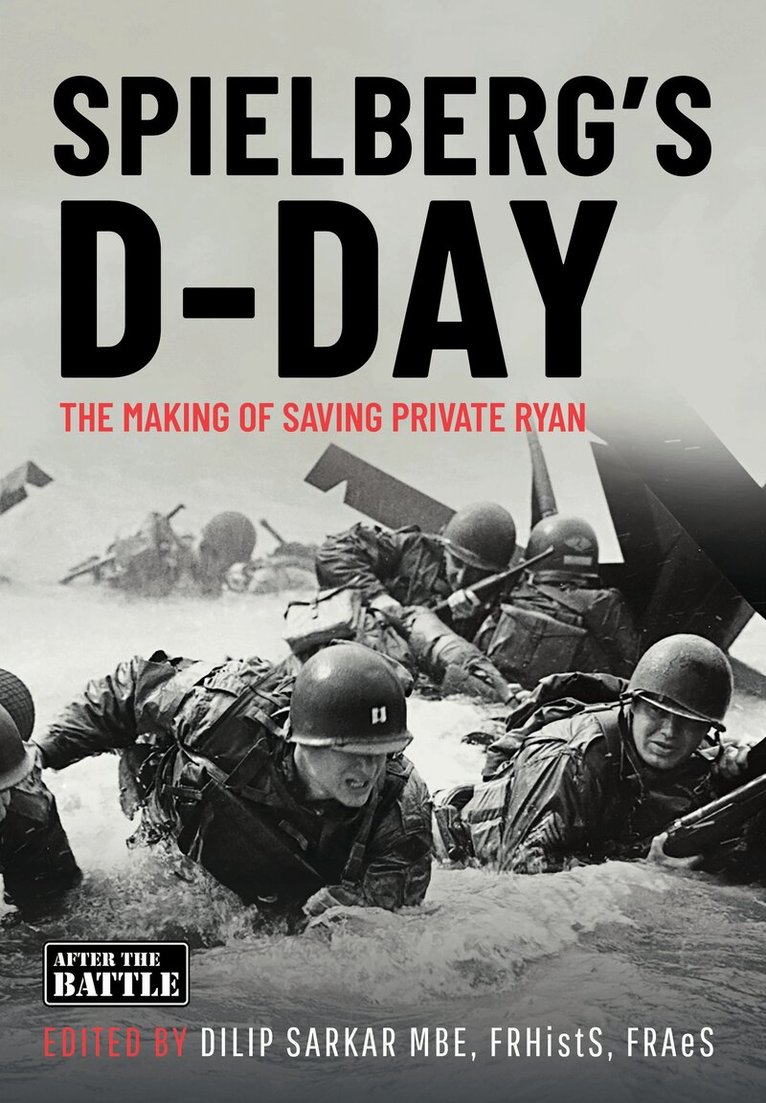
“Tell it the way it really was,” urged US Army veterans to Steven Spielberg as he prepared to depict the D-Day landings at Omaha Beach in Saving Private Ryan. Released in 1998 to critical acclaim, the film delivered an unprecedentedly realistic portrayal of war, hailed as one of the most impactful war films of the twentieth century.Scriptwriter Robert Rodat was inspired by a war memorial in New Hampshire, where repeated family names across conflicts sparked the fictional story of Private James Ryan. After losing three brothers in combat, Ryan is to be brought home by Captain Miller (Tom Hanks) and his squad. While fictional, the story closely mirrors real-life cases like the Niland brothers, one of whom was pulled from Normandy after the deaths of his siblings.To ensure authenticity, Spielberg immersed the cast in military training, teaching them to handle period weapons like the M1 Garand and Browning Automatic Rifle with precision. Omaha Beach was meticulously recreated in Wexford, Ireland, alongside other detailed sets to bring the battle to life.Though undeniably a Hollywood production, Spielberg’s commitment to realism and the veterans’ experiences set Saving Private Ryan apart, blending drama with an unflinching portrayal of the brutality of war.
Blitzkrieg 1940
Defying Hitler: Two VCs and the Forgotten Infantry Battle of 21 May 1940
Inbunden, Engelska, 2026
368 kr
Skickas
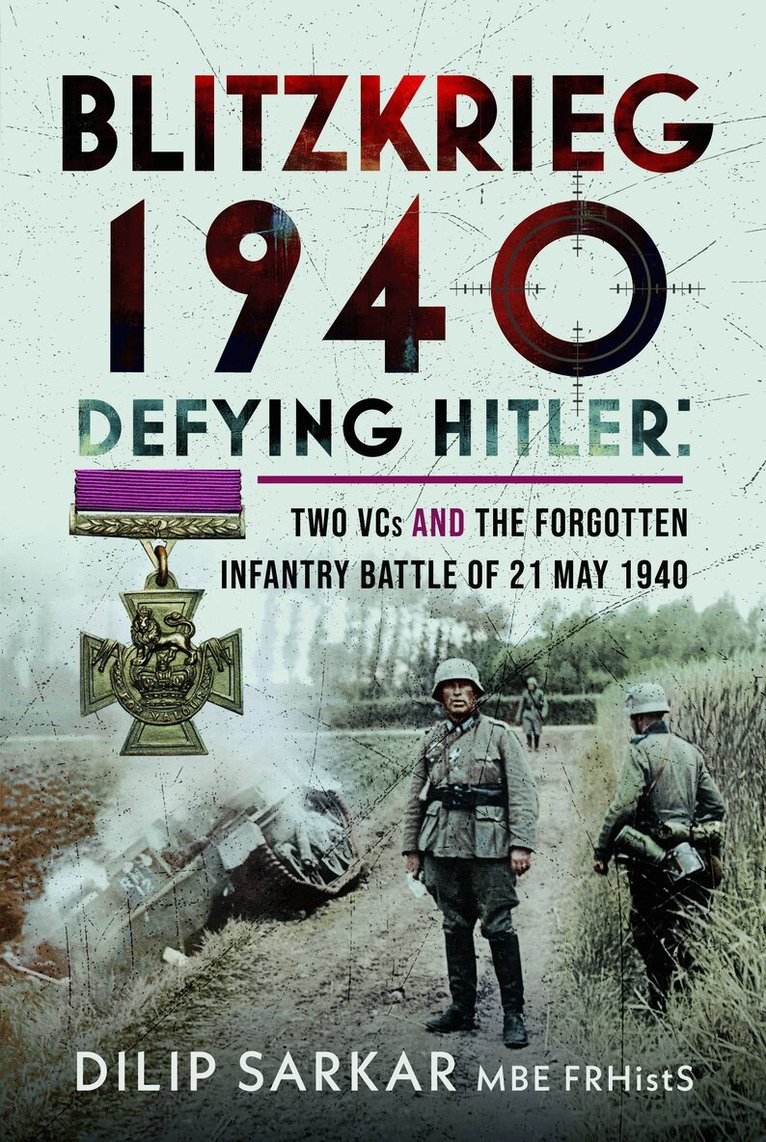
When Britain mobilised for war in September 1939, large numbers of reservists were re-called to the colours. One of these men was the author’s grandfather, Guardsman H.H. Smith, who re-joined the 3rd Battalion, Grenadier Guards. The 3rd Grenadiers were part of 1st Guards Brigade and among the first troops to go to France as part of the British Expeditionary Force. When Hitler’s forces struck on 10 May 1940, the BEF was forced to pivot into Belgium, intending to stop the Germans at the River Dyle. By the evening of Monday, 20 May 1940, five British and two Belgian infantry divisions were aligned along a thirty-two-mile front on the west bank of the River Escaut. It was there that General Gort intended to stand and fight. It was the following day that all hell broke loose. Following a devastating and protracted barrage, the five opposing German divisions attempted assault river crossings, but only managed to achieve temporary footholds on the west bank of the Escaut near Tournai and Pecq. At the former, the Germans were repelled by the Royal Norfolks, Sergeant Major George Gristock later receiving the Victoria Cross for his ‘signal act of valour’ that day. Similarly, near Pecq, Lance-Corporal Harry Nicholls of the 3rd Grenadiers also displayed gallantry that would be recognised with the award of the VC. In both cases, the Germans were repulsed. Despite the gallant stand by his men, Gort had no option but to withdrew once again. To have held the line along the thirty-two-mile front in some of the heaviest fighting of the Blitzkrieg was a stunning achievement – but, incredibly, it is not mentioned in the campaign’s Official History. In this book, researched over thirty years with the cooperation of survivors and the families of casualties, as well as the Grenadier Guards themselves, the author tells the full story of the 1st Guards Brigade during the Dunkirk Campaign and some of the of the earliest Victoria Crosses awarded in the Second World War.
508 kr
Kommande
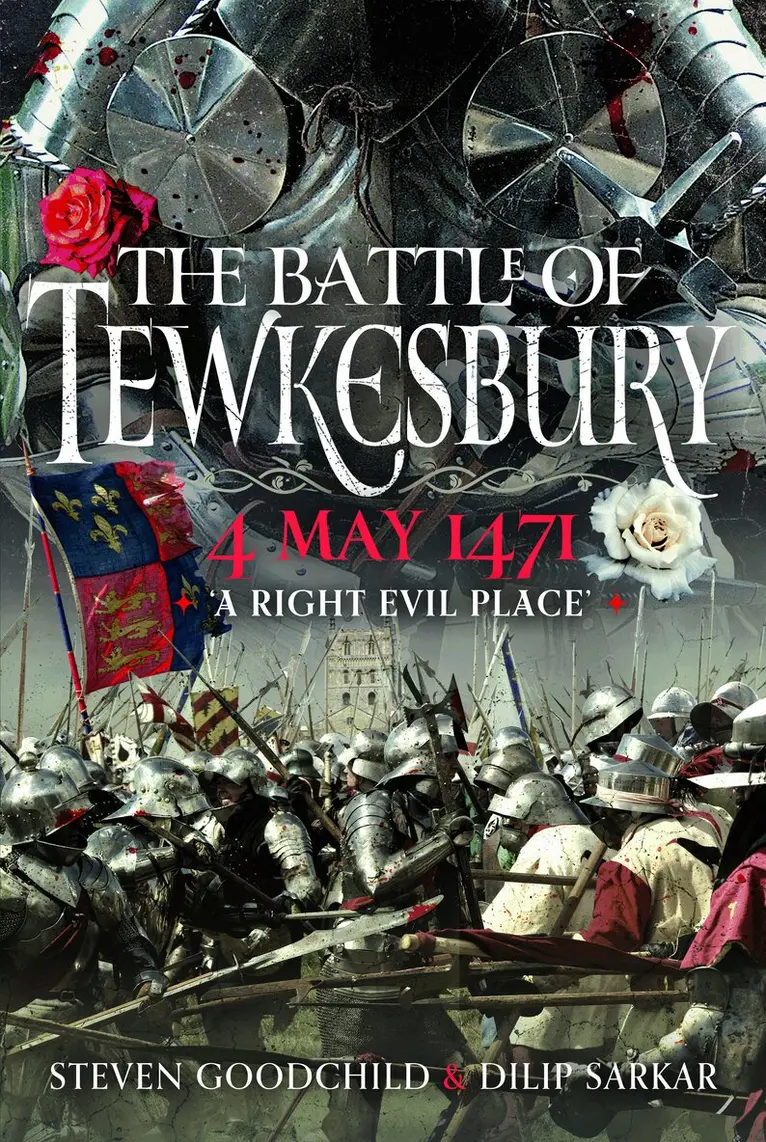
The great Medieval battle at Tewkesbury, occurring on Saturday, 4 May 1471, saw the House of Lancaster finally defeated in the series of bloody conflicts known today as the Wars of the Roses.After the Lancastrians were defeated at the Battle of Towton in 1461, King Henry VI was imprisoned. His Queen, Margaret of Anjou, and son, Edward of Westminster, fled to France and exile. Temporarily, the Yorkist King Edward IV’s throne was secure. The King’s cousin, however, was the powerful Richard Neville, Earl of Warwick; the pair became estranged when Edward secretly married Elizabeth Woodville, widow of a mere country knight, dashing Warwick’s efforts to secure a diplomatic match with France.Accused of treason, Warwick and Edward’s brother, George, Duke of Clarence, escaped to France. Warwick’s only hope was to restore Henry VI, and he entered into an unholy alliance with his former sworn enemy, Margaret. Warwick returned to England, raised an army, forcing Edward into exile in Flanders, and restored Henry VI.Edward, however, received aid from the Duke of Burgundy, returned to England, and met Warwick at the Battle of Barnet on 14 April 1471. Dense fog made for a confusing fight, in which Warwick was killed. On the same day, Margaret and Prince Edward landed at Weymouth, intending to march north and combine with other Lancastrian forces. Two days later, King Edward, hearing of Margaret’s presence, readied his army. Margaret needed to cross the Severn, but the gates of Gloucester were barred, forcing the Lancastrians, who outnumbered the Yorkists by several hundred, to continue on towards the next bridge at Upton. Just over half way, after a lightning-quick march, King Edward caught Margaret’s army at Tewkesbury, a place bisected by streams and rivers; little wonder, then, that a chronicle later described Tewkesbury as ‘A right evil place’.At the pivotal moment in the battle that ensued, Edward committed his 200 spears to battle. This broke the Lancastrian resolve, and the survivors fled. Prince Edward was amongst the slain. Having lost her son and the Lancastrian’s last hope, Margaret was a broken woman. Possibly captured near Malvern, on 21 May 1471, Edward rode in triumph through London with Margaret, the defeated Lancastrian ‘She Wolf’, beside him for all to see. That night, King Henry died in the Tower of London, most likely murdered by the Yorkists.In this book, Steven Goodchild and Dilip Sarkar not only uncover the story of what happened at Tewkesbury in May 1471, but take the reader on an insightful tour of the battlefield as it is today.
177 kr
Skickas
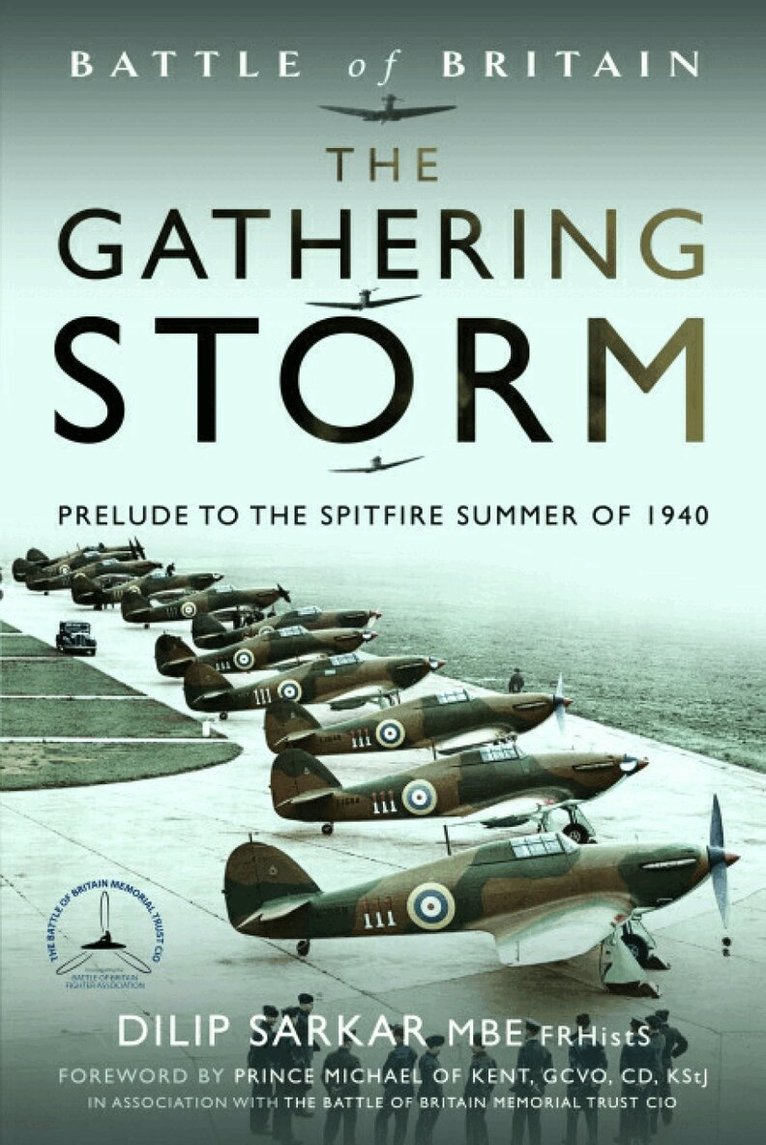
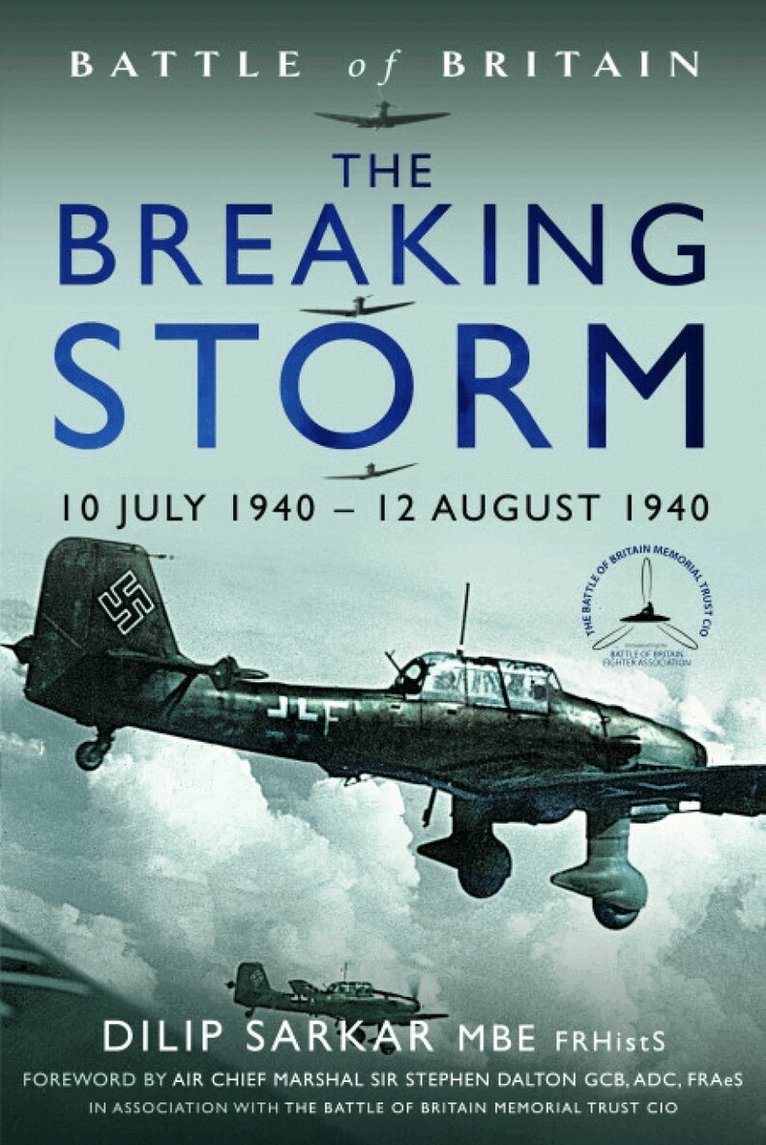
Dilip Sarkar, renowned for his meticulous research, delves into the Battle of Britain in this first volume of an eight-part series. His evidence-based approach offers a comprehensive view of the 1940 aerial conflict, exploring the development of air power, Britain’s defense, the German strategy, the Home Front, and political events. Sarkar goes beyond the well-known narrative, revealing new human stories and events.The book traces the conflict's background, including the German invasion of Norway, the Fall of France, and the air battles over Dunkirk. Sarkar questions the official start date of the Battle of Britain, arguing that the fighting began earlier, on 2 July 1940. A detailed, day-by-day account follows, acknowledging aircrews lost before 10 July and recognizing contributions from Bomber and Coastal commands, not just the pilots of Spitfires and Hurricanes.Sarkar’s research, based on official sources and personal accounts, challenges many myths and the accepted narrative. This work is more than a record of combat losses; it’s a deep dive into the broader context of the battle, drawing on unique firsthand accounts, intelligence reports, and political documents. It’s an unprecedented look at the Battle of Britain and its far-reaching implications.
265 kr
Skickas
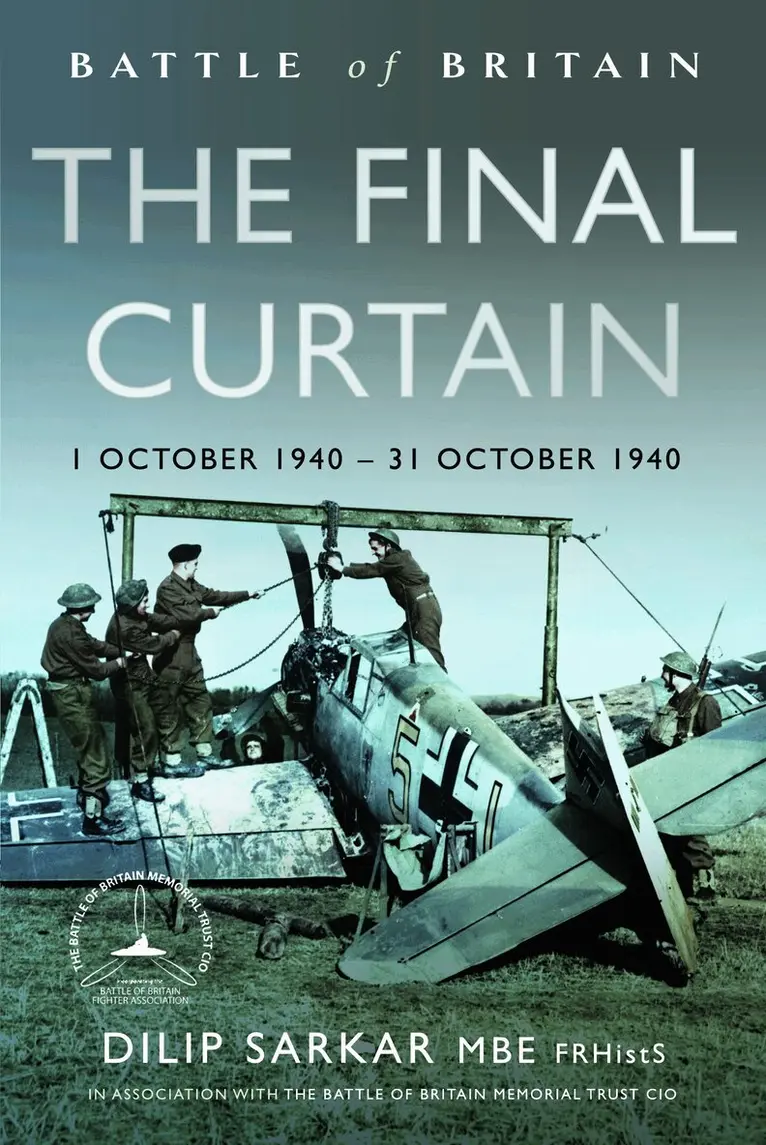
In the seventh volume of Dilip Sarkar’s groundbreaking eight-part series, the day-to-day events of the fifth and final phase of the Battle of Britain are meticulously chronicled. This volume not only details every raid and squadron action but also places them within a broader context, including the roles of Bomber and Coastal Commands and the impact on the Home Front.Sarkar, renowned for his evidence-based research, revisits primary sources to challenge established narratives. This series represents the most comprehensive and up-to-date research on the Battle of Britain, standing out in its extensive bibliography.Volume 6 explored Reichsmarschall Göring’s determination to continue Luftwaffe attacks despite mounting losses. By late September 1940, the German He 111 bombers were shifted to night operations due to unsustainable daylight losses. The final phase saw Me 109 fighter-bombers and high-altitude fighter sweeps dominating daylight engagements. While these tactics were unlikely to defeat Britain, RAF pilots recall this period as the most grueling, with intense high-altitude dogfights between Spitfires and Me 109s.This volume concludes with a review of October 1940’s key events, questioning the month’s designation as the battle’s end and reflecting on the overall significance of the summer’s aerial engagements. Sarkar’s work provides invaluable insight into this critical phase of World War II.
307 kr
Skickas
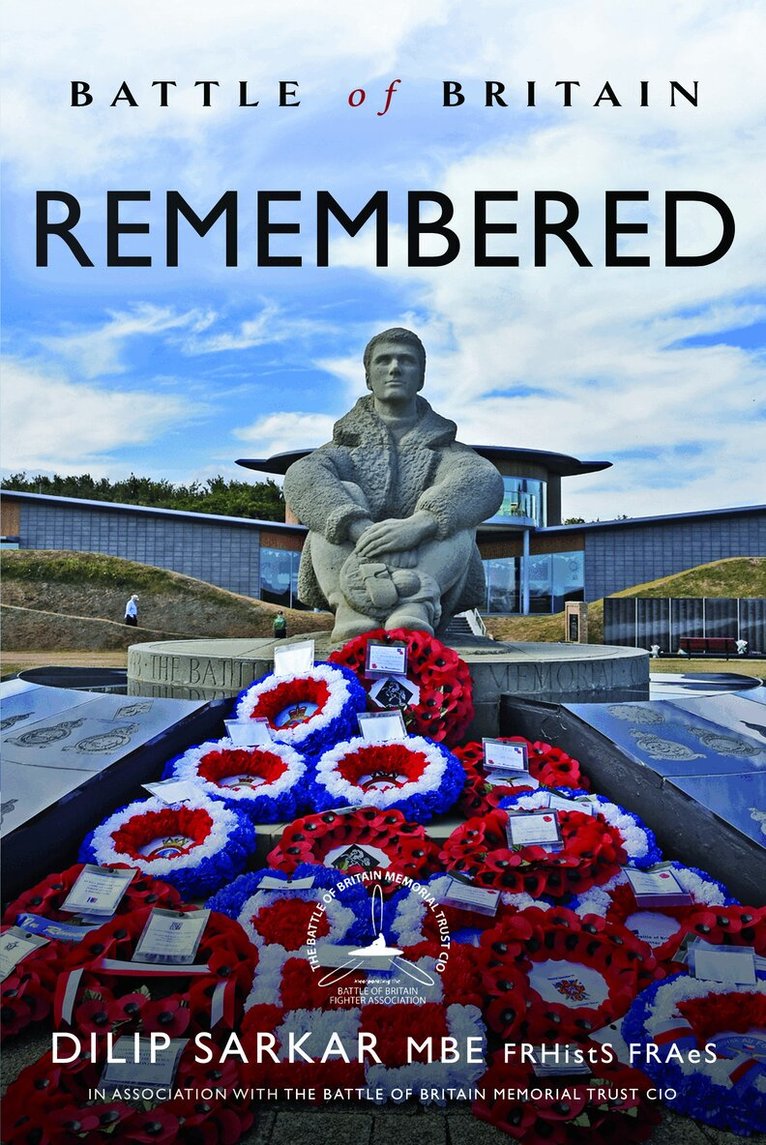
The summer of 1940 marked a pivotal moment in the Second World War. Following the Fall of France, Britain and the Commonwealth stood alone against the threat of Nazi Germany. With the prospect of invasion looming and Hitler’s forces undefeated, the outlook appeared bleak. As the new Prime Minister, Winston Churchill predicted, "the Battle of Britain is about to begin."Under the leadership of Reichmarshall Hermann Göring, the Luftwaffe sought to destroy the RAF and secure aerial supremacy, but Fighter Command’s young aircrew—immortalised by Churchill as "The Few"—resisted with great determination. Over sixteen weeks, from 10 July to 31 October 1940, nearly 3,000 aircrew fought, with 544 losing their lives. Their sacrifice was supported by the RAF, Allied forces, and the civilian population, all playing vital roles in the struggle.In his eight-volume series, Dilip Sarkar MBE, FRHistS, explores the Battle of Britain with a meticulous evidence-based approach. Drawing on primary sources, Sarkar challenges popular narratives while providing comprehensive day-by-day accounts of every raid, squadron action, and strategic operation, including Bomber and Coastal Command activities and the impact on the Home Front. Produced in collaboration with the Battle of Britain Memorial Trust, this series offers the most up-to-date research available.This final volume focuses on how the Battle of Britain has been commemorated over time and examines its cultural and historical significance. Concluding with a comprehensive directory of memorials, museums, and sites related to the battle, the book serves as an essential guide for those interested in exploring these locations and connecting with the dramatic events of 1940.
266 kr
Kommande