Dion C. Smythe – författare
Visar alla böcker från författaren Dion C. Smythe. Handla med fri frakt och snabb leverans.
7 produkter
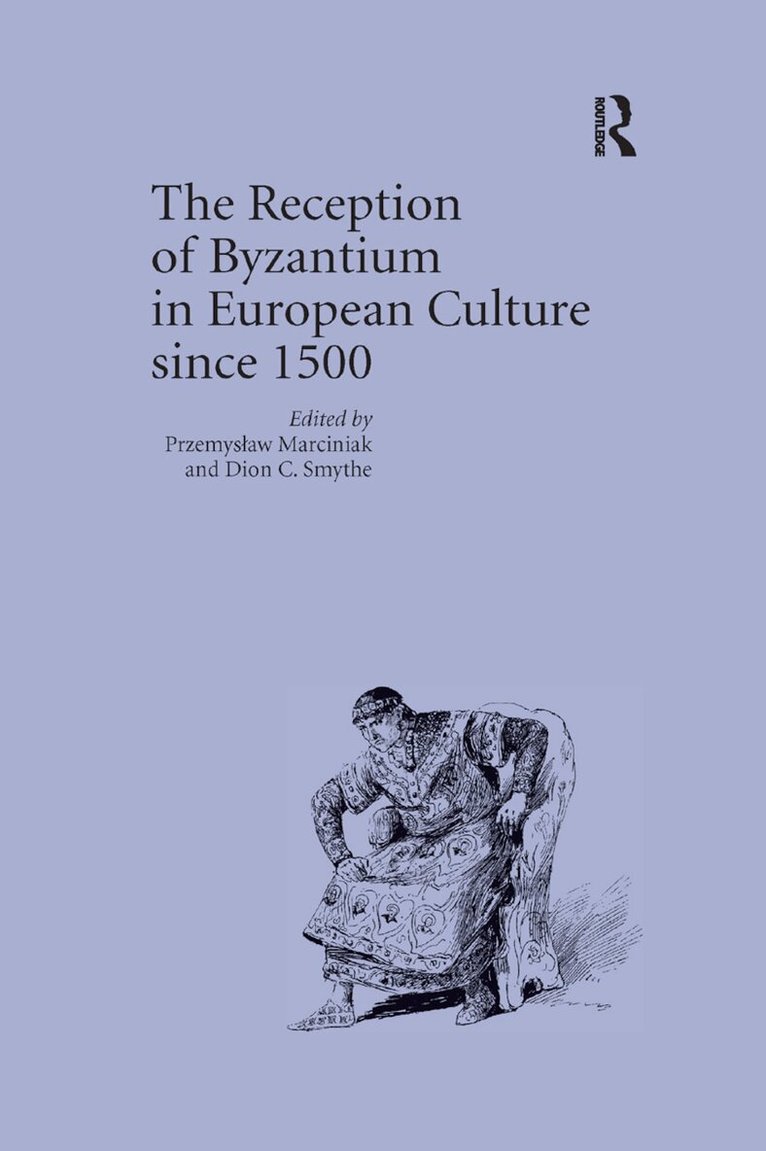
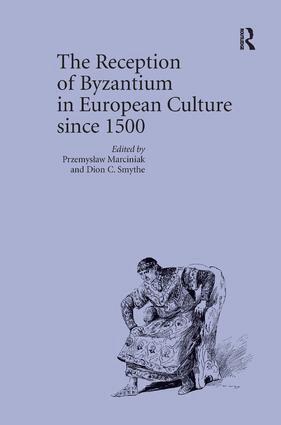
Reception of Byzantium in European Culture since 1500
Av Przemyslaw Marciniak, Dion C. Smythe
Häftad, 2019
727 kr
Lägg i varukorg
Studies on the reception of the classical tradition are an indispensable part of classical studies. Understanding the importance of ancient civilization means also studying how it was used subsequently. This kind of approach is still relatively rare in the field of Byzantine Studies. This volume, …
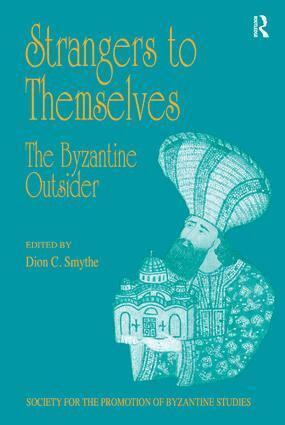
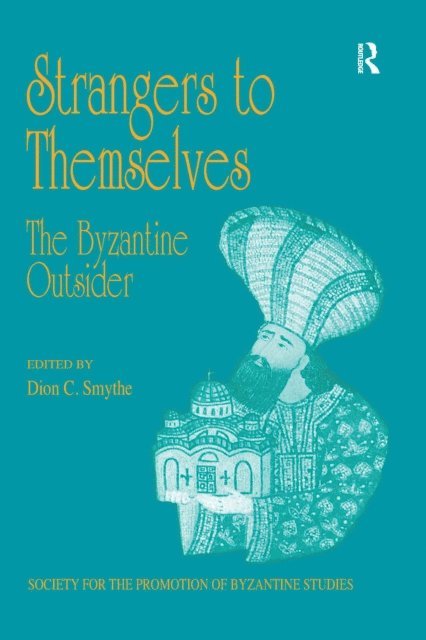
Strangers to Themselves: The Byzantine Outsider
Papers from the Thirty-Second Spring Symposium of Byzantine Studies, University of Sussex, Brighton, March 1998
Inbunden, 2000
3262 kr
Lägg i varukorg
March 1998 saw Byzantinists gathering together at the University of Sussex in Brighton, for the annual symposium held by the Society for the Promotion of Byzantine Studies. Their aim was to consider the question of the 'Byzantine outsider'. Some categories of outsiders appear clear and simple: …
Reception of Byzantium in European Culture since 1500
Av Dion C. Smythe, Przemyslaw Marciniak
E-bok, 2017
956 kr
Lägg i varukorg
Studies on the reception of the classical tradition are an indispensable part of classical studies. Understanding the importance of ancient civilization means also studying how it was used subsequently. This kind of approach is still relatively rare in the field of Byzantine Studies. This volume, …
Reception of Byzantium in European Culture since 1500
Av Dion C. Smythe, Przemyslaw Marciniak
E-bok, 2017
935 kr
Lägg i varukorg
Studies on the reception of the classical tradition are an indispensable part of classical studies. Understanding the importance of ancient civilization means also studying how it was used subsequently. This kind of approach is still relatively rare in the field of Byzantine Studies. This volume, …
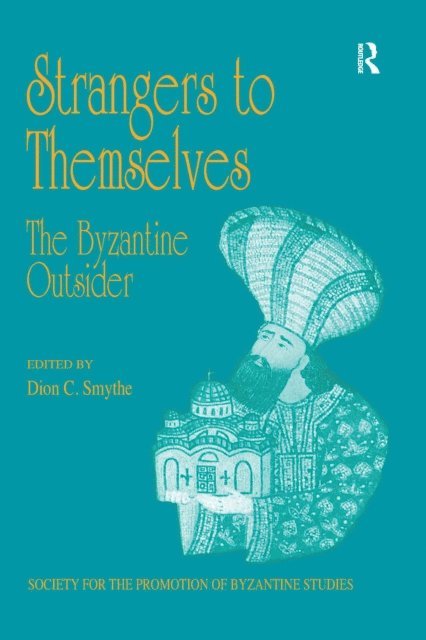
Strangers to Themselves: The Byzantine Outsider
Papers from the Thirty-Second Spring Symposium of Byzantine Studies, University of Sussex, Brighton, March 1998
E-bok, 2016
838 kr
Lägg i varukorg
March 1998 saw Byzantinists gathering together at the University of Sussex in Brighton, for the annual symposium held by the Society for the Promotion of Byzantine Studies. Their aim was to consider the question of the ''Byzantine outsider''. Some categories of outsiders appear clear and simple: …
Strangers to Themselves: The Byzantine Outsider
Papers from the Thirty-Second Spring Symposium of Byzantine Studies, University of Sussex, Brighton, March 1998
E-bok, 2016
856 kr
Lägg i varukorg
March 1998 saw Byzantinists gathering together at the University of Sussex in Brighton, for the annual symposium held by the Society for the Promotion of Byzantine Studies. Their aim was to consider the question of the ''Byzantine outsider''. Some categories of outsiders appear clear and simple: …
Reception of Byzantium in European Culture since 1500
Av Przemyslaw Marciniak, Dion C. Smythe
Inbunden, 2015
2595 kr
Lägg i varukorg
Studies on the reception of the classical tradition are an indispensable part of classical studies. Understanding the importance of ancient civilization means also studying how it was used subsequently. This kind of approach is still relatively rare in the field of Byzantine Studies. This volume, …