Dominika Uczkiewicz – författare
Visar alla böcker från författaren Dominika Uczkiewicz. Handla med fri frakt och snabb leverans.
3 produkter
3 produkter
Inbunden, Engelska, 2024
2 069 kr
Skickas inom 10-15 vardagar
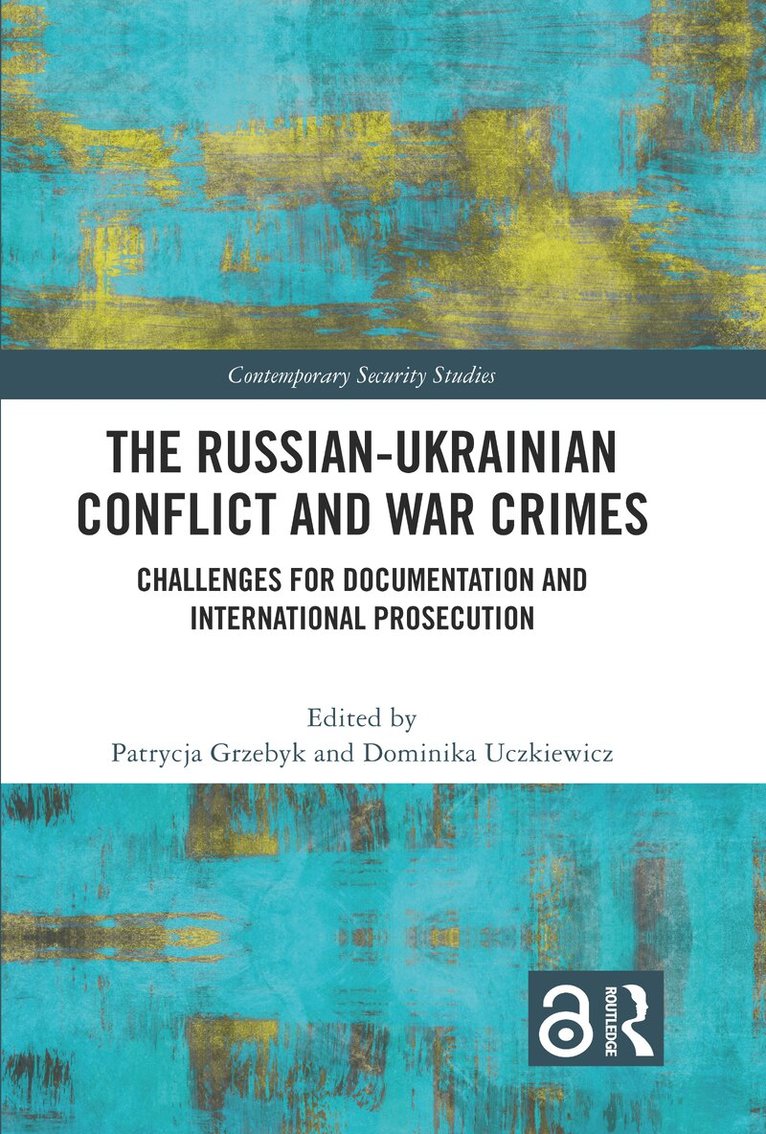
This book offers a multidisciplinary examination of the international crimes committed in the Russia-Ukraine War, and the challenges of their prosecution and documentation.As the largest international armed conflict in Europe since World War II, Russia’s war against Ukraine has provoked strong reactions and questions about the post-1945 world order, the utility of the war, and the effectiveness of international criminal justice. Throughout the chapters in this volume, scholars and legal practitioners from Canada, Germany, Poland, Ukraine, the UK, and the United States present the results of interdisciplinary research, insights from the perspective of other post-communist states, and first-hand expertise from directly working on the documentation and prosecution of these crimes. This offers a broader picture of post-Cold War relations and sheds light on the roots and nature of the war and the importance of regional approaches. The chapters also present some possible responses to the crimes committed in the conflict, with a focus on a victims-centered approach to transitional justice.This volume will be of interest to scholars and students of international criminal and humanitarian law, security studies, peace and conflict studies, and Eastern European history.An electronic version of this book is freely available, thanks to the support of libraries working with Knowledge Unlatched (KU). KU is a collaborative initiative designed to make high quality books Open Access for the public good. The Open Access ISBN for this book is 9781003493785. More information about the initiative and links to the Open Access version can be found at www.knowledgeunlatched.org
Häftad, Engelska, 2026
599 kr
Skickas inom 10-15 vardagar
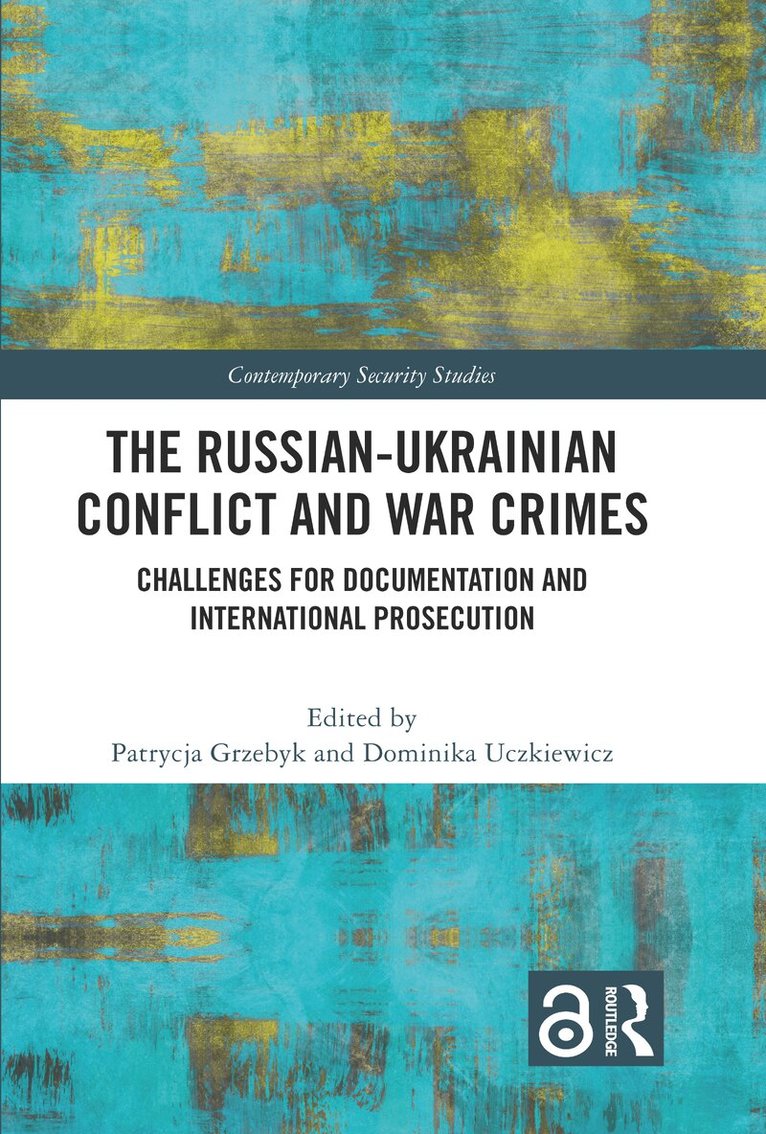
This book offers a multidisciplinary examination of the international crimes committed in the Russia-Ukraine War, and the challenges of their prosecution and documentation.As the largest international armed conflict in Europe since World War II, Russia’s war against Ukraine has provoked strong reactions and questions about the post-1945 world order, the utility of the war, and the effectiveness of international criminal justice. Throughout the chapters in this volume, scholars and legal practitioners from Canada, Germany, Poland, Ukraine, the UK, and the United States present the results of interdisciplinary research, insights from the perspective of other post-communist states, and first-hand expertise from directly working on the documentation and prosecution of these crimes. This offers a broader picture of post-Cold War relations and sheds light on the roots and nature of the war and the importance of regional approaches. The chapters also present some possible responses to the crimes committed in the conflict, with a focus on a victims-centered approach to transitional justice.This volume will be of interest to scholars and students of international criminal and humanitarian law, security studies, peace and conflict studies, and Eastern European history.An electronic version of this book is freely available, thanks to the support of libraries working with Knowledge Unlatched (KU). KU is a collaborative initiative designed to make high quality books Open Access for the public good. The Open Access ISBN for this book is 9781003493785. More information about the initiative and links to the Open Access version can be found at www.knowledgeunlatched.org
Inbunden, Engelska, 2026
1 639 kr
Skickas inom 3-6 vardagar
This book excavates the often neglected role of the Polish government-in-exile within the Allied war crimes trial programme and post-1945 international law. Drawing on newly examined archival sources and biographies of key émigré lawyers, it reveals how Polish and other European jurists helped define the concept of accountability for wartime atrocities long before the Allies convened at Nuremberg. Combining legal and historical approaches, this book traces the Central and Eastern European influences on the UN War Crimes Commission and Allied policy, showing how their ideas about justice, responsibility, victim’s perspective, and law continue to resonate in modern interpretations of the legacy of Nuremberg.