Don Beecher – författare
Visar alla böcker från författaren Don Beecher. Handla med fri frakt och snabb leverans.
18 produkter
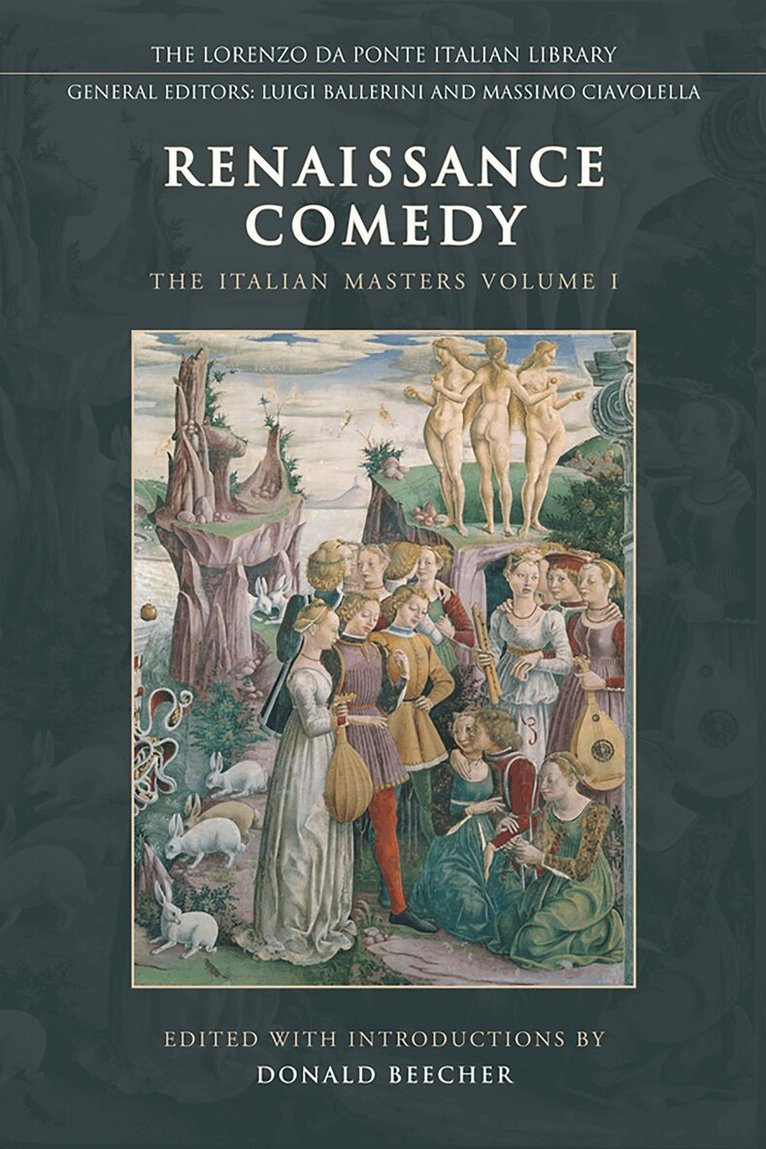
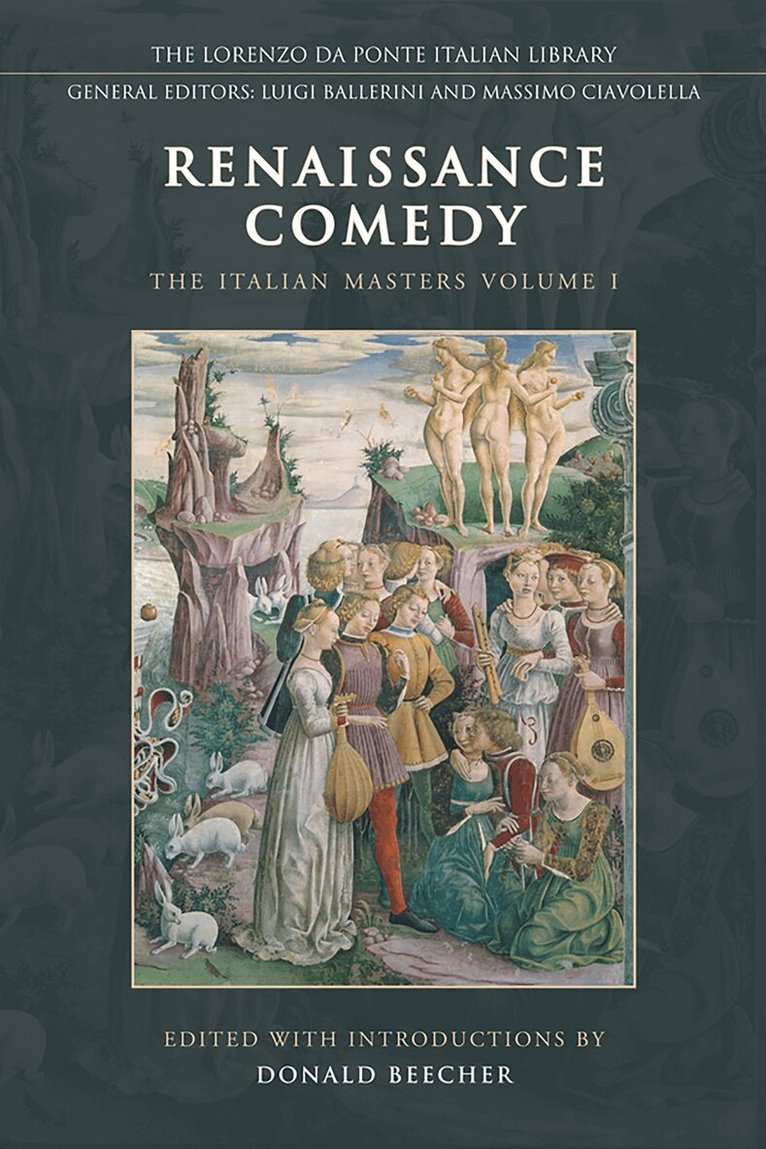
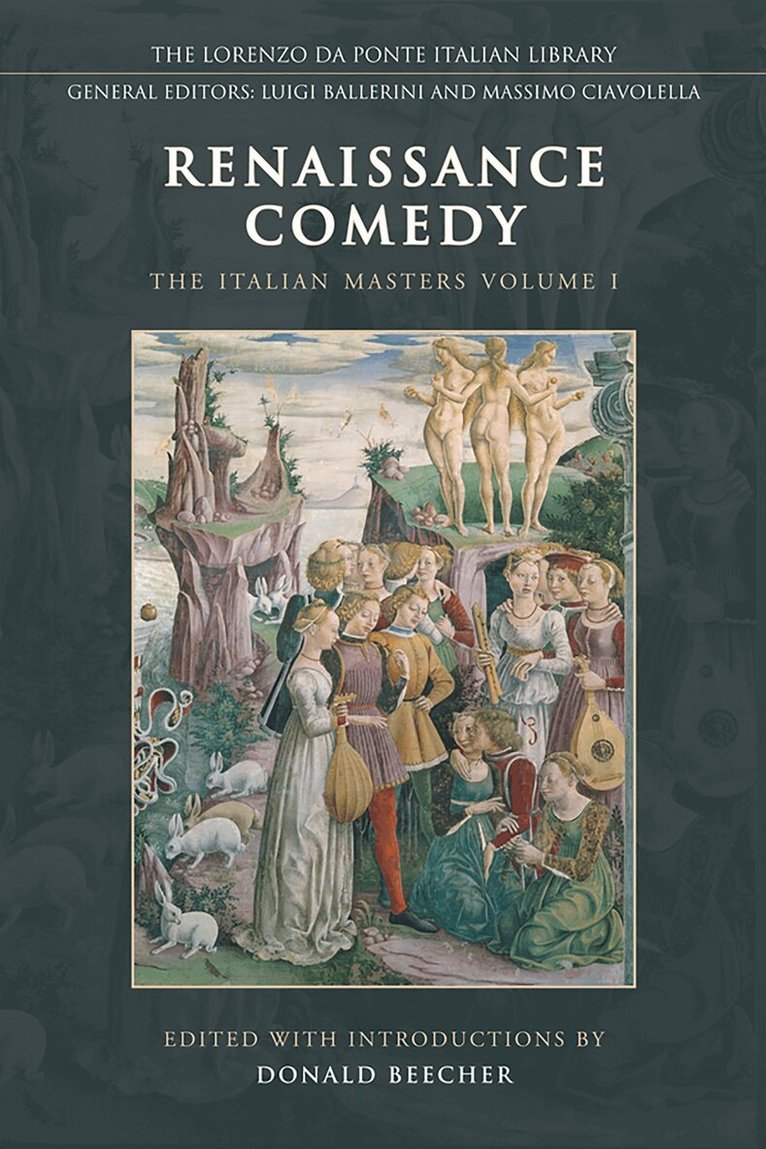
Renaissance Comedy
The Italian Masters - Volume 1
Inbunden, 2008
1283 kr
Lägg i varukorg
A rich and multi-faceted aspect of the Italian Renaissance, the comedy has been largely overlooked as a cultural force during the period. In Renaissance Comedy, editor Donald Beecher corrects this oversight with a collection of eleven comedies representative of the principal styles of writing that …
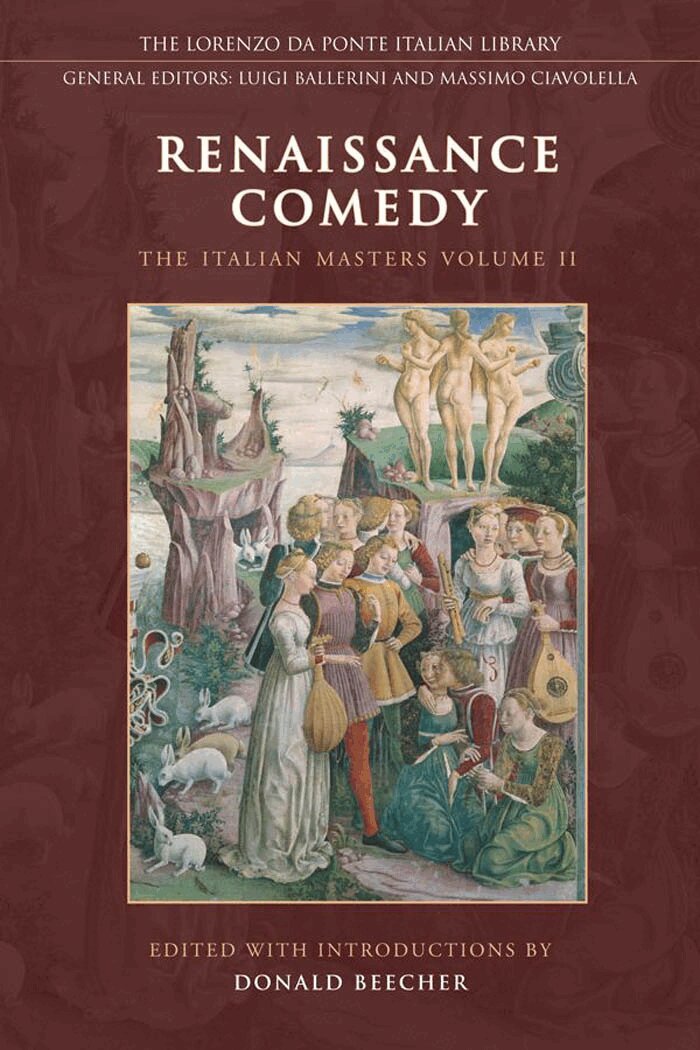
Renaissance Comedy
The Italian Masters - Volume 2
Häftad, 2009
573 kr
Lägg i varukorg
In this second volume of Renaissance Comedy, Donald Beecher presents six more of the best-known plays of the period, each with its own introduction, reading notes, and annotations. Beecher's general introduction, though stand-alone, complements and extends the historical and critical essay …
Renaissance Comedy
The Italian Masters - Volume 2
Inbunden, 2009
1251 kr
Lägg i varukorg
In this second volume of Renaissance Comedy, Donald Beecher presents six more of the best-known plays of the period, each with its own introduction, reading notes, and annotations. Beecher's general introduction, though stand-alone, complements and extends the historical and critical essay …
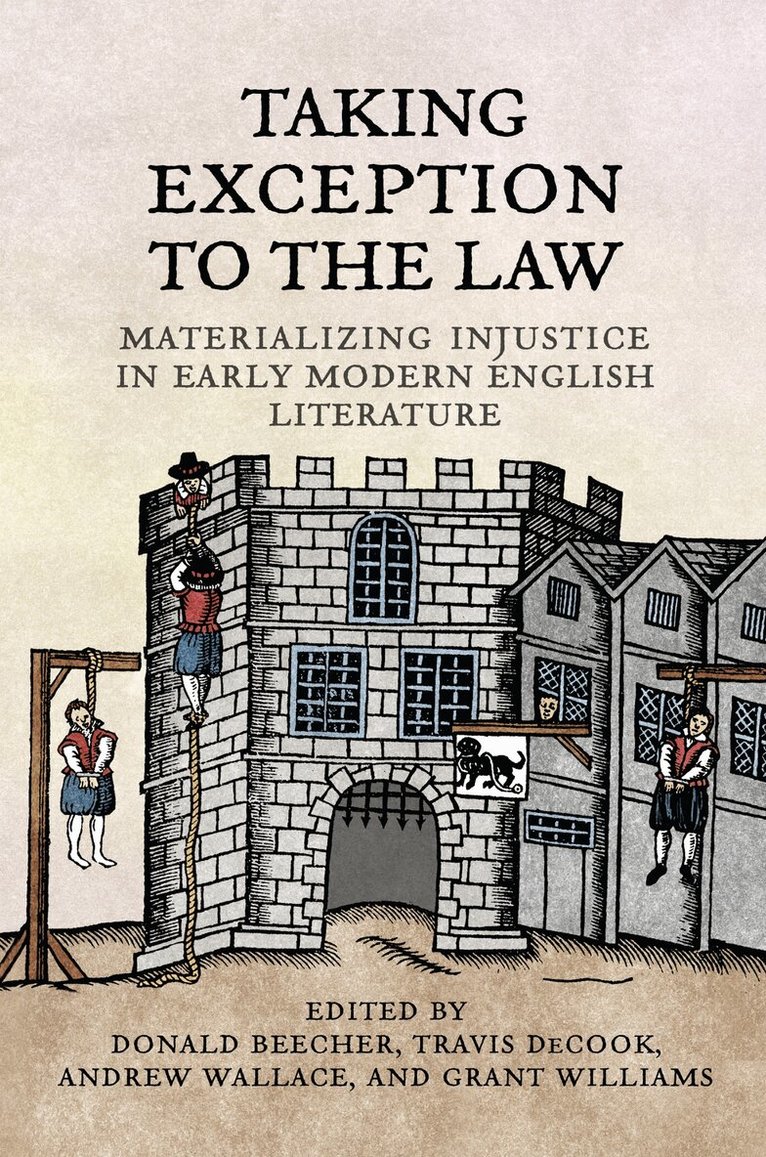
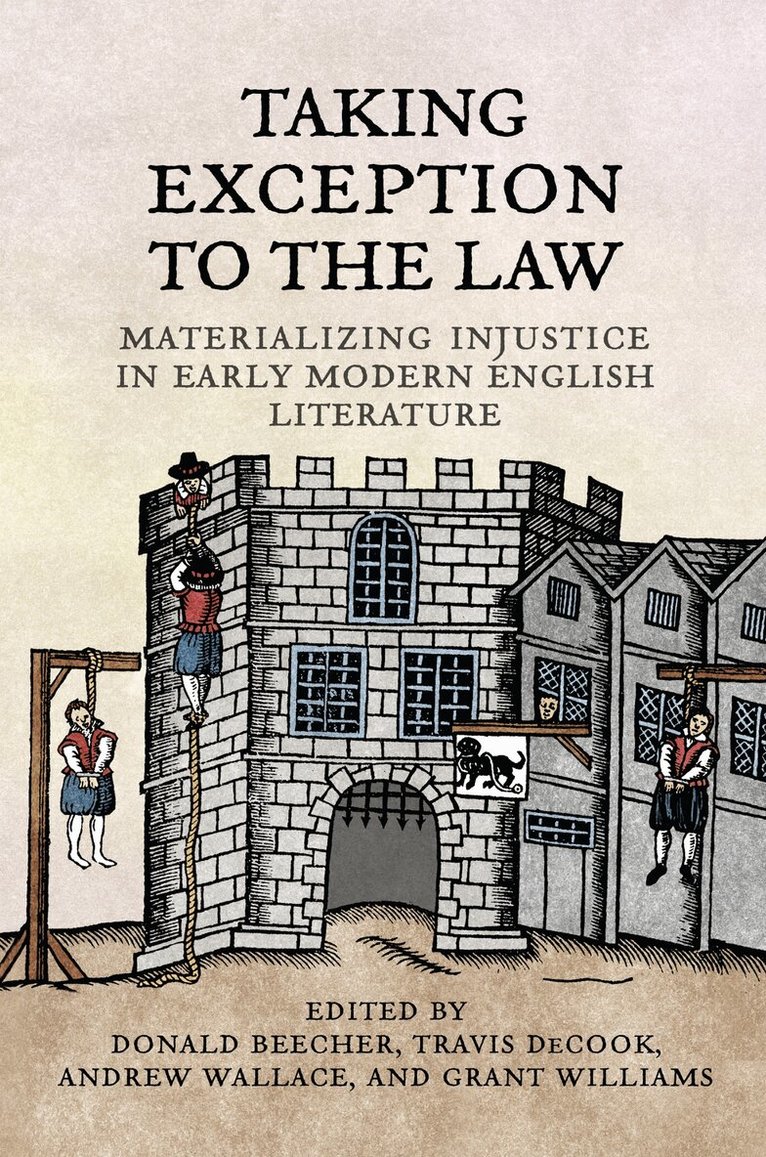
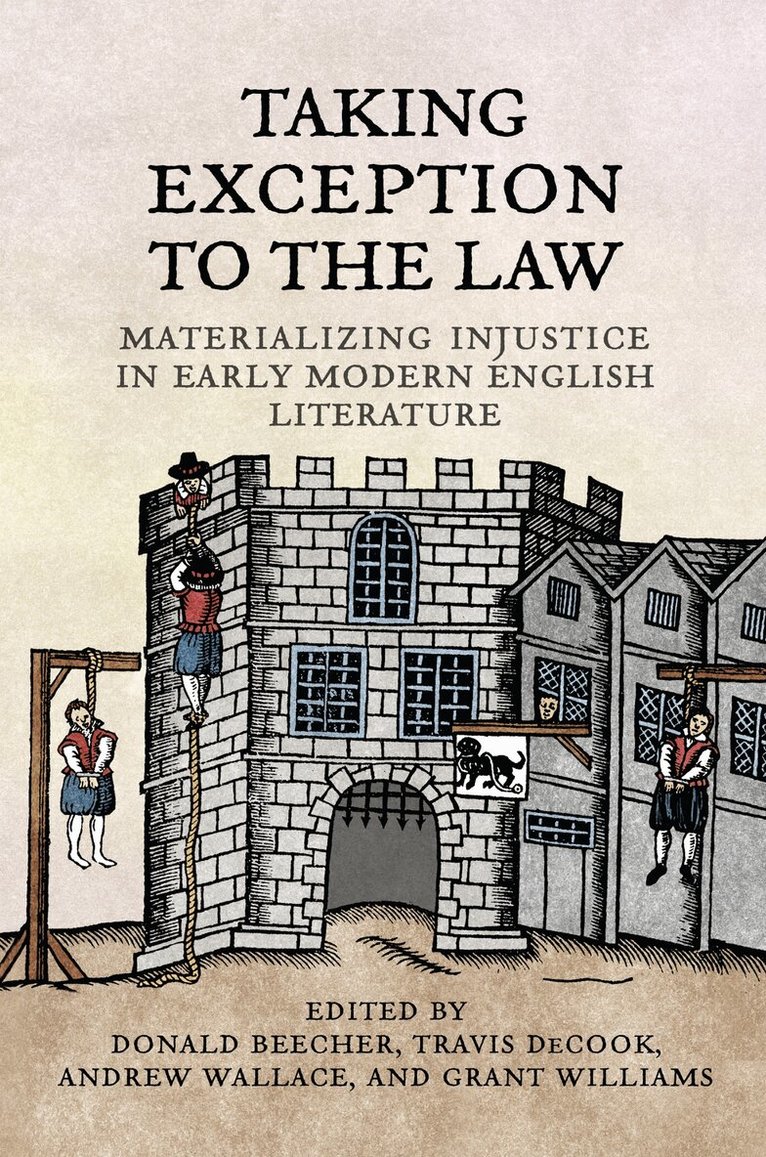
Taking Exception to the Law
Materializing Injustice in Early Modern English Literature
Av Don Beecher, Travis DeCook m. fl.
E-bok, 2015
1125 kr
Lägg i varukorg
Taking Exception to the Law explores how a range of early modern English writings responded to injustices perpetrated by legal procedures, discourses, and institutions. From canonical poems and plays to crime pamphlets and educational treatises, the essays engage with the relevance and wide appeal …
Taking Exception to the Law
Materializing Injustice in Early Modern English Literature
Av Don Beecher, Travis DeCook m. fl.
Inbunden, 2015
878 kr
Lägg i varukorg
Taking Exception to the Law explores how a range of early modern English writings responded to injustices perpetrated by legal procedures, discourses, and institutions. From canonical poems and plays to crime pamphlets and educational treatises, the essays engage with the relevance and wide appeal …
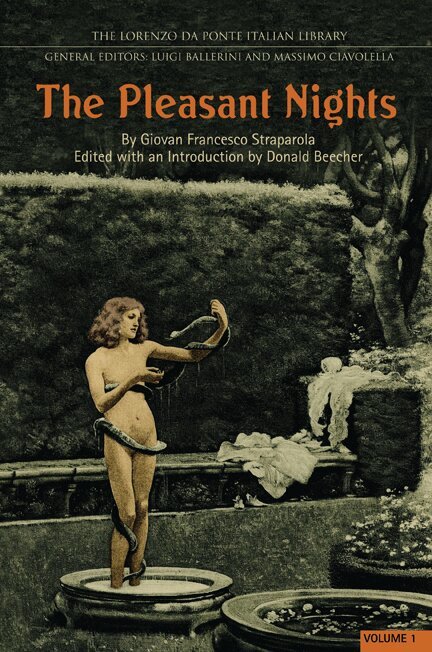
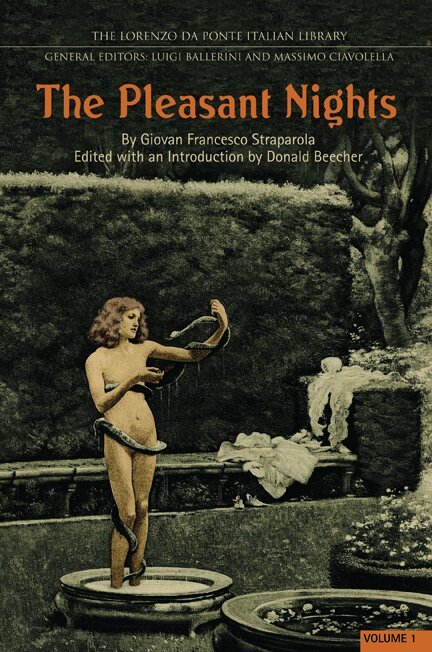
Pleasant Nights - Volume 1
Av Don Beecher
Inbunden, 2012
1473 kr
Lägg i varukorg
Renowned today for his contribution to the rise of the modern European fairy tale, Giovan Francesco Straparola (c. 1480–c. 1557) is particularly known for his dazzling anthology The Pleasant Nights. Originally published in Venice in 1550 and 1553, this collection features seventy-three folk …
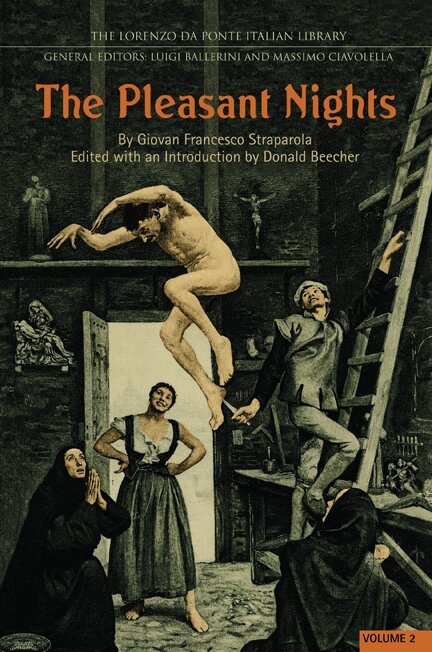
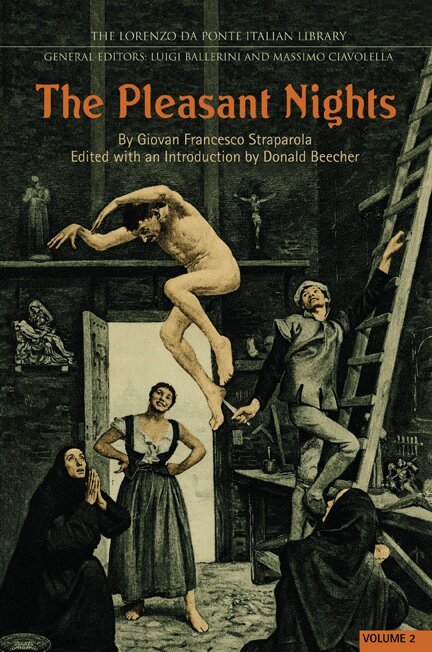
Pleasant Nights - Volume 2
Av Don Beecher
Inbunden, 2012
1248 kr
Lägg i varukorg
Renowned today for his contribution to the rise of the modern European fairy tale, Giovan Francesco Straparola (c. 1480–c. 1557) is particularly known for his dazzling anthology The Pleasant Nights. Originally published in Venice in 1550 and 1553, this collection features seventy-three folk …
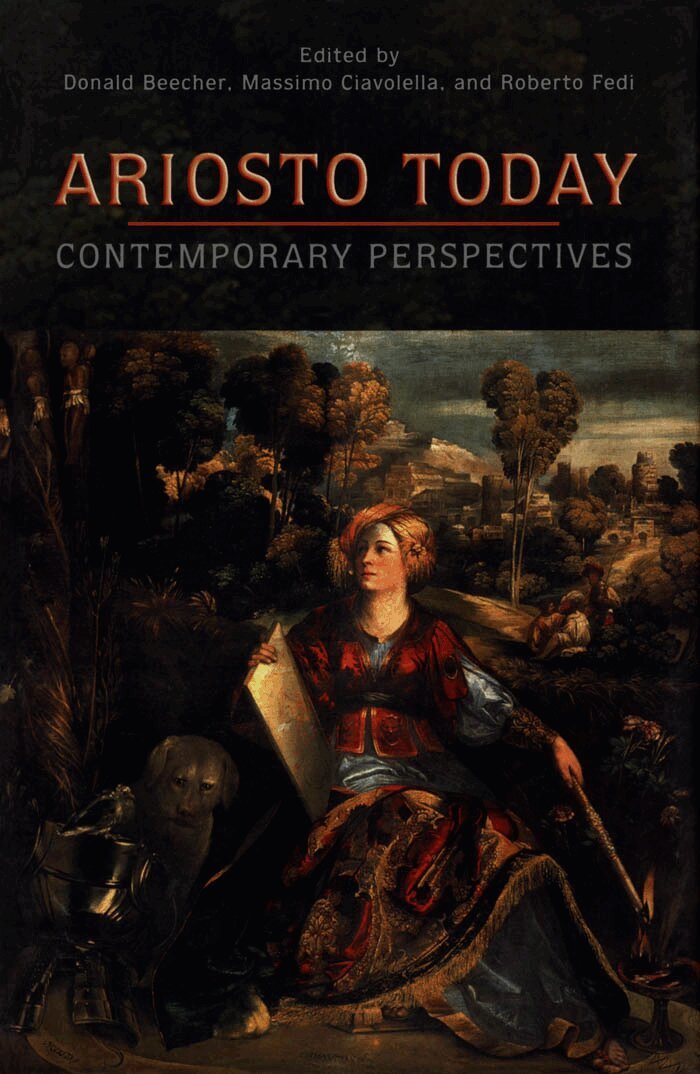
Ariosto Today
Contemporary Perspectives
Av Don Beecher, Massimo Ciavolella m. fl.
E-bok, 2003
1331 kr
Lägg i varukorg
Ludovico Ariosto's Orlando furioso is one of the masterpieces of the Renaissance, a work which, many argue, signalled the apogee of Renaissance fancy on the precipice of irony and decline. This collection of essays brings together twelve noted Italian and American scholars to provide a complete …
Renaissance Comedy
The Italian Masters - Volume 1
E-bok, 2008
619 kr
Lägg i varukorg
A rich and multi-faceted aspect of the Italian Renaissance, the comedy has been largely overlooked as a cultural force during the period. In Renaissance Comedy, editor Donald Beecher corrects this oversight with a collection of eleven comedies representative of the principal styles of writing that …
Taking Exception to the Law
Materializing Injustice in Early Modern English Literature
Av Don Beecher, Travis DeCook m. fl.
E-bok, 2015
1012 kr
Lägg i varukorg
Taking Exception to the Law explores how a range of early modern English writings responded to injustices perpetrated by legal procedures, discourses, and institutions. From canonical poems and plays to crime pamphlets and educational treatises, the essays engage with the relevance and wide appeal …
Renaissance Comedy
The Italian Masters - Volume 1
E-bok, 2008
708 kr
Lägg i varukorg
A rich and multi-faceted aspect of the Italian Renaissance, the comedy has been largely overlooked as a cultural force during the period. In Renaissance Comedy, editor Donald Beecher corrects this oversight with a collection of eleven comedies representative of the principal styles of writing that …
Renaissance Comedy
The Italian Masters - Volume 2
E-bok, 2011
656 kr
Lägg i varukorg
In this second volume of Renaissance Comedy, Donald Beecher presents six more of the best-known plays of the period, each with its own introduction, reading notes, and annotations. Beecher's general introduction, though stand-alone, complements and extends the historical and critical essay …
Pleasant Nights - Volume 1
Av Don Beecher
E-bok, 2012
1855 kr
Lägg i varukorg
Renowned today for his contribution to the rise of the modern European fairy tale, Giovan Francesco Straparola (c. 1480–c. 1557) is particularly known for his dazzling anthology The Pleasant Nights. Originally published in Venice in 1550 and 1553, this collection features seventy-three folk …
Pleasant Nights - Volume 1
Av Don Beecher
E-bok, 2012
1855 kr
Lägg i varukorg
Renowned today for his contribution to the rise of the modern European fairy tale, Giovan Francesco Straparola (c. 1480–c. 1557) is particularly known for his dazzling anthology The Pleasant Nights. Originally published in Venice in 1550 and 1553, this collection features seventy-three folk …
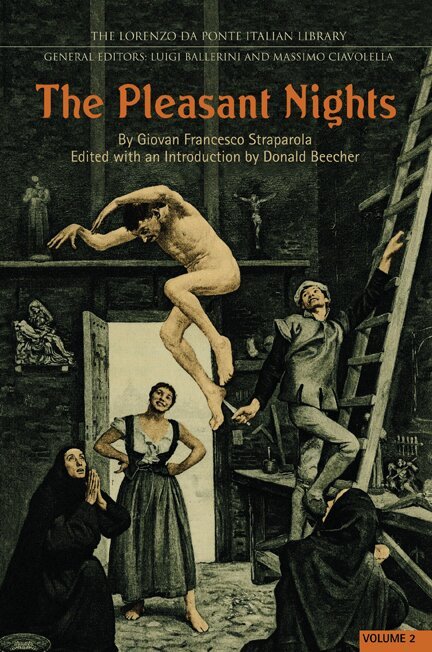
Pleasant Nights - Volume 2
Av Don Beecher
E-bok, 2012
1593 kr
Lägg i varukorg
Renowned today for his contribution to the rise of the modern European fairy tale, Giovan Francesco Straparola (c. 1480–c. 1557) is particularly known for his dazzling anthology The Pleasant Nights. Originally published in Venice in 1550 and 1553, this collection features seventy-three folk …
Pleasant Nights - Volume 2
Av Don Beecher
E-bok, 2012
1547 kr
Lägg i varukorg
Renowned today for his contribution to the rise of the modern European fairy tale, Giovan Francesco Straparola (c. 1480–c. 1557) is particularly known for his dazzling anthology The Pleasant Nights. Originally published in Venice in 1550 and 1553, this collection features seventy-three folk …
Ariosto Today
Contemporary Perspectives
Av Don Beecher, Massimo Ciavolella m. fl.
Inbunden, 2003
1025 kr
Tillfälligt slut
Ludovico Ariosto's Orlando furioso is one of the masterpieces of the Renaissance, a work which, many argue, signalled the apogee of Renaissance fancy on the precipice of irony and decline. This collection of essays brings together twelve noted Italian and American scholars to provide a complete …
Renaissance Comedy
The Italian Masters - Volume 1
Häftad, 2008
541 kr
Tillfälligt slut
A rich and multi-faceted aspect of the Italian Renaissance, the comedy has been largely overlooked as a cultural force during the period. In Renaissance Comedy, editor Donald Beecher corrects this oversight with a collection of eleven comedies representative of the principal styles of writing that …