Don Herzog – författare
Visar alla böcker från författaren Don Herzog. Handla med fri frakt och snabb leverans.
3 produkter
3 produkter
787 kr
Skickas inom 5-8 vardagar
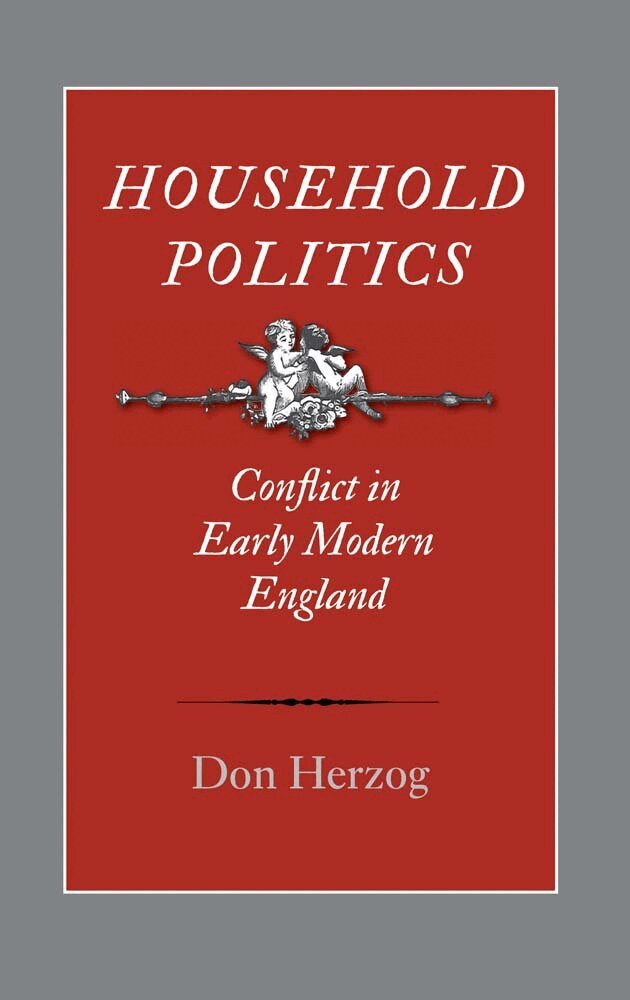
Early modern English canonical sources and sermons often urge the subordination of women. In Household Politics, Don Herzog argues that these sources were blather—not that they were irrelevant, but that plenty of people rolled their eyes at them. Indeed many held that a man had to be an idiot or a buffoon to try to act on their hoary “wisdom.” Households didn’t bask serenely in naturalized or essentialized patriarchy. Instead, husbands, wives, and servants struggled endlessly over authority. Nor did some insidiously gendered public/private distinction make the political subordination of women invisible. Conflict, Herzog argues, doesn't corrode social order: it's what social order usually consists in. He uses the argument to impeach conservatives and their radical critics for sharing confused alternatives. The social world Herzog brings vibrantly alive is much richer—and much pricklier—than many imagine.
306 kr
Tillfälligt slut
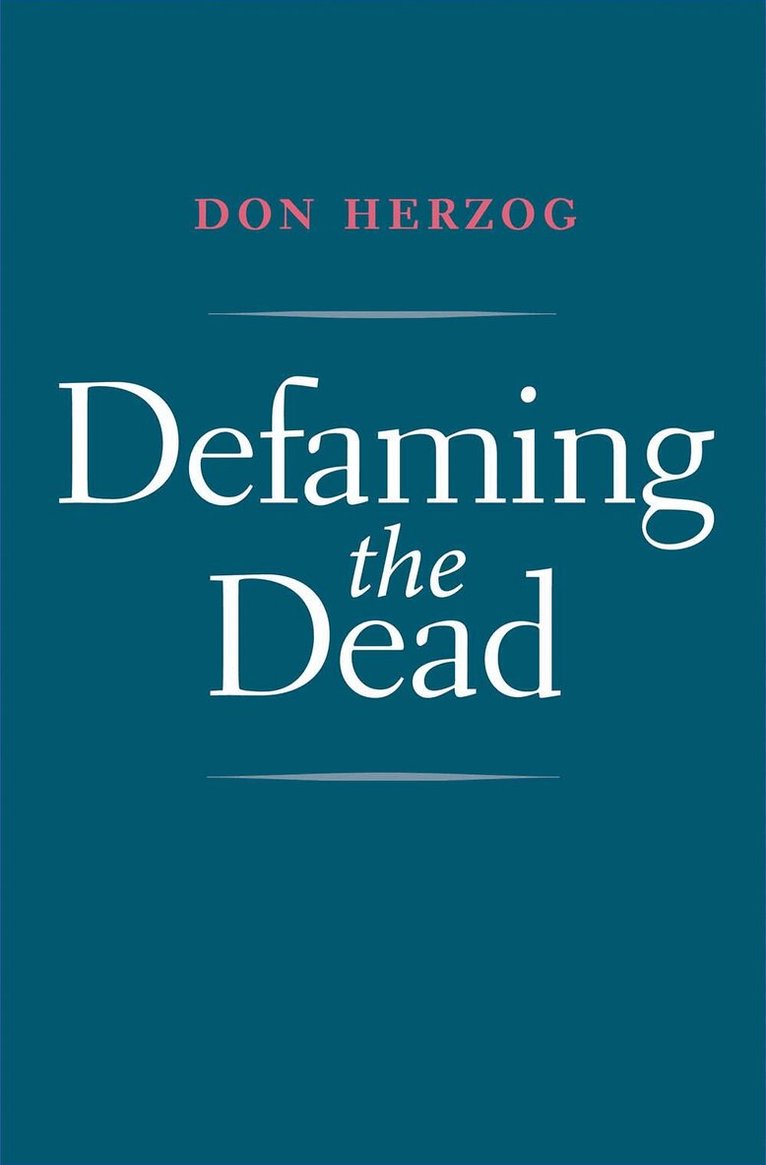
Do the dead have rights? In a persuasive argument, Don Herzog makes the case that the deceased’s interests should be protectedThis is a delightfully deceptive works that start out with a simple, seemingly arcane question—can you libel or slander the dead?—and develops it outward, tackling larger and larger implications, until it ends up straddling the borders between law, culture, philosophy, and the meaning of life. A full answer to this question requires legal scholar Don Herzog to consider what tort law is actually designed to protect, what differences death makes—and what differences it doesn’t—and why we value what we value. Herzog is one of those rare scholarly writers who can make the most abstract argument compelling and entertaining.
388 kr
Skickas inom 3-6 vardagar
Reading Wars explores heated, even murderous, political struggles over who gets to read and what they get to read. Those conflicts, once again in the news, stretch back centuries. In this book, Don Herzog examines the history and politics of anxieties about readers and reading, spanning both the United States and Britain, from the 1500s right up to contemporary battles over banning library books and freedom of speech.In these pages, Herzog deftly interweaves episodes from Reformation England, when first Catholics and then Protestants cracked down on unsupervised Bible-reading, with the deadly campaigns in pre-Civil War America to keep black people – both free and enslaved – illiterate. Drawing on a wealth of primary sources, he reconstructs arguments insisting that ordinary men and women could not be trusted to read what they liked – indeed, that some of them ought not read at all. And he charts struggles to promote literacy.Herzog argues that at stake in these battles is whether some people – those banned from reading – are perceived as not fully human, or lesser persons than others. The radical campaign to let more or less everyone read more or less everything is ultimately, therefore, a campaign for equality.