Donald E. Chipman – Författare
Visar alla böcker från författaren Donald E. Chipman. Handla med fri frakt och snabb leverans.
5 produkter
5 produkter
391 kr
Skickas inom 10-15 vardagar
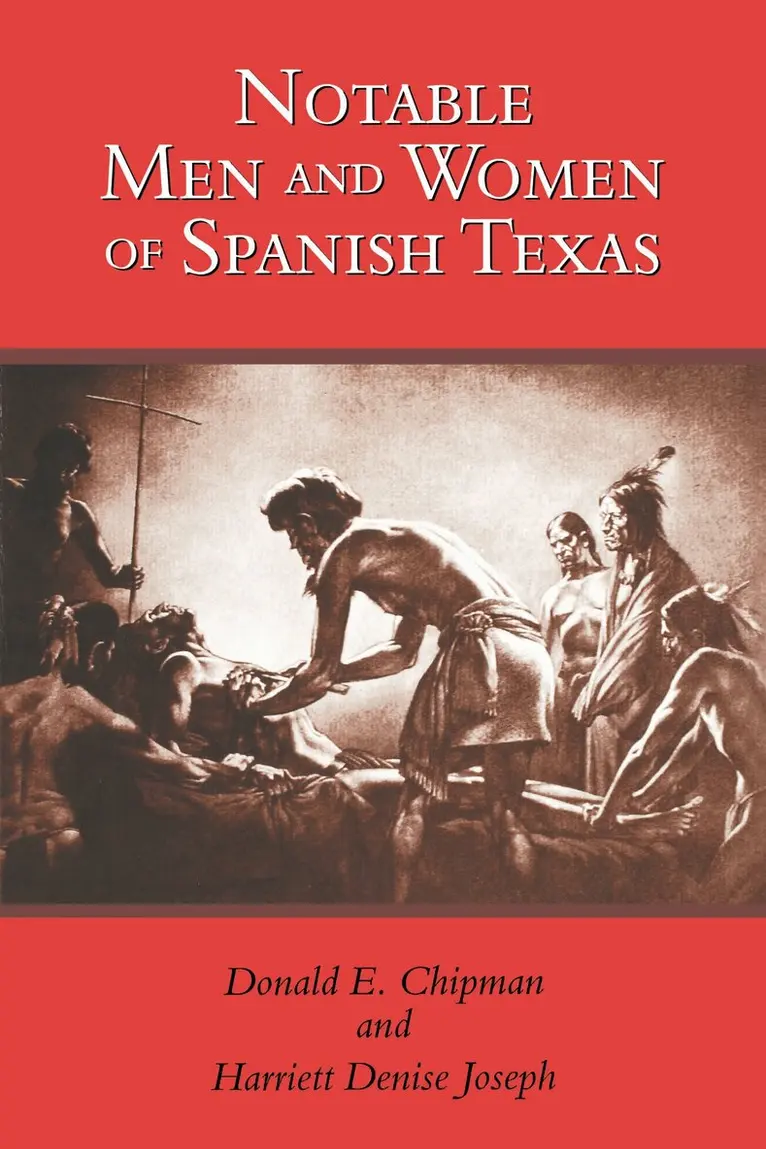
Winner, Presidio La Bahia Award, Sons of the Republic of Texas, 2000Texas Old Missions and Forts Restoration Association Book Award, the Texas Old Missions and Fort Restoration Association and the Texas Catholic Historical Society, 2001The Spanish colonial era in Texas (1528-1821) continues to emerge from the shadowy past with every new archaeological and historical discovery. In this book, years of archival sleuthing by Donald E. Chipman and Harriett Denise Joseph now reveal the real human beings behind the legendary figures who discovered, explored, and settled Spanish Texas.By combining dramatic, real-life incidents, biographical sketches, and historical background, the authors bring to life these famous (and sometimes infamous) men of Spanish Texas:Alvar NÚÑez Cabeza de VacaAlonso de LeÓnFrancisco HidalgoLouis Juchereau de St. DenisAntonio MargilThe MarquÉs de AguayoPedro de RiveraFelipe de RÁbagoJosÉ de EscandÓnAthanase de MÉziÈresThe MarquÉs de RubÍAntonio Gil IbarvoDomingo CabelloJosÉ Bernardo GutiÉrrez de LaraJoaquÍn de ArredondoThe authors also devote a chapter to the women of Spanish Texas, drawing on scarce historical clues to tell the stories of both well-known and previously unknown Tejana, Indian, and African women.
351 kr
Skickas inom 10-15 vardagar
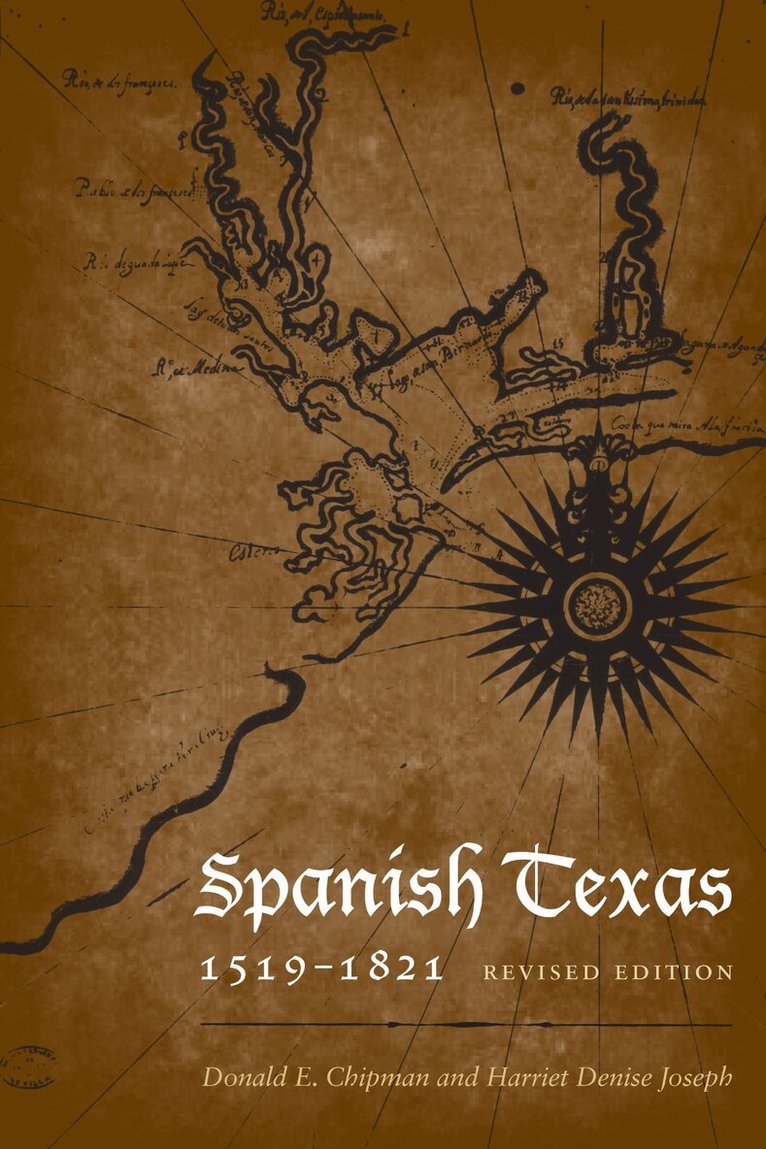
Winner, Kate Broocks Bates Award, Texas State Historical AssociationPresidio La BahÍa Award, Sons of the Republic of TexasA Choice Magazine Outstanding Academic BookModern Texas, like Mexico, traces its beginning to sixteenth-century encounters between Europeans and Indians who contested control over a vast land. Unlike Mexico, however, Texas eventually received the stamp of Anglo-American culture, so that Spanish contributions to present-day Texas tend to be obscured or even unknown. The first edition of Spanish Texas, 1519–1821 (1992) sought to emphasize the significance of the Spanish period in Texas history. Beginning with information on the land and its inhabitants before the arrival of Europeans, the original volume covered major people and events from early exploration to the end of the colonial era.This new edition of Spanish Texas has been extensively revised and expanded to include a wealth of discoveries about Texas history since 1990. The opening chapter on Texas Indians reveals their high degree of independence from European influence and extended control over their own lives. Other chapters incorporate new information on La Salle's Garcitas Creek colony and French influences in Texas, the destruction of the San SabÁ mission and the Spanish punitive expedition to the Red River in the late 1750s, and eighteenth-century Bourbon reforms in the Americas. Drawing on their own and others' research, the authors also provide more inclusive coverage of the role of women of various ethnicities in Spanish Texas and of the legal rights of women on the Texas frontier, demonstrating that whether European or Indian, elite or commoner, slave owner or slave, women enjoyed legal protections not heretofore fully appreciated.
265 kr
Skickas inom 7-10 vardagar
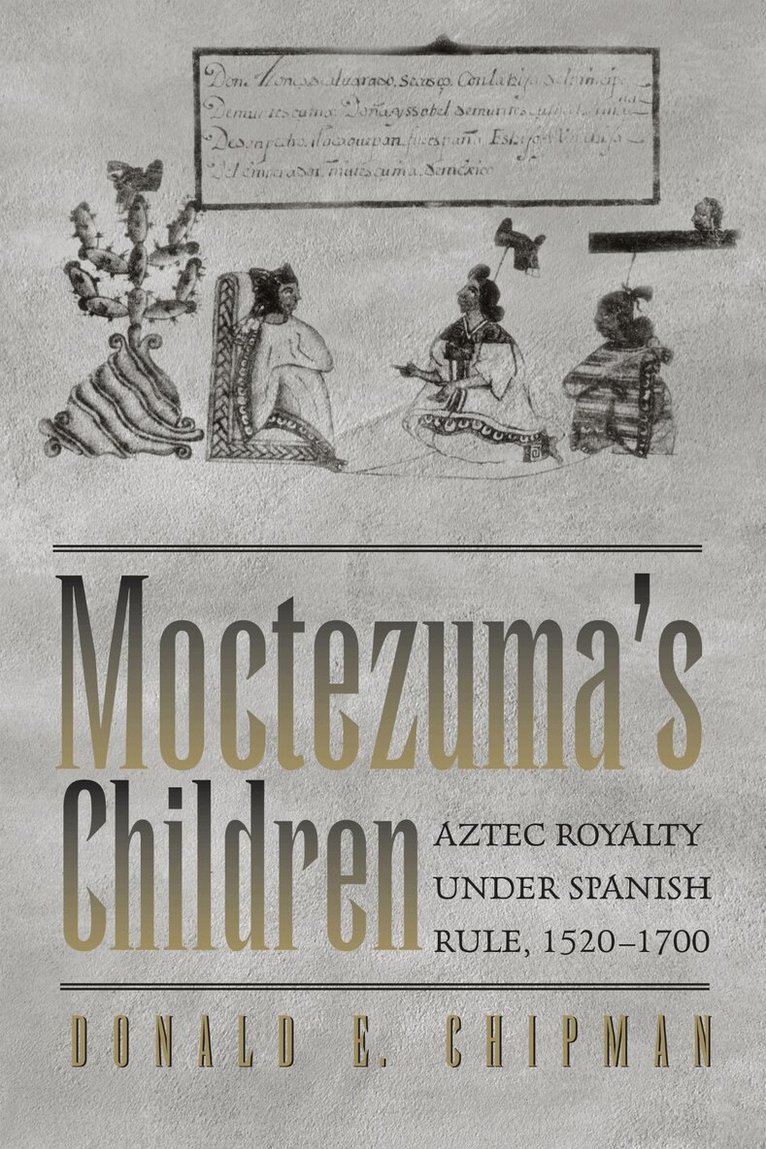
Though the Aztec Empire fell to Spain in 1521, three principal heirs of the last emperor, Moctezuma II, survived the conquest and were later acknowledged by the Spanish victors as reyes naturales (natural kings or monarchs) who possessed certain inalienable rights as Indian royalty. For their part, the descendants of Moctezuma II used Spanish law and customs to maintain and enhance their status throughout the colonial period, achieving titles of knighthood and nobility in Mexico and Spain. So respected were they that a Moctezuma descendant by marriage became Viceroy of New Spain (colonial Mexico's highest governmental office) in 1696. This authoritative history follows the fortunes of the principal heirs of Moctezuma II across nearly two centuries. Drawing on extensive research in both Mexican and Spanish archives, Donald E. Chipman shows how daughters Isabel and Mariana and son Pedro and their offspring used lawsuits, strategic marriages, and political maneuvers and alliances to gain pensions, rights of entailment, admission to military orders, and titles of nobility from the Spanish government. Chipman also discusses how the Moctezuma family history illuminates several larger issues in colonial Latin American history, including women's status and opportunities and trans-Atlantic relations between Spain and its New World colonies.
492 kr
Skickas inom 3-6 vardagar
Heaven's Messengers begins with the death of six young people—three in Mexico, two in the United States, and one in Spain.All are admitted to heaven by St. Peter and given special assignments to interview six important personages in the conquest of Mexico: Hernando Cortés, Pedro de Alvarado, and Martín López (the last far less well known, but he was a master carpenter and boat builder who constructed thirteen small vessels that were launched on Lake Texcoco and provided a naval component that proved vitally important to the success of the conquest); Doña Marina and Isabel Moctezuma, both Aztec women); and Leonor Cortés Moctezuma. The six messengers are miraculously returned to life and placed in the century of conquest with specific assignments—to illustrate how three men steeped in Roman Catholicism and three pagan women become worthy.
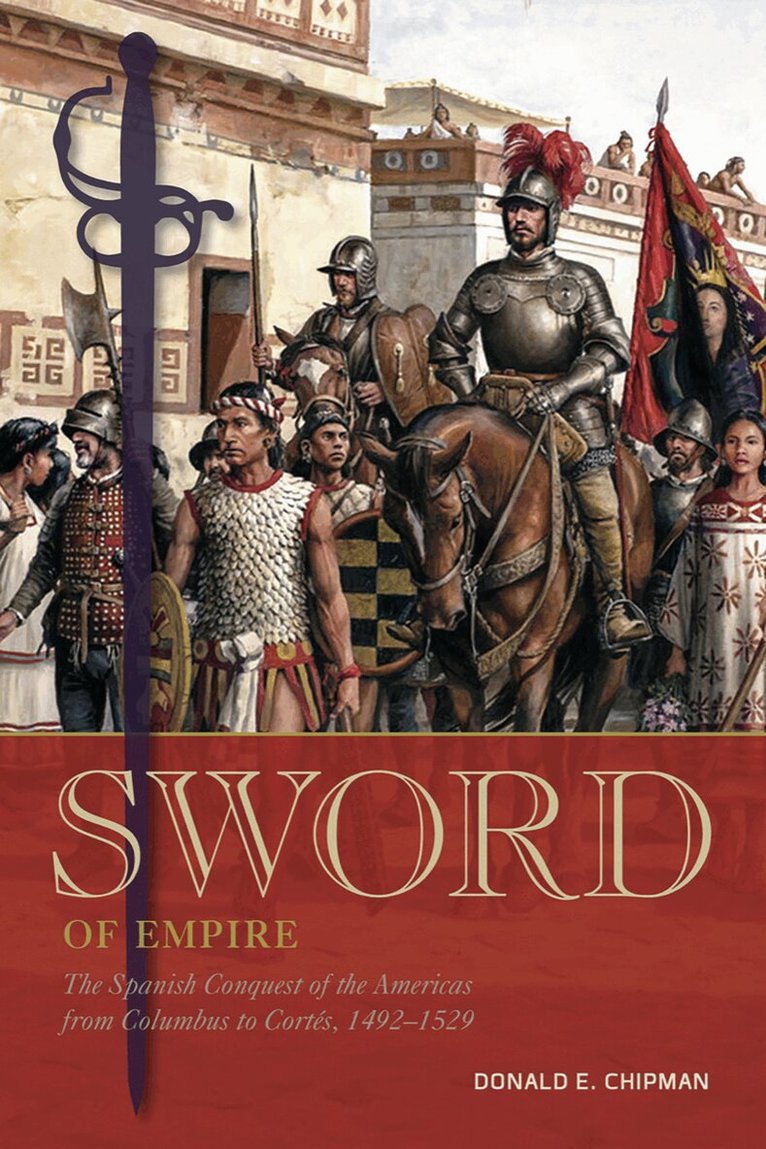
Sword of Empire
The Spanish Conquest of the Americas from Columbus to Cortés, 1492-1529
Inbunden, Engelska, 2021
442 kr
Skickas inom 7-10 vardagar
Sword of Empire: The Spanish Conquest of the Americas from Columbus to CortÉs, 1492-1529 is, by design, an approachable and accessible history of some of the most life-altering events in the story of man. Chipman examines the contributions of Christopher Columbus and Hernando Cortes in creating the foundations of the Spanish Empire in North America.Chipman has produced a readable and accurate narrative for students and the reading public, although some information presented on Cortes cannot be found elsewhere in print and is therefore of interest to specialists in the history of Spain in America. Exclusive material from Professor France V. Scholes and the author share insights into the multi layered complexities of a man born in 1484 and named at birth Fernando Cortes.As for Columbus, born in Genoa on the Italian peninsula in 1451 and given the name Cristobal de Colon, he is a more transformative man than Cortes in bringing Western Civilization to the major Caribbean islands in the Spanish West Indies and beyond. Historians strive to present a 'usable past' and the post-Columbian world is, of course, the modern world. Columbus's discoveries, those of other mariners who followed to the south in America, and still other eastward to the Asia placed the world on the path of global interdependence-both good and ill-for peoples of the world.There are no footnotes in Sword of Empire-this is narrative at its finest-but there are extensive bibliographies for each chapter that will prove useful for readers of every background.