Donald Jackson – författare
Visar alla böcker från författaren Donald Jackson. Handla med fri frakt och snabb leverans.
9 produkter
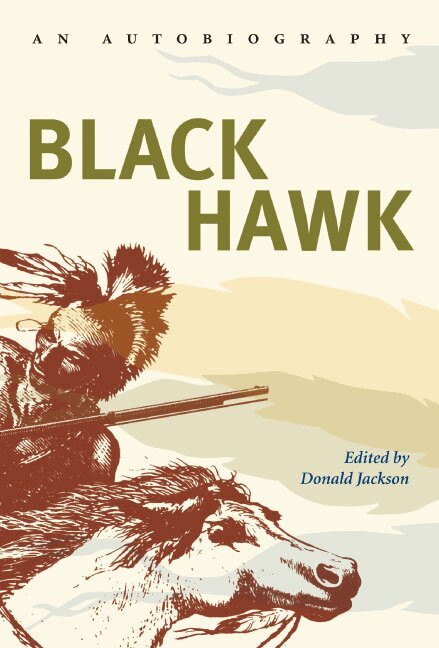
Black Hawk
An Autobiography
Häftad, 1975
260 kr
Lägg i varukorg
A classic of Native American literature and US history, the autobiography of the Sauk warrior Black Hawk (Ma-Ka-Tai-Me-She-Kia-Kiak in the Sauk language) offers an eyewitness account of the conflict between Indigenous peoples and white colonists on the Illinois frontier. But it also provides one of …
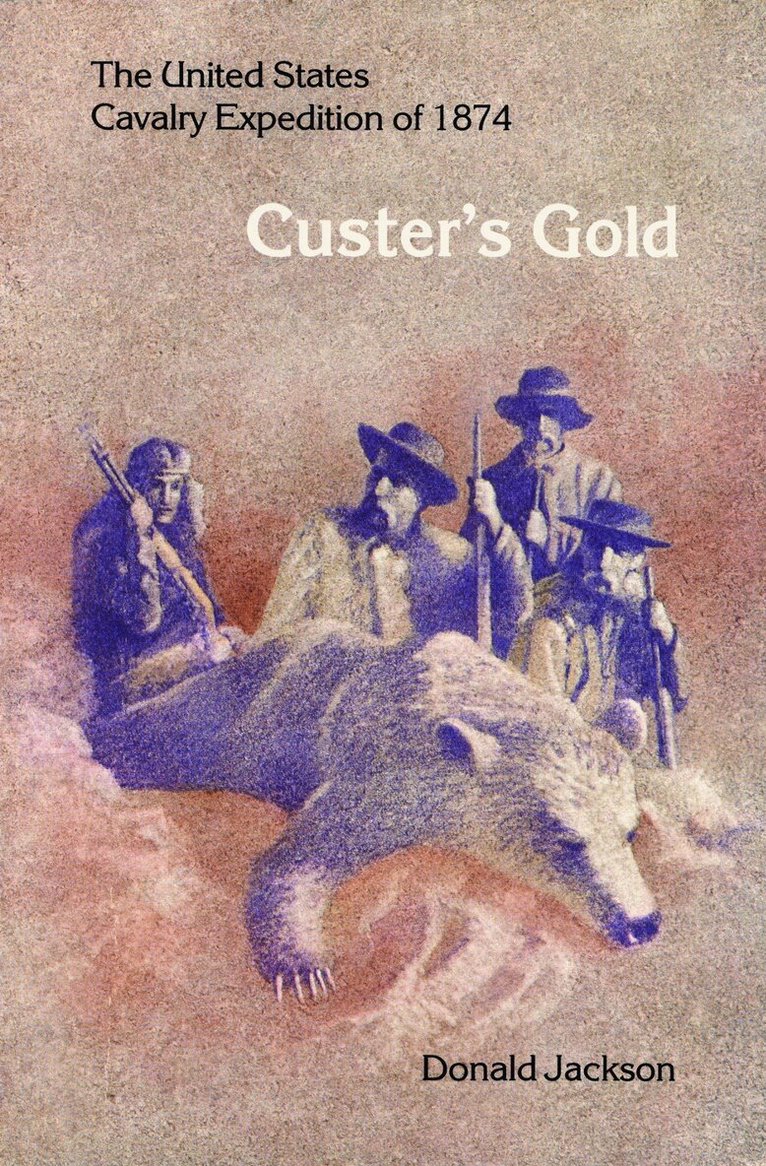
Custer's Gold
The United States Cavalry Expedition of 1874
Häftad, 1972
196 kr
Lägg i varukorg
The white settlers had little interest in the semiarid land assigned to the Sioux under the Treaty of 1868 and, for a time, the Indians enjoyed their domain in relative peace. However, when rumors spread that the Black Hills of the Dakota Territory were rich in gold, miners and newspapers wanted to …
Diaries V. 6; Jan., 1790-Dec., 1799
Av George Washington, Donald Jackson m. fl.
Inbunden, 1980
1680 kr
Lägg i varukorg
Pastoral and Monumental
Dams, Postcards, and the American Landscape
Inbunden, 2013
802 kr
Lägg i varukorg
In Pastoral and Monumental, Donald C. Jackson chronicles America's longtime fascination with dams as represented on picture postcards from the late nineteenth to the mid-twentieth century. Through over four hundred images, Jackson documents the remarkable transformation of dams and their …
Letters of the Lewis and Clark Expedition, with Related Documents, 1783-1854
Two Volumes
Inbunden, 1979
2890 kr
Tillfälligt slut
This beautiful two-volume, boxed set covers all aspects of the Lewis and Clark Expedition from its authorization and planning through Meriwether Lewis's violent death. A cornerstone of any library emphasizing the American West, Donald Jackson's splendid edition assembles letters, memoranda, and …
Diaries V. 3; 1771-75
Av George Washington, Donald Jackson m. fl.
Inbunden, 1978
1177 kr
Tillfälligt slut
Diaries V. 4; 1784-June, 1786
Av George Washington, Donald Jackson m. fl.
Inbunden, 1978
1177 kr
Tillfälligt slut
Diaries V. 5; July 1786-Dec., 1789
Av George Washington, Donald Jackson m. fl.
Inbunden, 1979
1177 kr
Tillfälligt slut