Donata Schoeller - Böcker
Visar alla böcker från författaren Donata Schoeller. Handla med fri frakt och snabb leverans.
6 produkter
6 produkter
347 kr
Skickas inom 11-20 vardagar
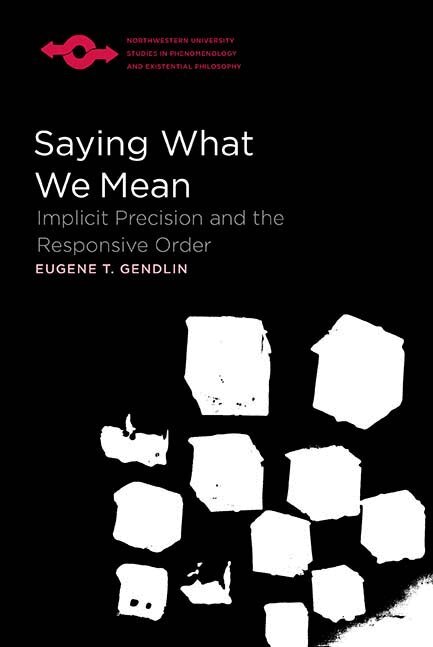
The first collection of Eugene T. Gendlin’s groundbreaking essays in philosophical psychology, Saying What We Mean casts familiar areas of human experience, such as language and feeling, in a radically different light. Instead of the familiar scientific emphasis on what is conceptually explicit, Gendlin shows that the implicit also comprises a structure that can be made available for recognition and analysis.Developing the traditions of phenomenology, existentialism, and pragmatism, Gendlin forges a new path that synthesizes contemporary evolutionary theory, cognitive psychology, and philosophical linguistics.
1 074 kr
Skickas inom 10-15 vardagar
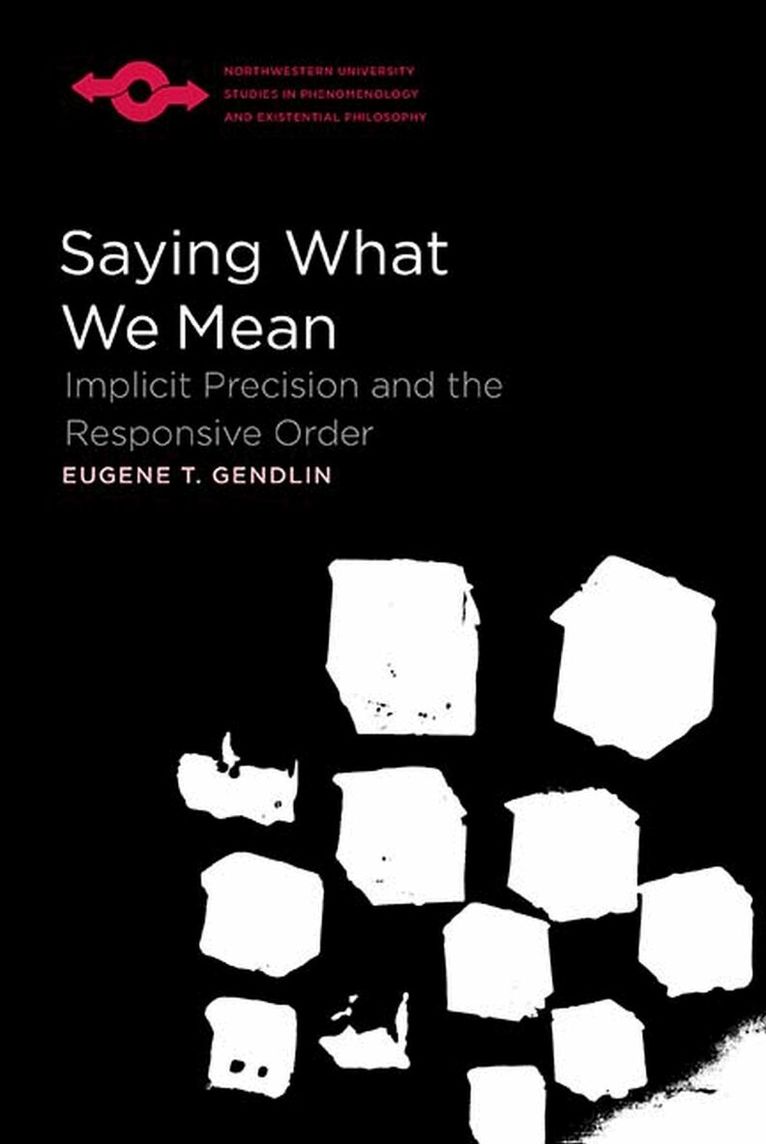
The first collection of Eugene T. Gendlin’s groundbreaking essays in philosophical psychology, Saying What We Mean casts familiar areas of human experience, such as language and feeling, in a radically different light. Instead of the familiar scientific emphasis on what is conceptually explicit, Gendlin shows that the implicit also comprises a structure that can be made available for recognition and analysis.Developing the traditions of phenomenology, existentialism, and pragmatism, Gendlin forges a new path that synthesizes contemporary evolutionary theory, cognitive psychology, and philosophical linguistics.
2 094 kr
Skickas inom 10-15 vardagar
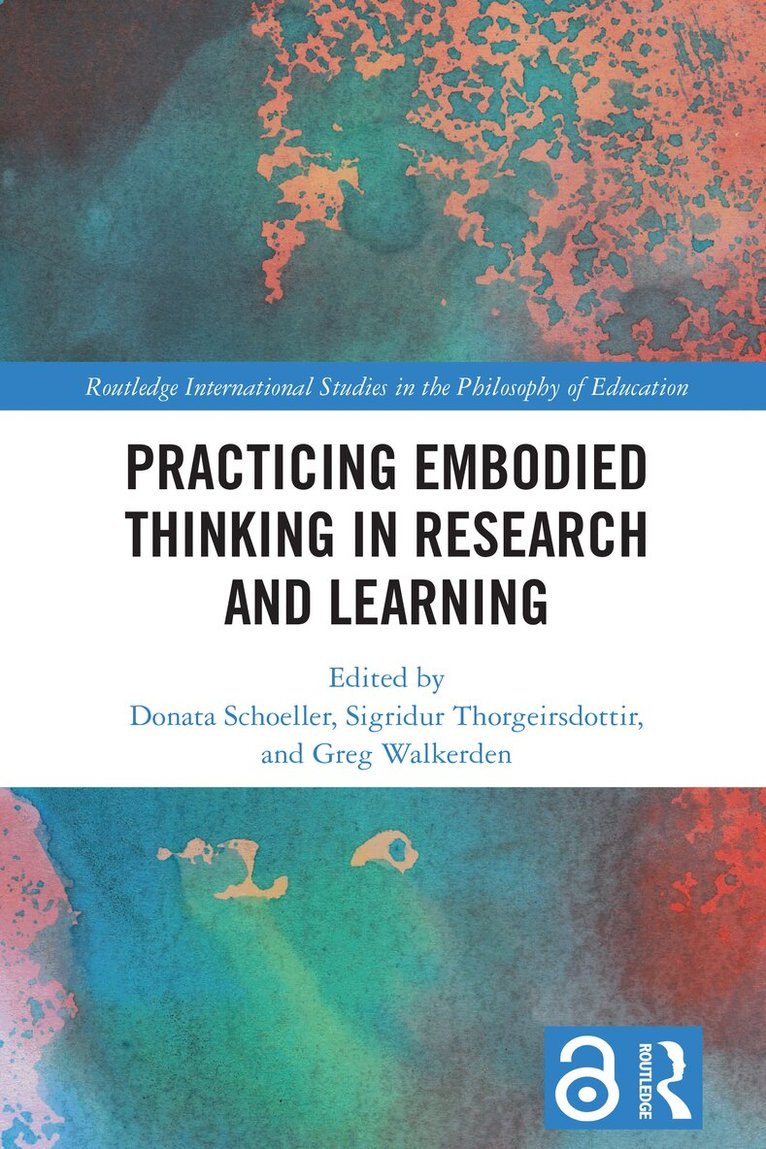
This book delves into the embodied ground of thinking, illuminating the transition from theorising about the embodied mind to actively practising embodied thinking in research, teaching, and learning. The authors speak from immersing themselves in novel methods that engage the felt, experiential dimensions of cognition in inquiry.The turn to embodiment has sparked the development of new methodologies within phenomenology, pragmatism, and cognitive science. Drawing on Eugene Gendlin’s philosophical work on felt understanding, and Francesco Varela’s enactivist approach, contributors explore innovative embodied thinking methods such as Focusing, Thinking at the Edge, micro-phenomenology, and mindfulness practices. They demonstrate the practical applications of these methods in research, teaching, and learning, highlighting their liberating and empowering potential for researchers and students. In an age marked by information overload and societal polarisation, methods of embodied thinking provide an innovative edge to critique, complementing more traditional approaches to critical thinking with listening skills and reflexive care.This book shows how heeding the essential, yet often overlooked, embodied grounds of critical and creative thinking can deepen and strengthen each of research, teaching, and learning. It will interest philosophers of education and educators in higher education in particular, as well as researchers and postgraduate students from philosophy, and the cognitive and social sciences, who are curious about how embodied thinking can enrich research, teaching, and learning.The Open Access version of this book, available at www.taylorfrancis.com, has been made available under a Creative Commons Attribution-Non Commercial-No Derivatives (CC-BY-NC-ND) 4.0 license.
599 kr
Skickas inom 10-15 vardagar
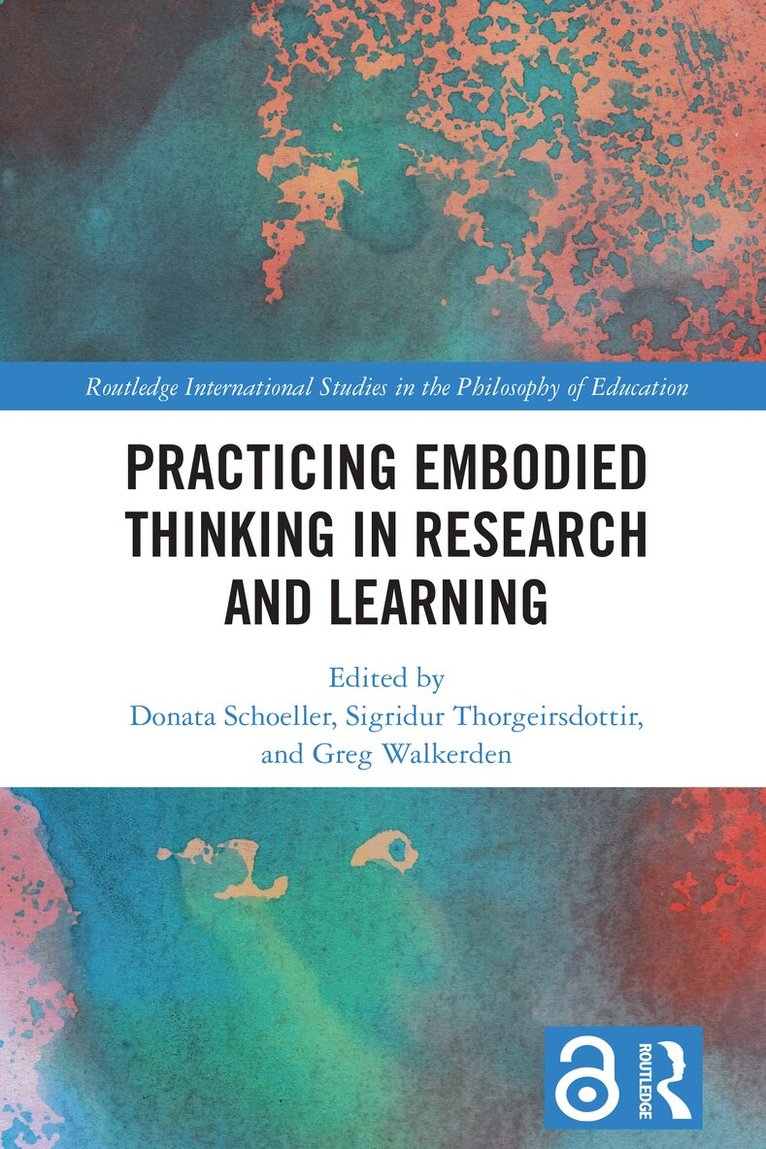
This book delves into the embodied ground of thinking, illuminating the transition from theorising about the embodied mind to actively practising embodied thinking in research, teaching, and learning. The authors speak from immersing themselves in novel methods that engage the felt, experiential dimensions of cognition in inquiry.The turn to embodiment has sparked the development of new methodologies within phenomenology, pragmatism, and cognitive science. Drawing on Eugene Gendlin’s philosophical work on felt understanding, and Francesco Varela’s enactivist approach, contributors explore innovative embodied thinking methods such as Focusing, Thinking at the Edge, micro-phenomenology, and mindfulness practices. They demonstrate the practical applications of these methods in research, teaching, and learning, highlighting their liberating and empowering potential for researchers and students. In an age marked by information overload and societal polarisation, methods of embodied thinking provide an innovative edge to critique, complementing more traditional approaches to critical thinking with listening skills and reflexive care.This book shows how heeding the essential, yet often overlooked, embodied grounds of critical and creative thinking can deepen and strengthen each of research, teaching, and learning. It will interest philosophers of education and educators in higher education in particular, as well as researchers and postgraduate students from philosophy, and the cognitive and social sciences, who are curious about how embodied thinking can enrich research, teaching, and learning.The Open Access version of this book, available at www.taylorfrancis.com, has been made available under a Creative Commons Attribution-Non Commercial-No Derivatives (CC-BY-NC-ND) 4.0 license.
1 921 kr
Skickas inom 5-8 vardagar
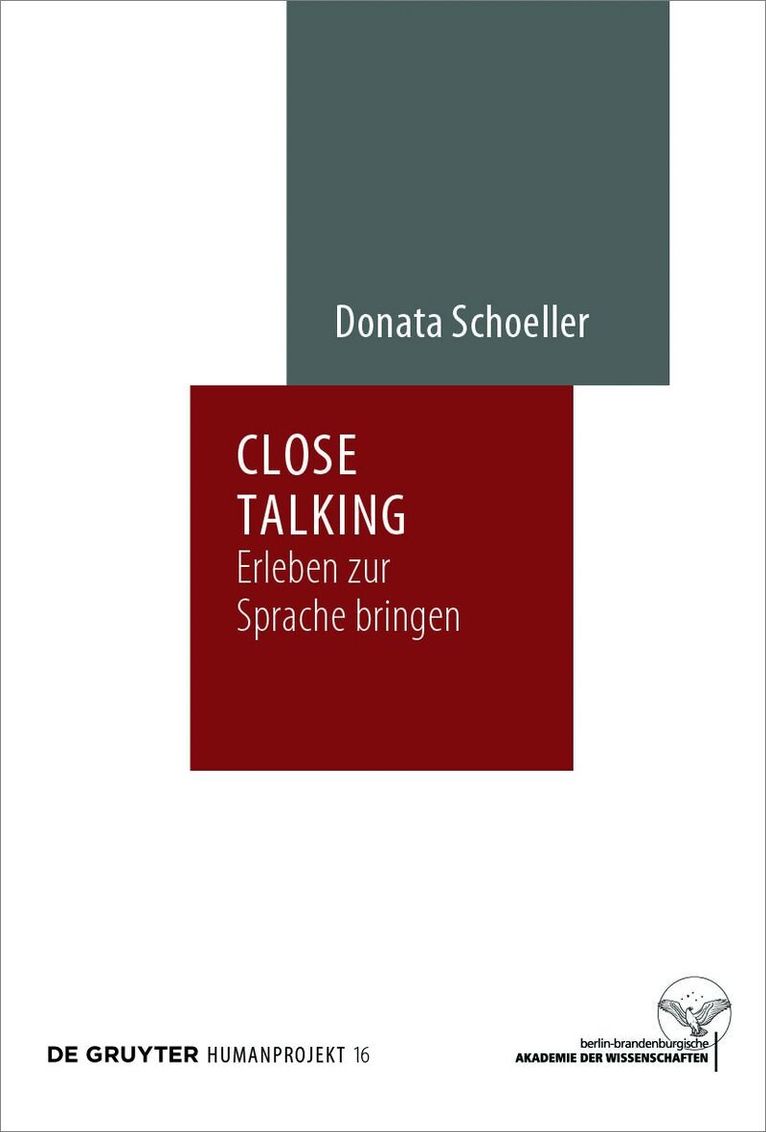
Schoeller untersucht die sprachliche Herausforderung, die damit einhergeht, erlebte Hintergründe und Zusammenhänge zu formulieren. Wird eine situative Komplexität zur Sprache gebracht, so klärt sich häufig erst, „um was es geht", und zwar auf eine Weise, die einen weiterdenken und -fühlen lässt. Dabei entstehen bisweilen äusserst ungewöhnliche Aussagen. Untersucht wird in dieser Studie die Präzision einer tastenden Formulierung, die eine nicht vorhersehbare Entwicklung von Bedeutung zulässt. Eine solche Bedeutung ist sprachphilosophisch kaum mit den Modellen der Repräsentation oder der Konstruktion zu erfassen, auch durchbricht sie den Rahmen der Ordinary Language Philosophy. Unter Berücksichtigung der Ansätze des Embodiment entwirft Schoeller im Schnittfeld von Pragmatismus, Phänemenologie, Hermeneutik, Psychologie und Kognitionswissenschaften eine Bedeutungstheorie, in der situatives Erleben und Sprachgebrauch differenzierend und klärend interagieren. Ein gründlicheres Verstehen des Formulierungs-Prozesses kommt auch im Alltag einer nicht-reduktiven und subtilen Sprachpraxis im Umgang mit gewöhnlicher Erfahrung entgegen.
308 kr
Skickas inom 5-8 vardagar
Schoeller untersucht die sprachliche Herausforderung, die damit einhergeht, erlebte Hintergründe und Zusammenhänge zu formulieren. Wird eine situative Komplexität zur Sprache gebracht, so klärt sich häufig erst, „um was es geht", und zwar auf eine Weise, die einen weiterdenken und -fühlen lässt. Dabei entstehen bisweilen äusserst ungewöhnliche Aussagen. Untersucht wird in dieser Studie die Präzision einer tastenden Formulierung, die eine nicht vorhersehbare Entwicklung von Bedeutung zulässt. Eine solche Bedeutung ist sprachphilosophisch kaum mit den Modellen der Repräsentation oder der Konstruktion zu erfassen, auch durchbricht sie den Rahmen der Ordinary Language Philosophy. Unter Berücksichtigung der Ansätze des Embodiment entwirft Schoeller im Schnittfeld von Pragmatismus, Phänemenologie, Hermeneutik, Psychologie und Kognitionswissenschaften eine Bedeutungstheorie, in der situatives Erleben und Sprachgebrauch differenzierend und klärend interagieren. Ein gründlicheres Verstehen des Formulierungs-Prozesses kommt auch im Alltag einer nicht-reduktiven und subtilen Sprachpraxis im Umgang mit gewöhnlicher Erfahrung entgegen.