Donna C. Boyd – författare
Visar alla böcker från författaren Donna C. Boyd. Handla med fri frakt och snabb leverans.
2 produkter
2 produkter
1 680 kr
Skickas inom 5-8 vardagar
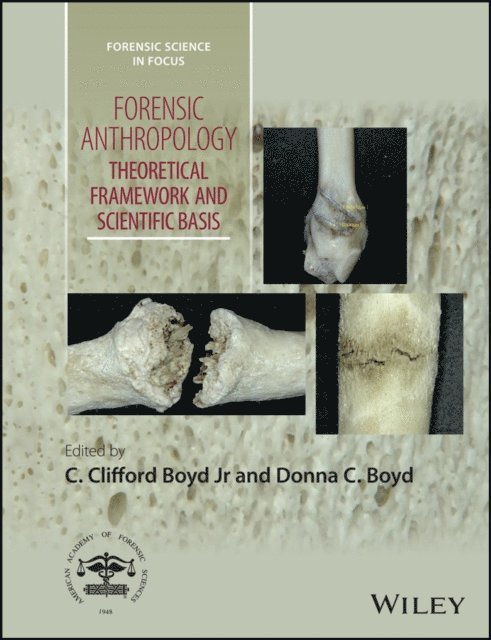
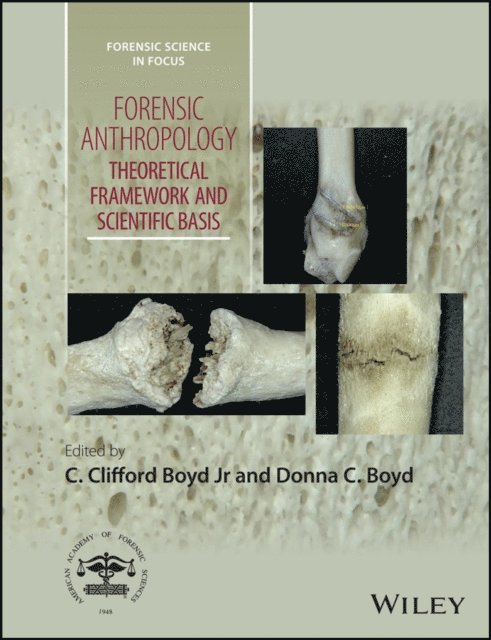
Provides comprehensive coverage of everything that students and practitioners need to know about working in the field of forensic anthropologyForensic anthropology has been plagued by questions of scientific validity and rigor despite its acceptance as a section in the American Academy of Forensic Sciences nearly half a century ago. Critics have viewed it as a laboratory-based applied subfield of biological anthropology, and characterised it as emphasising methodology over theory. This book shows that these views are not only antiquated, but inadequate and inaccurate.Forensic Anthropology: Theoretical Framework and Scientific Basis introduces readers to all of the theoretical and scientific foundations of forensic anthropology — beginning with how it was influenced by the early theoretical approaches of Tyler, Morgan, Spencer and Darwin. It instructs on how modern forensic science relies on an interdisciplinary approach — with research being conducted in the fields of archaeology, physics, geology and other disciplines. This modern approach to theory in forensic anthropology is presented through the introduction and discussion of Foundational, Interpretive and Methodological theories. Sections cover: Bias and Objectivity in Forensic Anthropology Theory and Practice; The Theory and Science Behind Biological Profile and Personal Identification; Scientific Foundation for Interpretations of Antemortem, Perimortem, and Postmortem Processes; and Interdisciplinary Influences, Legal Ramifications and Future Directions. Illustrates important aspects of the theory building process and reflects methods for strengthening the scientific framework of forensic anthropology as a disciplineInspired by the “Application of Theory to Forensic Anthropology” symposium presented at the 67th annual meeting of the American Academy of Forensic SciencesChapters written by experts in the field who were presenters at the symposiumForensic Anthropology: Theoretical Framework and Scientific Basis is ideal for university courses in anthropological science, forensic science, criminal science and forensic archaeology.
Forensic Skeletal Trauma
Scientific Foundation and Guide to Professional Practice
Inbunden, Engelska, 2026
1 625 kr
Kommande
An empirically-based guideline for forensic skeletal trauma analysis and reporting Forensic Skeletal Trauma Analysis: Scientific Foundation and Guide to Professional Practice provides a comprehensive guide to skeletal trauma analysis for forensic practitioners working in a medicolegal setting. Drawing on standards from the AAFS Academy Standards Board and NIST's Organization of Scientific Area Committees, this volume synthesizes best practice recommendations and standards for identifying, documenting, interpreting, and reporting antemortem and acute skeletal trauma. The volume uses an interdisciplinary framework derived from the fields of forensic anthropology, biomechanical engineering, and medicine to examine current methods for high velocity projectile, blunt, and sharp force trauma skeletal analysis. It challenges the perception of trauma analysis as a subjective experience-based forensic endeavor through its critical evaluation of over half a century of skeletal trauma research. Current skeletal trauma interpretations are evaluated within the context of this empirical research and the evidence supporting them. The volume integrates this foundational research with national standards to provide scientifically valid and legally defensible protocols for conducting skeletal trauma analysis. Chapters are supplemented through practical applications, illustrated by macro, micro, radiological, and other imaging modalities. The book also covers: Integration of biomechanical engineering principles with forensic anthropological methods for understanding and interpreting mechanisms and contexts of traumatic eventsAn in-depth evaluation of laboratory approaches to skeletal trauma analysis and its methodologyA specialized focus on identifying, processing, documenting, and interpreting pediatric skeletal samplesStrategies for preparing accurate and defensible forensic reports and delivering effective expert testimony on skeletal trauma findings in legal proceedingsThe broader contexts of skeletal trauma, including the qualifications needed for its study, its role in public health and improving the human condition, and mechanisms for mitigating potential harm to well-being and mental health from repeated exposure to it.Part of the Wiley-AAFS series, this reference serves practicing forensic anthropologists, medical examiners, coroners, and biomechanical engineers conducting trauma research. It also supports graduate and advanced undergraduate courses in forensic anthropology, forensic pathology, and forensic medicine where skeletal trauma analysis is a core component.