C. Clifford Boyd - Böcker
Visar alla böcker från författaren C. Clifford Boyd. Handla med fri frakt och snabb leverans.
3 produkter
3 produkter
1 567 kr
Skickas inom 7-10 vardagar
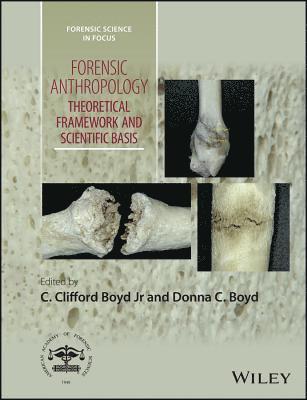
Provides comprehensive coverage of everything that students and practitioners need to know about working in the field of forensic anthropologyForensic anthropology has been plagued by questions of scientific validity and rigor despite its acceptance as a section in the American Academy of Forensic Sciences nearly half a century ago. Critics have viewed it as a laboratory-based applied subfield of biological anthropology, and characterised it as emphasising methodology over theory. This book shows that these views are not only antiquated, but inadequate and inaccurate.Forensic Anthropology: Theoretical Framework and Scientific Basis introduces readers to all of the theoretical and scientific foundations of forensic anthropology — beginning with how it was influenced by the early theoretical approaches of Tyler, Morgan, Spencer and Darwin. It instructs on how modern forensic science relies on an interdisciplinary approach — with research being conducted in the fields of archaeology, physics, geology and other disciplines. This modern approach to theory in forensic anthropology is presented through the introduction and discussion of Foundational, Interpretive and Methodological theories. Sections cover: Bias and Objectivity in Forensic Anthropology Theory and Practice; The Theory and Science Behind Biological Profile and Personal Identification; Scientific Foundation for Interpretations of Antemortem, Perimortem, and Postmortem Processes; and Interdisciplinary Influences, Legal Ramifications and Future Directions. Illustrates important aspects of the theory building process and reflects methods for strengthening the scientific framework of forensic anthropology as a disciplineInspired by the “Application of Theory to Forensic Anthropology” symposium presented at the 67th annual meeting of the American Academy of Forensic SciencesChapters written by experts in the field who were presenters at the symposiumForensic Anthropology: Theoretical Framework and Scientific Basis is ideal for university courses in anthropological science, forensic science, criminal science and forensic archaeology.
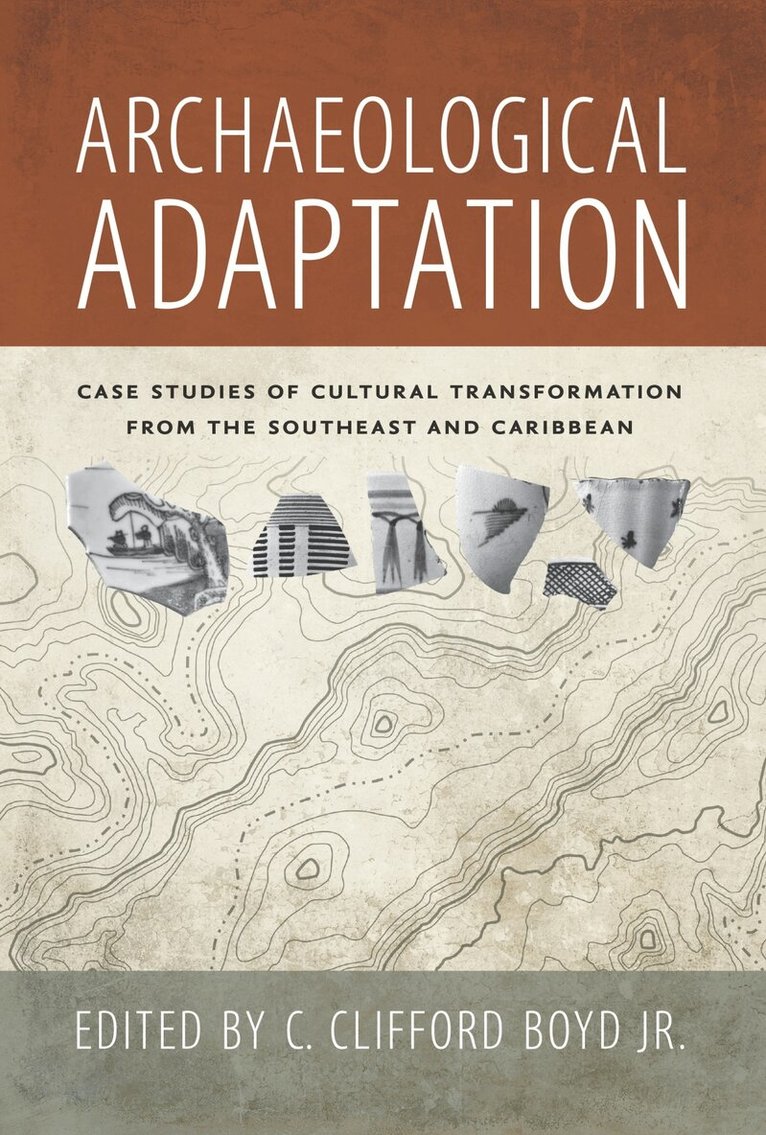
Archaeological Adaptation
Case Studies of Cultural Transformation from the Southeast and Caribbean
Inbunden, Engelska, 2019
886 kr
Skickas inom 10-15 vardagar
Archaeological Adaptation: Case Studies of Cultural Transformation from the Southeast and Caribbean honors the work of longtime University of Tennessee anthropology professor Gerald Schroedl, whose career encompassed fieldwork and research in both prehistoric and historic archaeology. Schroedl's early career often focused its analysis on Mississippian and Cherokee sites, while his later years found him delving into historic archaeology in the Caribbean. Revisiting these touchstones of Schroedl's work, editor C. Clifford Boyd here gathers essays around the disciplinary theme of documentation and analysis of change. Contributors study excavations in Tennessee, Virginia, South Carolina, wider southern Appalachia, and the Caribbean, providing insight into Native American, African American, and English civilizations. Artifacts, architecture, human and structural remains, and climatic and environmental factors yield insight into changing settlement patterns, tribal practices, material culture, economic and political power relations, and health and nutrition. A preface tracing Schroedl's career and an afterword addressing developments in archaeological theory round out the volume.
721 kr
Skickas inom 10-15 vardagar
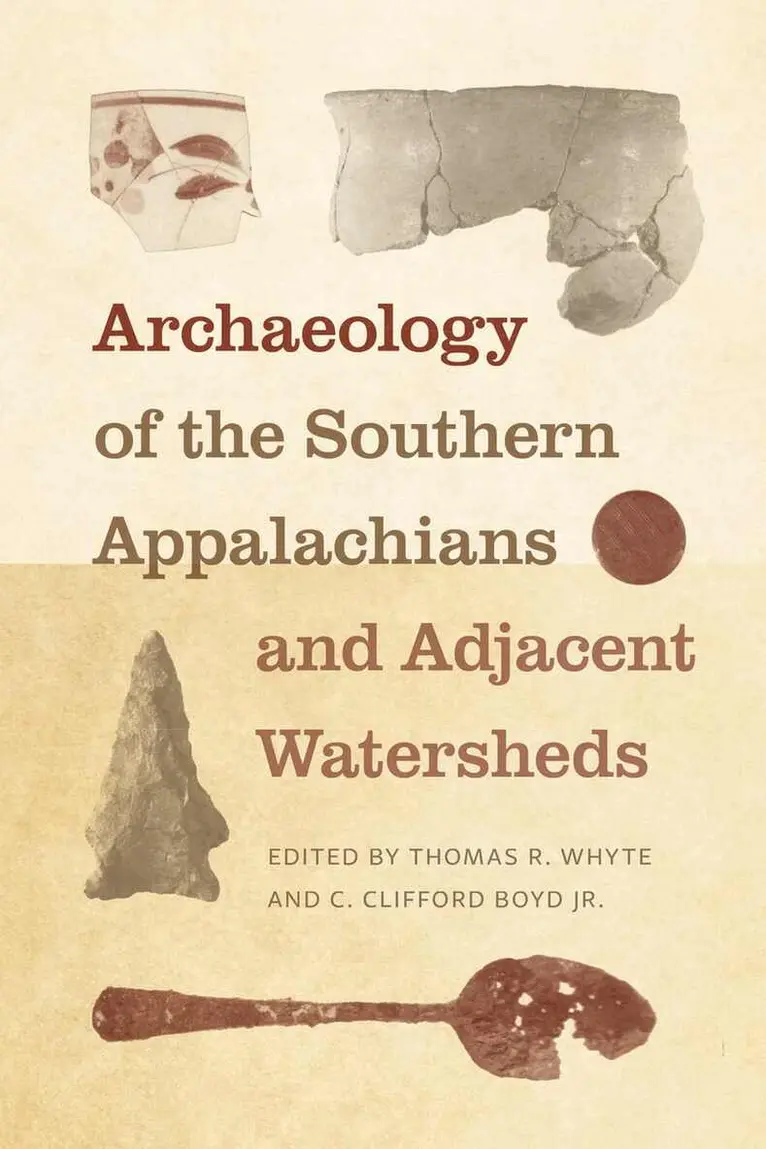
This book presents archaeology addressing all periods in the Native Southeast as a tribute to the career of Jefferson Chapman, longtime director of the Frank H. McClung Museum of Natural History and Culture at the University of Tennessee, Knoxville. Written by Chapman’s colleagues and former students, the chapters add to our current understanding of early native southeastern peoples as well as Chapman’s original work and legacy to the field of archaeology. Some chapters review, reevaluate, and reinterpret archaeological evidence using new data, contemporary methods, or alternative theoretical perspectives— something that Chapman, too, fostered throughout his career. Others address the history and significance of archaeological collections curated at the Frank H. McClung Museum of Natural History and Culture, where Chapman was the director for nearly thirty years. The essays cover a broad range of archaeological material studies and methods and in doing so carry forth Chapman’s legacy.