Doug Hocking – författare
Visar alla böcker från författaren Doug Hocking. Handla med fri frakt och snabb leverans.
10 produkter
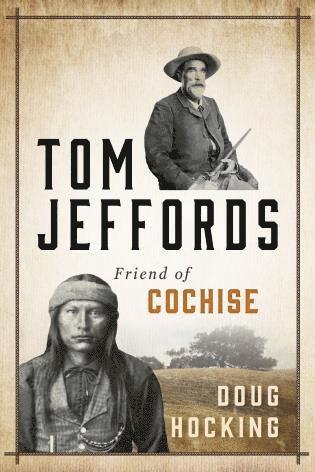
Tom Jeffords: Friend of Cochise
Av Doug Hocking
Häftad, 2017
240 kr
Lägg i varukorg
The first full-length biography of the Western legend Tom Jeffords, immortalized by Jimmy Stewart in 1950’s Broken Arrow.This book tells the true story of a man who headed West drawn by the lure of the Pike’s Peak Gold Rush in 1858; made a life for himself over a decade as he scouted for the army, …
Wildest West: An Anthology of Stories about the Southwest in the 1850s & 60s
Av Doug Hocking
Häftad
290 kr
Lägg i varukorg
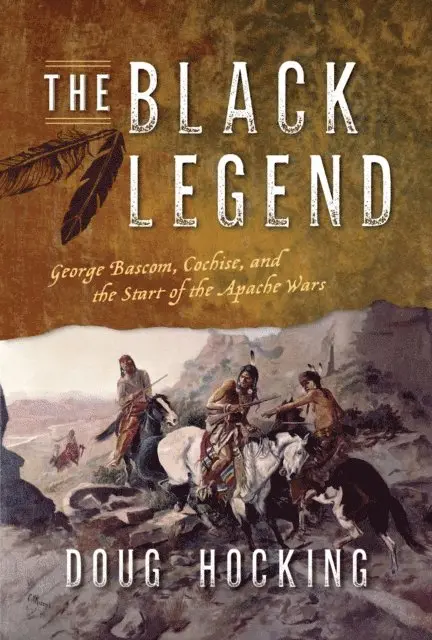
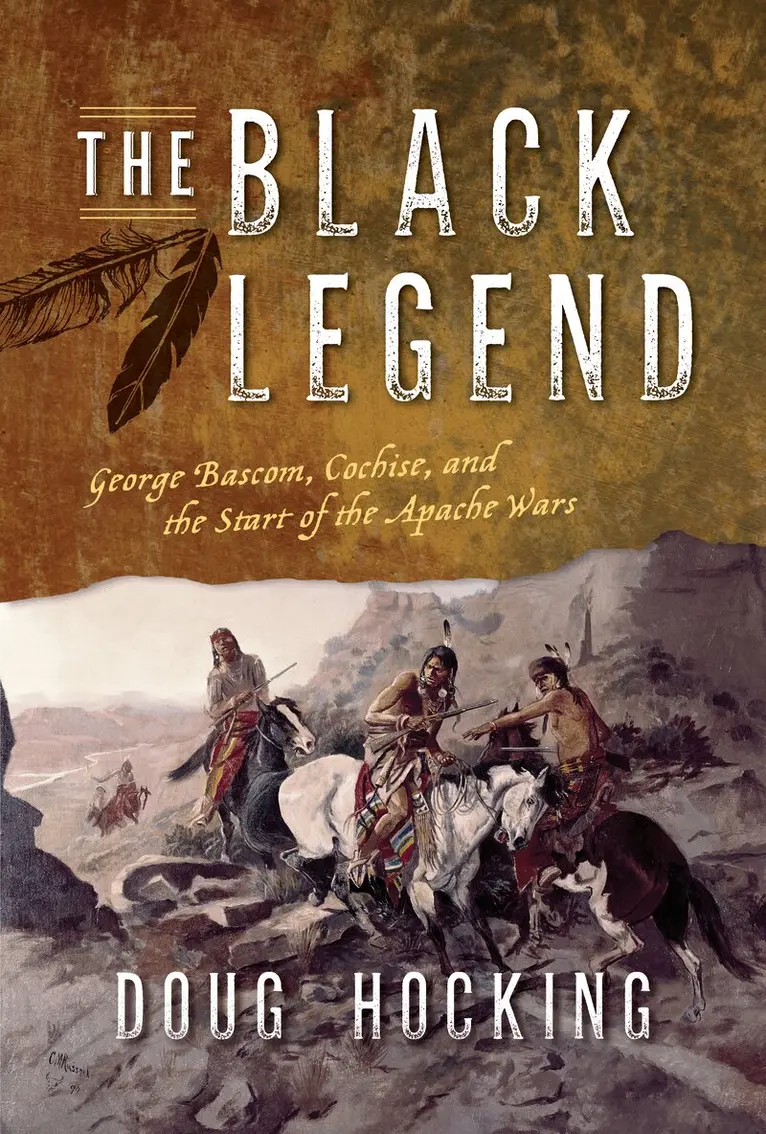
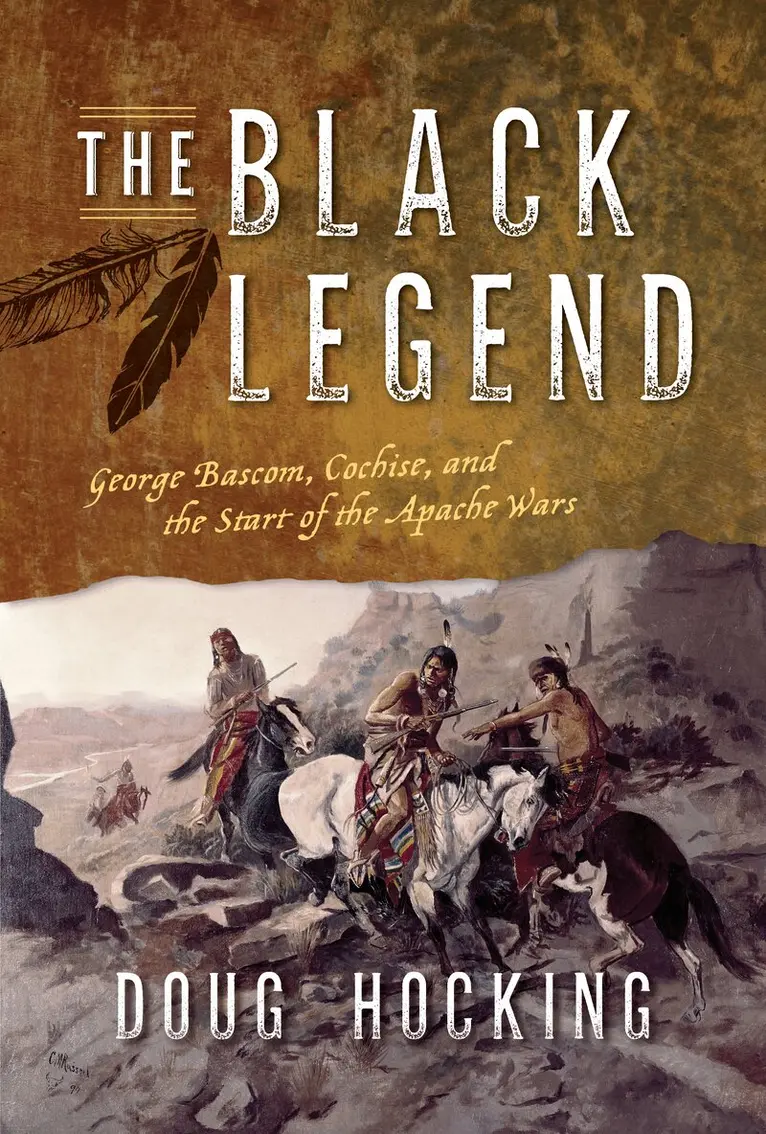
Black Legend
George Bascom, Cochise, and the Start of the Apache Wars
Av Doug Hocking
E-bok, 2018
302 kr
Lägg i varukorg
In 1861, war between the United States and the Chiricahua seemed inevitable. The Apache band lived on a heavily traveled Emigrant and Overland Mail Trail and routinely raided it, organized by their leader, the prudent, not friendly Cochise. When a young boy was kidnapped from his stepfather’s …
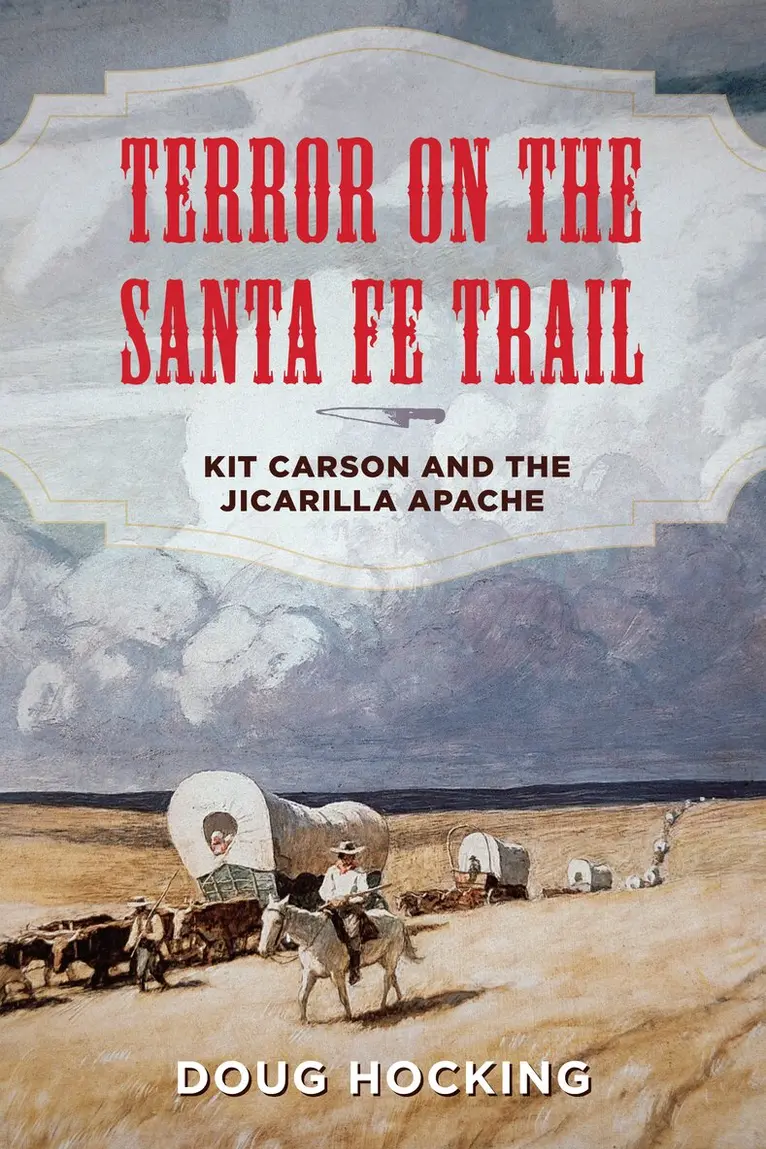
Terror on the Santa Fe Trail
Kit Carson and the Jicarilla Apache
Av Doug Hocking
Inbunden, 2019
348 kr
Lägg i varukorg
In the 1840s and 50s, the Jicarilla Apache were the terror of the Santa Fe Trail and the Rio Arriba. They repeatedly clashed with the cavalry and raided wagon trains, and there was bad blood between the band and the Army after the Battle of San Pasqual, when they were on opposite sides during the …
Terror on the Santa Fe Trail
Kit Carson and the Jicarilla Apache
Av Doug Hocking
E-bok, 2019
325 kr
Lägg i varukorg
*Winner of the 2020 Will Rogers Medallion Award for Western Nonfiction* In the 1840s and 50s, the Jicarilla Apache were the terror of the Santa Fe Trail and the Rio Arriba. They repeatedly clashed with the cavalry and raided wagon trains, and there was bad blood between the band and the Army after …
Black Legend
George Bascom, Cochise, and the Start of the Apache Wars
Av Doug Hocking
Häftad, 2022
310 kr
Lägg i varukorg
In 1861, war between the United States and the Chiricahua seemed inevitable. The Apache band lived on a heavily traveled Emigrant and Overland Mail Trail and routinely raided it, organized by their leader, the prudent, not friendly Cochise. When a young boy was kidnapped from his stepfather’s …
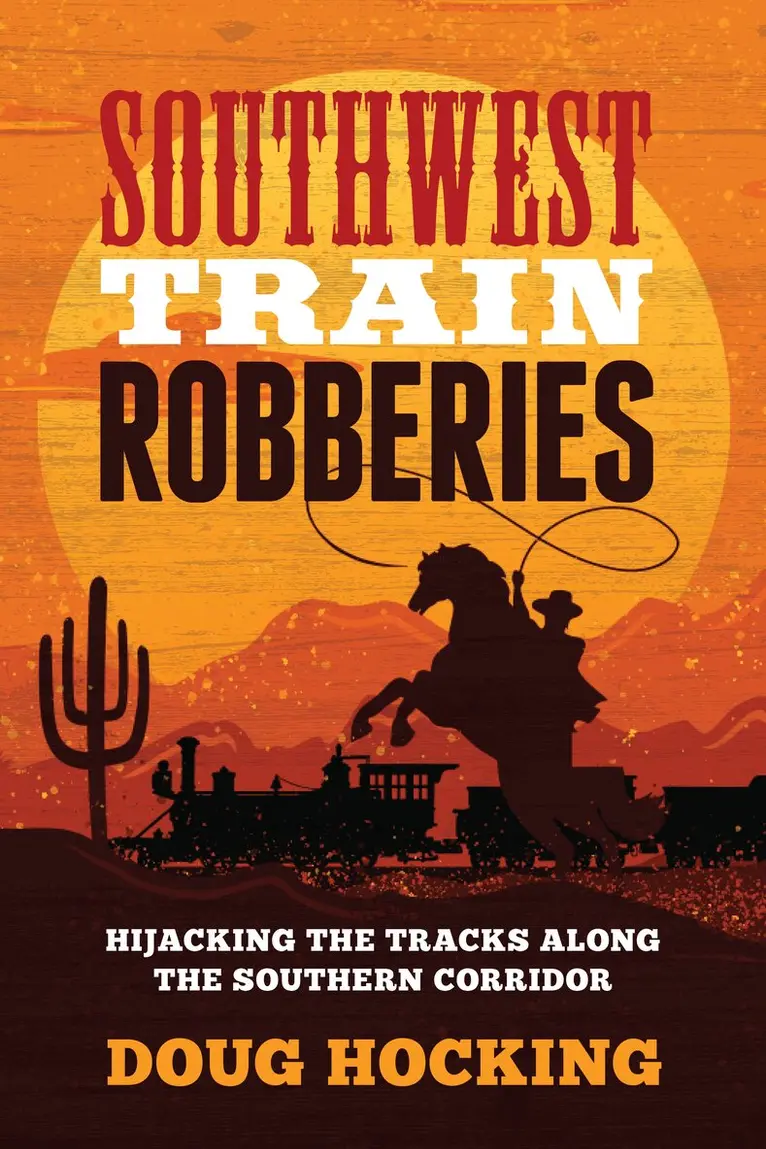
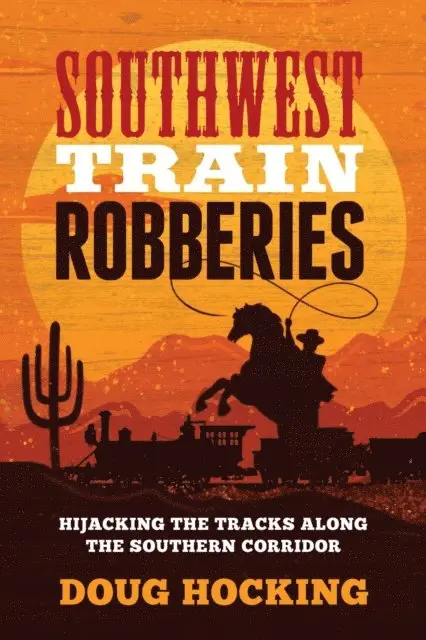
Southwest Train Robberies
Hijacking the Tracks along the Southern Corridor
Av Doug Hocking
Häftad, 2023
324 kr
Lägg i varukorg
In 1854, the United States acquired the roughly 30,000-square-mile region of present-day southern Arizona and southwestern New Mexico from Mexico as part of the Gadsden Purchase. This new Southern Corridor was ideal for train routes from Texas to California, and soon tracks were laid for the …
Southwest Train Robberies
Hijacking the Tracks along the Southern Corridor
Av Doug Hocking
E-bok, 2023
329 kr
Lägg i varukorg
In 1854, the United States acquired the roughly 30,000-square-mile region of present-day southern Arizona and southwestern New Mexico from Mexico as part of the Gadsden Purchase. This new Southern Corridor was ideal for train routes from Texas to California, and soon tracks were laid for the …
Black Legend
George Bascom, Cochise, and the Start of the Apache Wars
Av Doug Hocking
Inbunden, 2018
290 kr
Tillfälligt slut
In 1861, war between the United States and the Chiricahua seemed inevitable. The Apache band lived on a heavily traveled Emigrant and Overland Mail Trail and routinely raided it, organized by their leader, the prudent, not friendly Cochise. When a young boy was kidnapped from his stepfather’s …