Douglas K. Miller – författare
Visar alla böcker från författaren Douglas K. Miller. Handla med fri frakt och snabb leverans.
8 produkter
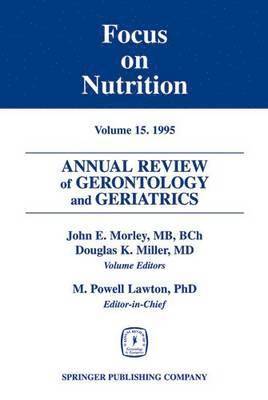
Annual Review of Gerontology and Geriatrics 15; Focus on Nutrition
Focus on Nutrition
Av John Morley, John Morley m. fl.
Häftad, 1996
1291 kr
Lägg i varukorg
Washita Love Child
The Rise of Indigenous Rock Star Jesse Ed Davis
Inbunden, 2024
4,0 utav 5 stjärnor. Totalt antal röster: (2)
358 kr
Lägg i varukorg
No one played like Jesse Ed Davis. One of the most sought-after guitarists of the late 1960s and ’70s, Davis appeared alongside the era’s greatest stars—John Lennon and Mick Jagger, B.B. King and Bob Dylan—and contributed to dozens of major releases, including numerous top-ten albums and singles, …
Washita Love Child
The Rise of Indigenous Rock Star Jesse Ed Davis
Häftad, 2027
232 kr
Kommande
No one played like Jesse Ed Davis. One of the most sought-after guitarists of the late 1960s and ’70s, Davis appeared alongside the era’s greatest stars—John Lennon and Mick Jagger, B.B. King and Bob Dylan—and contributed to dozens of major releases, including numerous top-ten albums and singles, …
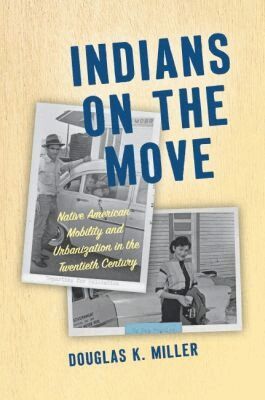
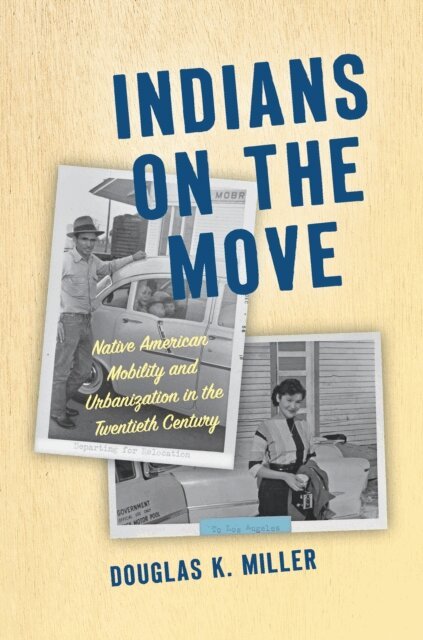
Indians on the Move
Native American Mobility and Urbanization in the Twentieth Century
Inbunden, 2019
1163 kr
Lägg i varukorg
In 1972, the Bureau of Indian Affairs terminated its twenty-year-old Voluntary Relocation Program, which encouraged the mass migration of roughly 100,000 Native American people from rural to urban areas. At the time the program ended, many groups-from government leaders to Red Power activists-had …
Indians on the Move
Native American Mobility and Urbanization in the Twentieth Century
Häftad, 2019
402 kr
Lägg i varukorg
In 1972, the Bureau of Indian Affairs terminated its twenty-year-old Voluntary Relocation Program, which encouraged the mass migration of roughly 100,000 Native American people from rural to urban areas. At the time the program ended, many groups-from government leaders to Red Power activists-had …
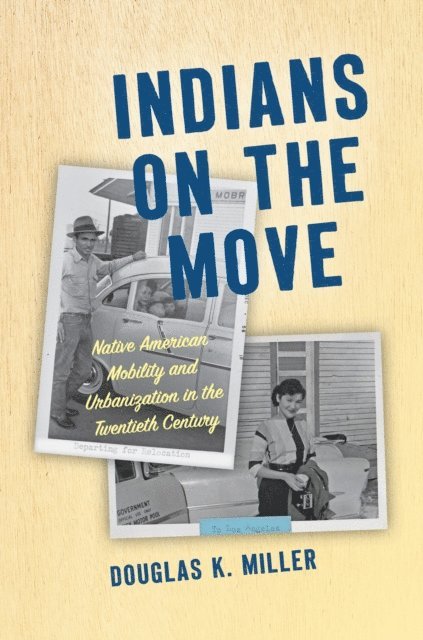
Indians on the Move
Native American Mobility and Urbanization in the Twentieth Century
E-bok, 2019
2051 kr
Lägg i varukorg
In 1972, the Bureau of Indian Affairs terminated its twenty-year-old Voluntary Relocation Program, which encouraged the mass migration of roughly 100,000 Native American people from rural to urban areas. At the time the program ended, many groups — from government leaders to Red Power activists — …
Indians on the Move
Native American Mobility and Urbanization in the Twentieth Century
E-bok, 2019
321 kr
Lägg i varukorg
In 1972, the Bureau of Indian Affairs terminated its twenty-year-old Voluntary Relocation Program, which encouraged the mass migration of roughly 100,000 Native American people from rural to urban areas. At the time the program ended, many groups — from government leaders to Red Power activists — …
Indians on the Move
Native American Mobility and Urbanization in the Twentieth Century
E-bok, 2019
2051 kr
Lägg i varukorg
In 1972, the Bureau of Indian Affairs terminated its twenty-year-old Voluntary Relocation Program, which encouraged the mass migration of roughly 100,000 Native American people from rural to urban areas. At the time the program ended, many groups — from government leaders to Red Power activists — …