Dowd Marion Dowd – författare
Visar alla böcker från författaren Dowd Marion Dowd. Handla med fri frakt och snabb leverans.
4 produkter
4 produkter
E-bok
PDF, Engelska, 2015459 kr
Läs direkt efter köp
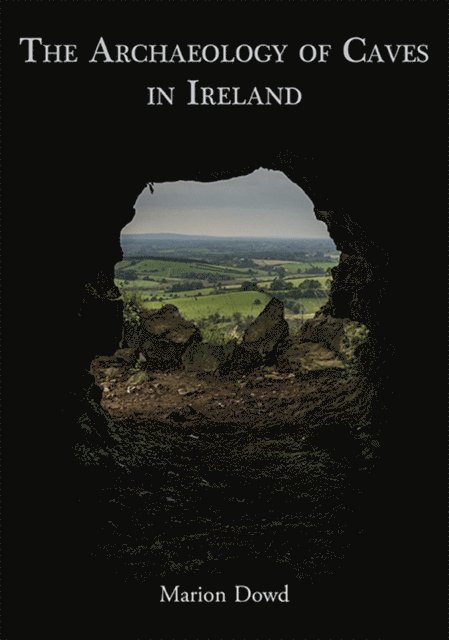
The Archaeology of Caves in Ireland is a ground-breaking and unique study of the enigmatic, unseen and dark silent world of caves. People have engaged with caves for the duration of human occupation of the island, spanning 10,000 years. In prehistory, subterranean landscapes were associated with the dead and the spirit world, with evidence for burials, funerary rituals and votive deposition. The advent of Christianity saw the adaptation of caves as homes and places of storage, yet they also continued to feature in religious practice. Medieval mythology and modern folklore indicate that caves were considered places of the supernatural, being particularly associated with otherworldly women. Through a combination of archaeology, mythology and popular religion, this book takes the reader on a fascinating journey that sheds new light on a hitherto neglected area of research. It encourages us to consider what underground activities might reveal about the lives lived aboveground, and leaves us in no doubt as to the cultural significance of caves in the past.
E-bok
PDF, Engelska, 2016291 kr
Läs direkt efter köp
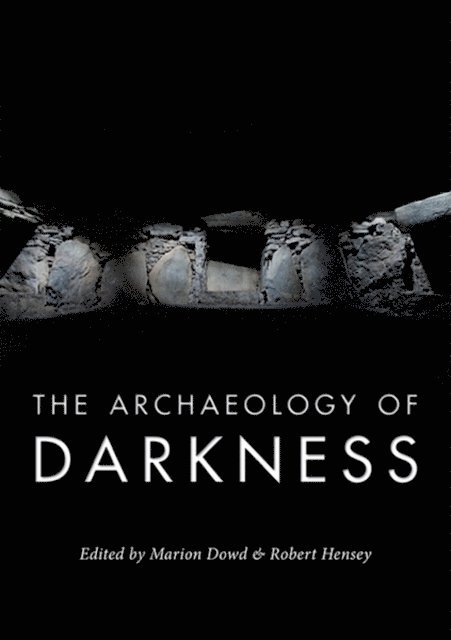
Through time people have lived with darkness. Archaeology shows us that over the whole human journey people have sought out dark places, for burials, for votive deposition and sometimes for retreat or religious ritual away from the wider community. Thirteen papers explore Palaeolithic use of deep caves in Europe and the orientation of mortuary monuments in the Neolithic and Bronze Age. It examines how the senses are affected in caves and monuments that were used for ritual activities, from Bronze Age miners in Wales working in dangerous subterranean settings, to initiands in Italian caves, to a modern caver’s experience of spending time in the one of the world’s deepest caves in Russia. We see how darkness was and is viewed at northern latitudes where parts of the year are spent in eternal night, and in Easter Island where darkness provided communal refuge from the pervasive sun. We know that spending extended periods in darkness and silence can affect one physically, emotionally and spiritually. How did interactions between people and darkness affect individuals in the past and how were regarded by their communities? And how did this interaction transform places in the landscape? As the ever-increasing electrification of the planet steadily minimizes the amount of darkness in our lives, curiously, darkness is coming more into focus. This first collection of papers on the subject begins a conversation about the role of darkness in human experience through time.
E-bok
Engelska, 2017459 kr
Läs direkt efter köp
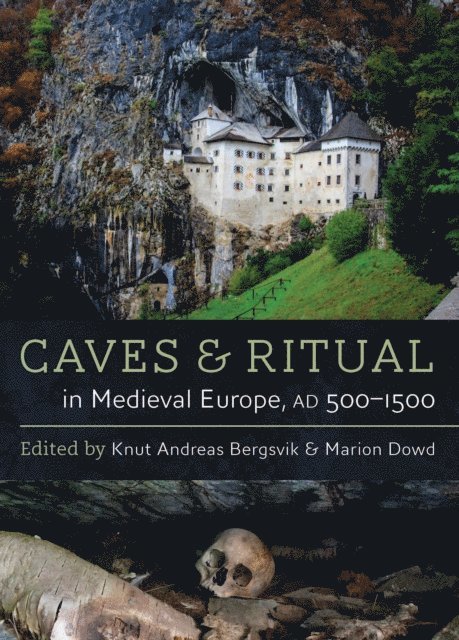
Caves and rockshelters in Europe have traditionally been associated with prehistory, and in some regions cave archaeology has become synonymous with the Palaeolithic. However, there is abundant evidence that caves and rockshelters were important foci for activities in historic times. During the medieval period (here taken as AD 500–1500) caves were used for short-term shelter, habitation, specialized craft activities, storage, as hideaways, and for tending animals. Caves were also used for religious purposes. Caves and Ritual in Medieval Europe, AD 500–1500 focuses on this neglected field of research – the ritual and religious use of caves. It draws together interdisciplinary studies by leading specialists from across Europe: from Iberia to Crimea, and from Malta to northern Norway. The different religions and rituals in this vast area are unified by the use of caves and rockshelters, indicating that the beliefs in these natural places – and in the power of the underworld – were deeply embedded in many different religious practices. Christianity was widespread and firmly established in most of Europe at this time, and many of the contributions deal with different types of Christian practices, such as the use of rock-cut churches, unmodified caves for spiritual retreat, caves reputedly visited by saints, and caves as places for burials. But parallel to this, some caves were associated with localized popular religious practices, which sometimes had pre-Christian origins. Muslims in Iberia used caves for spiritual retreat, and outside the Christian domain in northern Europe, caves and rockshelters were places for carving symbols among Pictish groups, places for human burial, for bear burials amongst the Sámi, and places for crafting and votive deposition for Norse populations.
E-bok
PDF, Engelska, 2017459 kr
Läs direkt efter köp
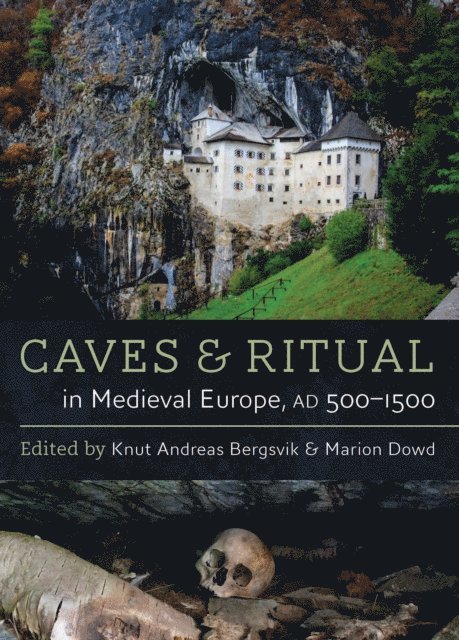
Caves and rockshelters in Europe have traditionally been associated with prehistory, and in some regions cave archaeology has become synonymous with the Palaeolithic. However, there is abundant evidence that caves and rockshelters were important foci for activities in historic times. During the medieval period (here taken as AD 500–1500) caves were used for short-term shelter, habitation, specialized craft activities, storage, as hideaways, and for tending animals. Caves were also used for religious purposes. Caves and Ritual in Medieval Europe, AD 500–1500 focuses on this neglected field of research – the ritual and religious use of caves. It draws together interdisciplinary studies by leading specialists from across Europe: from Iberia to Crimea, and from Malta to northern Norway. The different religions and rituals in this vast area are unified by the use of caves and rockshelters, indicating that the beliefs in these natural places – and in the power of the underworld – were deeply embedded in many different religious practices. Christianity was widespread and firmly established in most of Europe at this time, and many of the contributions deal with different types of Christian practices, such as the use of rock-cut churches, unmodified caves for spiritual retreat, caves reputedly visited by saints, and caves as places for burials. But parallel to this, some caves were associated with localized popular religious practices, which sometimes had pre-Christian origins. Muslims in Iberia used caves for spiritual retreat, and outside the Christian domain in northern Europe, caves and rockshelters were places for carving symbols among Pictish groups, places for human burial, for bear burials amongst the Sámi, and places for crafting and votive deposition for Norse populations.