Dr. Val Napoleon - Böcker
Visar alla böcker från författaren Dr. Val Napoleon. Handla med fri frakt och snabb leverans.
6 produkter
6 produkter
901 kr
Skickas inom 7-10 vardagar
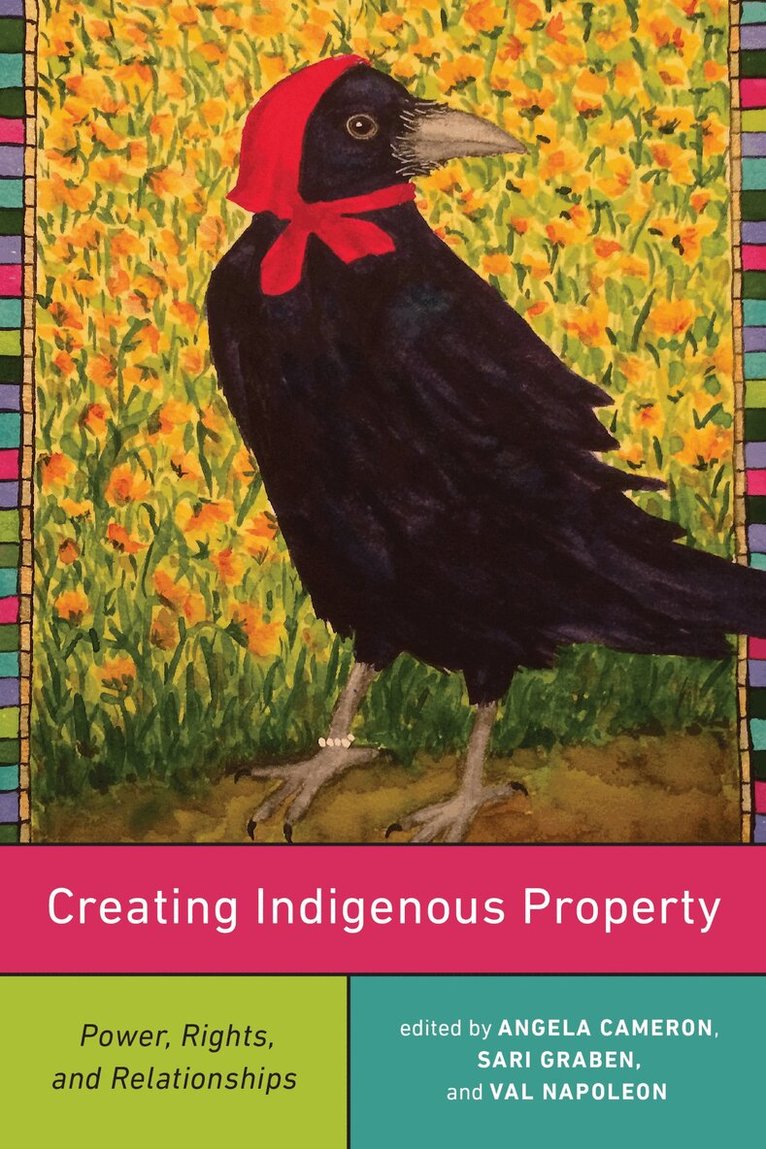
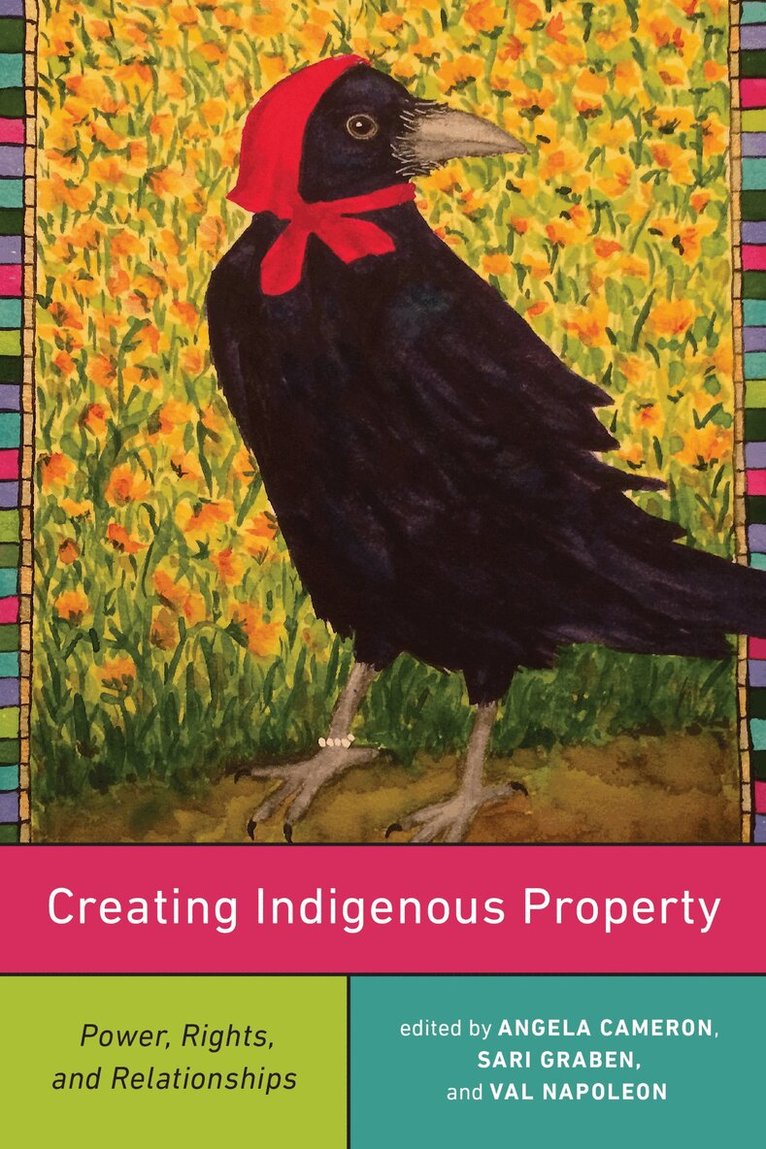
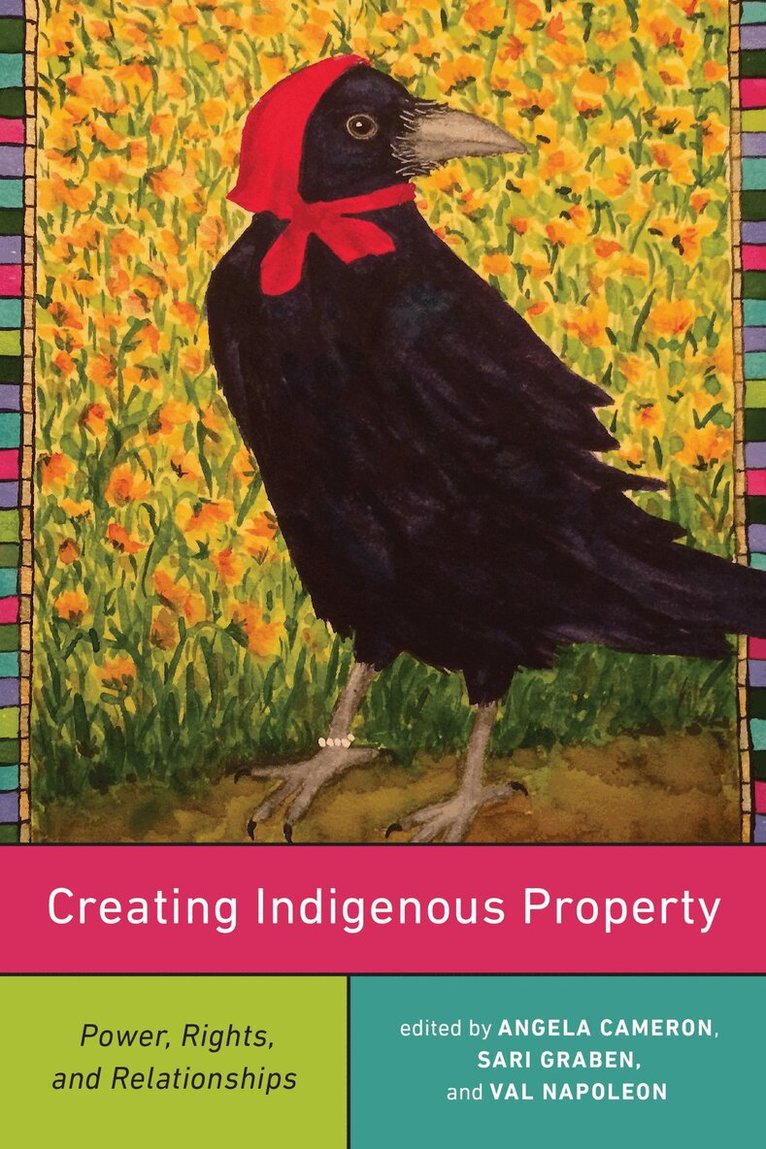
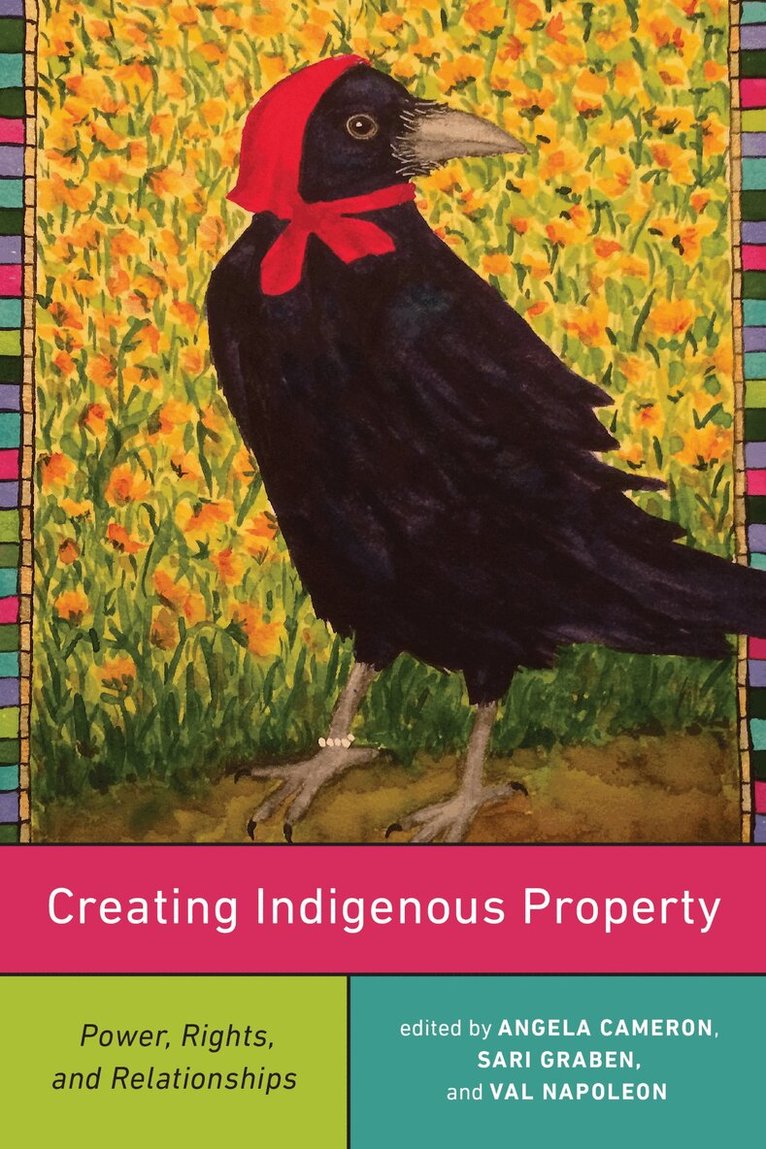
While colonial imposition of the Canadian legal order has undermined Indigenous law, creating gaps and sometimes distortions, Indigenous peoples have taken up the challenge of rebuilding their laws, governance, and economies. Indigenous conceptions of land and property are central to this project.Creating Indigenous Property identifies how contemporary Indigenous conceptions of property are rooted in and informed by their societally specific norms, meanings, and ethics. Through detailed analysis, the authors illustrate that unexamined and unresolved contradictions between the historic and the present have created powerful competing versions of Indigenous law, legal authorities, and practices that reverberate through Indigenous communities. They have identified the contradictions and conflicts within Indigenous communities about relationships to land and non-human life forms, about responsibilities to one another, about environmental decisions, and about wealth distribution. Creating Indigenous Property contributes to identifying the way that Indigenous discourses, processes, and institutions can empower the use of Indigenous law.The book explores different questions generated by these dynamics, including: Where is the public/private divide in Indigenous and Canadian law, and why should it matter? How do land and property shape local economies? Whose voices are heard in debates over property and why are certain voices missing? How does gender matter to the conceptualization of property and the Indigenous legal imagination? What is the role and promise of Indigenous law in negotiating new relationships between Indigenous peoples and Canada? In grappling with these questions, readers will join the authors in exploring the conditions under which Canadian and Indigenous legal orders can productively co-exist.
400 kr
Skickas inom 7-10 vardagar
While colonial imposition of the Canadian legal order has undermined Indigenous law, creating gaps and sometimes distortions, Indigenous peoples have taken up the challenge of rebuilding their laws, governance, and economies. Indigenous conceptions of land and property are central to this project.Creating Indigenous Property identifies how contemporary Indigenous conceptions of property are rooted in and informed by their societally specific norms, meanings, and ethics. Through detailed analysis, the authors illustrate that unexamined and unresolved contradictions between the historic and the present have created powerful competing versions of Indigenous law, legal authorities, and practices that reverberate through Indigenous communities. They have identified the contradictions and conflicts within Indigenous communities about relationships to land and non-human life forms, about responsibilities to one another, about environmental decisions, and about wealth distribution. Creating Indigenous Property contributes to identifying the way that Indigenous discourses, processes, and institutions can empower the use of Indigenous law.The book explores different questions generated by these dynamics, including: Where is the public/private divide in Indigenous and Canadian law, and why should it matter? How do land and property shape local economies? Whose voices are heard in debates over property and why are certain voices missing? How does gender matter to the conceptualization of property and the Indigenous legal imagination? What is the role and promise of Indigenous law in negotiating new relationships between Indigenous peoples and Canada? In grappling with these questions, readers will join the authors in exploring the conditions under which Canadian and Indigenous legal orders can productively co-exist.
720 kr
Skickas inom 7-10 vardagar
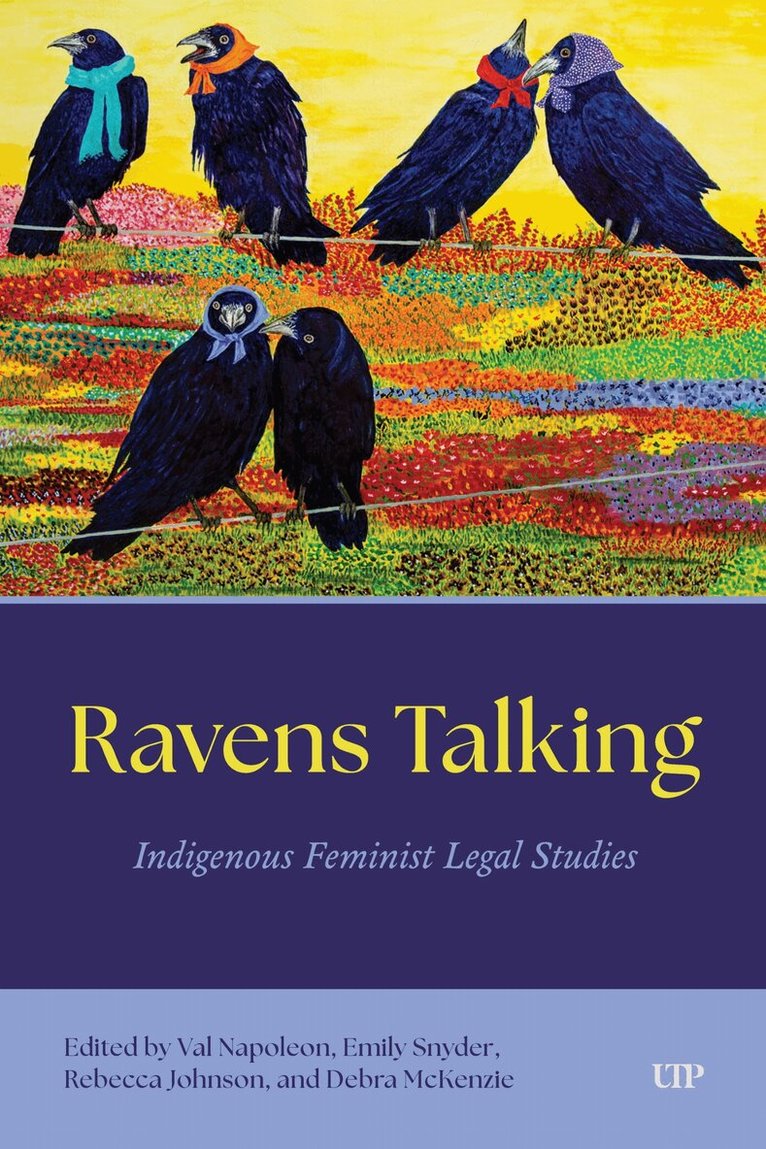
While awareness of the sexual and gendered colonial violence faced by Indigenous women, girls, and 2SLGBTQI people has grown, the field of Indigenous law and beyond has yet to fully engage with Indigenous feminisms, gender, and sexuality in a sustained way. Ravens Talking challenges this gap, treating Indigenous feminisms as essential, insightful, and deeply transformative.Through critical feminist analyses, this book examines key issues in Indigenous law, demonstrating how legal understandings shift when gender is consistently, meaningfully, and creatively engaged. The contributors to this collection confront the forms of power shaping these essential conversations and bring to the fore intergenerational Indigenous feminisms; Indigenous law and gender; the forms of expression and translation between and across legal and political worlds; and the rich array of disagreements and conflicts between Indigenous women. Ravens Talking intends to capture the complexities arising from Indigenous feminisms in living contexts to provoke questions and develop critical perspectives.Both intellectually rigorous and practically grounded, Ravens Talking is a vital contribution encouraging dialogue on Indigenous legal traditions, justice, and sovereignty.
285 kr
Skickas inom 7-10 vardagar
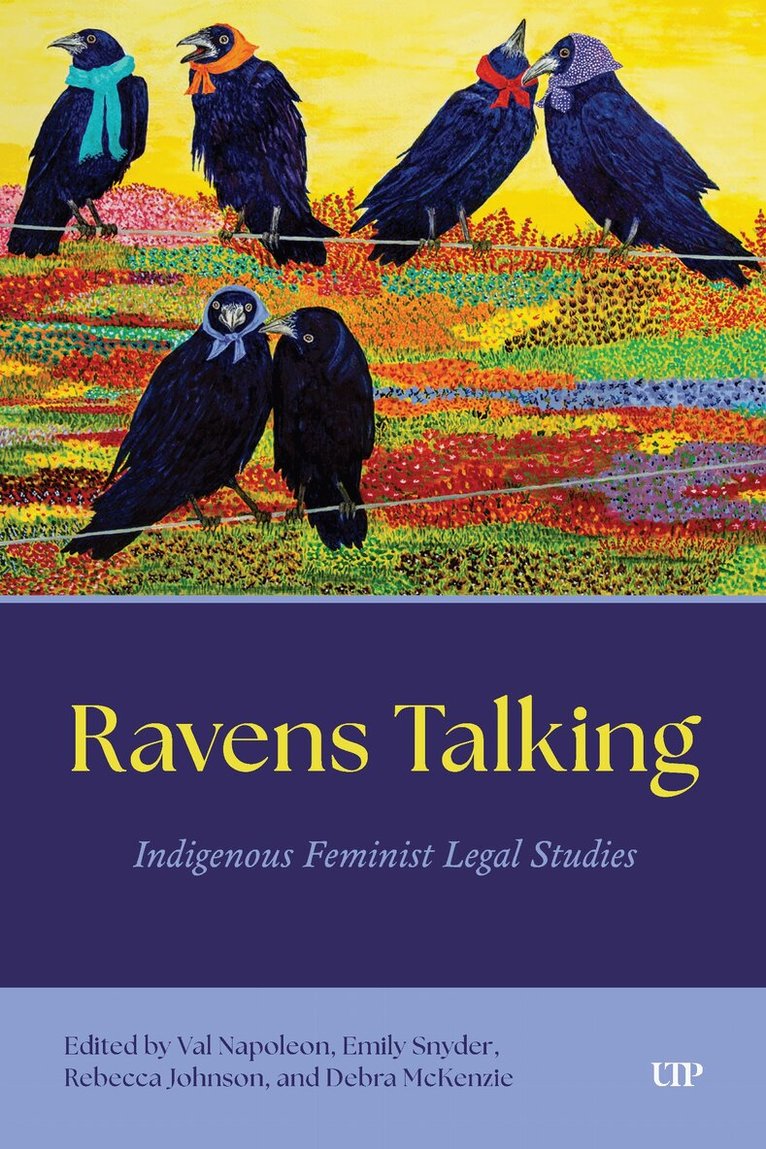
While awareness of the sexual and gendered colonial violence faced by Indigenous women, girls, and 2SLGBTQI people has grown, the field of Indigenous law and beyond has yet to fully engage with Indigenous feminisms, gender, and sexuality in a sustained way. Ravens Talking challenges this gap, treating Indigenous feminisms as essential, insightful, and deeply transformative.Through critical feminist analyses, this book examines key issues in Indigenous law, demonstrating how legal understandings shift when gender is consistently, meaningfully, and creatively engaged. The contributors to this collection confront the forms of power shaping these essential conversations and bring to the fore intergenerational Indigenous feminisms; Indigenous law and gender; the forms of expression and translation between and across legal and political worlds; and the rich array of disagreements and conflicts between Indigenous women. Ravens Talking intends to capture the complexities arising from Indigenous feminisms in living contexts to provoke questions and develop critical perspectives.Both intellectually rigorous and practically grounded, Ravens Talking is a vital contribution encouraging dialogue on Indigenous legal traditions, justice, and sovereignty.
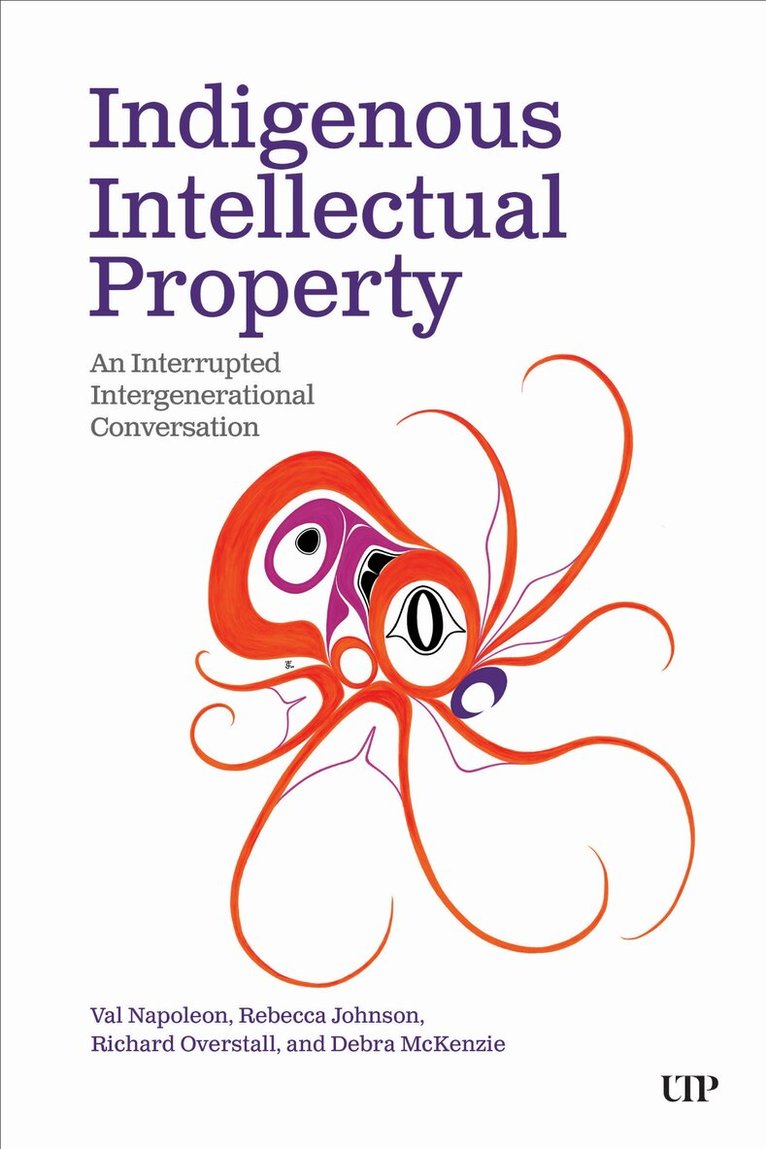
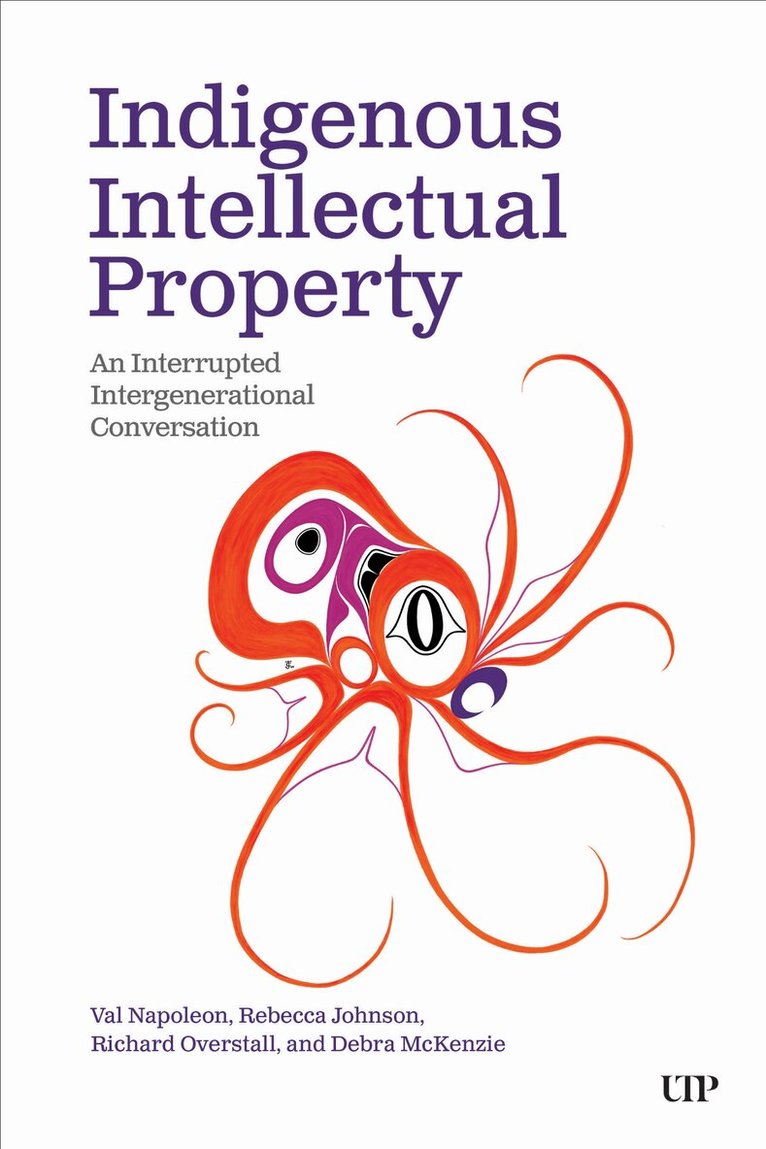
Indigenous Intellectual Property
An Interrupted Intergenerational Conversation
Inbunden, Engelska, 2024
611 kr
Skickas inom 7-10 vardagar
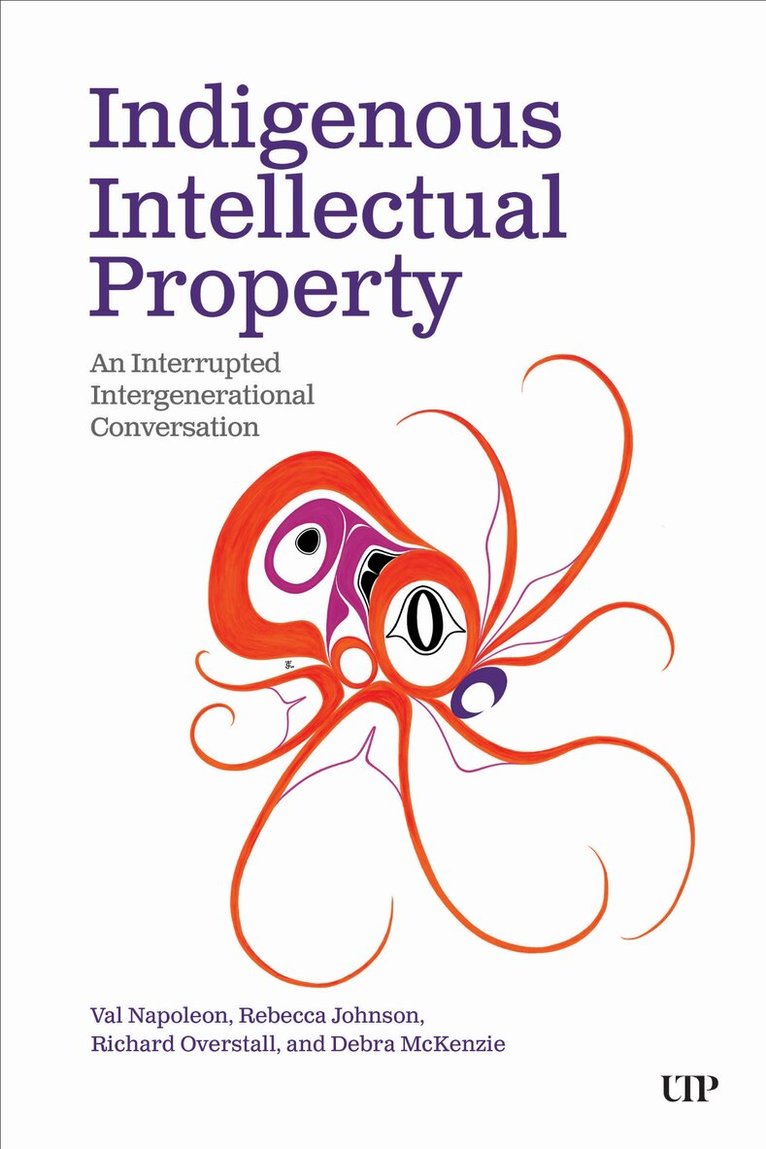
Historically, Indigenous artistic, cultural, and societal expression has been identified and examined within Canadian or international legal regimes. This book identifies Indigenous intellectual property concerns as an Indigenous legal issue to be taken seriously within specific Indigenous legal orders. Indigenous Intellectual Property opens up complex discussions about existing Indigenous intellectual property law, and avoids the tendency to pigeonhole Indigenous intellectual property into a Western legal model.Drawing on diverse case studies, this book considers the existing laws in the Gitxsan, Secwepemc, and Hupacasath (Nuu-chah-nulth) legal orders, as well as from the Solomon Islands and Hawai’i. The case studies are grounded in their respective legal and oral histories, and contextualized within a broader discussion of Indigenous law, addressing issues of colonial myths, shrinking conceptions of Indigenous law, common resistances to Indigenous property and law, and important connections between Indigenous law and governance and citizenship.The book carefully considers how the governance and civic value of intellectual property points to the unsuitability of the current state and international intellectual property legal regimes to many Indigenous intellectual property concerns. Ultimately, Indigenous Intellectual Property reveals the various ways in which to identify and understand law within Indigenous societies – through narrative and story analysis, observations of practices and ceremonies, and political and legal ordering.
248 kr
Skickas inom 7-10 vardagar
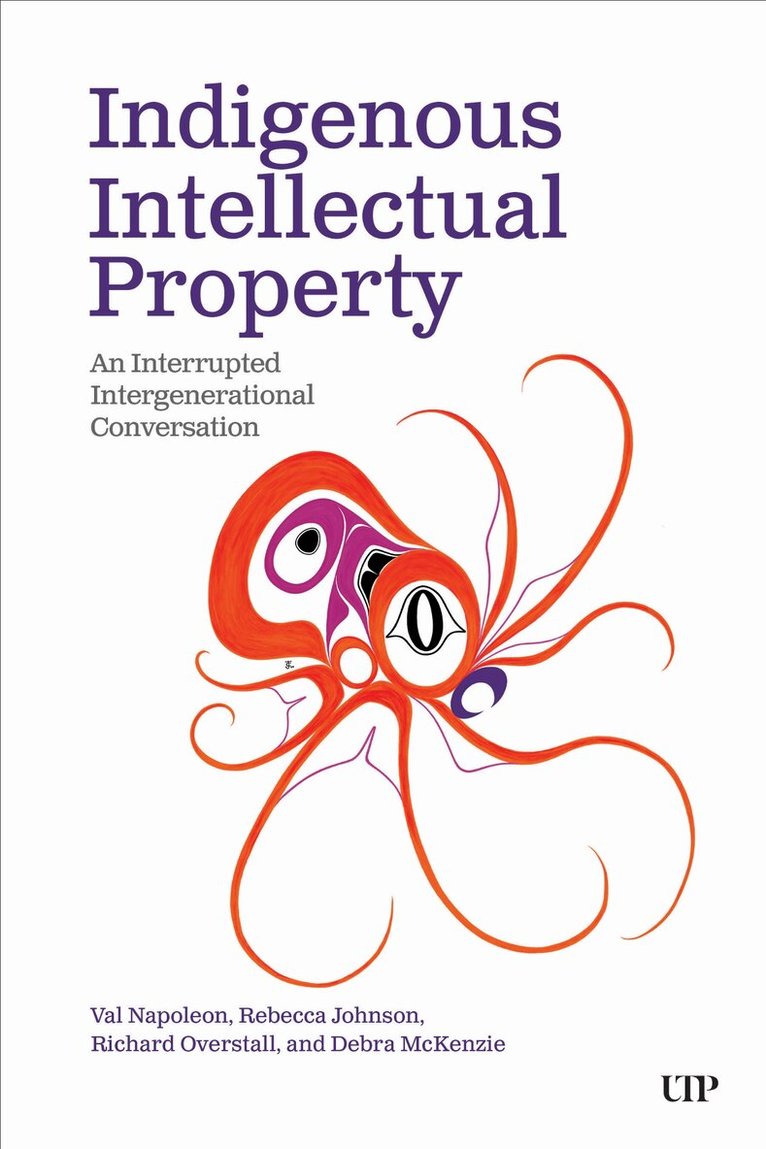
Historically, Indigenous artistic, cultural, and societal expression has been identified and examined within Canadian or international legal regimes. This book identifies Indigenous intellectual property concerns as an Indigenous legal issue to be taken seriously within specific Indigenous legal orders. Indigenous Intellectual Property opens up complex discussions about existing Indigenous intellectual property law, and avoids the tendency to pigeonhole Indigenous intellectual property into a Western legal model.Drawing on diverse case studies, this book considers the existing laws in the Gitxsan, Secwepemc, and Hupacasath (Nuu-chah-nulth) legal orders, as well as from the Solomon Islands and Hawai’i. The case studies are grounded in their respective legal and oral histories, and contextualized within a broader discussion of Indigenous law, addressing issues of colonial myths, shrinking conceptions of Indigenous law, common resistances to Indigenous property and law, and important connections between Indigenous law and governance and citizenship.The book carefully considers how the governance and civic value of intellectual property points to the unsuitability of the current state and international intellectual property legal regimes to many Indigenous intellectual property concerns. Ultimately, Indigenous Intellectual Property reveals the various ways in which to identify and understand law within Indigenous societies – through narrative and story analysis, observations of practices and ceremonies, and political and legal ordering.