Drescher - Böcker
Visar alla böcker från författaren Drescher. Handla med fri frakt och snabb leverans.
2 produkter
2 produkter
1 774 kr
Skickas inom 5-8 vardagar
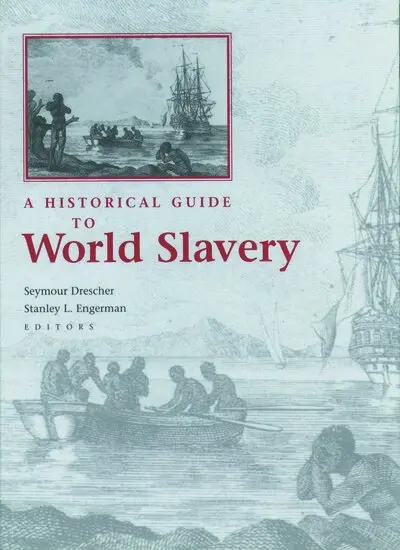
Eminent scholars provide an overview of what we now know about slavery as an institution and way of life in cultures around the globe from ancient times to the present day. Drawing on the virtual explosion of empirical research and theoretical discussion of the subject over the past thirty years, many of the articles overturn conventional wisdom and illuminate little-known aspects of the subject, with essays on topics such as concubinage, eunuchs, occupational mobility.
414 kr
Skickas inom 5-8 vardagar
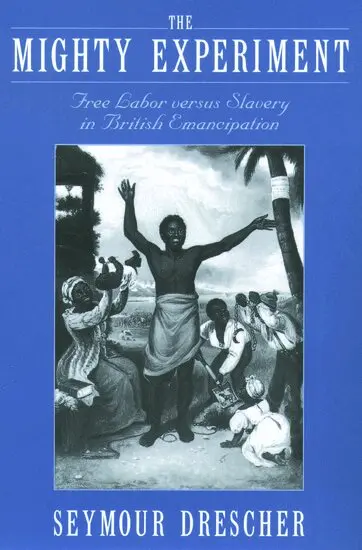
By the third quarter of the eighteenth century, Great Britain had amassed Europe's largest imperial stake in the transatlantic slave system. During the next three generations the British dismantled that stake in a graduated series of withdrawals. This process has been portrayed, on the one hand, as a rational disinvestment in a foundering overseas system by the world's greatest and most dynamic economic power. On the other hand, it has been assessed as the world's most expensive per capita overseas investment in modern history. In this latter perspective, British anti-slavery was the the crucial element in the greatest humanitarian achievement of all time. For those who actually planned, debated, implemented, and adjusted to the process, ending British slavery was best conceived neither as a timely withdrawal from a failed economy nor an unprecedented national sacrifice. Properly done, it was to be a rational social experiment. Emancipation was designed to simultaneously minimize agitation on both sides of the Atlantic, and to maximize the scientifically proven superiority of free over slave labor. It would thereby not only benefit planters, consumers, and capitalists within the empire, but also accelerate the peaceful and voluntary surrender of millions of chattels throughout the world. The implementation and evaluation of emancipation turned out to be a far more contentious affair than the originators had anticipated. It absorbed minds of a whole generation of parliamentarians, governments, and journalists. The origin, execution, and public assessment of this great experiment, in its own contemporary terms, is the subject of this study.