Duncan Redford - Böcker
Visar alla böcker från författaren Duncan Redford. Handla med fri frakt och snabb leverans.
6 produkter
6 produkter
752 kr
Skickas inom 7-10 vardagar
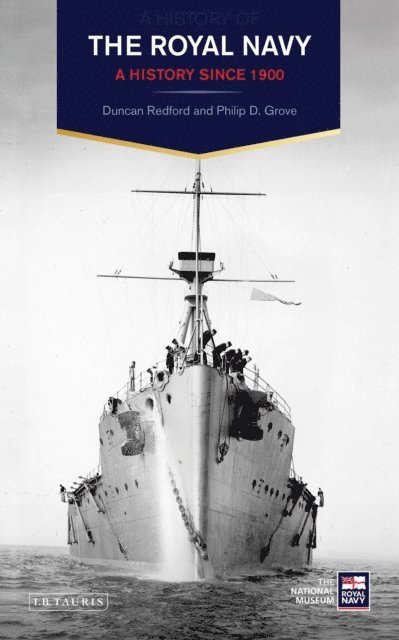
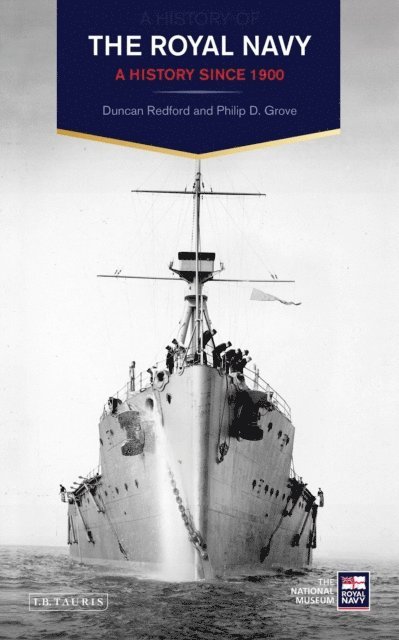
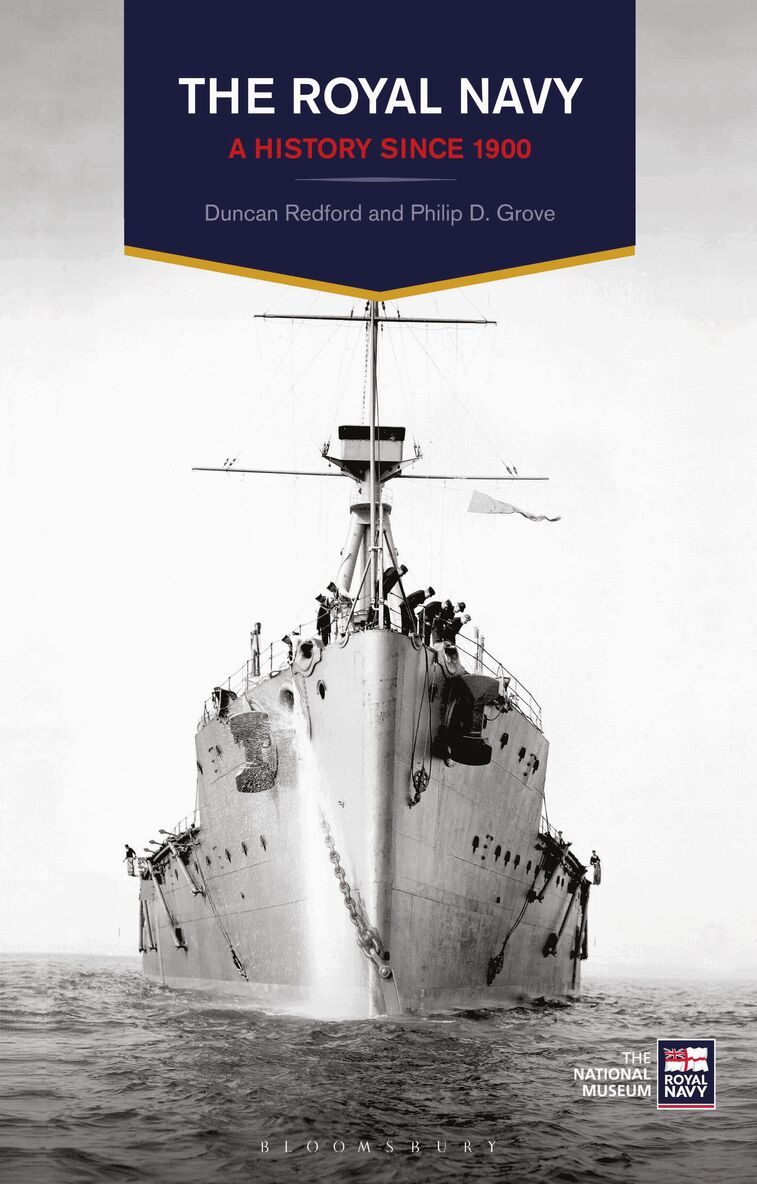
Since 1900, the Royal Navy has seen vast changes to the way it operates. This book tells the story, not just of defeats and victories, but also of how the navy has adjusted to over 100 years of rapid technological and social change. The navy has changed almost beyond recognition since the far-reaching reforms made by Admiral Fisher at the turn of the century. Fisher radically overhauled the fleet, replacing the nineteenth-century wooden crafts with the latest in modern naval technology, including battleships (such as the iconic dreadnoughts), aircraft carriers and submarines. In World War I and World War II, the navy played a central role, especially as unrestricted submarine warfare and supply blockades became an integral part of twentieth-century combat. However it was the development of nuclear and missile technology during the Cold War era which drastically changed the face of naval warfare - today the navy can launch sea-based strikes across thousands of miles to reach targets deep inland. This book navigates the cross currents of over 100 years of British naval history.As well as operational issues, the authors also consider the symbolism attached to the navy in popular culture and the way naval personnel have been treated, looking at the changes in on-board life and service during the period, as well as the role of women in the navy. In addition to providing full coverage of the Royal Navy's wartime operations, the authors also consider the functions of the navy in periods of nominal peace - including disaster relief, diplomacy and exercises. Even in peacetime the Royal Navy had a substantial role to play. Covering the whole span of naval history from 1900 to the present, this book places the wars and battles fought by the navy within a wider context, looking at domestic politics, economic issues and international affairs. It will be essential reading for anyone interested in naval history and operations, as well as military history more generally.
475 kr
Skickas inom 10-15 vardagar
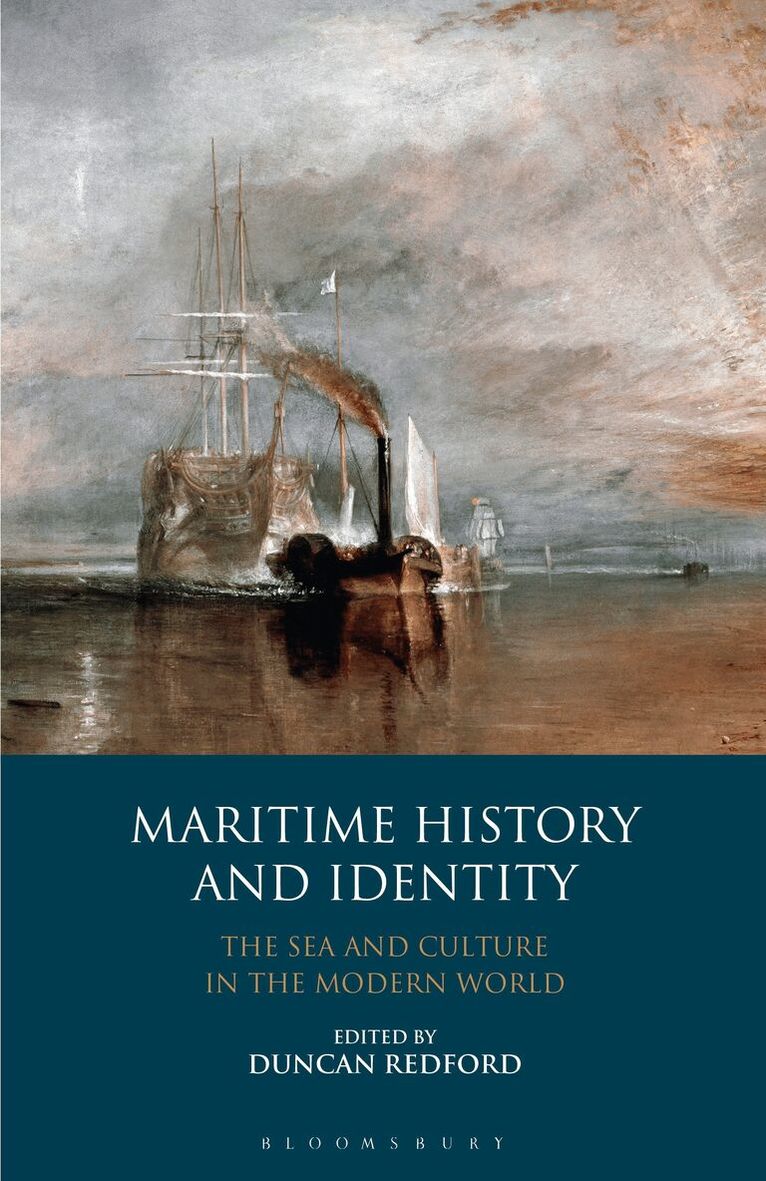
The sea and its relation to human life has always been a subject of fascination for historians. For the first time, this book looks at the field of Maritime History through the prism of identity, looking at how the sea has influenced the formation of identity at a national, local and individual level from the early modern age to the present. It looks at a variety of people who interacted with the sea in different ways, from merchant sailors to naval officers and on land, from dockworkers to the civilians who participated in the sea-based festivals in the Mediterranean port city of Messina.This volume has a cultural focus, with chapters exploring the cultural construction of the 'naval hero' in literature, poetry, music and art, and an appraisal of the Japanese author and journalist Masanori, whose works had such a profound influence on Japanese national identity after the Second World War. A key focus is on the ways the Royal Navy influenced British identity at a national and regional level, but this volume also explores other countries with a strong naval tradition, such as Japan, Italy and Germany.By bringing together a variety of themes related to identity, this book provides the first attempt to thoroughly analyse the ways in which maritime historians have engaged with the question of identity in recent years. In doing so, it provides an important and unique addition to the historiography, which will be essential reading for all scholars of maritime and naval history and those concerned with the question of identity.
1 885 kr
Skickas inom 7-10 vardagar
The sea and its relation to human life has always been a subject of fascination for historians. For the first time, this book looks at the field of Maritime History through the prism of identity, looking at how the sea has influenced the formation of identity at a national, local and individual level from the early modern age to the present. It looks at a variety of people who interacted with the sea in different ways - from merchant sailors to naval officers and, on land, from dockworkers to the civilians who participated in the sea-based festivals in the Mediterranean port city of Messina. A cultural strand runs through the volume, with chapters focussing on the cultural construction of the 'naval hero' in literature, poetry, music and art, and an appraisal of the Japanese author and journalist It? Masanori, whose works had such a profound influence on Japan's post-World War II national identity. A key focus is the ways in which the Royal Navy influenced British identity at a national and regional level, but other countries with a strong naval tradition - such as Japan, Italy and Germany - are also analysed.By bringing together a variety of themes related to identity, this book provides the first attempt to thoroughly analyse the ways in which maritime historians have engaged with the question of identity in recent years. In doing so, it provides an important and unique addition to the historiography, which will be essential reading for all scholars of maritime and naval history and those concerned with the question of identity.
833 kr
Skickas inom 10-15 vardagar
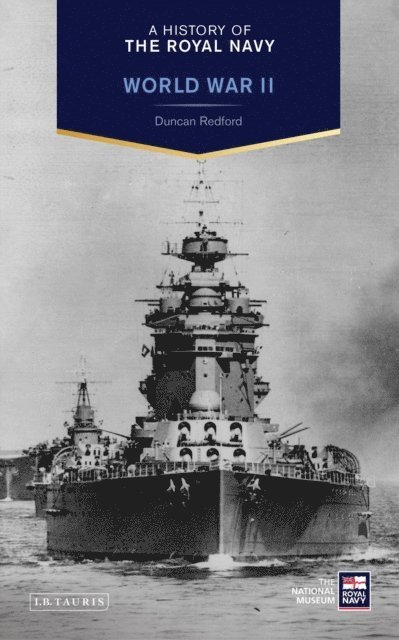
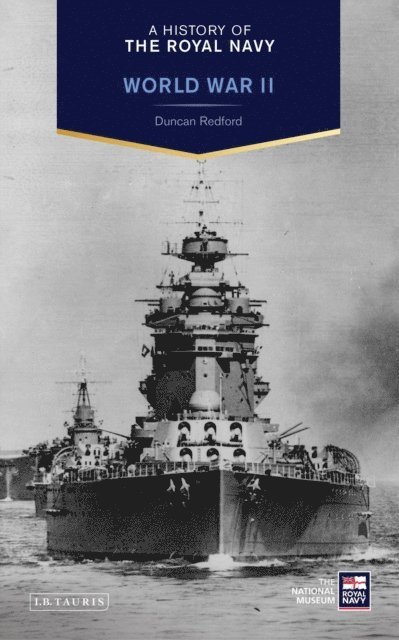
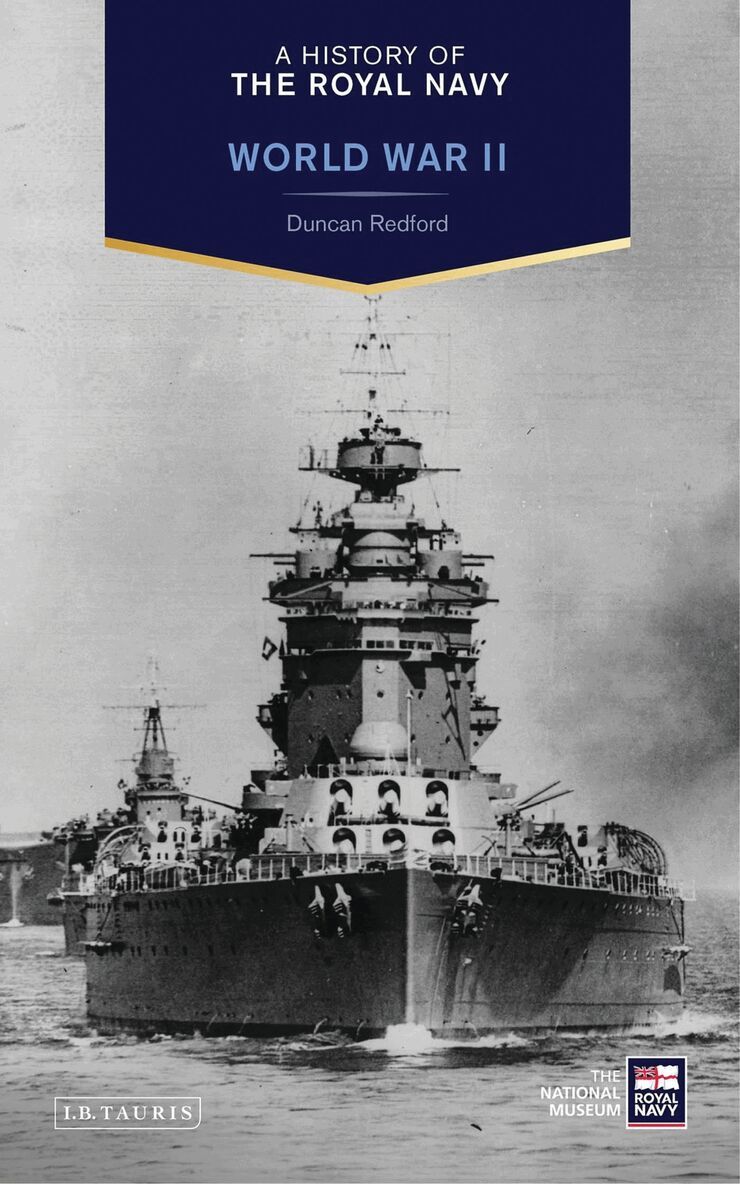
The Royal Navy's operations in World War II started on 3 September 1939 and continued until the surrender of Japan in August 1945 - there was no 'phoney war' at sea. The navy played a central role in the evacuation of the retreating British army at Dunkirk, and later orchestrated the sinking of Germany's mighty battleship and Hitler's pride, the Bismarck. Without the Royal Navy's attention to the defence of Britain's seaborne trade - especially in the struggle against German U-boats in the Battle of the Atlantic - there would not have been food for the country, fuel for the RAF's operations or supplies to keep the army fighting in Europe, North Africa and the Far East. Yet the outstanding naval contribution to Britain's survival and eventual victory came at a heavy cost in terms of ships and to the men who had to face not just the violence of the enemy, but also the violence of the sea. This book argues that World War II was, effectively, a maritime war; it was the Royal Navy's war.
379 kr
Skickas inom 10-15 vardagar
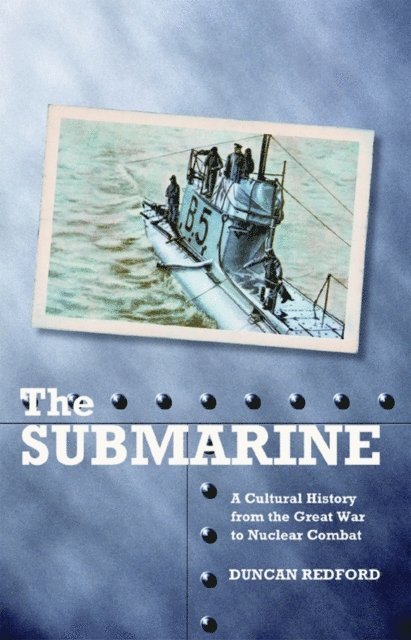
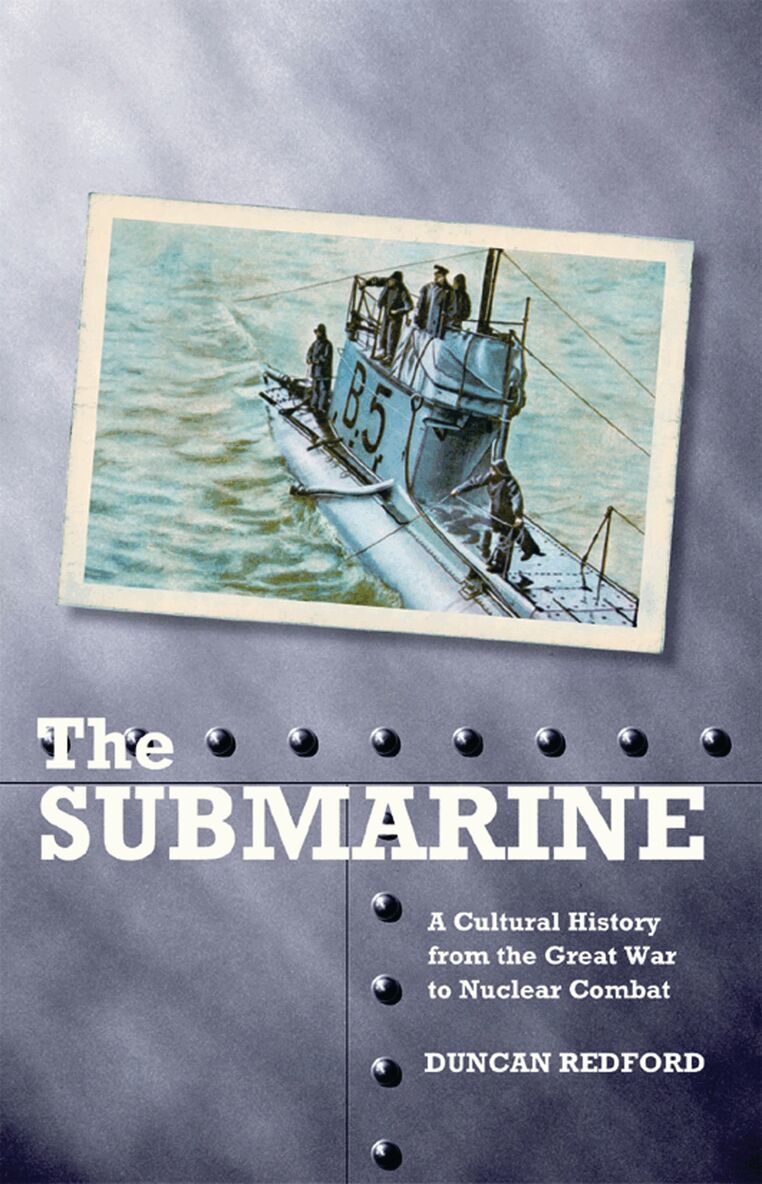
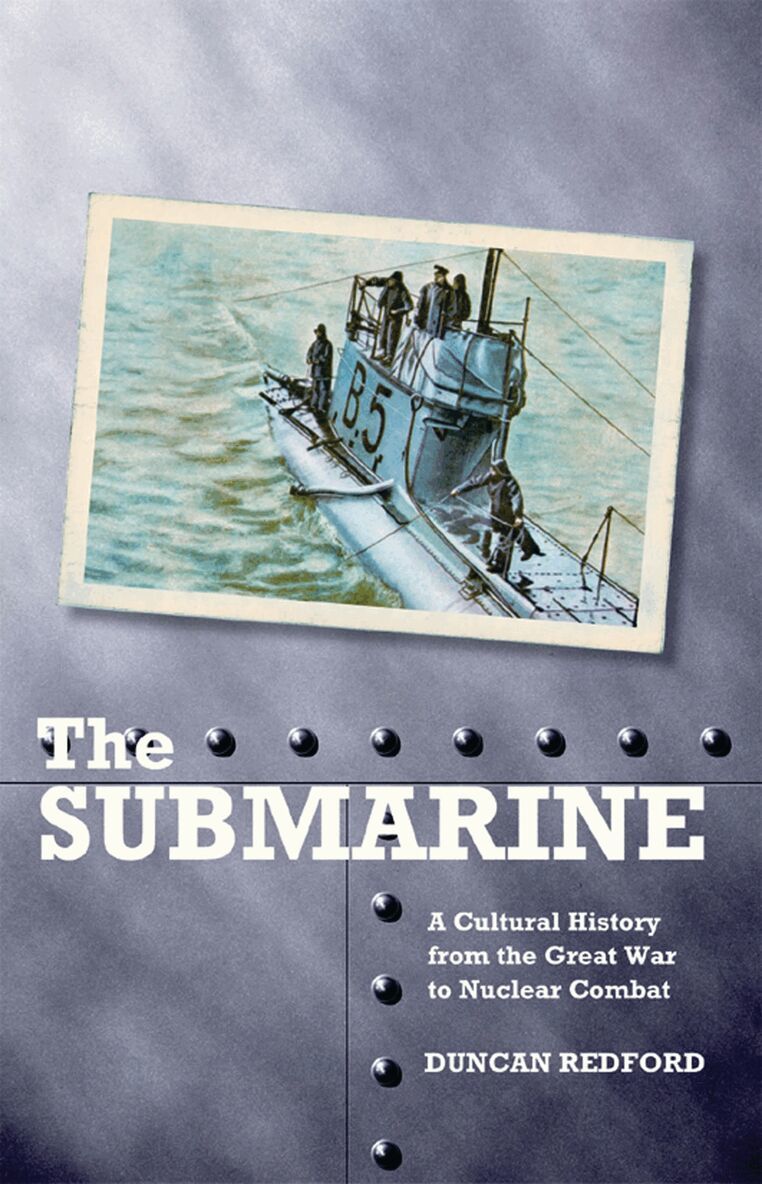
"Underhand and damned un-English" was the view of submarines in Edwardian Britain. Yet by the 1960s the new nuclear powered submarines were seen by the Royal Navy as being the "hallmark of a first class navy." In this book Duncan Redford, a retired Royal Navy submarine officer, explores how - and why - attitudes to the submarine changed in Britain between 1900 and 1977. Using a wide array of previously unpublished sources, Redford sheds light on what the British thought about submarines, both their own and those that were used against them. Rather than providing an operational history of Britain's submarines, this book looks at naval and civilian conceptions of what submarine warfare was imagined to be like in the context of unrestricted submarine warfare, the world wars and the development of nuclear weaponry. With chapters on the coronation and jubilee reviews at Spithead, the submarine in novels and films, as well as coverage of the Royal Navy's and civilian views of submarines and submarine warfare this book gives a comprehensive view of the British regard - or lack of it - for the submarine. Through the examination of the British relationship with submarines since 1900 it is possible to see changing patterns in acceptance and tensions between different sub-cultures, both civil and maritime. Since 1900 the meaning constructed around submarines has changed as the submarine has progressed along a road from perdition as the weapon of the weaker power (and morally weaker power too) to a form of redemption as a major capital unit. This book will be essential for naval historians, students and those interested in aspects of submarine development and use.
1 888 kr
Skickas inom 10-15 vardagar
'Underhand and damned un-English' was the view of submarines in Edwardian Britain. However, by the 1960s new nuclear powered submarines were seen by the Royal Navy as being the 'hallmark of a first class navy'. This exciting new book explores the changing attitudes to the submarine in Britain from World War One to the age of nuclear combat. Including discussion of unrestricted submarine warfare, the experience of the world wars, nuclear power and weapons, as well as films and novels based on submarine warfare, this book is essential for naval historians, students and those interested in aspects of submarine development and use.