
Dwight Pitcaithley – Författare
Visar alla böcker från författaren Dwight Pitcaithley. Handla med fri frakt och snabb leverans.
4 produkter
4 produkter
544 kr
Skickas inom 10-15 vardagar
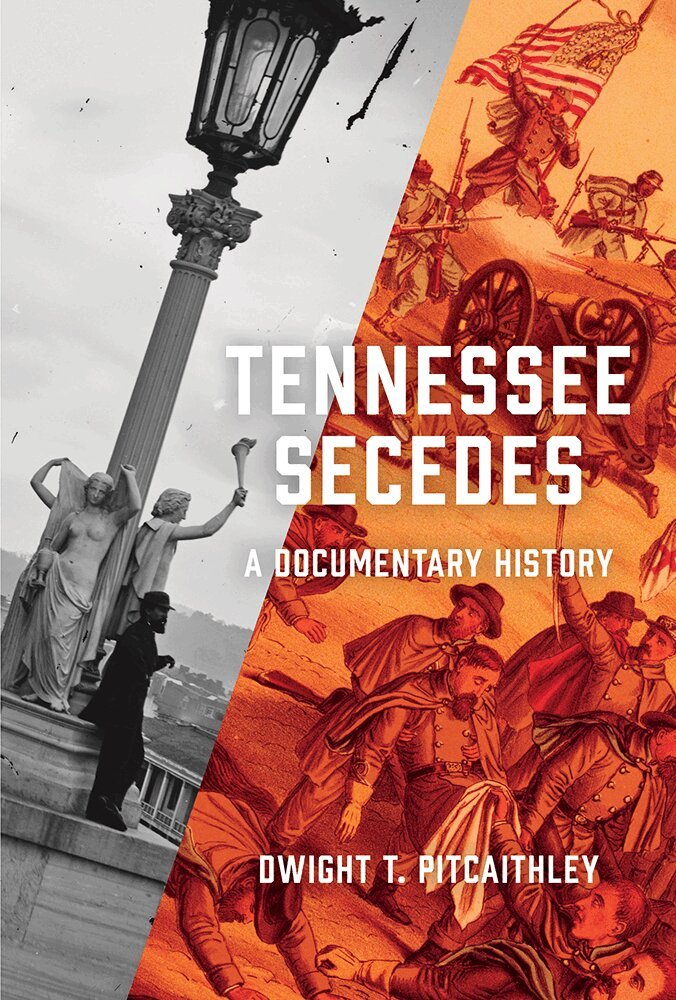
The election of 1860 put to rest a tumultuous decade of legislative contest over the institution of slavery—even as it set in motion events that led directly to its demise by civil war. While some scholarship tends to minimize the role of slavery in the secession of the Southern states in the early 1860s, Dwight Pitcaithley’s Tennessee Secedes: A Documentary History takes the opposite approach, examining the many factors that both fueled and complicated Tennessee’s unique journey toward secession in 1861.Organized chronologically by source and speaker, Tennessee Secedes presents a selection of primary sources from December 1860 through the summer of 1861, inviting students to examine the arc of Tennessee’s secession march. Pitcaithley introduces proclamations, declarations, addresses, resolutions, proposed constitutional amendments, and other materials from Tennessee legislators, members of Congress, and delegates to the East Tennessee Convention. These sources highlight the political divisions apparent in the Volunteer State during this season of unrest. While many other Southern states saw little support for Unionism in the early 1860s, Tennessee stood in stark contrast, with a large and vocal population that ardently opposed secession.Complete with appendices featuring 1861 election returns, communications from the Tennessee Congressional Delegation of the Thirty-Sixth Congress, and a timeline for Secession Winter—as well as questions for further discussion—Tennessee Secedes is an invaluable resource for students of the Civil War and Tennessee history, offering an insightful analysis of Tennessee’s uncertain path to the Confederacy in the summer of 1861.
537 kr
Skickas inom 7-10 vardagar
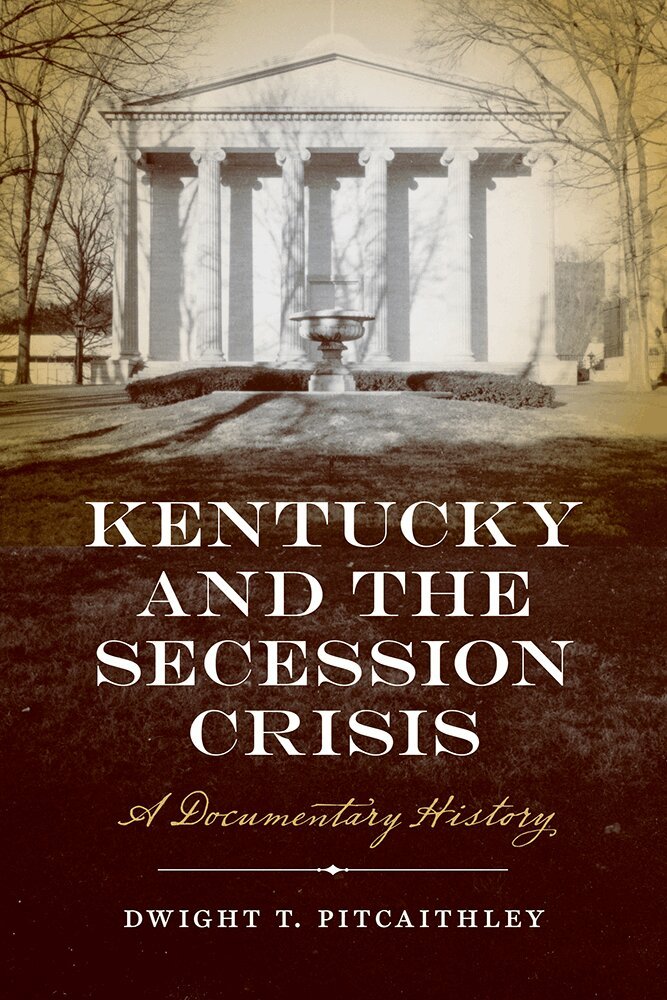
As the election of 1860 loomed, the United States suffered tumultuous division over the political fate of slavery in the western territories. While Northern states favored territorial sovereignty, the Deep South advocated for federal protection of slavery during the territorial period. Disagreement festered and gave way to civil war—but for some states literally caught in the middle, choosing a side was not so easy.A slave state itself but bordering three non-slave-state neighbors across the Ohio River, Kentucky was in a difficult position as division swept the country. Aware that secession would nullify the Fugitive Slave Act and believing that slavery as a statewide institution would be better protected if Kentucky remained in the Union, the Bluegrass State ultimately stepped away from its Deep South sister states and chose not to secede. Kentucky and the Secession Crisis: A Documentary History showcases the discourse that followed the 1860 election and sheds light on Kentucky’s political thought processes as the state struggled toward a decision.This important collection includes addresses by Governor Beriah Magoffin; Senator John J. Crittenden’s December 1860 address proposing a Constitutional solution to secession; speeches by various proponents and opponents of the Crittenden amendment; various Constitutional amendments proposed by Kentuckians; and documents related to the second session of the Thirty-Sixth Congress, the Washington Peace Conference of 1861, and the Border Slave State Conference. With a lengthy introduction and questions for discussion, Kentucky and the Secession Crisis is an insightful and valuable resource for historians as well as for the classroom.
544 kr
Skickas inom 10-15 vardagar
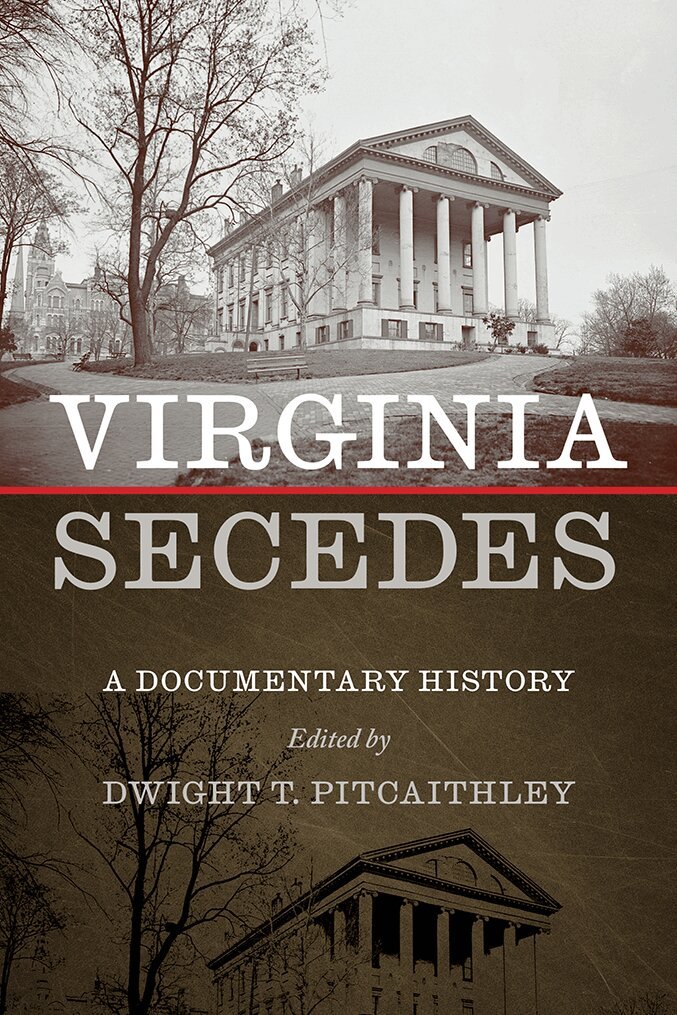
In January 1861, Virginia possessed the largest population of enslaved people within the United States. The institution of slavery permeated the state’s social, political, economic, and legal systems. While loyalty to the Union was strong in western Virginia as Civil War loomed, the state’s elected officials painted Abraham Lincoln and Republicans as abolitionists and reaffirmed Virginia’s commitment to slavery and white supremacy.In this annotated volume of primary source documents from Secession Winter, Dwight T. Pitcaithley presents speeches by Virginians from the United States Congress, the Washington Peace Conference which had been called by Virginia’s general assembly, and the state’s secession convention to provide readers a glimpse into Virginia’s ultimate decision to secede from the Union. In his introductory analysis of the trial confronting Virginia’s leadership, Pitcaithley demonstrates that most elected officials wanted Virginia to remain in the Union—but only if Republicans agreed to protect slavery and guarantee its future. While secessionists rightly predicted that the incoming Lincoln administration would refuse to agree to these concessions, Unionists claimed that disunion would ultimately undermine slavery and lead to abolition regardless.Virginia deliberated longer and proposed more constitutional solutions to avoid secession than any other state. Only after the Confederate bombardment of Fort Sumter and President Lincoln’s request for troops to suppress the “insurrection” did Virginia turn from saving the Union to leaving it.Throughout Pitcaithley’s collection, one theme remains clear: that slavery and race—not issues over tariffs—were driving Virginia’s debates over secession. Complete with a Secession Winter timeline, extensive bibliography, and questions for discussion, Virginia Secedes: A Documentary History is an invaluable resource for historians and students alike.
544 kr
Skickas inom 10-15 vardagar
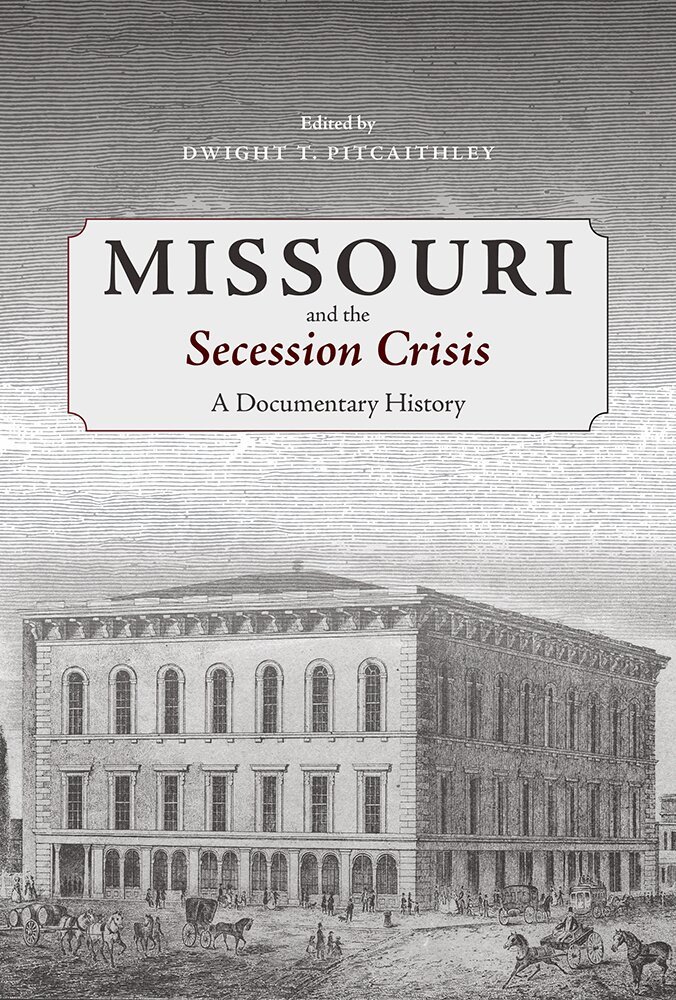
When Claiborne Fox Jackson took the oath of office as Missouri's governor on January 3, 1861, only South Carolina had seceded from the Union. But in the weeks that followed, and as the Civil War loomed, more Southern states joined the Confederacy. Governor Jackson, who supported secession, called for a state convention to determine whether Missouri should follow suit. He found himself in a distinct minority, however, surrounded largely by Unionist delegates.In Missouri and the Secession Crisis, Dwight T. Pitcaithley presents a collection of primary source documents that outline the history of the secession crisis in Missouri from the perspective of the state's leading political figures. Arranged in chronological order, the volume includes addresses by outgoing and incoming governors, speeches by Missouri's United States senators and representatives, and documents from the Missouri State Convention. Pitcaithley's well-crafted introduction offers a comprehensive overview of the Show Me State's political history, and his extensive annotations throughout the book provide context on key figures and events.A detailed timeline of events, a helpful roster of State Convention delegates, and an appendix of questions for discussion make Pitcaithley's Missouri and the Secession Crisis an ideal companion for scholars of Civil War history, the secession crisis, and the history of slavery in America.