E. Beinat - Böcker
Visar alla böcker från författaren E. Beinat. Handla med fri frakt och snabb leverans.
4 produkter
4 produkter
1 067 kr
Skickas inom 10-15 vardagar
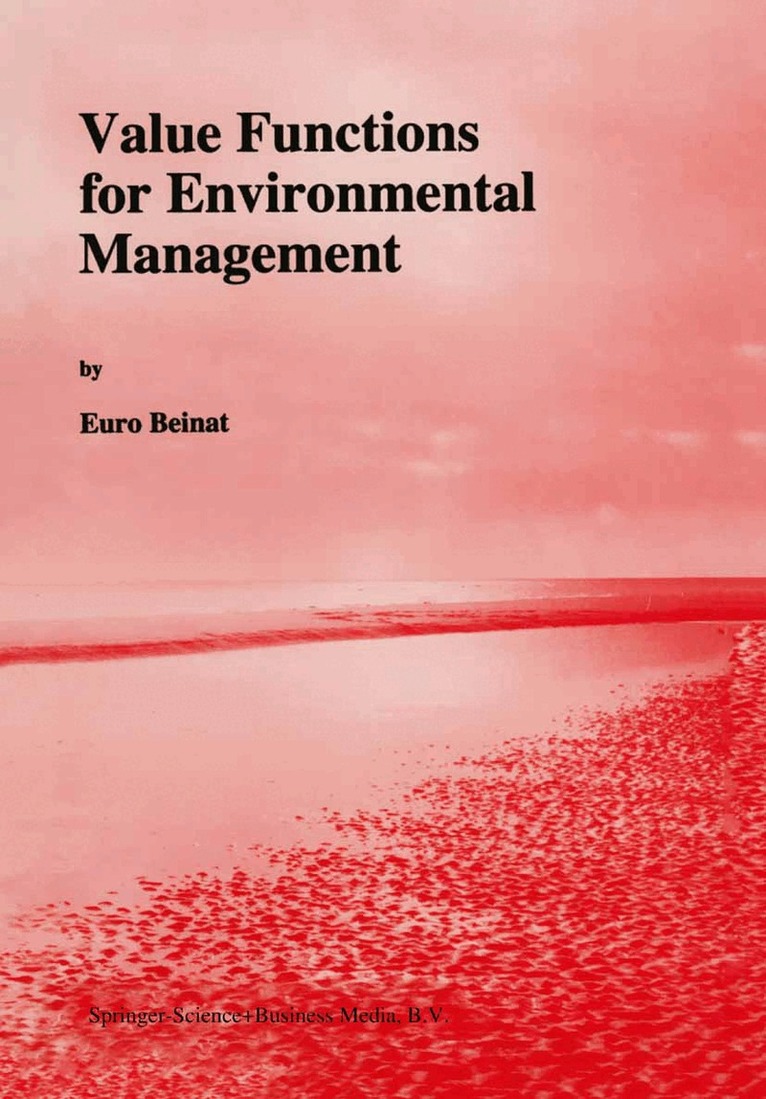
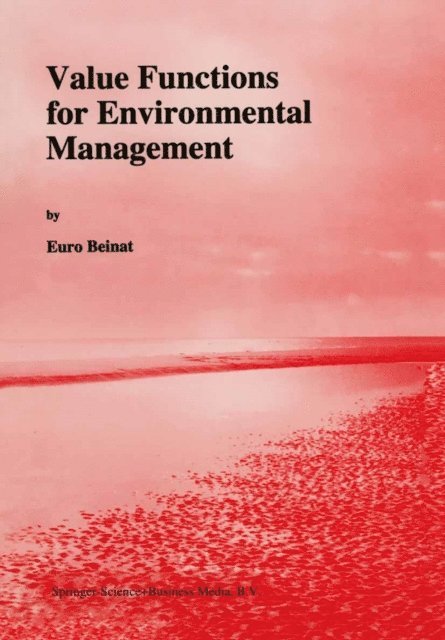
Environmental decisions must satisfy a multitude of objectives and the matching of a plan, policy or project to such objectives is a matter of both facts and value judgements. This text provides a systematic approach to the structuring and measurement of value judgements, showing how they drive the decision process and how to make them transparent and effective in support of complex decisions. The value functions that the book describes provide a scheme for the exploration of human values and a tool for transforming them into an analytical model. A clear statement can then be made of the degree to which a decision has achieved its objectives, and how conflicting objectives may be addressed. This does not mean that there is no role for human judgement in the process. Complexity, often coupled with large information gaps, necessitates expert judgement, but the values adopted by the experts are themselves capable of being structured and measured according to the value function methodology presented here, even if the judgements themselves are qualitative and tentative. Value models for expert panels are also presented.The use of the methodology in practice is illustrated by a number of examples.
2 107 kr
Skickas inom 10-15 vardagar
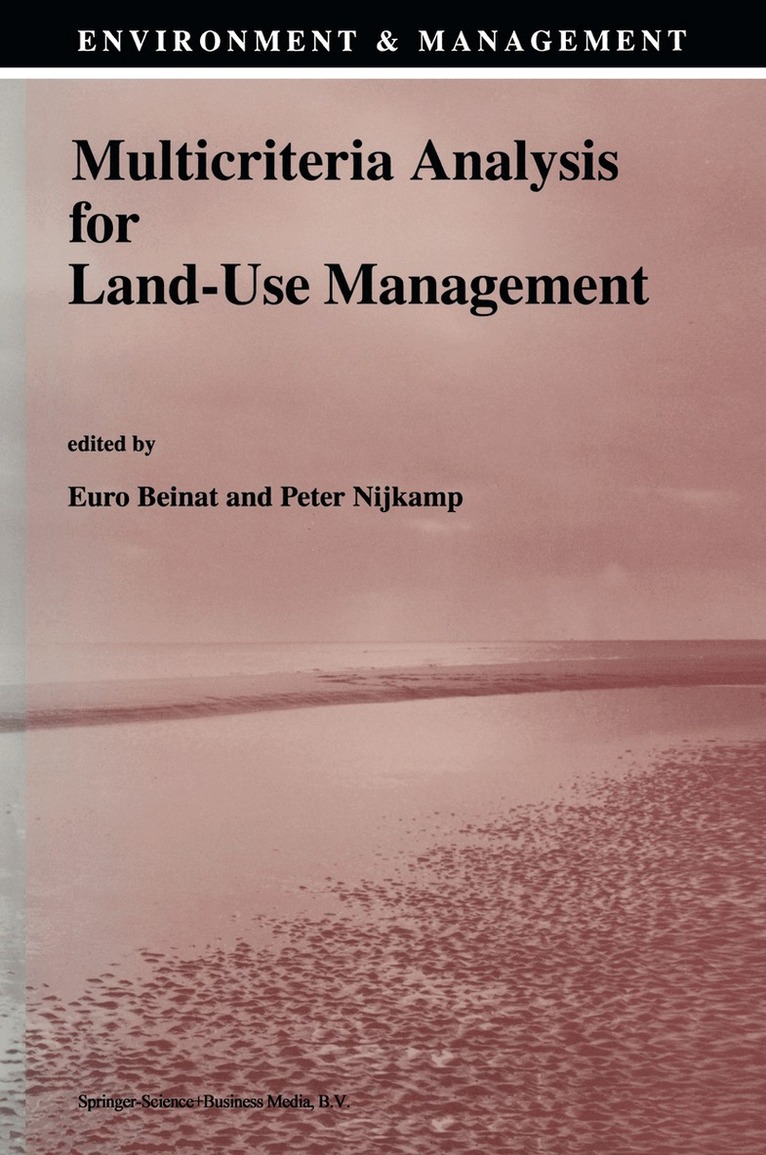
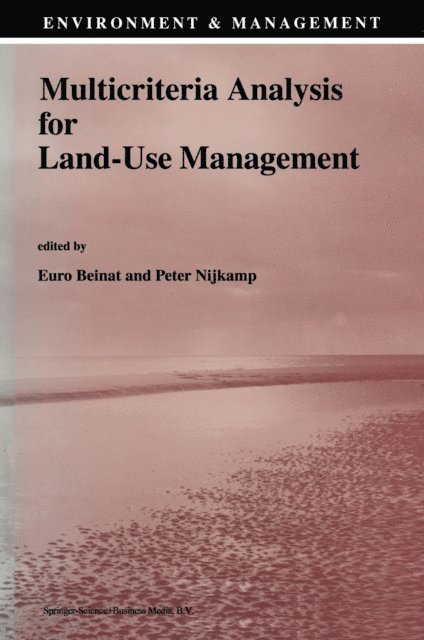
The proper planning, design and management of land use demands a careful balancing of many goals, and the search for desirable land uses, coupled with effective and sustainable management practices, is made more complex by the interactions between the environment, the economy and society. One of the main reasons underlying the growing interest in multicriteria analysis for land use management is the need for an integrated approach to such complex problems. Multicriteria analysis can support the structuring of land use problems, allowing the concerns of major actors to be explored, giving trade-offs between conflicting goals, and leading to the evaluation of options from different perspectives. The integration of spatial concepts into multicriteria schemes means that this type of methodology can now make a substantial contribution to land-use management. The 19 contributions to this text illustrate the state-of-the-art in the field, highlighting current theoretical, methodological and practical issues. The book should be of use to a broad readership of scientists, land-use managers and decision makers.
1 073 kr
Skickas inom 10-15 vardagar
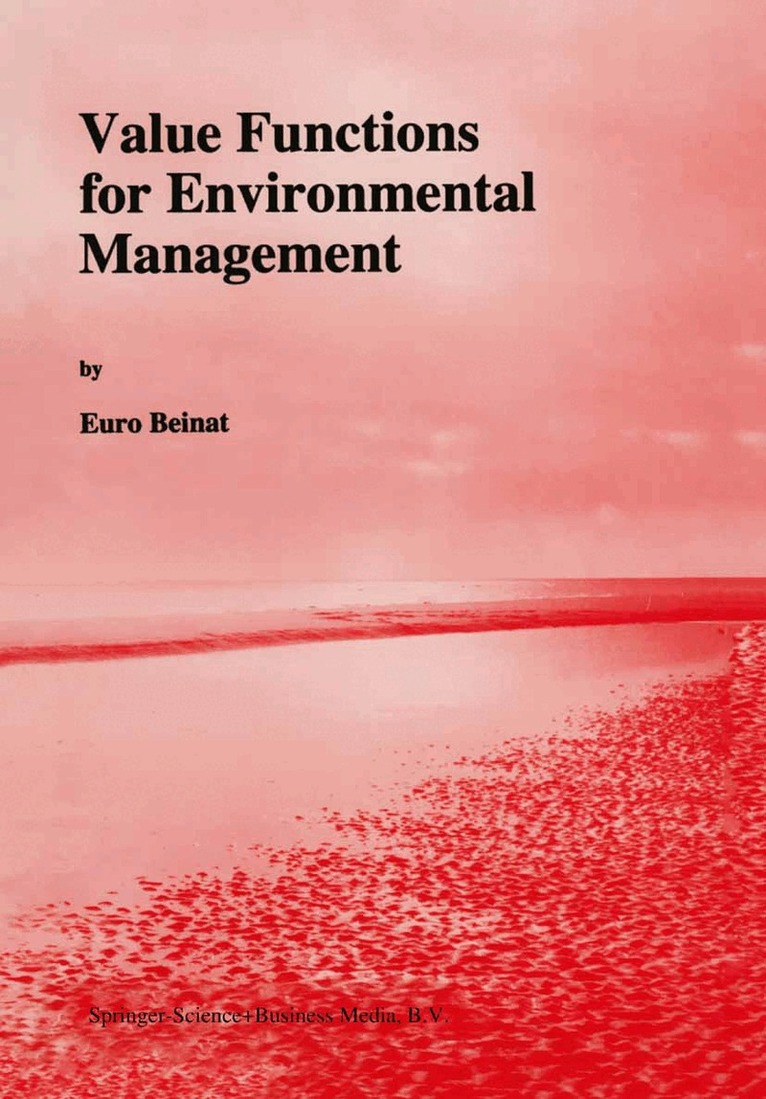
Environmental decisions must satisfy a multitude of objectives and the matching of a plan, policy or project to such objectives is a matter of both facts and value judgements. Value Functions for Environmental Management provides a systematic approach to the structuring and measurement of value judgements, showing how they drive the decision process and how to make them transparent and effective in support of complex decisions. The value functions that the book describes provide a scheme for the exploration of human values and a tool for transforming them into an analytical model. A clear statement can then be made of the degree to which a decision has achieved its objectives, and how conflicting objectives may be addressed. This does not mean that there is no role for human judgement in the process. Complexity, often coupled with large information gaps, necessitates expert judgement, but the values adopted by the experts are themselves capable of being structured and measured according to the value function methodology presented here, even if the judgements themselves are qualitative and tentative. Value models for expert panels are also presented.The use of the methodology in practice is illustrated by examples. The book contains an extensive subject index.
2 118 kr
Skickas inom 10-15 vardagar
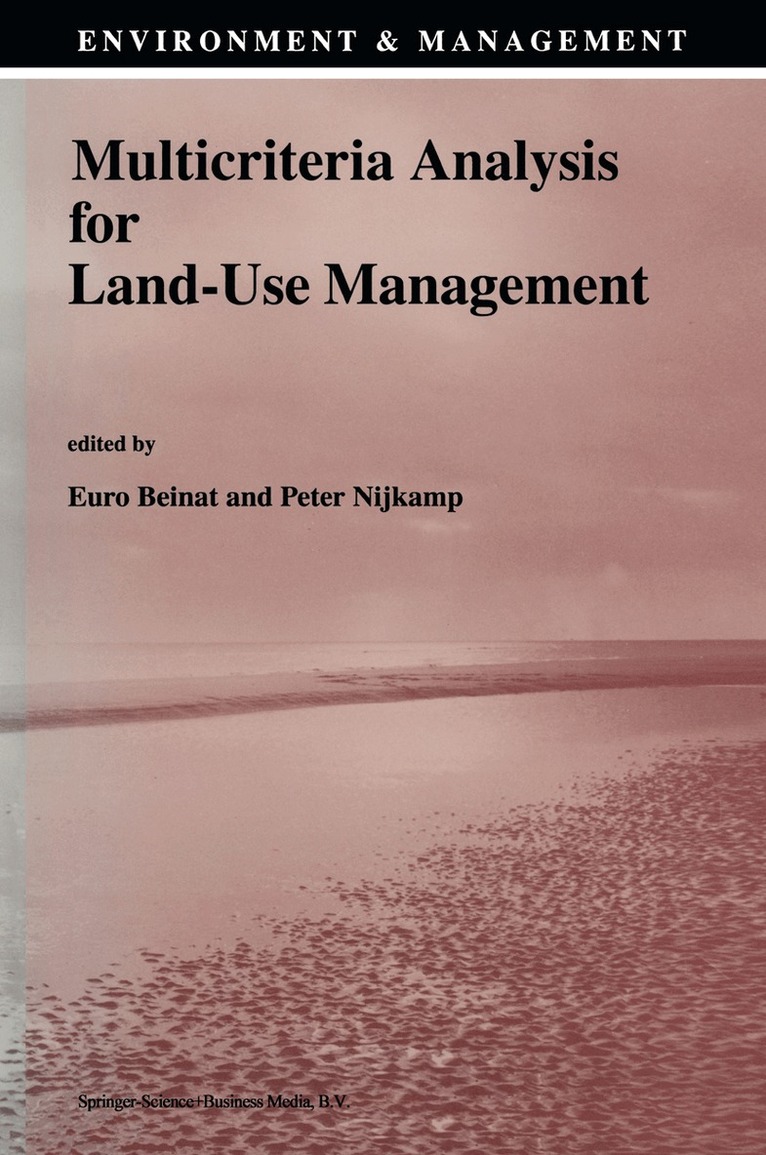
The proper planning, design and management of land use demands a careful balancing of many goals, and the search for desirable land uses, coupled with effective and sustainable management practices, is made more complex by the interactions between the environment, the economy and society. One of the main reasons underlying the growing interest in multicriteria analysis for land use management is the need for an integrated approach to such complex problems. Multicriteria analysis can support the structuring of land use problems, allowing the concerns of major actors to be explored, giving trade-offs between conflicting goals, and leading to the evaluation of options from different perspectives. The integration of spatial concepts into multicriteria schemes means that this type of methodology can now make a substantial contribution to land-use management. The 19 contributions to Multicriteria Analysis for Land-Use Management illustrate the state of the art in the field, highlighting current theoretical, methodological and practical issues. Recommended for a broad readership of scientists, land-use managers and decision makers.