E Gwynn Matthews – författare
Visar alla böcker från författaren E Gwynn Matthews. Handla med fri frakt och snabb leverans.
3 produkter
3 produkter
246 kr
Tillfälligt slut
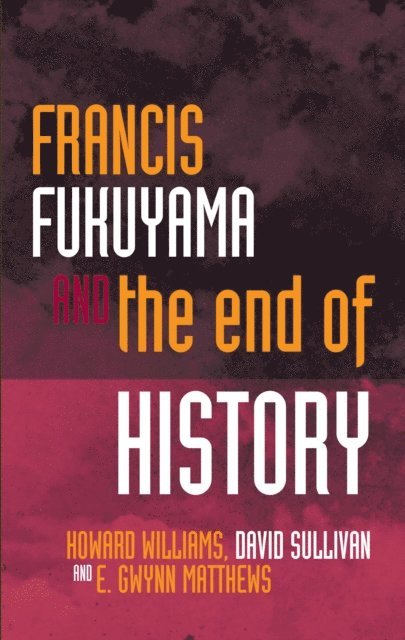
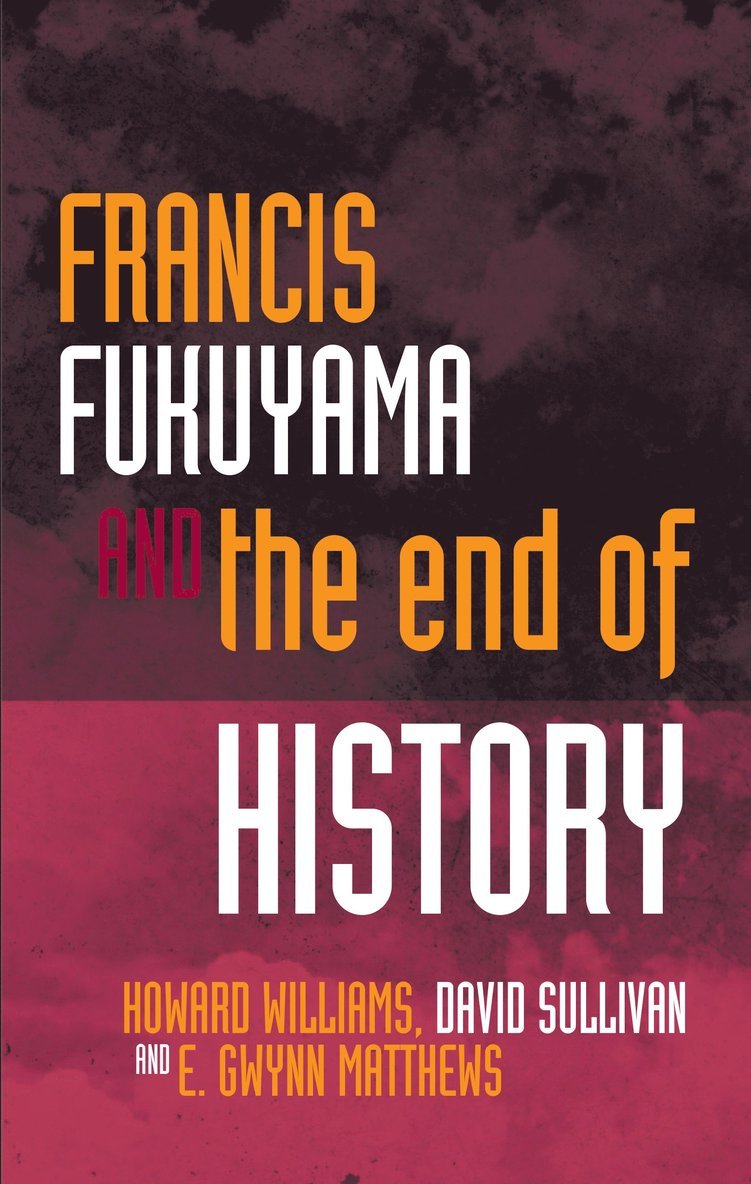
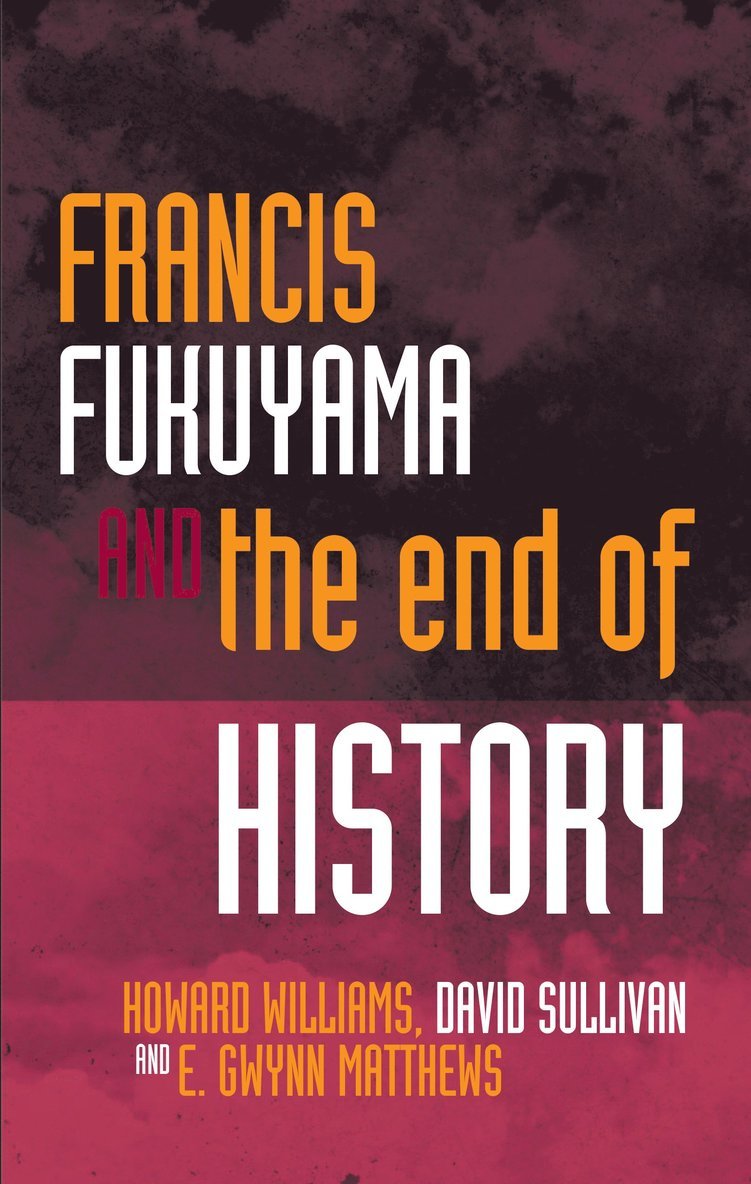
In the early 1990's the American academic, political commentator and government advisor, Francis Fukuyama, leapt to prominence with his argument that society had entered a new and lasting phase. He claimed that the change was so dramatic that it might be accurately depicted as representing the end of history. Fukuyama derived his argument from the writings of Kant, Hegel and a critical reading of Marx. This new phase represented the worldwide triumph of liberal democracy with the collapse of Communism. History has ended in the sense that there is no more room for large idealogical battles. This first book, is an in-depth discussion of Fukuyama's influential argument, it is both lucid and thorough. In addition it relates Fukuyama's theory of history to Karl Popper's criticism of historicism and attempts to denote the connection between Fukuyama's account of history, and that of the Christian religion.The book concludes by assessing the impact of Fukuyama's work upon the philosophy of history and its importance in evaluating the recent course of international relations and US foreign policy.
148 kr
Tillfälligt slut
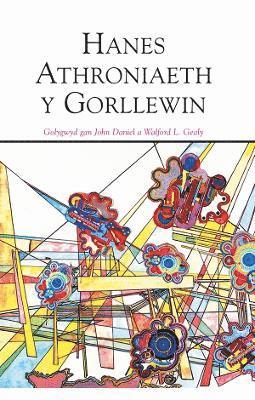
The first volume ever in the Welsh language to concentrate solely on the history of Western philosophy. It discusses the ideas of great philosophers, from Thales in the sixth century Before Christ, to Karl Popper, who died in 1994.
443 kr
Skickas inom 11-20 vardagar
Fukuyama’s concept of the End of History has been one of the most widely debated theories of international politics since the end of the Cold War. This book discusses Fukuyama’s claim that liberal democracy alone is able to satisfy the human aspiration for freedom and dignity, and explores the way in which his thinking is part of a philosophical tradition which includes Kant, Hegel and Marx. Two new chapters in this second edition discuss the ways in which Fukuyama’s thinking has developed – they include his celebrated and controversial criticism of neoconservatism and his complex intellectual relationship to Samuel Huntington, whose Clash of Civilization thesis he rejects but whose notion of political decay is central to his more recent work. The authors here argue that Fukuyama’s continuing fundamental contributions to debates concerning the spread of democracy and threat of global terror mark him out as one of the most important thinkers of the twenty-first century.