E. Jay Howenstine - Böcker
Visar alla böcker från författaren E. Jay Howenstine. Handla med fri frakt och snabb leverans.
4 produkter
4 produkter
722 kr
Skickas inom 10-15 vardagar
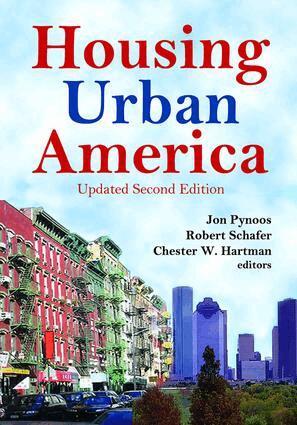
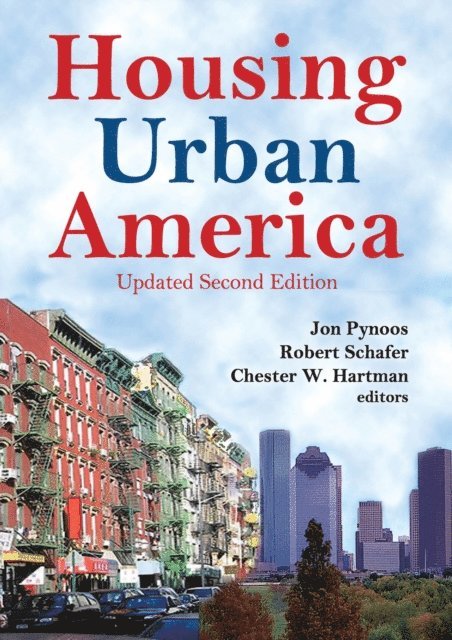
Life, liberty, and the pursuit of housing: an increasingly difficult quest in the contemporary urban United States, where crime, urban blight, and continuing capital decay undercut the advantages of city living. The American dream has moved to the suburbs; the nightmare of our cities prompts new recognition both in the president's cabinet and the college curriculum.The editors of this book have updated their acclaimed earlier collection, providing new introductory articles; new papers, such as, Discrimination in Housing Prices and Mortgage Lending, ASummary Report of Current Findings from the Experimental Housing Allowance Program, Alternative Mortgage Designs and Their Effectiveness in Eliminating Demand and Supply Effects on Inflation; and a new bibliography of the literature.Additional chapters focus on differing strategies for improved urban housing and renewal by providing concrete suggestions for distributing existing resources and allocating new funding. The bibliography provides the best single guide to the current literature on housing. Housing Urban America, in this new edition, is an important guide to those students and scholars fascinated by the essential questions of adequate housing: its social costs, and the source of the revenues to provide it.
668 kr
Skickas inom 10-15 vardagar
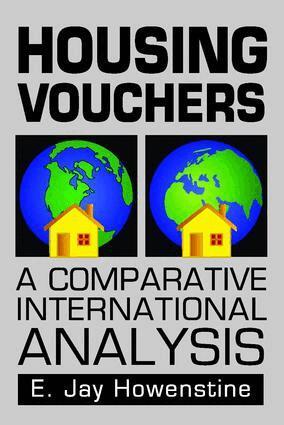
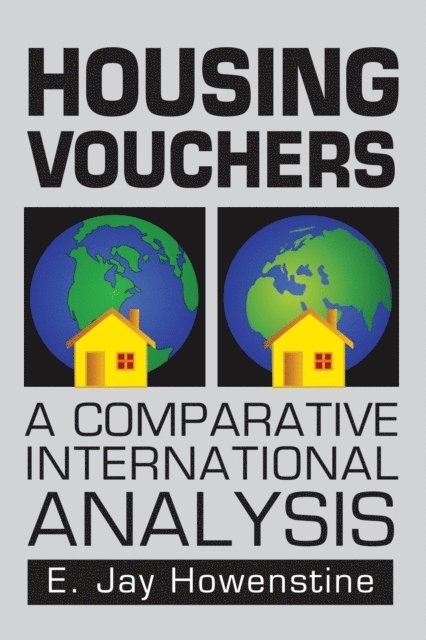
Outside the United States, the idea of a consumer housing subsidy is a highly developed concept. Housing allowances, shelter allowances, rent allowances - or rent rebates as they are called - have been paid out on a larger scale for longer periods of time on an entitlement basis, with a much greater variety of rationales than in the United States. As the United States moves ahead with its demonstration program, it is timely to examine and evaluate foreign experiences with the consumer housing approach.E. Jay Howenstine addresses common questions that have puzzled many policymakers: How do consumer housing subsidies work? For tenants? Homeowners? Builders? And government officials? Gathered here is the definitive experience of the countries that have employed them. From Australia to the United Kingdom, here is the reality gleaned from a dozen countries and brought to bear on the United States. Both the virtues and the limitations of the approach are presented in detail for everyone interested in housing.This study is divided into three major parts. First, Howenstine reviews the historical background and analyzes housing allowance strategies that foreign governments have adopted. A second part examines in detail the major principles and elements with which governments have fashioned their systems. The third part examines the impact of housing allowance systems and weighs them in the light of the original objectives. Conclusions are also drawn about foreign experiences: Should financial assistance to low-income families be in the form of consumer housing subsidies or producer housing subsidies, or some synthesis of the two systems? Should the housing allowance be maintained as a separate housing policy, or should it be integrated into a general income maintenance policy? This book addresses an increasingly prominent portion of the housing market.
2 100 kr
Skickas inom 10-15 vardagar
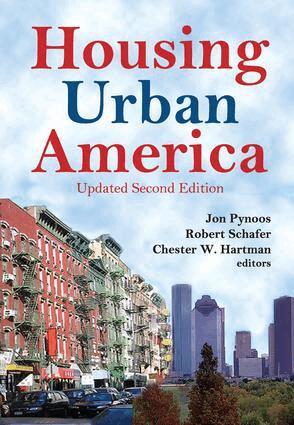
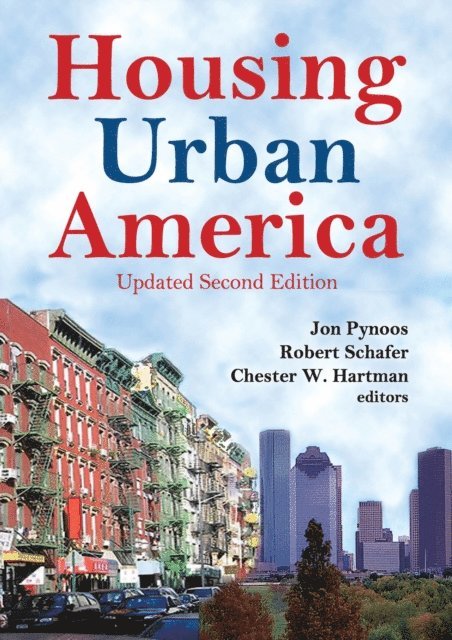
Life, liberty, and the pursuit of housing: an increasingly difficult quest in the contemporary urban United States, where crime, urban blight, and continuing capital decay undercut the advantages of city living. The American dream has moved to the suburbs; the nightmare of our cities prompts new recognition both in the president's cabinet and the college curriculum.The editors of this book have updated their acclaimed earlier collection, providing new introductory articles; new papers, such as, Discrimination in Housing Prices and Mortgage Lending, ASummary Report of Current Findings from the Experimental Housing Allowance Program, Alternative Mortgage Designs and Their Effectiveness in Eliminating Demand and Supply Effects on Inflation; and a new bibliography of the literature.Additional chapters focus on differing strategies for improved urban housing and renewal by providing concrete suggestions for distributing existing resources and allocating new funding. The bibliography provides the best single guide to the current literature on housing. Housing Urban America, in this new edition, is an important guide to those students and scholars fascinated by the essential questions of adequate housing: its social costs, and the source of the revenues to provide it.
2 100 kr
Skickas inom 10-15 vardagar
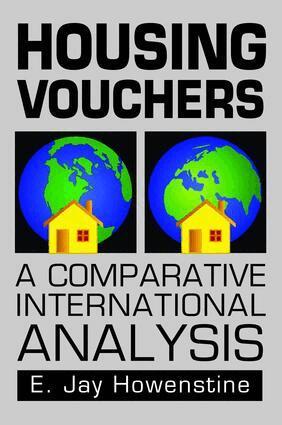
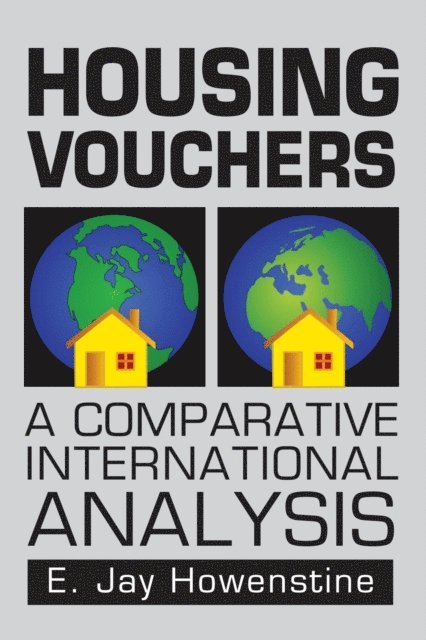
Outside the United States, the idea of a consumer housing subsidy is a highly developed concept. Housing allowances, shelter allowances, rent allowances - or rent rebates as they are called - have been paid out on a larger scale for longer periods of time on an entitlement basis, with a much greater variety of rationales than in the United States. As the United States moves ahead with its demonstration program, it is timely to examine and evaluate foreign experiences with the consumer housing approach.E. Jay Howenstine addresses common questions that have puzzled many policymakers: How do consumer housing subsidies work? For tenants? Homeowners? Builders? And government officials? Gathered here is the definitive experience of the countries that have employed them. From Australia to the United Kingdom, here is the reality gleaned from a dozen countries and brought to bear on the United States. Both the virtues and the limitations of the approach are presented in detail for everyone interested in housing.This study is divided into three major parts. First, Howenstine reviews the historical background and analyzes housing allowance strategies that foreign governments have adopted. A second part examines in detail the major principles and elements with which governments have fashioned their systems. The third part examines the impact of housing allowance systems and weighs them in the light of the original objectives. Conclusions are also drawn about foreign experiences: Should financial assistance to low-income families be in the form of consumer housing subsidies or producer housing subsidies, or some synthesis of the two systems? Should the housing allowance be maintained as a separate housing policy, or should it be integrated into a general income maintenance policy? This book addresses an increasingly prominent portion of the housing market.