Edith Kurzweil – författare
Visar alla böcker från författaren Edith Kurzweil. Handla med fri frakt och snabb leverans.
26 produkter
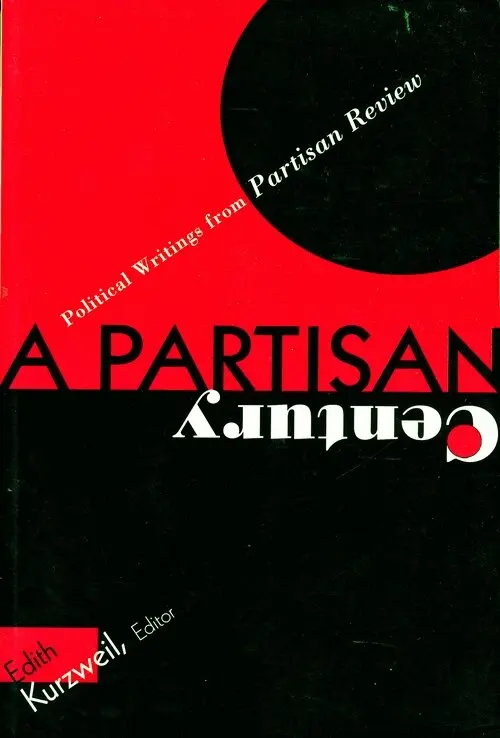
A Partisan Century
Political Writings from Partisan Review
Inbunden, 1996
2561 kr
Lägg i varukorg
For more than sixty years, Partisan Review has been the most influential literary and cultural journal in America, home to some of this century's finest writers. A Partisan Century now collects the journal's greatest political essays from the 1930s to the present.The list of writers collected here …
Freudians And Feminists
Inbunden, 2019
2506 kr
Lägg i varukorg
Twenty years ago, few observers would have foreseen that some feminists would once again turn to Freud. But in recent years, the adoption by American feminists of French concepts–especially the ideas of Lacan–has led to new approaches in feminist theory and psychology. This book traces the …
Freudians And Feminists
Häftad, 2020
692 kr
Lägg i varukorg
This book traces the intellectual history of the interaction between feminists and Freudian thought, charting the essence of psychoanalytic theories through the years to show specific notions were adapted, readapted, and discarded by successive generations of feminists.
Cultural Analysis
The Work of Peter L. Berger, Mary Douglas, Michel Foucault, and Jürgen Habermas
Av Robert Wuthnow, James Davison Hunter m. fl.
Häftad, 2012
897 kr
Lägg i varukorg
First published in 1984, Cultural Analysis is a systematic examination of the theories of culture contained in the writings of four contemporary social theorists: Peter L. Berger, Mary Douglas, Michel Foucault, and Jürgen Habermas.This study of their work clarifies their contributions to the …
Cultural Analysis
The Work of Peter L. Berger, Mary Douglas, Michel Foucault, and Jürgen Habermas
Av Robert Wuthnow, James Davison Hunter m. fl.
Inbunden, 2009
2515 kr
Lägg i varukorg
First published in 1984, Cultural Analysis is a systematic examination of the theories of culture contained in the writings of four contemporary social theorists: Peter L. Berger, Mary Douglas, Michel Foucault, and Jürgen Habermas.This study of their work clarifies their contributions to the …
Freudians and Feminists
E-bok, 2019
814 kr
Lägg i varukorg
This book traces the intellectual history of the interaction between feminists and Freudian thought, charting the essence of psychoanalytic theories through the years to show specific notions were adapted, readapted, and discarded by successive generations of feminists.
Freudians and Feminists
E-bok, 2019
796 kr
Lägg i varukorg
This book traces the intellectual history of the interaction between feminists and Freudian thought, charting the essence of psychoanalytic theories through the years to show specific notions were adapted, readapted, and discarded by successive generations of feminists.
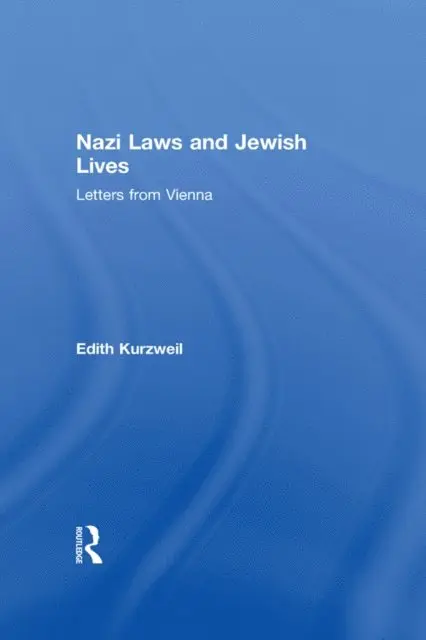
Nazi Laws and Jewish Lives
Letters from Vienna
Inbunden, 2004
2590 kr
Lägg i varukorg
Although the period leading up to the Nazi genocide of Europe's Jews has been well recorded, few sources convey the incremental effect of specific decrees aimed to dehumanize the Jews who were caught in Hitler's net, and how their everyday lives were transformed. These letters, written by Malvina …
Writers and Politics
A Partisan Review Reader
Av William Philips, Edith Kurzweil
E-bok, 2026
1175 kr
Lägg i varukorg
First published in 1983, Writers and Politics: A Partisan Review Reader , edited by Edith Kurzweil and William Phillips, captures the intersection of literature and politics as explored in Partisan Review since the late 1930s. This anthology reflects the journal’s commitment to non-doctrinaire, …
Writers and Politics
A Partisan Review Reader
Av William Philips, Edith Kurzweil
E-bok, 2026
1150 kr
Lägg i varukorg
First published in 1983, Writers and Politics: A Partisan Review Reader , edited by Edith Kurzweil and William Phillips, captures the intersection of literature and politics as explored in Partisan Review since the late 1930s. This anthology reflects the journal’s commitment to non-doctrinaire, …
Writers and Politics
A Partisan Review Reader
Av Edith Kurzweil, William Philips
Inbunden, 2026
2104 kr
Lägg i varukorg
First published in 1983, Writers and Politics: A Partisan Review Reader, edited by Edith Kurzweil and William Phillips, captures the intersection of literature and politics as explored in Partisan Review since the late 1930s. This anthology reflects the journal’s commitment to non-doctrinaire, …
Cultural Analysis
The Work of Peter L. Berger, Mary Douglas, Michel Foucault, and Jürgen Habermas
Av Edith Kurzweil, Albert J. Bergesen m. fl.
E-bok, 2013
1026 kr
Lägg i varukorg
First published in 1984, Cultural Analysis is a systematic examination of the theories of culture contained in the writings of four contemporary social theorists: Peter L. Berger, Mary Douglas, Michel Foucault, and Jürgen Habermas. This study of their work clarifies their contributions to the …
Cultural Analysis
The Work of Peter L. Berger, Mary Douglas, Michel Foucault, and Jürgen Habermas
Av Edith Kurzweil, Albert J. Bergesen m. fl.
E-bok, 2013
1056 kr
Lägg i varukorg
First published in 1984, Cultural Analysis is a systematic examination of the theories of culture contained in the writings of four contemporary social theorists: Peter L. Berger, Mary Douglas, Michel Foucault, and Jürgen Habermas. This study of their work clarifies their contributions to the …
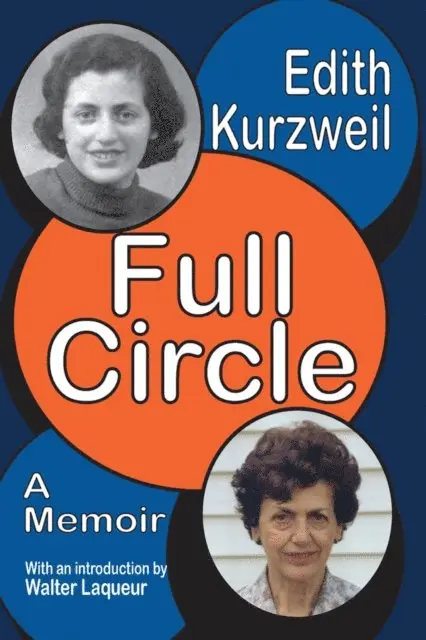
Full Circle
A Memoir
Häftad, 2017
410 kr
Lägg i varukorg
This is a personal history of the twentieth century as seen through the eyes of Edith Kurzweil, author, teacher, editor of Partisan Review, and a recent recipient of the National Medal of Humanities. The book opens with Kurzweil early adolescence in Vienna during the Nazi takeover. It ends with the …
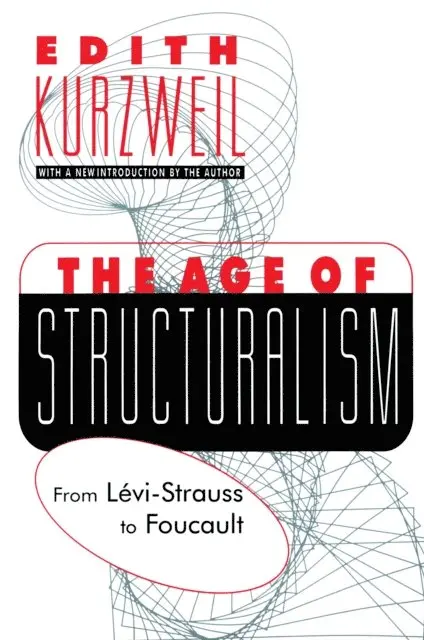
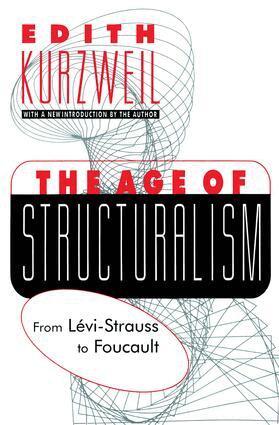
Age of Structuralism
From Levi-Strauss to Foucault
Av Edith Kurzweil, Edith Kurzweil
Inbunden, 2018
2515 kr
Lägg i varukorg
Structuralism began in linguistics and was enlarged by Claude Levi-Strauss into a new way of thinking that views our world as consisting of relationships between structures we create rather than of objective realities. The Age of Structuralism examines the work of seven writers who either expanded …
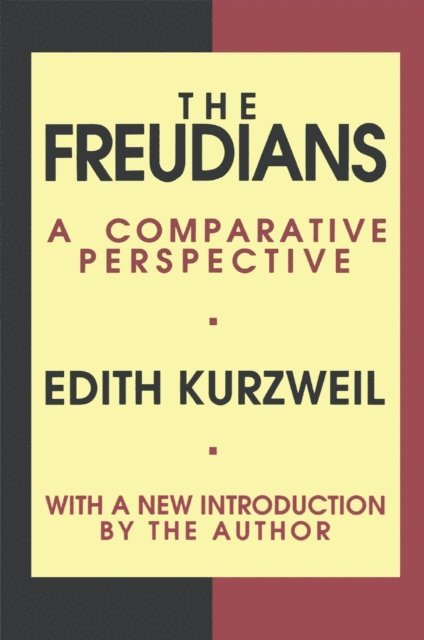
Freudians
A Comparative Perspective
Inbunden, 2018
2445 kr
Lägg i varukorg
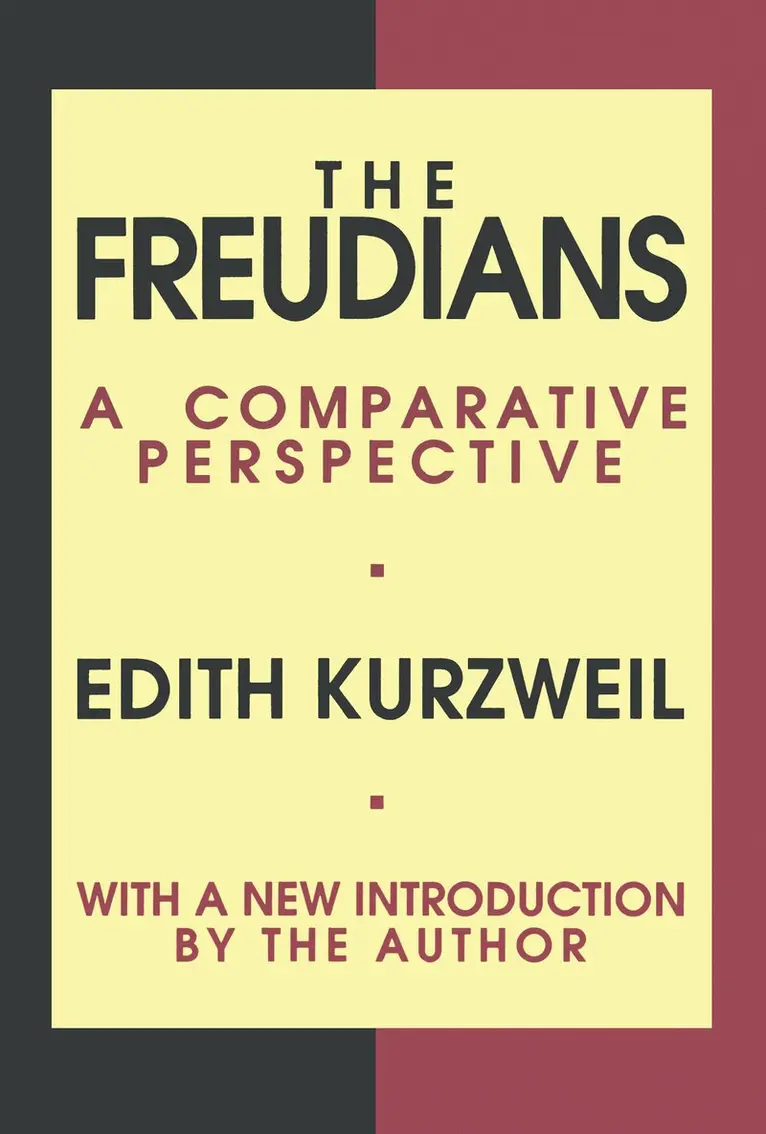
Every country unconsciously creates the psychoanalysis it needs, says Edith Kurzweil. Freudians everywhere, even the most orthodox, are influenced by national traditions, interests, beliefs, and institutions. In this original and stimulating book, Kurzweil traces the ways in which psychoanalysis …
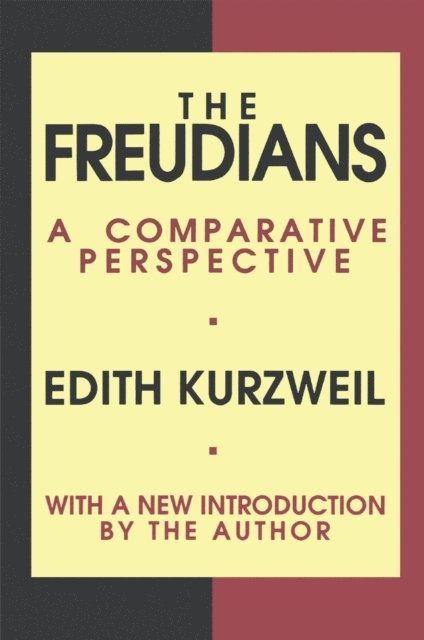
Freudians
A Comparative Perspective
E-bok, 2018
858 kr
Lägg i varukorg
Every country unconsciously creates the psychoanalysis it needs, says Edith Kurzweil. Freudians everywhere, even the most orthodox, are influenced by national traditions, interests, beliefs, and institutions. In this original and stimulating book, Kurzweil traces the ways in which psychoanalysis …
Freudians
A Comparative Perspective
E-bok, 2018
831 kr
Lägg i varukorg
Every country unconsciously creates the psychoanalysis it needs, says Edith Kurzweil. Freudians everywhere, even the most orthodox, are influenced by national traditions, interests, beliefs, and institutions. In this original and stimulating book, Kurzweil traces the ways in which psychoanalysis …
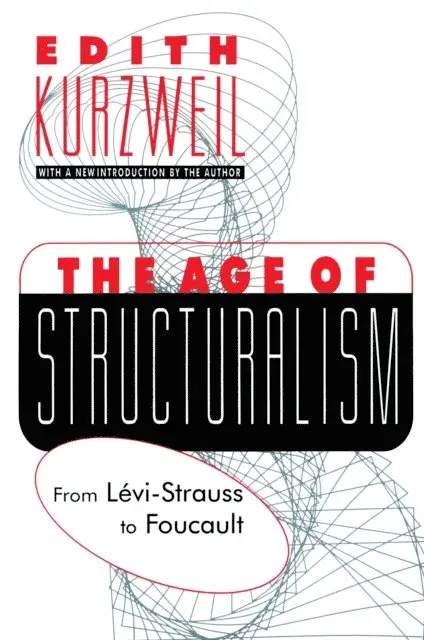
Age of Structuralism
From Levi-Strauss to Foucault
E-bok, 2017
906 kr
Lägg i varukorg
Structuralism began in linguistics and was enlarged by Claude Levi-Strauss into a new way of thinking that views our world as consisting of relationships between structures we create rather than of objective realities. The Age of Structuralism examines the work of seven writers who either expanded …
Age of Structuralism
From Levi-Strauss to Foucault
E-bok, 2017
935 kr
Lägg i varukorg
Structuralism began in linguistics and was enlarged by Claude Levi-Strauss into a new way of thinking that views our world as consisting of relationships between structures we create rather than of objective realities. The Age of Structuralism examines the work of seven writers who either expanded …
Nazi Laws and Jewish Lives
Letters from Vienna
E-bok, 2017
927 kr
Lägg i varukorg
Although the period leading up to the Nazi genocide of Europe''s Jews has been well recorded, few sources convey the incremental effect of specific decrees aimed to dehumanize the Jews who were caught in Hitler''s net, and how their everyday lives were transformed. These letters, written by Malvina …
Full Circle
A Memoir
E-bok, 2017
468 kr
Lägg i varukorg
This is a personal history of the twentieth century as seen through the eyes of Edith Kurzweil, author, teacher, editor of Partisan Review, and a recent recipient of the National Medal of Humanities. The book opens with Kurzweil early adolescence in Vienna during the Nazi takeover. It ends with the …
Full Circle
A Memoir
Inbunden, 2007
812 kr
Lägg i varukorg
This is a personal history of the twentieth century as seen through the eyes of Edith Kurzweil, author, teacher, editor of Partisan Review, and a recent recipient of the National Medal of Humanities. The book opens with Kurzweil early adolescence in Vienna during the Nazi takeover. It ends with the …
Nazi Laws and Jewish Lives
Letters from Vienna
Häftad, 2014
788 kr
Lägg i varukorg
Although the period leading up to the Nazi genocide of Europe's Jews has been well recorded, few sources convey the incremental effect of specific decrees aimed to dehumanize Jews caught in Hitler's net. To illustrate how these decrees transformed their everyday lives, Edith Kurzweil has translated …
Age of Structuralism
From Levi-Strauss to Foucault
Av Edith Kurzweil, Edith Kurzweil
Häftad, 1996
818 kr
Lägg i varukorg
Structuralism began in linguistics and was enlarged by Claude Levi-Strauss into a new way of thinking that views our world as consisting of relationships between structures we create rather than of objective realities. The Age of Structuralism examines the work of seven writers who either expanded …
Freudians
A Comparative Perspective
Häftad, 1997
730 kr
Lägg i varukorg
Every country unconsciously creates the psychoanalysis it needs, says Edith Kurzweil. Freudians everywhere, even the most orthodox, are influenced by national traditions, interests, beliefs, and institutions. In this original and stimulating book, Kurzweil traces the ways in which psychoanalysis …