
Edward Burke – författare
Visar alla böcker från författaren Edward Burke. Handla med fri frakt och snabb leverans.
6 produkter
6 produkter
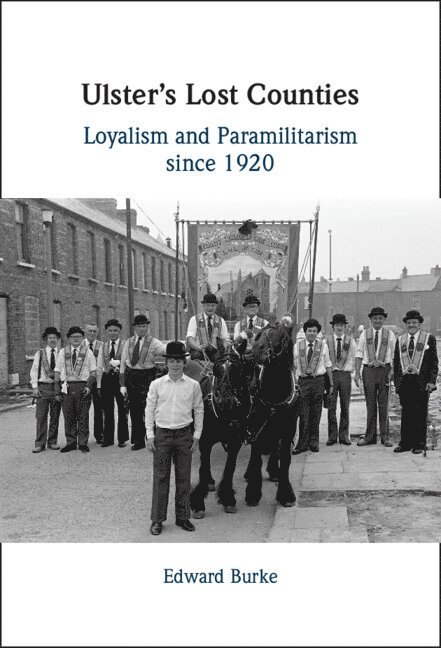
Inbunden, Engelska, 2024
1 423 kr
Skickas inom 7-10 vardagar
In 1920, the three Ulster counties of Cavan, Donegal and Monaghan were excluded from Northern Ireland. What happens to an abandoned people? And what is the impact on subsequent generations? At a time of uncertainty over the future of Northern Ireland, the history of Ulster loyalists who found themselves on the 'wrong side' of the Irish border is especially relevant. Memories of the violence and betrayal experienced by one generation of protestants in the three counties entrenched an intergenerational Ulster loyalist identity. Subsequently, three-county loyalists who moved across the border played an important role in militant politics. Examining armed resistance in these counties and the radicals who came from them, Edward Burke argues that violence or terrorism perpetrated by 'lost Ulster' loyalists enjoyed considerable success. Spanning the Anglo-Irish War to the Troubles and beyond, Ulster's Lost Counties demonstrates the grip of identity and betrayal since the partition of Ireland.
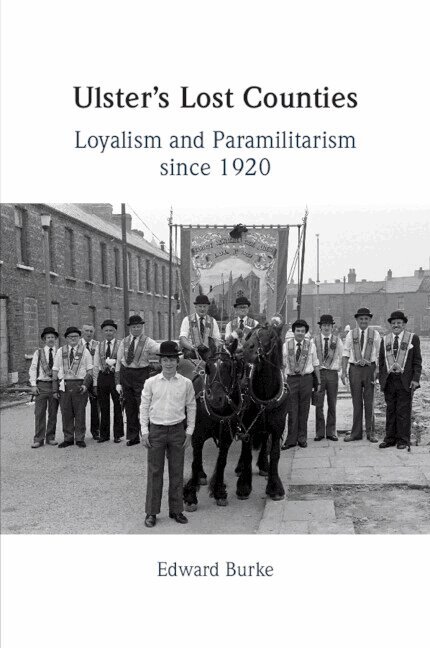
Häftad, Engelska, 2025
408 kr
Skickas inom 7-10 vardagar
In 1920, the three Ulster counties of Cavan, Donegal and Monaghan were excluded from Northern Ireland. What happens to an abandoned people? And what is the impact on subsequent generations? At a time of uncertainty over the future of Northern Ireland, the history of Ulster loyalists who found themselves on the 'wrong side' of the Irish border is especially relevant. Memories of the violence and betrayal experienced by one generation of protestants in the three counties entrenched an intergenerational Ulster loyalist identity. Subsequently, three-county loyalists who moved across the border played an important role in militant politics. Examining armed resistance in these counties and the radicals who came from them, Edward Burke argues that violence or terrorism perpetrated by 'lost Ulster' loyalists enjoyed considerable success. Spanning the Anglo-Irish War to the Troubles and beyond, Ulster's Lost Counties demonstrates the grip of identity and betrayal since the partition of Ireland.
Häftad, Engelska, 2008
398 kr
Skickas inom 3-6 vardagar
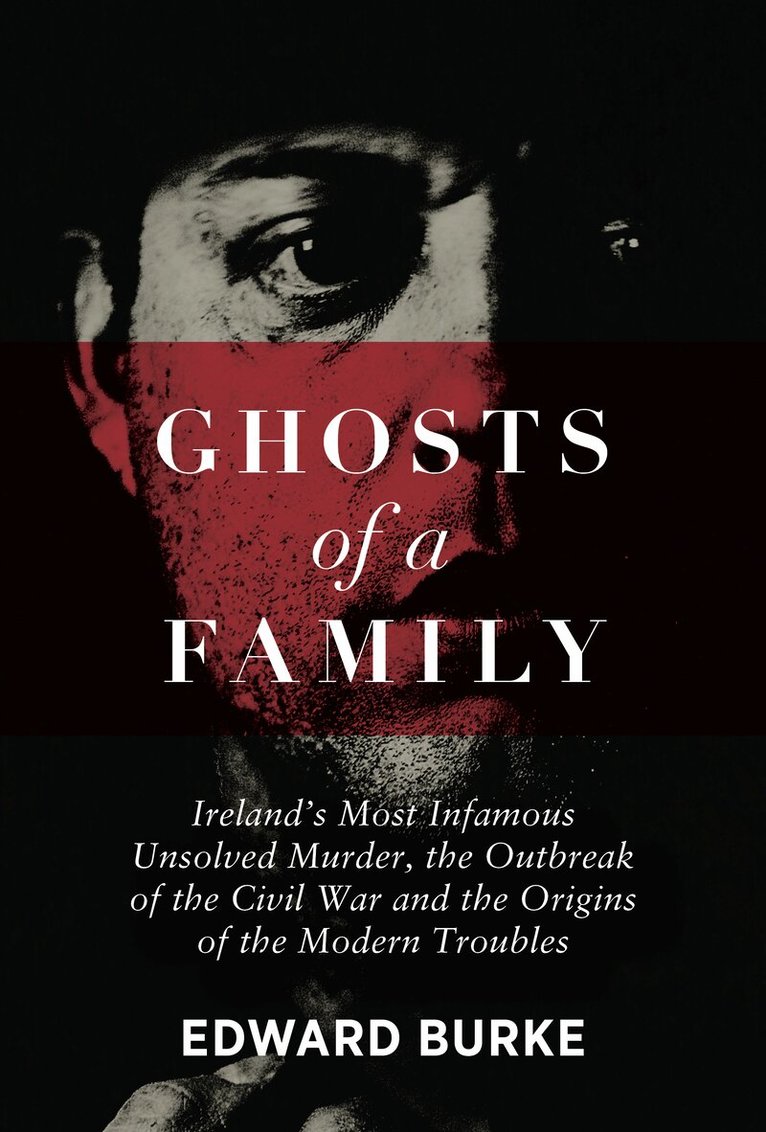
Häftad, Engelska, 2024
231 kr
Skickas
Inbunden, Engelska, 2018
1 952 kr
Skickas inom 5-8 vardagar
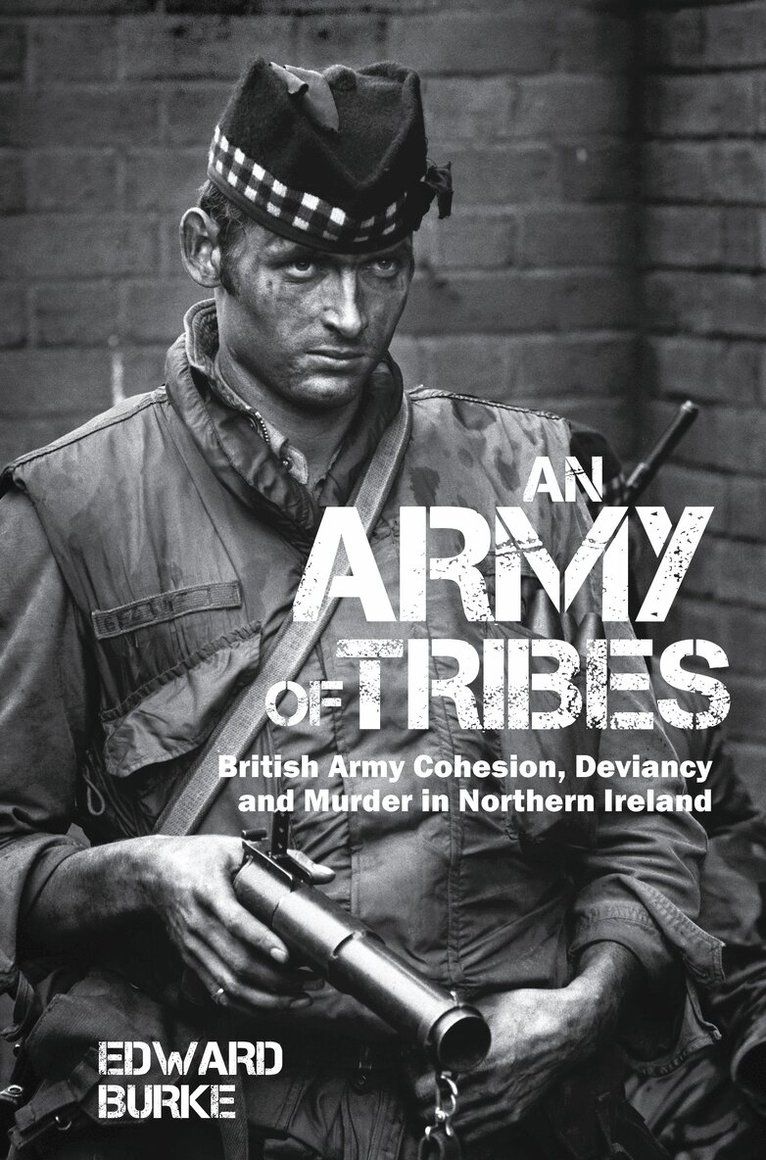
This is the first such study of Operation Banner, the British Army’s campaign in Northern Ireland. Drawing upon extensive interviews with former soldiers, primary archival sources including unpublished diaries and unit log-books, this book closely examines soldiers’ behaviour at the small infantry-unit level (Battalion downwards), including the leadership, cohesion and training that sustained, restrained and occasionally misdirected soldiers during the most violent period of the Troubles in Northern Ireland. It contends that there are aspects of wider scholarly literatures – including from sociology, anthropology, criminology, and psychology - that can throw new light on our understanding of the British Army in Northern Ireland. It also offers fresh insights and analysis of incidents involving the British Army during the early years of Operation Banner, including the 1972 ‘Pitchfork murders’ of Michael Naan and Andrew Murray in County Fermanagh, and that of Warrenpoint hotel owner Edmund Woolsey in South Armagh.The central argument of this book is that British Army small infantry units enjoyed considerable autonomy during the early years of Operation Banner and could behave in a vengeful, highly aggressive or benign and conciliatory way as their local commanders saw fit. The strain of civil-military relations at a senior level was replicated operationally as soldiers came to resent the limitations of waging war in the UK. The unwillingness of the Army’s senior leadership to thoroughly investigate and punish serious transgressions of standard operating procedures in Northern Ireland created uncertainty among soldiers over expected behaviour and desired outcomes. Overly aggressive groups of soldiers could also be mistaken for high-functioning units – with negative consequences for the Army’s overall strategy in Northern Ireland.
Häftad, Engelska, 2018
527 kr
Skickas inom 5-8 vardagar
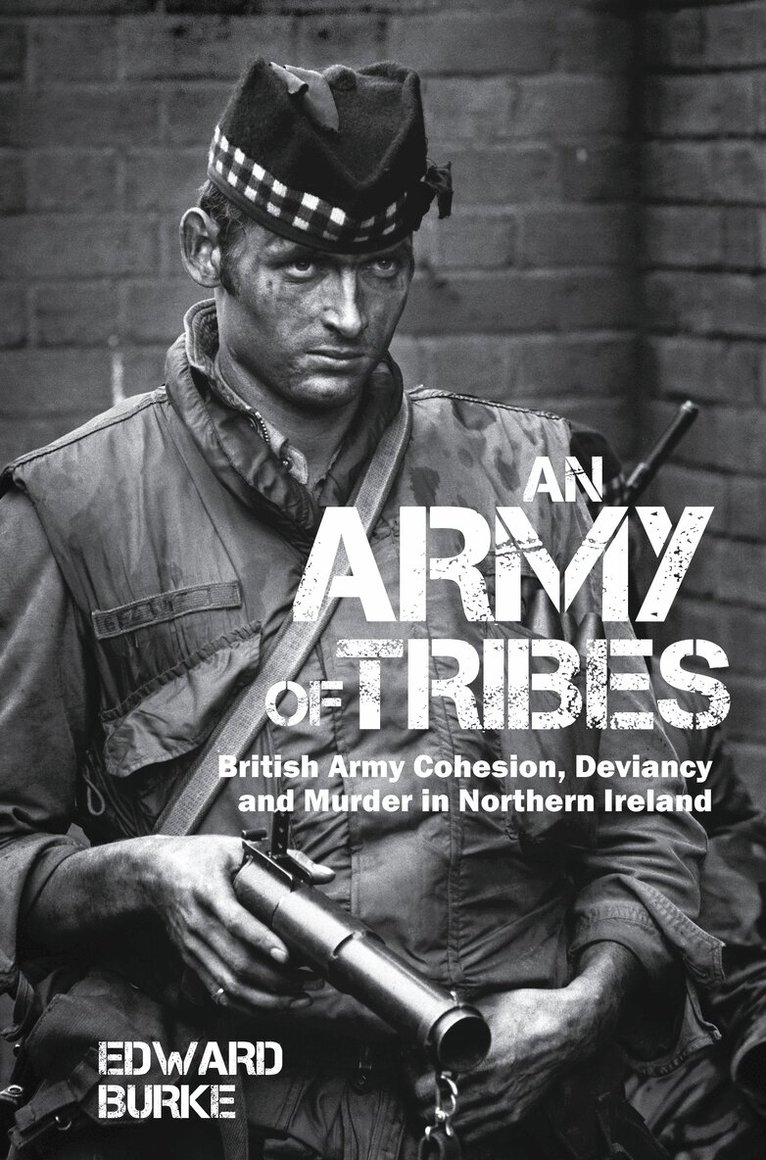
This is the first such study of Operation Banner, the British Army’s campaign in Northern Ireland. Drawing upon extensive interviews with former soldiers, primary archival sources including unpublished diaries and unit log-books, this book closely examines soldiers’ behaviour at the small infantry-unit level (Battalion downwards), including the leadership, cohesion and training that sustained, restrained and occasionally misdirected soldiers during the most violent period of the Troubles in Northern Ireland. It contends that there are aspects of wider scholarly literatures – including from sociology, anthropology, criminology, and psychology - that can throw new light on our understanding of the British Army in Northern Ireland. It also offers fresh insights and analysis of incidents involving the British Army during the early years of Operation Banner, including the 1972 ‘Pitchfork murders’ of Michael Naan and Andrew Murray in County Fermanagh, and that of Warrenpoint hotel owner Edmund Woolsey in South Armagh.The central argument of this book is that British Army small infantry units enjoyed considerable autonomy during the early years of Operation Banner and could behave in a vengeful, highly aggressive or benign and conciliatory way as their local commanders saw fit. The strain of civil-military relations at a senior level was replicated operationally as soldiers came to resent the limitations of waging war in the UK. The unwillingness of the Army’s senior leadership to thoroughly investigate and punish serious transgressions of standard operating procedures in Northern Ireland created uncertainty among soldiers over expected behaviour and desired outcomes. Overly aggressive groups of soldiers could also be mistaken for high-functioning units – with negative consequences for the Army’s overall strategy in Northern Ireland.