Edward K. Muller - Böcker
Visar alla böcker från författaren Edward K. Muller. Handla med fri frakt och snabb leverans.
4 produkter
4 produkter
1 245 kr
Skickas inom 10-15 vardagar
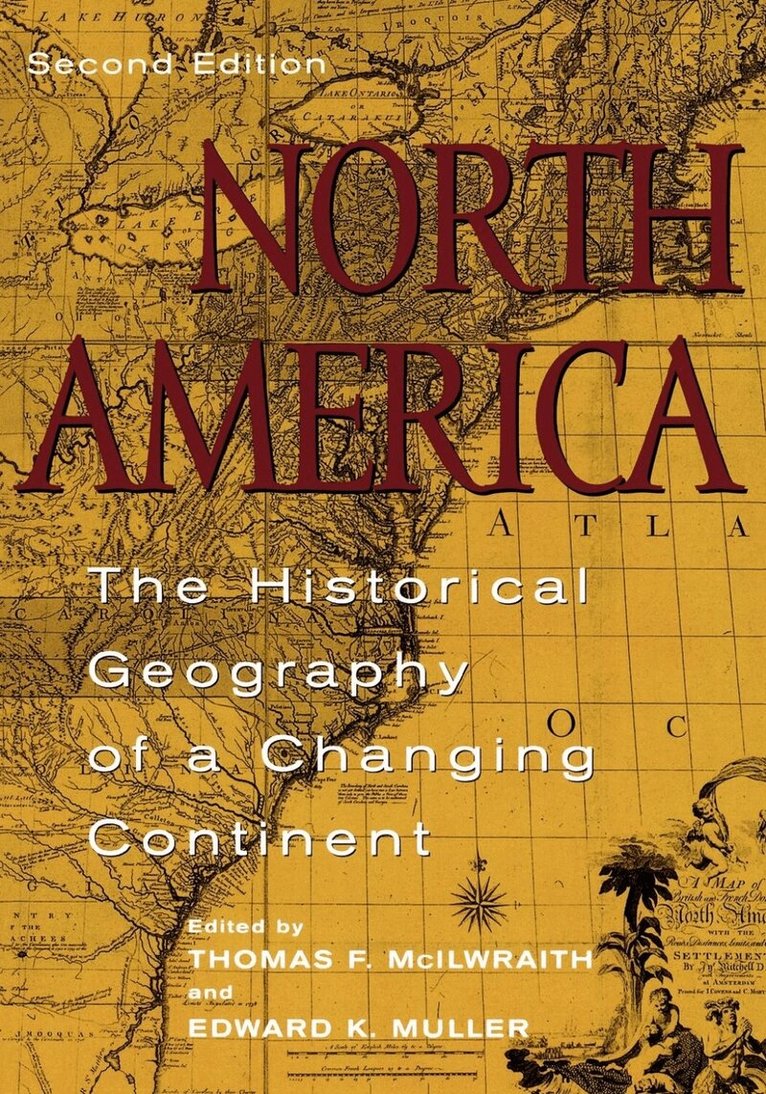
This classic text retains the superb scholarship of the first edition in a thoroughly revised and accessibly written new edition. With both new and updated essays by distinguished American and Canadian authors, the book provides a comprehensive historical overview of the formation and growth of North American regions from European exploration and colonization to the second half of the twentieth century. Collectively the contributors explore the key themes of acquisition of geographical knowledge, cultural transfer and acculturation, frontier expansion, spatial organization of society, resource exploitation, regional and national integration, and landscape change. With six new chapters, redrawn maps, a new introduction that explores scholarly trends in historical geography since publication of the first edition, and a new final chapter guiding students to the basic sources for historical geographic enquiry, North America will be an indispensable text in historical geography courses.
430 kr
Skickas inom 5-8 vardagar
In Petrolia, Brian Black offers a geographical and social history of a region that was not only the site of America's first oil boom but was also the world's largest oil producer between 1859 and 1873. Against the background of the growing demand for petroleum throughout and immediately following the Civil War, Black describes Oil Creek Valley's descent into environmental hell. Known as "Petrolia," the region charged the popular imagination with its nearly overnight transition from agriculture to industry. But so unrestrained were these early efforts at oil drilling, Black writes, that "the landscape came to be viewed only as an instrument out of which one could extract crude." In a very short time, Petrolia was a ruined place-environmentally, economically, and to some extent even culturally. Black gives historical detail and analysis to account for this transformation.
375 kr
Skickas inom 7-10 vardagar
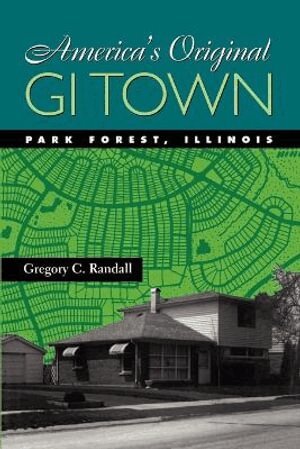
At the close of World War II, Americans became increasingly concerned about the problem of housing for returning veterans, relocated defense workers, and their families. Designs such as the garden city that dated from the turn of the twentieth century or earlier were prominent once again, as planners saw a renewed need for ready-made communities. One such community-among the first and, perhaps, most representative-was Park Forest, Illinois, a privately built and publicly managed town twenty-six miles south of Chicago. In this book, Gregory Randall presents the history of the planning, design, construction, and growth of Park Forest. He shows how planners-who dubbed the new community a "GI town"-drew on lessons learned from English garden cities and New Deal greenbelt towns to cope with America's emerging peacetime housing crisis. He also shows how this new town changed community planning throughout the United States, including its effects on community development up to the present.
239 kr
Skickas inom 5-8 vardagar
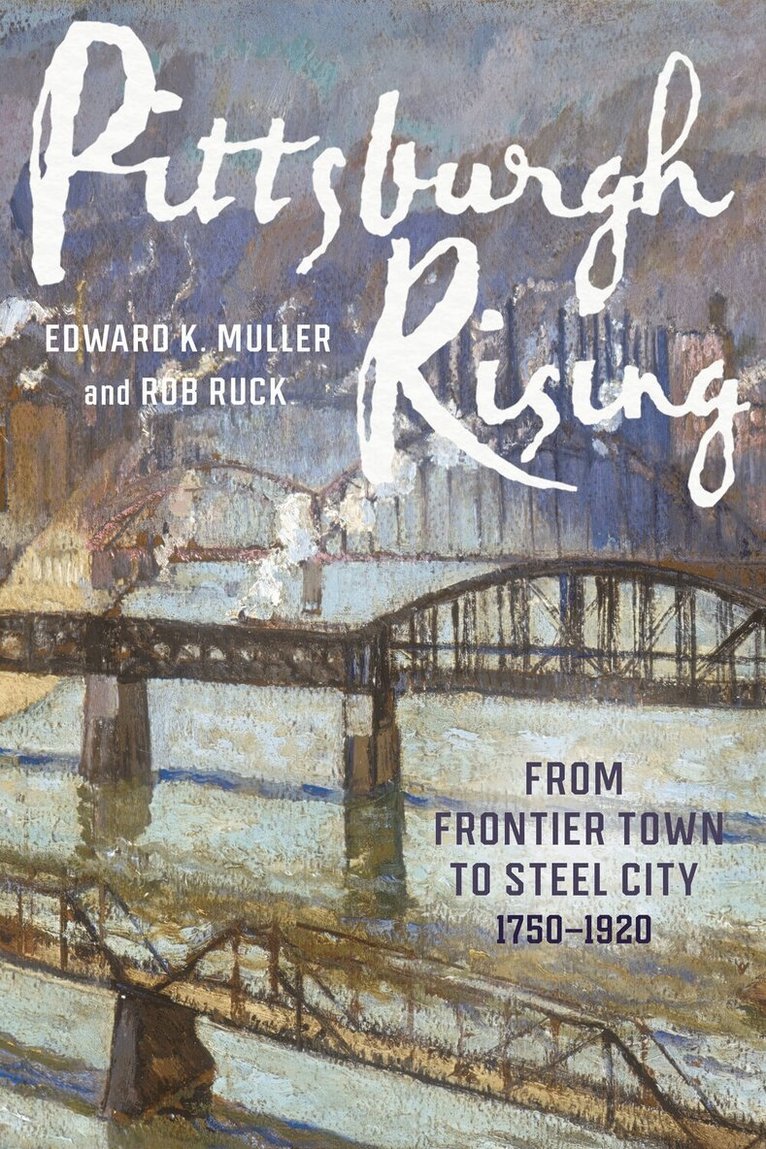
Over 170 years, Pittsburgh rose from remote outpost to industrial powerhouse. With the formation of the United States, the frontier town located at the confluence of three rivers grew into the linchpin for trade and migration between established eastern cities and the growing settlements of the Ohio Valley. Resources, geography, innovation, and personalities led to successful glass, iron, and eventually steel operations. As Pittsburgh blossomed into one of the largest cities in the country and became a center of industry, it generated great wealth for industrial and banking leaders. But immigrants and African American migrants, who labored under insecure, poorly paid, and dangerous conditions, did not share in the rewards of growth. Pittsburgh Rising traces the lives of individuals and families who lived and worked in this early industrial city, jammed into unhealthy housing in overcrowded neighborhoods near the mills. Although workers organized labor unions to improve conditions and charitable groups and reform organizations, often helmed by women, mitigated some of the deplorable conditions, authors Muller and Ruck show that divides along class, religious, ethnic, and racial lines weakened the efforts to improve the inequalities of early twentieth-century Pittsburgh—and persist today.