Edward P K Tsang - Böcker
Visar alla böcker från författaren Edward P K Tsang. Handla med fri frakt och snabb leverans.
6 produkter
6 produkter
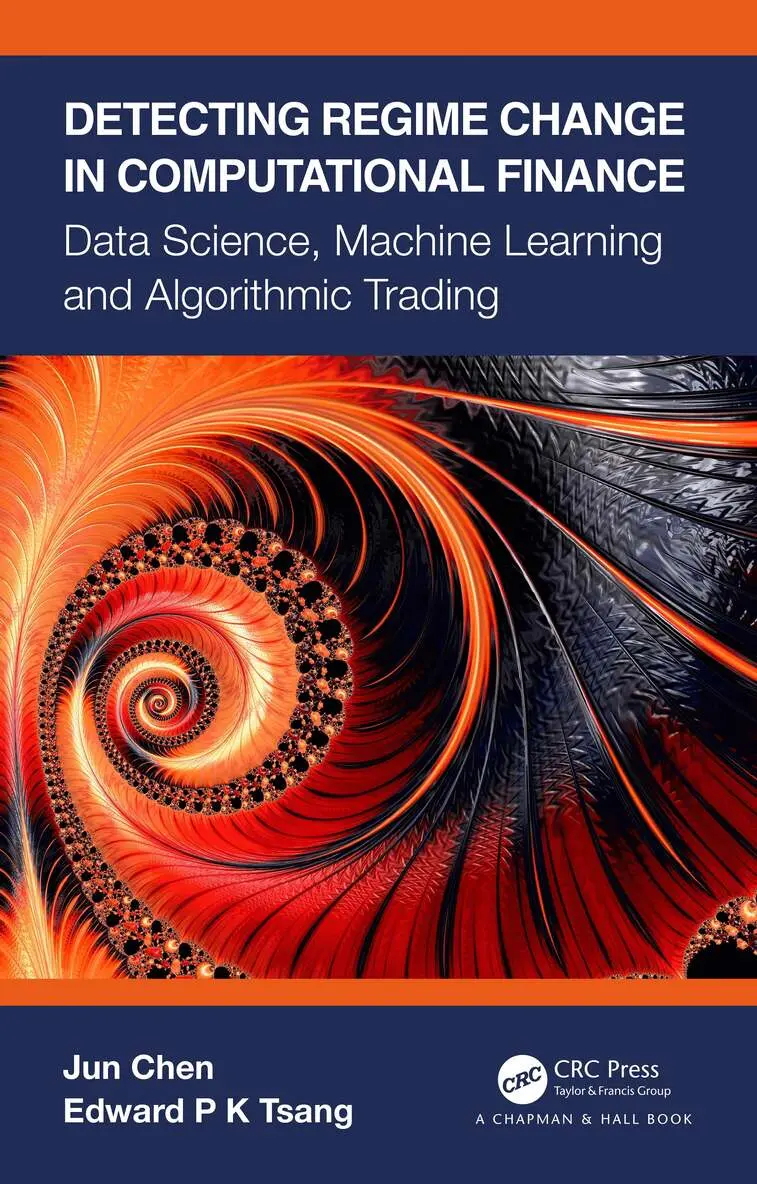
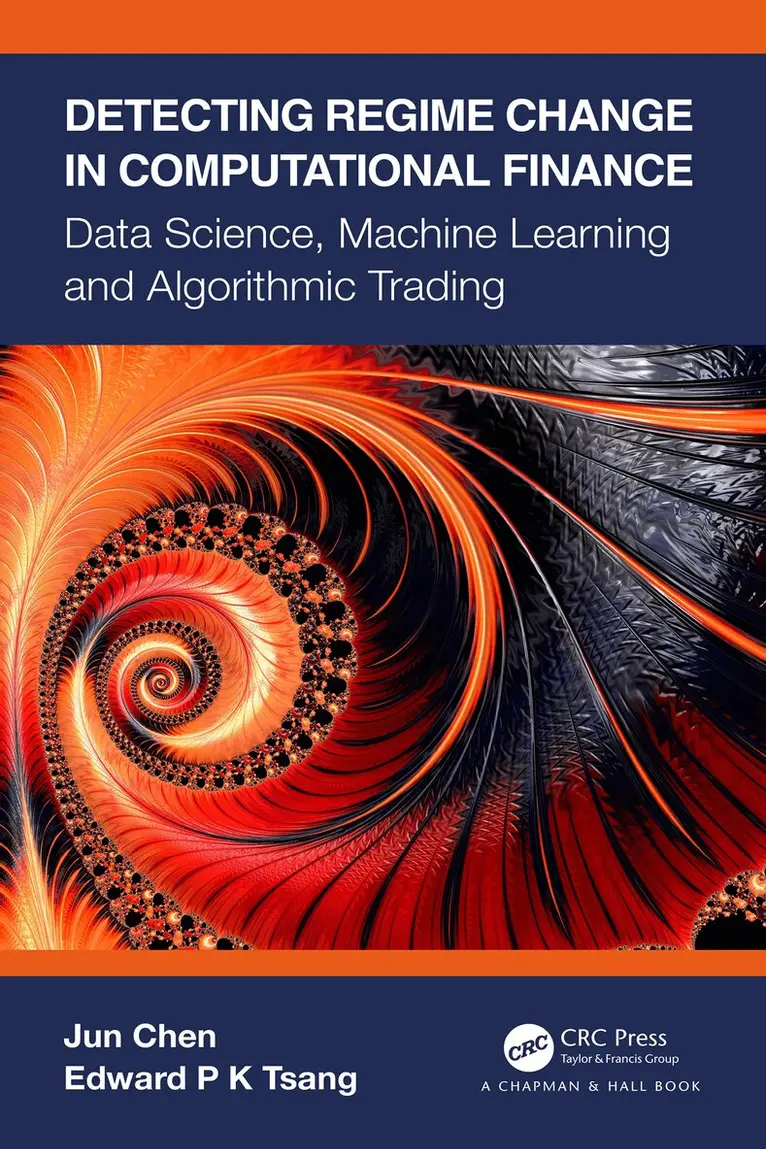
Detecting Regime Change in Computational Finance
Data Science, Machine Learning and Algorithmic Trading
Inbunden, Engelska, 2020
1 236 kr
Skickas inom 10-15 vardagar
Based on interdisciplinary research into "Directional Change", a new data-driven approach to financial data analysis, Detecting Regime Change in Computational Finance: Data Science, Machine Learning and Algorithmic Trading applies machine learning to financial market monitoring and algorithmic trading. Directional Change is a new way of summarising price changes in the market. Instead of sampling prices at fixed intervals (such as daily closing in time series), it samples prices when the market changes direction ("zigzags"). By sampling data in a different way, this book lays out concepts which enable the extraction of information that other market participants may not be able to see. The book includes a Foreword by Richard Olsen and explores the following topics: Data science: as an alternative to time series, price movements in a market can be summarised as directional changes Machine learning for regime change detection: historical regime changes in a market can be discovered by a Hidden Markov Model Regime characterisation: normal and abnormal regimes in historical data can be characterised using indicators defined under Directional Change Market Monitoring: by using historical characteristics of normal and abnormal regimes, one can monitor the market to detect whether the market regime has changed Algorithmic trading: regime tracking information can help us to design trading algorithmsIt will be of great interest to researchers in computational finance, machine learning and data science.About the AuthorsJun Chen received his PhD in computational finance from the Centre for Computational Finance and Economic Agents, University of Essex in 2019.Edward P K Tsang is an Emeritus Professor at the University of Essex, where he co-founded the Centre for Computational Finance and Economic Agents in 2002.
Detecting Regime Change in Computational Finance
Data Science, Machine Learning and Algorithmic Trading
Häftad, Engelska, 2022
677 kr
Skickas inom 10-15 vardagar
Based on interdisciplinary research into "Directional Change", a new data-driven approach to financial data analysis, Detecting Regime Change in Computational Finance: Data Science, Machine Learning and Algorithmic Trading applies machine learning to financial market monitoring and algorithmic trading. Directional Change is a new way of summarising price changes in the market. Instead of sampling prices at fixed intervals (such as daily closing in time series), it samples prices when the market changes direction ("zigzags"). By sampling data in a different way, this book lays out concepts which enable the extraction of information that other market participants may not be able to see. The book includes a Foreword by Richard Olsen and explores the following topics: Data science: as an alternative to time series, price movements in a market can be summarised as directional changes Machine learning for regime change detection: historical regime changes in a market can be discovered by a Hidden Markov Model Regime characterisation: normal and abnormal regimes in historical data can be characterised using indicators defined under Directional Change Market Monitoring: by using historical characteristics of normal and abnormal regimes, one can monitor the market to detect whether the market regime has changed Algorithmic trading: regime tracking information can help us to design trading algorithmsIt will be of great interest to researchers in computational finance, machine learning and data science.About the AuthorsJun Chen received his PhD in computational finance from the Centre for Computational Finance and Economic Agents, University of Essex in 2019.Edward P K Tsang is an Emeritus Professor at the University of Essex, where he co-founded the Centre for Computational Finance and Economic Agents in 2002.
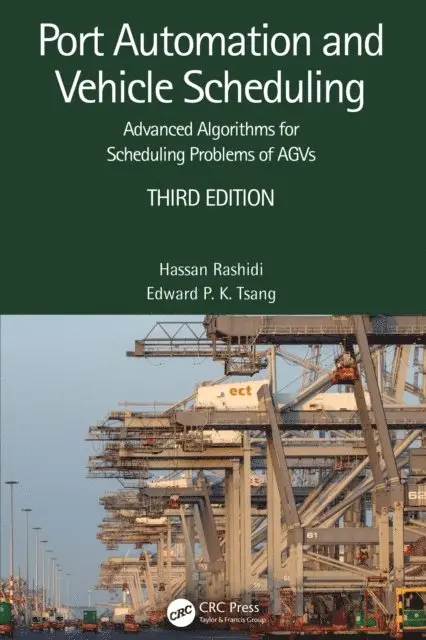
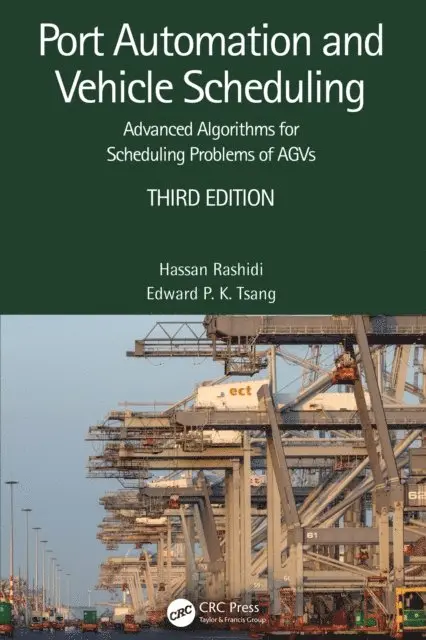
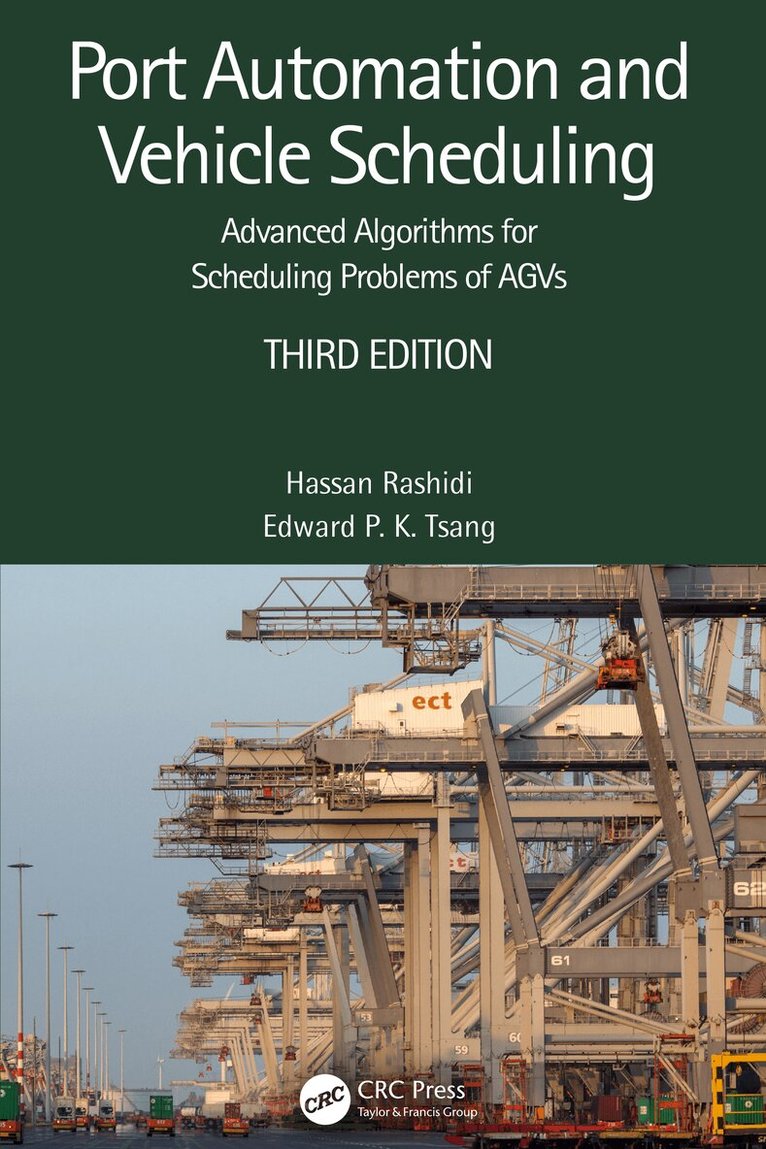
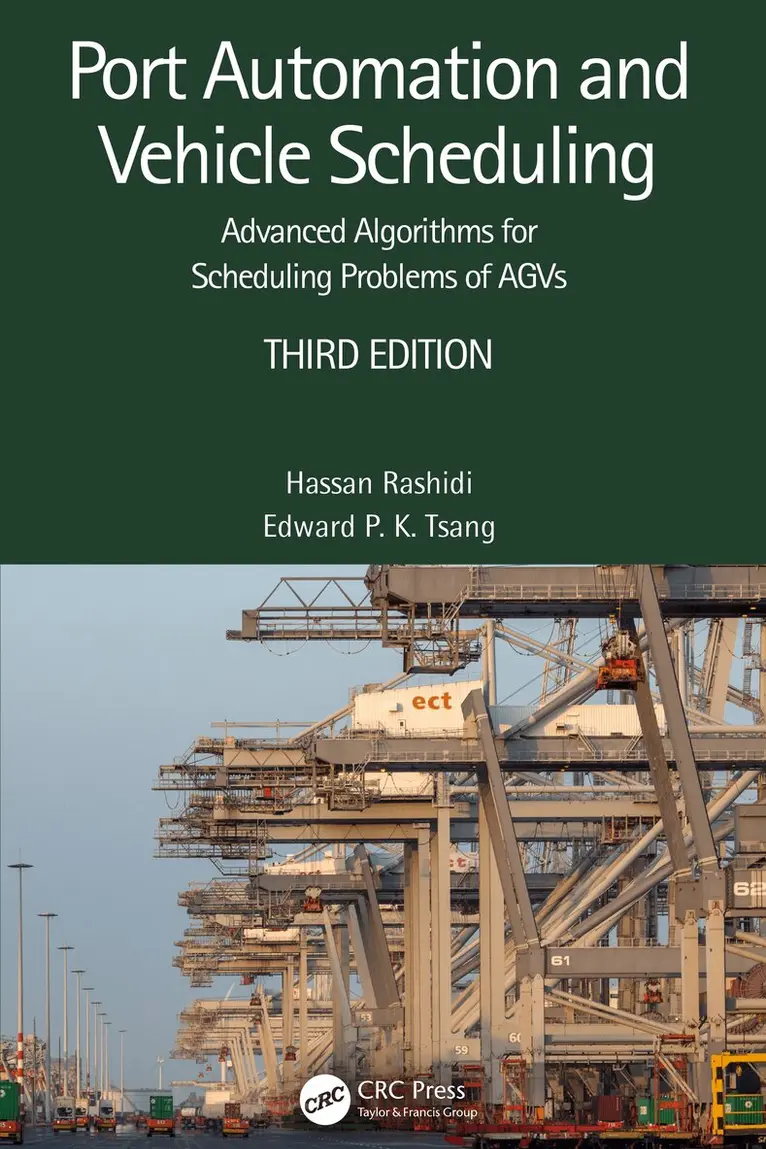
Port Automation and Vehicle Scheduling
Advanced Algorithms for Scheduling Problems of AGVs
Inbunden, Engelska, 2022
1 618 kr
Skickas inom 10-15 vardagar
Container terminals are constantly being challenged to adjust their throughput capacity to match fluctuating demand. Examining the optimization problems encountered in today’s container terminals, Port Automation and Vehicle Scheduling: Advanced Algorithms for Scheduling Problems of AGVs, Third Edition provides advanced algorithms for handling the scheduling of Automated Guided Vehicles (AGVs) in ports.Building on the earlier editions, previously titled Vehicle Scheduling in Port Automation: Advanced Algorithms for Minimum Cost Flow Problems, this book has undergone extensive revisions and includes two new chapters. New material addresses the solutions to the modeling of decisions in Chapter 3, while in Chapter 11 the authors address an emerging challenge in automated container terminals with integrated management.Key Features:Classifies the optimization problems of the ports into five scheduling decisions. For each decision, it supplies an overview, formulates each of the decisions as constraint satisfaction and optimization problems, and then covers possible solutions, implementation, and performance.Explores in Part One of the book the various optimization problems in modern container terminals, while details in Part Two advanced algorithms for the minimum cost flow (MCF) problem and for the scheduling problem of AGVs in ports.Offers complete package that can help readers address the scheduling problems of AGVs in ports.This is a valuable reference for port authorities and researchers, including specialists and graduate students in operation research. For specialists, it provides novel and efficient algorithms for network flow problems. For students, it supplies the most comprehensive survey of the field along with a rigorous formulation of the problems in port automation.
Port Automation and Vehicle Scheduling
Advanced Algorithms for Scheduling Problems of AGVs
Häftad, Engelska, 2024
658 kr
Skickas inom 10-15 vardagar
Container terminals are constantly being challenged to adjust their throughput capacity to match fluctuating demand. Examining the optimization problems encountered in today’s container terminals, Port Automation and Vehicle Scheduling: Advanced Algorithms for Scheduling Problems of AGVs, Third Edition provides advanced algorithms for handling the scheduling of Automated Guided Vehicles (AGVs) in ports.Building on the earlier editions, previously titled Vehicle Scheduling in Port Automation: Advanced Algorithms for Minimum Cost Flow Problems, this book has undergone extensive revisions and includes two new chapters. New material addresses the solutions to the modeling of decisions in Chapter 3, while in Chapter 11 the authors address an emerging challenge in automated container terminals with integrated management.Key Features:Classifies the optimization problems of the ports into five scheduling decisions. For each decision, it supplies an overview, formulates each of the decisions as constraint satisfaction and optimization problems, and then covers possible solutions, implementation, and performance.Explores in Part One of the book the various optimization problems in modern container terminals, while details in Part Two advanced algorithms for the minimum cost flow (MCF) problem and for the scheduling problem of AGVs in ports.Offers complete package that can help readers address the scheduling problems of AGVs in ports.This is a valuable reference for port authorities and researchers, including specialists and graduate students in operation research. For specialists, it provides novel and efficient algorithms for network flow problems. For students, it supplies the most comprehensive survey of the field along with a rigorous formulation of the problems in port automation.
370 kr
Skickas inom 10-15 vardagar
Finance students and practitioners may ask: can machines learn everything? Could AI help me? Computing students or practitioners may ask: which of my skills could contribute to finance? Where in finance should I pay attention? This book aims to answer these questions. No prior knowledge is expected in AI or finance.Including original research, the book explains the impact of ignoring computation in classical economics; examines the relationship between computing and finance and points out potential misunderstandings between economists and computer scientists; and introduces Directional Change and explains how this can be used.To finance students and practitioners, this book will explain the promise of AI, as well as its limitations. It will cover knowledge representation, modelling, simulation and machine learning, explaining the principles of how they work. To computing students and practitioners, this book will introduce the financial applications in which AI has made an impact. This includes algorithmic trading, forecasting, risk analysis portfolio optimization and other less well-known areas in finance. Trading depth for readability, AI for Finance will help readers decide whether to invest more time into the subject.
1 943 kr
Skickas inom 10-15 vardagar
Finance students and practitioners may ask: can machines learn everything? Could AI help me? Computing students or practitioners may ask: which of my skills could contribute to finance? Where in finance should I pay attention? This book aims to answer these questions. No prior knowledge is expected in AI or finance.Including original research, the book explains the impact of ignoring computation in classical economics; examines the relationship between computing and finance and points out potential misunderstandings between economists and computer scientists; and introduces Directional Change and explains how this can be used.To finance students and practitioners, this book will explain the promise of AI, as well as its limitations. It will cover knowledge representation, modelling, simulation and machine learning, explaining the principles of how they work. To computing students and practitioners, this book will introduce the financial applications in which AI has made an impact. This includes algorithmic trading, forecasting, risk analysis portfolio optimization and other less well-known areas in finance. Trading depth for readability, AI for Finance will help readers decide whether to invest more time into the subject.