Edward Zamble – författare
Visar alla böcker från författaren Edward Zamble. Handla med fri frakt och snabb leverans.
4 produkter
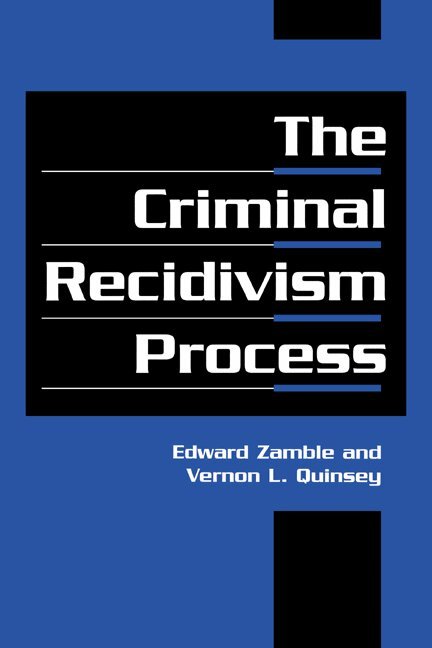
The Criminal Recidivism Process
Av Edward Zamble, Vernon L. Quinsey m. fl.
Inbunden, 1997
1529 kr
Lägg i varukorg
This book addresses how and why criminal offenders repeat their actions after being released from prison. It is part of an attempt to explain criminal behavior within the context of a contemporary psychological understanding of behavior, rather than more traditional theories of crime. Over 300 …
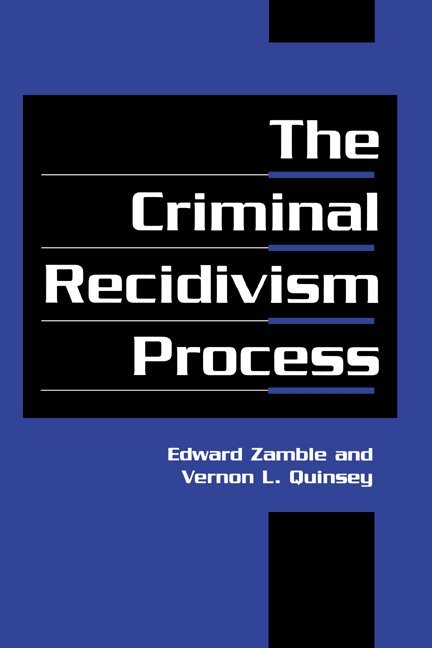
The Criminal Recidivism Process
Av Edward Zamble, Vernon L. Quinsey
Häftad, 2001
569 kr
Lägg i varukorg
This book addresses how and why criminal offenders repeat their actions after being released from prison. It is part of an attempt to explain criminal behavior within the context of a contemporary psychological understanding of behavior, rather than more traditional theories of crime. Over 300 …
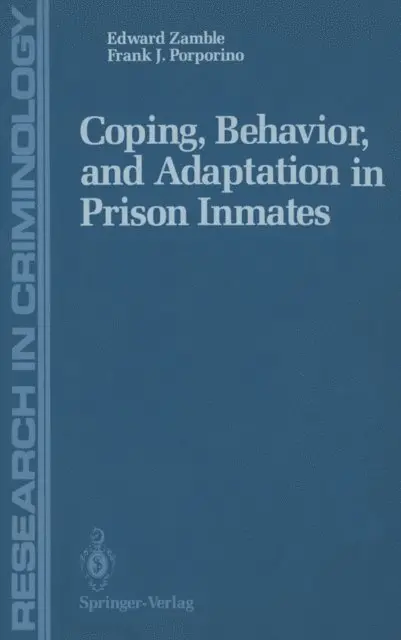
Coping, Behavior, and Adaptation in Prison Inmates
Av Frank J. Porporino, Edward Zamble
E-bok, 2013
734 kr
Lägg i varukorg
This book is the report of a collaborative effort. Frank Porporino and I arrived at the starting point for our work together by very different routes. Originally trained as an experimental psychologist, I had become in creasingly restive within the confines of the laboratory, and spent a sab …
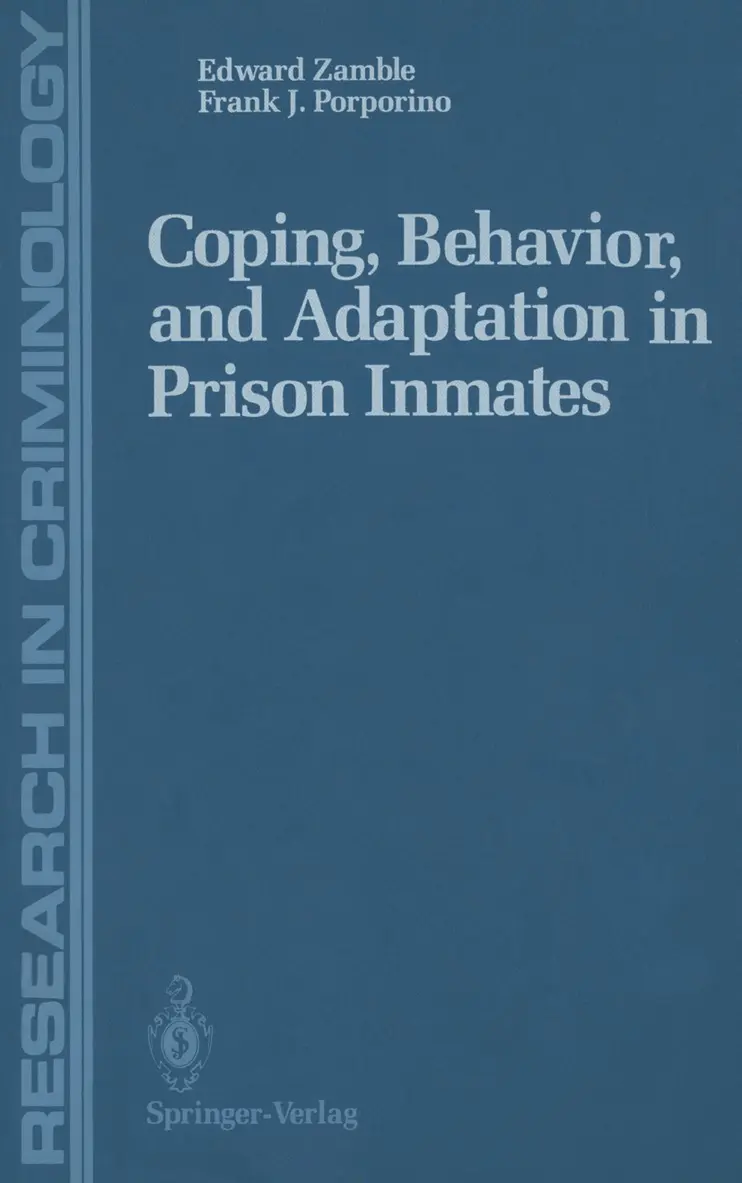
Coping, Behavior, and Adaptation in Prison Inmates
Av Edward Zamble, Frank J. Porporino
Häftad, 2013
568 kr
Lägg i varukorg
This book is the report of a collaborative effort. Frank Porporino and I arrived at the starting point for our work together by very different routes. Originally trained as an experimental psychologist, I had become in creasingly restive within the confines of the laboratory, and spent a sab …