Eefje Cleophas – författare
Visar alla böcker från författaren Eefje Cleophas. Handla med fri frakt och snabb leverans.
3 produkter
3 produkter
E-bok
Engelska, 2013407 kr
Läs direkt efter köp
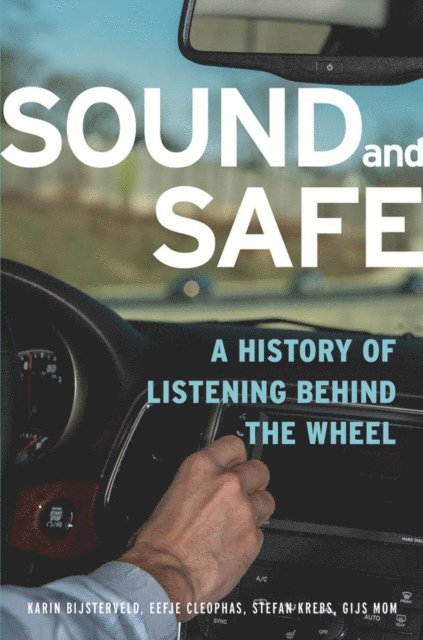
Do you enjoy listening to music while driving? Do you find radio traffic information indispensable? Do you like to sing along with whatever you like as you drive?This book tells the fascinating story of how, over the course of the twentieth century, we turned automobiles from intentionally noisy contraptions into spheres of auditory privacy that make us feel sound and safe. It explains how engineers in the automotive industry found pride in making car engines quieter once they realized that noise stood for inefficiency. And, after the automobile had become a closed vehicle, it follows them as they struggled against sounds audible within the car. The book also traces how noise is linked both to fears - fears of noise-induced fatigue, fears about the danger of the car radio and drivers'' attention spans - and to wants, exploring how drivers at one point actually desired to listen to their cars'' engines in order to diagnose mechanical problems and how they now appreciate radio traffic information. And it suggests that their disdain for the ever-expanding number of roadside noise barriers made them long for new forms of in-car audio entertainment. This book also allows you to peep behind the scenes of international standardization committees and automotive test benches. What did and does the automotive industry do to secure the sounds characteristic for their brands? Drawing on archives, interviews, beautiful historical automotive ads, and writing from cultural history, science and technology studies, sound and sensory studies, this book unveils the hidden history of an everyday phenomenon. It is about the sounds of car engines, tires, wipers, blinkers, warning signals, in-car audio systems and, ultimately, about how we became used to listening while driving.
Inbunden, Engelska, 2014
634 kr
Skickas inom 5-8 vardagar
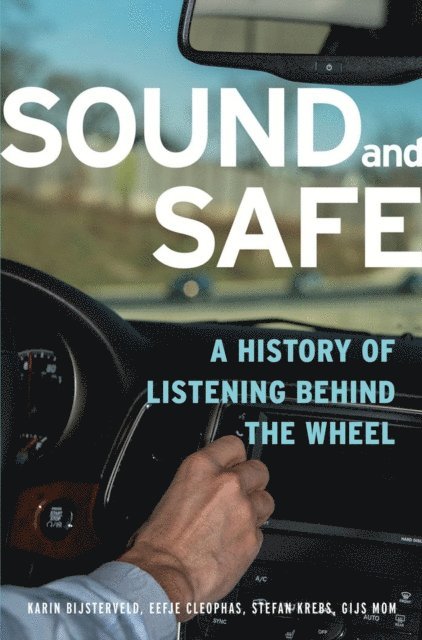
Do you enjoy listening to music while driving? Do you find radio traffic information indispensable? Do you appreciate the moments of your drive in which you can listen to or sing along with whatever you like?This book shows how we created auditory privacy in cars, making them feel sound and safe, even though automobiles were highly noisy things at the beginning of the twentieth century. It explains how engineers in the automotive industry found pride in making car engines quieter once they realized that noise stood for inefficiency. It follows them as they struggle against sounds audible within the car after the automobile had become a closed vehicle. It tells how noise-induced fatigue became an issue once the car became a mass means for touring across the country. It unravels the initial societal concerns about the dangers of car radio and what it did to drivers' attention span. It explores how car drivers listened to their cars' engines to diagnose car problems, and appreciated radio traffic information for avoiding traffic jams. And it suggests that their disdain for the ever-expanding number of roadside noise barriers made them long for new forms of in-car audio entertainment. This book also allows you to peep behind the scenes of international standardization committees and automotive test benches. What did and does the automotive industry to secure the sounds characteristic for their makes? Drawing on archives, interviews, beautiful automotive ads, and literature from the fields of cultural history, science and technology studies, sound and sensory studies, this book unveils the history of an everyday phenomenon. It is about the sounds of car engines, tires, wipers, blinkers, warning signals, in-car audio systems and, ultimately, about how we became used to listen while driving.
E-bok
PDF, Engelska, 2013407 kr
Läs direkt efter köp
Do you enjoy listening to music while driving? Do you find radio traffic information indispensable? Do you like to sing along with whatever you like as you drive?This book tells the fascinating story of how, over the course of the twentieth century, we turned automobiles from intentionally noisy contraptions into spheres of auditory privacy that make us feel sound and safe. It explains how engineers in the automotive industry found pride in making car engines quieter once they realized that noise stood for inefficiency. And, after the automobile had become a closed vehicle, it follows them as they struggled against sounds audible within the car. The book also traces how noise is linked both to fears - fears of noise-induced fatigue, fears about the danger of the car radio and drivers'' attention spans - and to wants, exploring how drivers at one point actually desired to listen to their cars'' engines in order to diagnose mechanical problems and how they now appreciate radio traffic information. And it suggests that their disdain for the ever-expanding number of roadside noise barriers made them long for new forms of in-car audio entertainment. This book also allows you to peep behind the scenes of international standardization committees and automotive test benches. What did and does the automotive industry do to secure the sounds characteristic for their brands? Drawing on archives, interviews, beautiful historical automotive ads, and writing from cultural history, science and technology studies, sound and sensory studies, this book unveils the hidden history of an everyday phenomenon. It is about the sounds of car engines, tires, wipers, blinkers, warning signals, in-car audio systems and, ultimately, about how we became used to listening while driving.