Eileen Crist - Böcker
Visar alla böcker från författaren Eileen Crist. Handla med fri frakt och snabb leverans.
12 produkter
12 produkter
986 kr
Tillfälligt slut
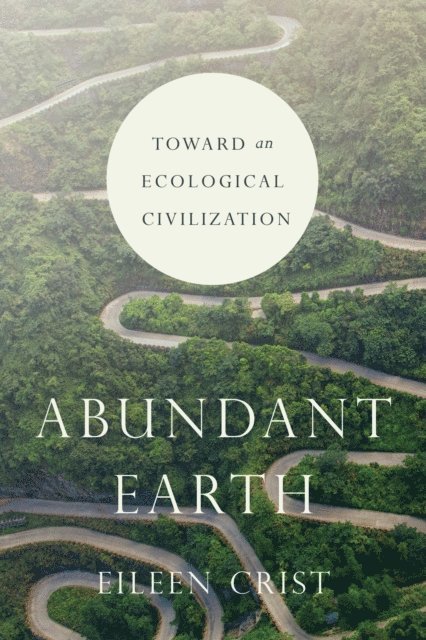
In Abundant Earth, Eileen Crist not only documents the rising tide of biodiversity loss, but also lays out the drivers of this wholesale destruction and how we can push past them. Looking beyond the familiar litany of causes--a large and growing human population, rising livestock numbers, expanding economies and international trade, and spreading infrastructures and incursions upon wildlands--she asks the key question: if we know human expansionism is to blame for this ecological crisis, why are we not taking the needed steps to halt our expansionism?Crist argues that to do so would require a two-pronged approach. Scaling down calls upon us to lower the global human population while working within a human-rights framework, to deindustrialize food production, and to localize economies and contract global trade. Pulling back calls upon us to free, restore, reconnect, and rewild vast terrestrial and marine ecosystems. However, the pervasive worldview of human supremacy--the conviction that humans are superior to all other life-forms and entitled to use these life-forms and their habitats--normalizes and promotes humanity's ongoing expansion, undermining our ability to enact these linked strategies and preempt the mounting suffering and dislocation of both humans and nonhumans.Abundant Earth urges us to confront the reality that humanity will not advance by entrenching its domination over the biosphere. On the contrary, we will stagnate in the identity of nature-colonizer and decline into conflict as we vie for natural resources. Instead, we must chart another course, choosing to live in fellowship within the vibrant ecologies of our wild and domestic cohorts, and enfolding human inhabitation within the rich expanse of a biodiverse, living planet.
317 kr
Skickas inom 7-10 vardagar
In Abundant Earth, Eileen Crist not only documents the rising tide of biodiversity loss, but also lays out the drivers of this wholesale destruction and how we can push past them. Looking beyond the familiar litany of causes--a large and growing human population, rising livestock numbers, expanding economies and international trade, and spreading infrastructures and incursions upon wildlands--she asks the key question: if we know human expansionism is to blame for this ecological crisis, why are we not taking the needed steps to halt our expansionism?Crist argues that to do so would require a two-pronged approach. Scaling down calls upon us to lower the global human population while working within a human-rights framework, to deindustrialize food production, and to localize economies and contract global trade. Pulling back calls upon us to free, restore, reconnect, and rewild vast terrestrial and marine ecosystems. However, the pervasive worldview of human supremacy--the conviction that humans are superior to all other life-forms and entitled to use these life-forms and their habitats--normalizes and promotes humanity's ongoing expansion, undermining our ability to enact these linked strategies and preempt the mounting suffering and dislocation of both humans and nonhumans.Abundant Earth urges us to confront the reality that humanity will not advance by entrenching its domination over the biosphere. On the contrary, we will stagnate in the identity of nature-colonizer and decline into conflict as we vie for natural resources. Instead, we must chart another course, choosing to live in fellowship within the vibrant ecologies of our wild and domestic cohorts, and enfolding human inhabitation within the rich expanse of a biodiverse, living planet.
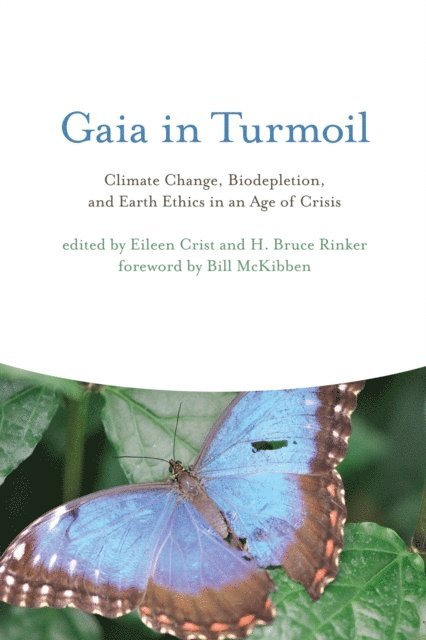
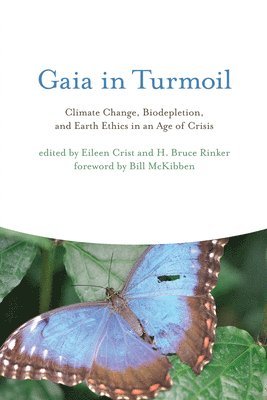
Gaia in Turmoil
Climate Change, Biodepletion, and Earth Ethics in an Age of Crisis
Häftad, Engelska, 2009
564 kr
Skickas inom 5-8 vardagar
187 kr
Tillfälligt slut
1 200 kr
Skickas inom 5-8 vardagar
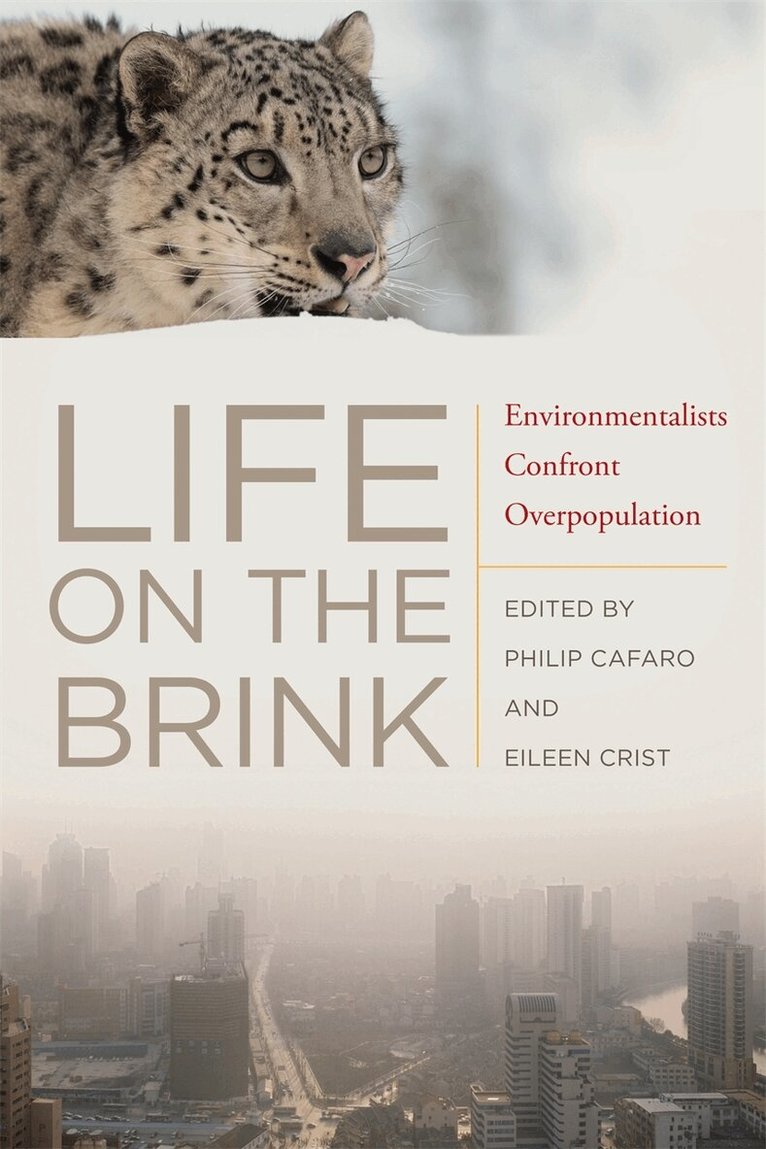
Life on the Brink aspires to reignite a robust discussion of population issues among environmentalists, environmental studies scholars, policymakers, and the general public. Some of the leading voices in the American environmental movement restate the case that population growth is a major force behind many of our most serious ecological problems, including global climate change, habitat loss and species extinctions, air and water pollution, and food and water scarcity. As we surpass seven billion world inhabitants, contributors argue that ending population growth worldwide and in the United States is a moral imperative that deserves renewed commitment.Hailing from a range of disciplines and offering varied perspectives, these essays hold in common a commitment to sharing resources with other species and a willingness to consider what will be necessary to do so. In defense of nature and of a vibrant human future, contributors confront hard issues regarding contraception, abortion, immigration, and limits to growth that many environmentalists have become too timid or politically correct to address in recent years.Ending population growth will not happen easily. Creating genuinely sustainable societies requires major change to economic systems and ethical values coupled with clear thinking and hard work. Life on the Brink is an invitation to join the discussion about the great work of building a better future.Contributors: Albert Bartlett, Joseph Bish, Lester Brown, Tom Butler, Philip Cafaro, Martha Campbell, William R. Catton Jr., Eileen Crist, Anne Ehrlich, Paul Ehrlich, Robert Engelman, Dave Foreman, Amy Gulick, Ronnie Hawkins, Leon Kolankiewicz, Richard Lamm, Jeffrey McKee, Stephanie Mills, Roderick Nash, Tim Palmer, Charmayne Palomba, William Ryerson, Winthrop Staples III, Captain Paul Watson, Don Weeden, George Wuerthner.
487 kr
Skickas inom 5-8 vardagar
Life on the Brink aspires to reignite a robust discussion of population issues among environmentalists, environmental studies scholars, policymakers, and the general public. Some of the leading voices in the American environmental movement restate the case that population growth is a major force behind many of our most serious ecological problems, including global climate change, habitat loss and species extinctions, air and water pollution, and food and water scarcity. As we surpass seven billion world inhabitants, contributors argue that ending population growth worldwide and in the United States is a moral imperative that deserves renewed commitment.Hailing from a range of disciplines and offering varied perspectives, these essays hold in common a commitment to sharing resources with other species and a willingness to consider what will be necessary to do so. In defense of nature and of a vibrant human future, contributors confront hard issues regarding contraception, abortion, immigration, and limits to growth that many environmentalists have become too timid or politically correct to address in recent years.Ending population growth will not happen easily. Creating genuinely sustainable societies requires major change to economic systems and ethical values coupled with clear thinking and hard work. Life on the Brink is an invitation to join the discussion about the great work of building a better future.Contributors: Albert Bartlett, Joseph Bish, Lester Brown, Tom Butler, Philip Cafaro, Martha Campbell, William R. Catton Jr., Eileen Crist, Anne Ehrlich, Paul Ehrlich, Robert Engelman, Dave Foreman, Amy Gulick, Ronnie Hawkins, Leon Kolankiewicz, Richard Lamm, Jeffrey McKee, Stephanie Mills, Roderick Nash, Tim Palmer, Charmayne Palomba, William Ryerson, Winthrop Staples III, Captain Paul Watson, Don Weeden, George Wuerthner.
566 kr
Skickas inom 3-6 vardagar
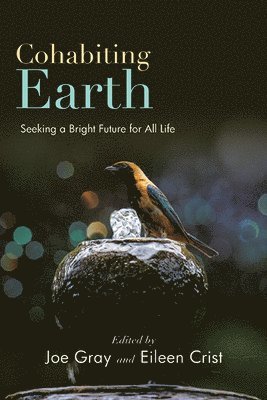
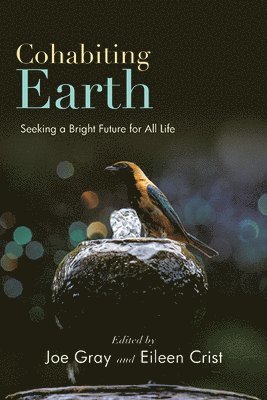
Promotes a path of harmony between humanity and Earth by presenting a vision that is comprehensive in scope and offering a positive new identity for humanity.The eco-catastrophes that we are witnessing today starkly demonstrate how the interests of the Earth's currently dominant species are in lockstep with those of nature's wider whole. Simply stated, humans and the more-than-human world have a shared fate. Just as humanity's unrestrained overreach in the ecosphere is driving a mass extinction event and causing the devastation of lifeforms and places, so it is also jeopardizing the prospect of a human future worth living. There is no "humans versus nature" tradeoff: the wellbeing of both is inseparably entwined. Solutions to the shared predicament of all Earth's beings will thus necessarily be those that strive for harmony between human presence and the rest of nature. This applies to the philosophy we adopt for agriculture, the ways in which human economies operate, our patterns of consumption, and numerous other intertwined threads of our existence. This anthology argues that harmony between humanity and our home planet must be built on the pillars of restraint, respect, and reverence.
1 456 kr
Skickas inom 3-6 vardagar
Promotes a path of harmony between humanity and Earth by presenting a vision that is comprehensive in scope and offering a positive new identity for humanity.The eco-catastrophes that we are witnessing today starkly demonstrate how the interests of the Earth's currently dominant species are in lockstep with those of nature's wider whole. Simply stated, humans and the more-than-human world have a shared fate. Just as humanity's unrestrained overreach in the ecosphere is driving a mass extinction event and causing the devastation of lifeforms and places, so it is also jeopardizing the prospect of a human future worth living. There is no "humans versus nature" tradeoff: the wellbeing of both is inseparably entwined. Solutions to the shared predicament of all Earth's beings will thus necessarily be those that strive for harmony between human presence and the rest of nature. This applies to the philosophy we adopt for agriculture, the ways in which human economies operate, our patterns of consumption, and numerous other intertwined threads of our existence. This anthology argues that harmony between humanity and our home planet must be built on the pillars of restraint, respect, and reverence.
1 117 kr
Skickas inom 7-10 vardagar
Seeing a cat rubbing against a person, Charles Darwin described her as \u0022in an affectionate frame of mind\u0022; for Samuel Barnett, a behavioralist, the mental realm is beyond the grasp of scientists andbehavior must be described technically, as a physical action only. What difference does this difference make? In Eileen Crist's analysis of the language used to portray animal behavior, the difference \u0022is that in the reader's mind the very image of the cat's 'body' is transfigured...from an experiencing subject...into a vacant object.\u0022 Images of Animals examines the literature of behavioral science, revealing how works with the common aim of documenting animal lives, habits, and instincts describe \u0022realities that are worlds apart.\u0022 Whether the writer affirms the Cartesian verdict of an unbridgeable chasm between animals and humans or the Darwinian panorama of evolutionary continuity, the question of animal mind is ever present and problematic in behavioral thought.Comparing the naturalist writings of Charles Darwin, Jean Henri Fabre, and George and Elizabeth Peckham to works of classical ethology by Konrad Lorenz and Nikolaas Tinbergen and of contemporary sociobiology, Crist demonstrates how words matter. She does not attempt to defend any of these constructions as a faithful representation of animal existence, but to show how each internally coherent view molds the reader's understanding of animals. Rejecting the notion that \u0022a neutral language exists, or can be constructed, which yields incontestably objective accounts of animal behavior,\u0022 Crist argues that \u0022language is not instrumental in the depiction of animals and, in particular, it is never impartial with respect to the question of animal mind.\u0022
418 kr
Skickas inom 7-10 vardagar
Seeing a cat rubbing against a person, Charles Darwin described her as \u0022in an affectionate frame of mind\u0022; for Samuel Barnett, a behavioralist, the mental realm is beyond the grasp of scientists andbehavior must be described technically, as a physical action only. What difference does this difference make? In Eileen Crist's analysis of the language used to portray animal behavior, the difference \u0022is that in the reader's mind the very image of the cat's 'body' is transfigured...from an experiencing subject...into a vacant object.\u0022 Images of Animals examines the literature of behavioral science, revealing how works with the common aim of documenting animal lives, habits, and instincts describe \u0022realities that are worlds apart.\u0022 Whether the writer affirms the Cartesian verdict of an unbridgeable chasm between animals and humans or the Darwinian panorama of evolutionary continuity, the question of animal mind is ever present and problematic in behavioral thought.Comparing the naturalist writings of Charles Darwin, Jean Henri Fabre, and George and Elizabeth Peckham to works of classical ethology by Konrad Lorenz and Nikolaas Tinbergen and of contemporary sociobiology, Crist demonstrates how words matter. She does not attempt to defend any of these constructions as a faithful representation of animal existence, but to show how each internally coherent view molds the reader's understanding of animals. Rejecting the notion that \u0022a neutral language exists, or can be constructed, which yields incontestably objective accounts of animal behavior,\u0022 Crist argues that \u0022language is not instrumental in the depiction of animals and, in particular, it is never impartial with respect to the question of animal mind.\u0022
347 kr
Skickas inom 7-10 vardagar
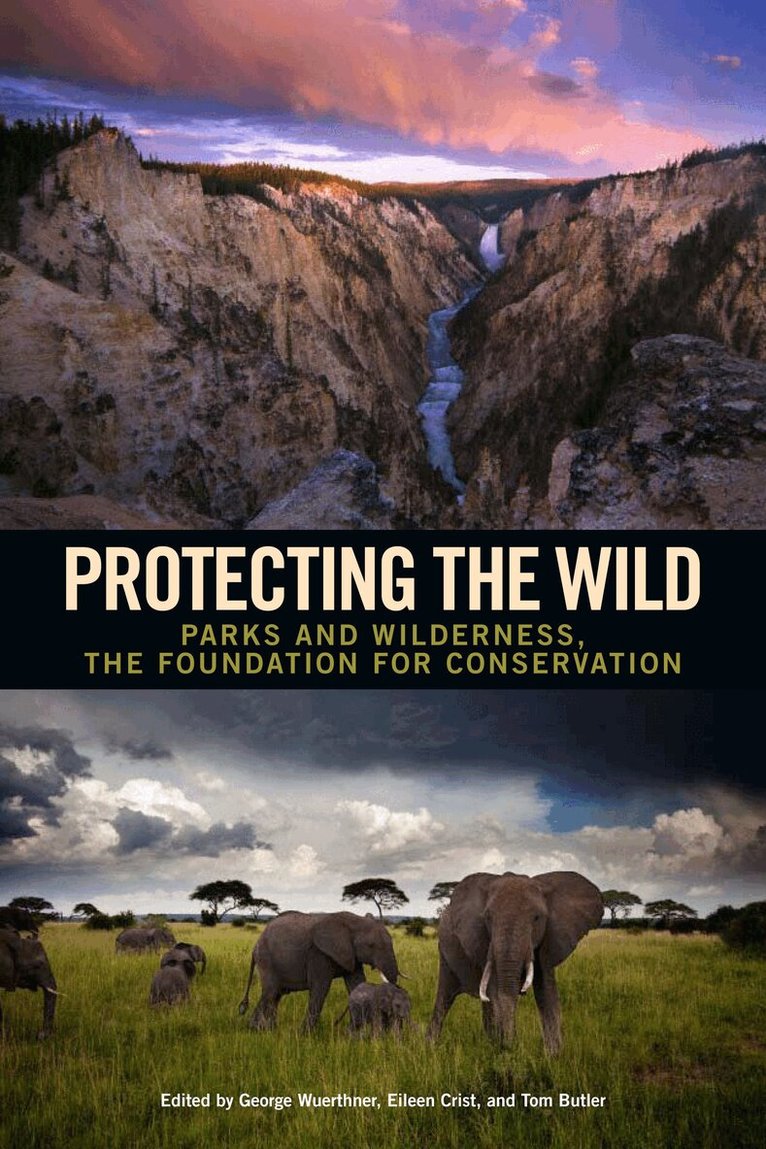
A big, bold vision for protected areas and re-wilding the Earth, this book presents a spirited argument on the future of conservation. Protected natural areas have historically been the primary tool of conservationists to conserve land and wildlife. These parks and reserves are set apart to forever remain in contrast to those places where human activities, technologies, and developments prevail. But even as the biodiversity crisis accelerates, a growing number of voices are suggesting that protected areas are passe. Conservation, they argue, should instead focus on lands managed for human use, working landscapes, and abandon the goal of preventing human-caused extinctions in favour of maintaining ecosystem services to support people. If such arguments take hold, we risk losing support for the unique qualities and values of wild, undeveloped nature. Protecting the Wild offers a spirited argument for the robust protection of the natural world. In it, experts from five continents reaffirm that parks, wilderness areas, and other reserves are an indispensable, albeit insufficient, means to sustain species, subspecies, key habitats, ecological processes and evolutionary potential.A companion volume to Keeping the Wild: Against the Domestication of Earth, Protecting the Wild provides a necessary addition to the conversation about the future of conservation in the so-called Anthropocene, one that will be useful for academics, policymakers, and conservation practitioners at all levels, from local land trusts to international NGOs.
244 kr
Skickas inom 7-10 vardagar
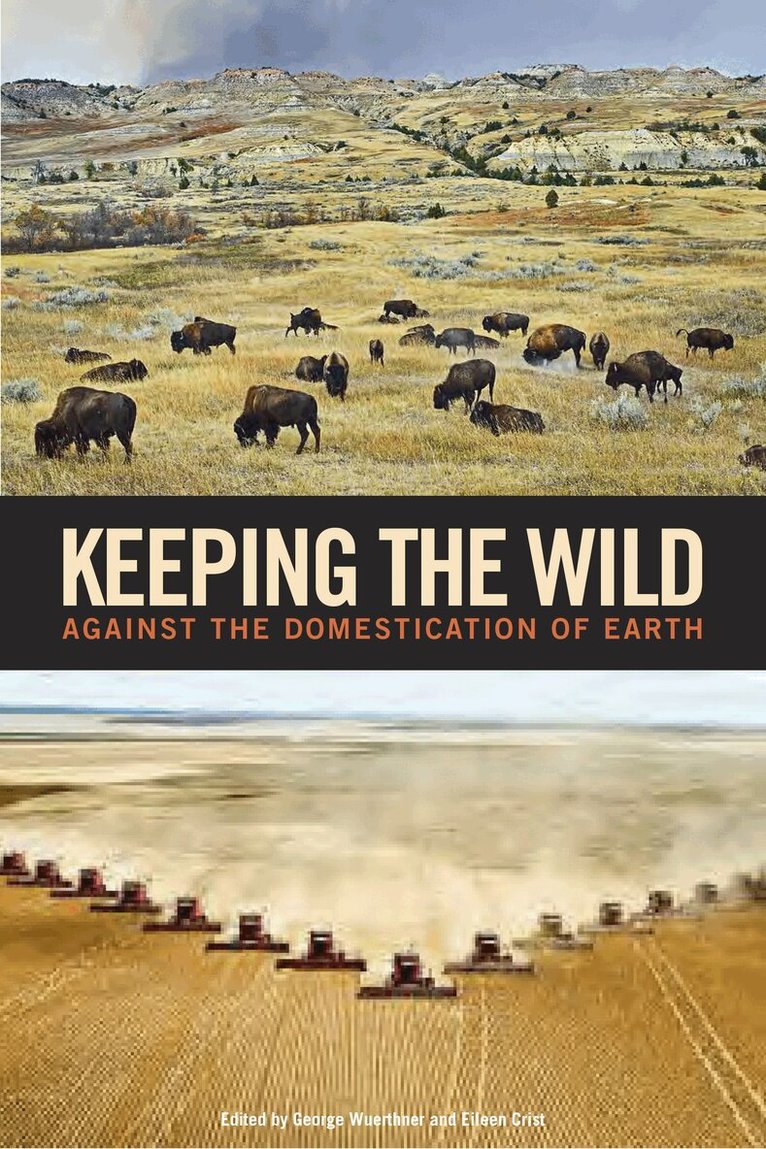
Is it time to embrace the so-called “Anthropocene”—the age of human dominion—and to abandon tried-and-true conservation tools such as parks and wilderness areas? Is the future of Earth to be fully domesticated, an engineered global garden managed by technocrats to serve humanity? The schism between advocates of rewilding and those who accept and even celebrate a “post-wild” world is arguably the hottest intellectual battle in contemporary conservation.In Keeping the Wild, a group of prominent scientists, writers, and conservation activists responds to the Anthropocene-boosters who claim that wild nature is no more (or in any case not much worth caring about), that human-caused extinction is acceptable, and that “novel ecosystems” are an adequate replacement for natural landscapes. With rhetorical fists swinging, the book’s contributors argue that these “new environmentalists” embody the hubris of the managerial mindset and offer a conservation strategy that will fail to protect life in all its buzzing, blossoming diversity.With essays from Eileen Crist, David Ehrenfeld, Dave Foreman, Lisi Krall, Harvey Locke, Curt Meine, Kathleen Dean Moore, Michael Soulé, Terry Tempest Williams and other leading thinkers, Keeping the Wild provides an introduction to this important debate, a critique of the Anthropocene boosters’ attack on traditional conservation, and unapologetic advocacy for wild nature.