Eileen M. Hunt - Böcker
Visar alla böcker från författaren Eileen M. Hunt. Handla med fri frakt och snabb leverans.
8 produkter
8 produkter
141 kr
Skickas inom 5-8 vardagar
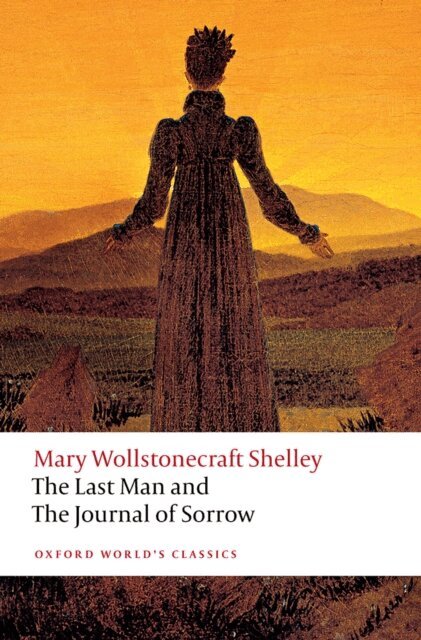
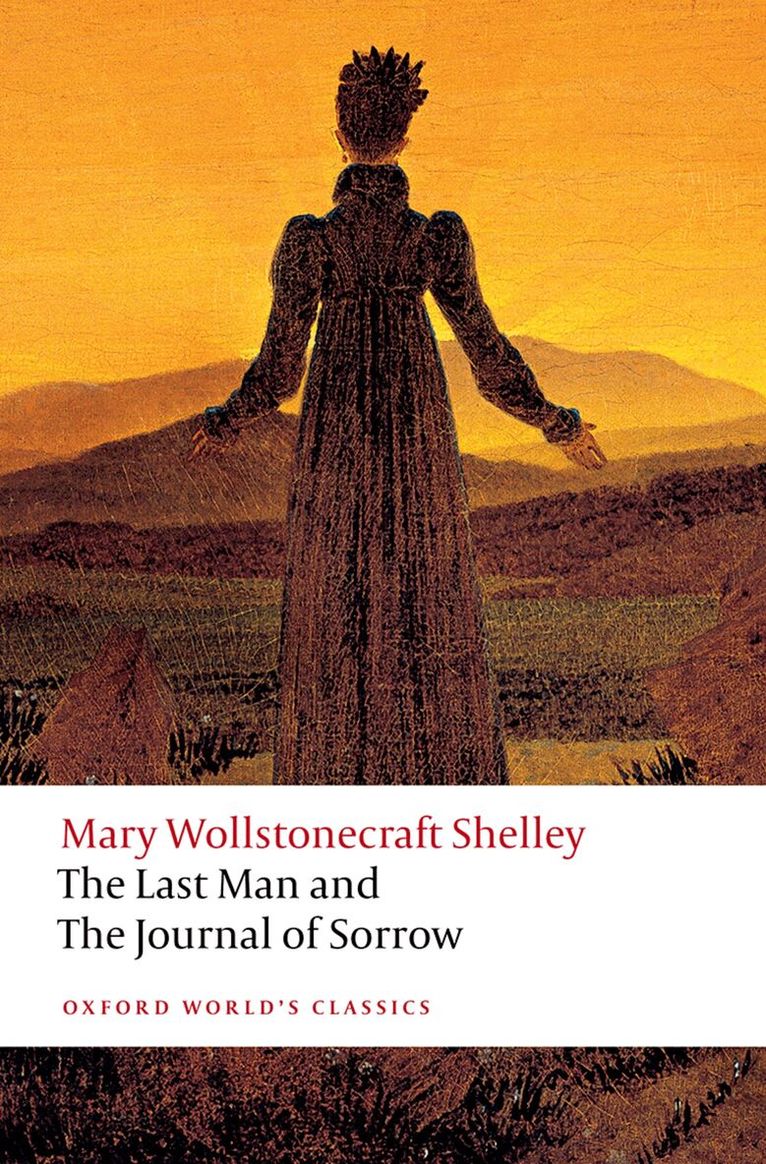
Mary Wollstonecraft Shelley began writing her 'Journal of Sorrow' (c.1822—6)three months after the devastating loss of her husband the poet Percy Bysshe Shelley to drowning. In the privacy of the diary's pages, she grapples with her overwhelming grief over the tragic losses of her young husband, three of their children, and their friend the poet Lord Byron. Shelley ultimately resisted a suicidal depression by throwing herself intowriting the allegorical plague novel and roman-à-clef, The Last Man(1826). Rooted in her own experiences of plagues both real and metaphorical, Shelley set The Last Man in the aftermath of a pestilential, centuries-longwar between Greece and Turkey in the late twenty-first century. The novelis an existential and political thought experiment which provokes themortal reader to contemplate the meaning of life and death in the face of the human-made disasters of war, epidemic, and species extinction. Through the ever-hopeful voice of the narrator Lionel Verney, the eponymous last man, Shelley leads readers to consider: what should be done after a massive global disaster?This edition presents these two masterpieces together, with a new editorial introduction and notes for both texts, giving readers profound insight into Shelley's enduring relevance for existential philosophy, life writing, post-apocalyptic literature, and political thought.ABOUT THE SERIES: For over 100 years Oxford World's Classics has made available the widest range of literature from around the globe. Each affordable volume reflects Oxford's commitment to scholarship, providing the most accurate text plus a wealth of other valuable features, including expert introductions by leading authorities, helpful notes to clarify the text, up-to-date bibliographies for further study, and much more.
Mary Shelley and the Rights of the Child
Political Philosophy in "Frankenstein"
Häftad, Engelska, 2019
361 kr
Skickas inom 10-15 vardagar
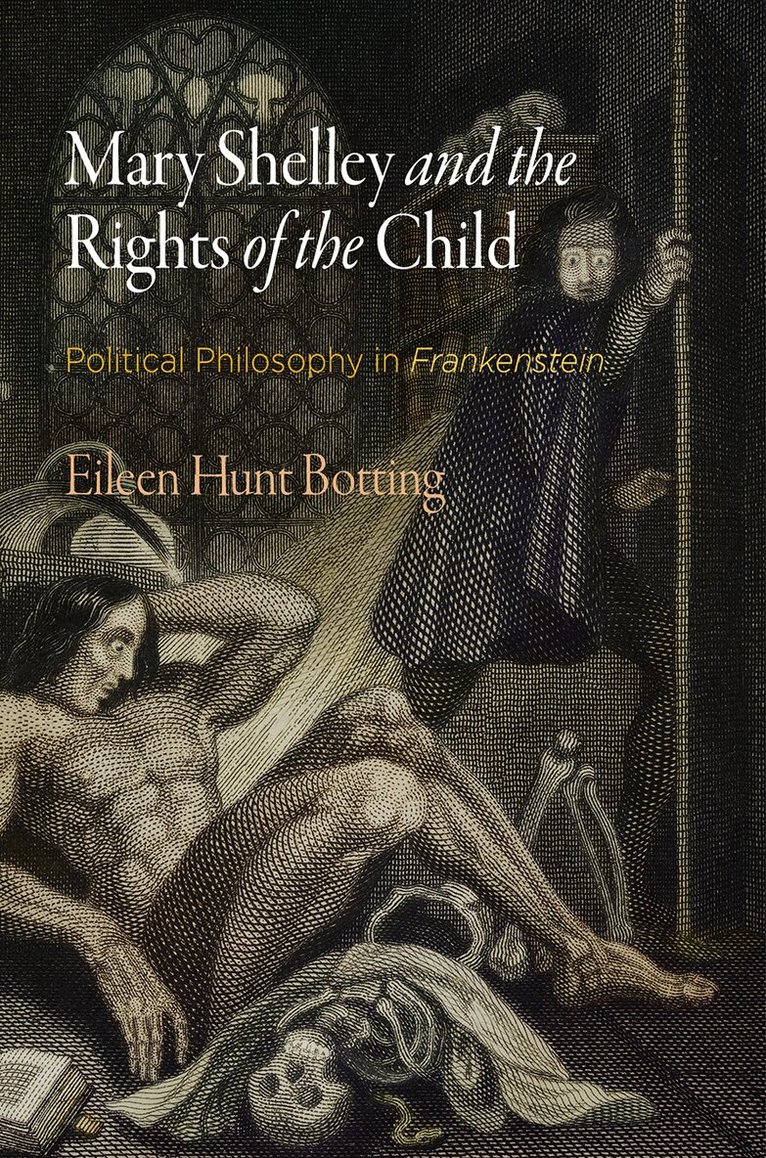
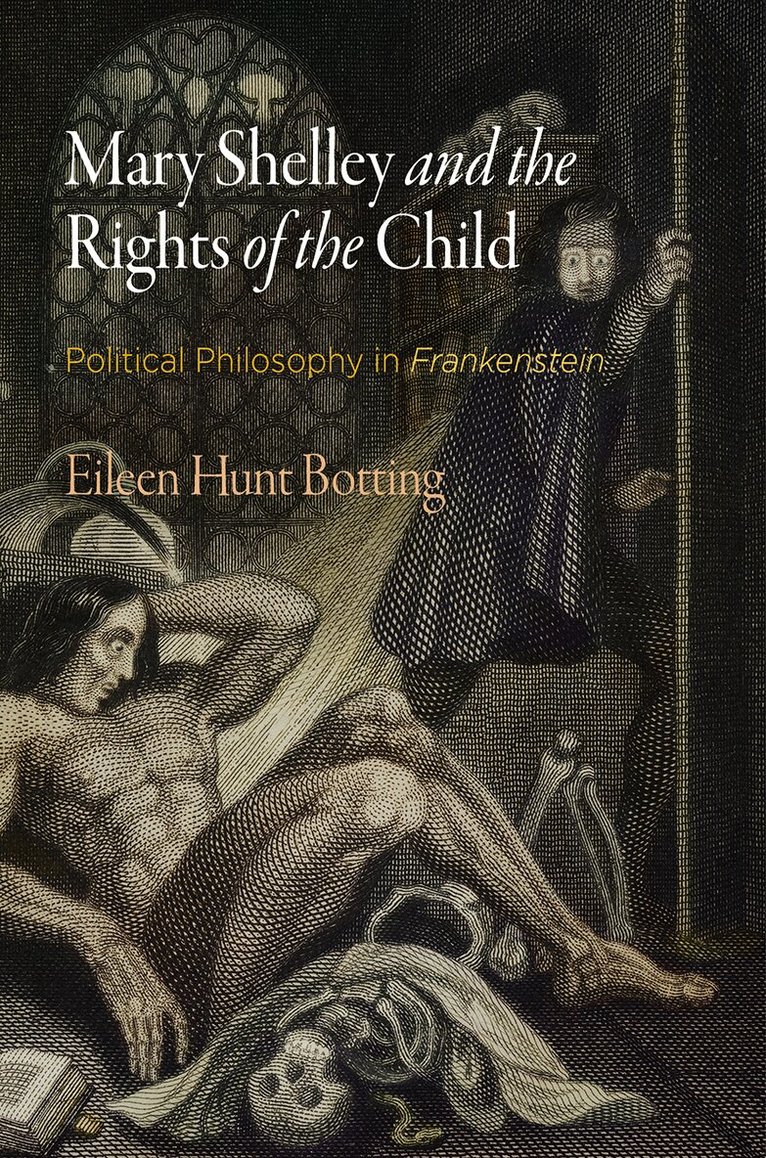
From her youth, Mary Shelley immersed herself in the social contract tradition, particularly the educational and political theories of John Locke and Jean-Jacques Rousseau, as well as the radical philosophies of her parents, the feminist Mary Wollstonecraft and the anarchist William Godwin. Against this background, Shelley wrote Frankenstein; or, the Modern Prometheus, first published in 1818. In the two centuries since, her masterpiece has been celebrated as a Gothic classic and its symbolic resonance has driven the global success of its publication, translation, and adaptation in theater, film, art, and literature. However, in Mary Shelley and the Rights of the Child, Eileen Hunt Botting argues that Frankenstein is more than an original and paradigmatic work of science fiction-it is a profound reflection on a radical moral and political question: do children have rights?Botting contends that Frankenstein invites its readers to reason through the ethical consequences of a counterfactual premise: what if a man had used science to create a human life without a woman? Immediately after the Creature's "birth," his scientist-father abandons him and the unjust and tragic consequences that follow form the basis of Frankenstein's plot. Botting finds in the novel's narrative structure a series of interconnected thought experiments that reveal how Shelley viewed Frankenstein's Creature for what he really was-a stateless orphan abandoned by family, abused by society, and ignored by law. The novel, therefore, compels readers to consider whether children have the right to the fundamental means for their development as humans-namely, rights to food, clothing, shelter, care, love, education, and community.In Botting's analysis, Frankenstein emerges as a conceptual resource for exploring the rights of children today, especially those who are disabled, stateless, or genetically modified by medical technologies such as three-parent in vitro fertilization and, perhaps in the near future, gene editing. Mary Shelley and the Rights of the Child concludes that the right to share love and community, especially with parents or fitting substitutes, belongs to all children, regardless of their genesis, membership, or social status.
Mary Shelley and the Rights of the Child
Political Philosophy in "Frankenstein"
Inbunden, Engelska, 2017
561 kr
Skickas inom 10-15 vardagar
From her youth, Mary Shelley immersed herself in the social contract tradition, particularly the educational and political theories of John Locke and Jean-Jacques Rousseau, as well as the radical philosophies of her parents, the feminist Mary Wollstonecraft and the anarchist William Godwin. Against this background, Shelley wrote Frankenstein; or, the Modern Prometheus, first published in 1818. In the two centuries since, her masterpiece has been celebrated as a Gothic classic and its symbolic resonance has driven the global success of its publication, translation, and adaptation in theater, film, art, and literature. However, in Mary Shelley and the Rights of the Child, Eileen Hunt Botting argues that Frankenstein is more than an original and paradigmatic work of science fiction-it is a profound reflection on a radical moral and political question: do children have rights?Botting contends that Frankenstein invites its readers to reason through the ethical consequences of a counterfactual premise: what if a man had used science to create a human life without a woman? Immediately after the Creature's "birth," his scientist-father abandons him and the unjust and tragic consequences that follow form the basis of Frankenstein's plot. Botting finds in the novel's narrative structure a series of interconnected thought experiments that reveal how Shelley viewed Frankenstein's Creature for what he really was-a stateless orphan abandoned by family, abused by society, and ignored by law. The novel, therefore, compels readers to consider whether children have the right to the fundamental means for their development as humans-namely, rights to food, clothing, shelter, care, love, education, and community.In Botting's analysis, Frankenstein emerges as a conceptual resource for exploring the rights of children today, especially those who are disabled, stateless, or genetically modified by medical technologies such as three-parent in vitro fertilization and, perhaps in the near future, gene editing. Mary Shelley and the Rights of the Child concludes that the right to share love and community, especially with parents or fitting substitutes, belongs to all children, regardless of their genesis, membership, or social status.
595 kr
Skickas inom 10-15 vardagar
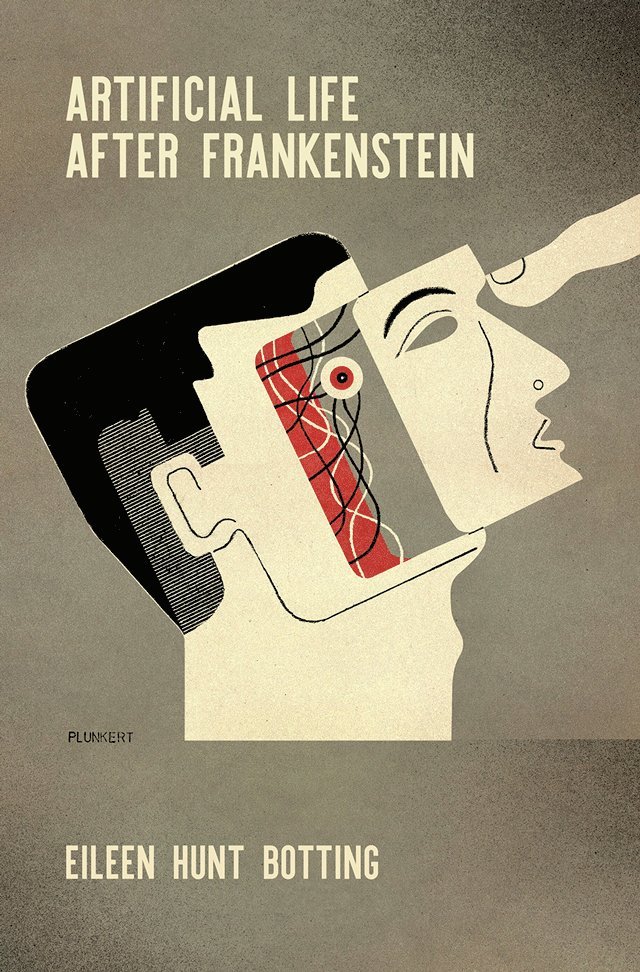
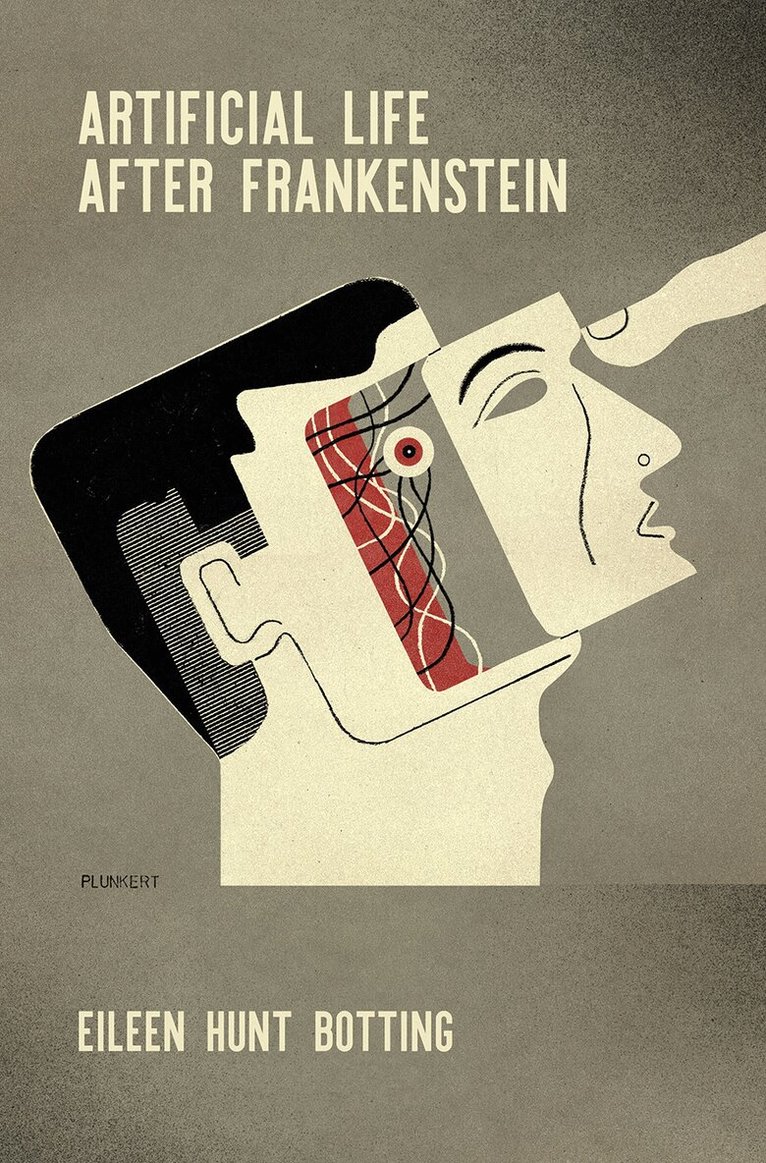
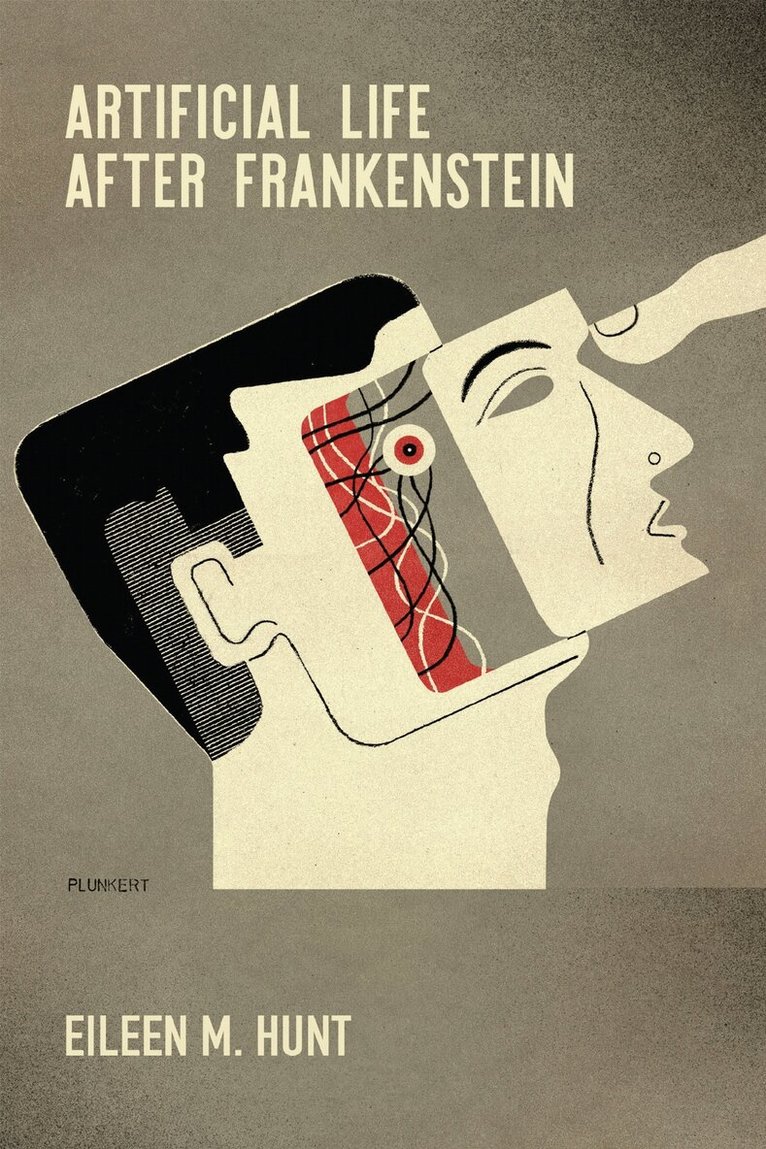
Artificial Life After Frankenstein brings the insights born of Mary Shelley's legacy to bear upon the ethics and politics of making artificial life and intelligence in the twenty-first century.What are the obligations of humanity to the artificial creatures we make? And what are the corresponding rights of those creatures, whether they are learning machines or genetically modified organisms? In seeking ways to respond to these questions, so vital for our age of genetic engineering and artificial intelligence, we would do well to turn to the capacious mind and imaginative genius of Mary Wollstonecraft Shelley (1797-1851). Shelley's novels Frankenstein; or, The Modern Prometheus (1818) and The Last Man (1826) precipitated a modern political strain of science fiction concerned with the ethical dilemmas that arise when we make artificial life-and make life artificial-through science, technology, and other forms of cultural change.In Artificial Life After Frankenstein, Eileen Hunt Botting puts Shelley and several classics of modern political science fiction into dialogue with contemporary political science and philosophy, in order to challenge some of the apocalyptic fears at the fore of twenty-first-century political thought on AI and genetic engineering. Focusing on the prevailing myths that artificial forms of life will end the world, destroy nature, and extinguish love, Botting shows how Shelley modeled ways to break down and transform the meanings of apocalypse, nature, and love in the face of widespread and deep-seated fear about the power of technology and artifice to undermine the possibility of humanity, community, and life itself.Through their explorations of these themes, Mary Shelley and authors of modern political science fiction from H. G. Wells to Nnedi Okorafor have paved the way for a techno-political philosophy of living with the artifice of humanity in all of its complexity. In Artificial Life After Frankenstein, Botting brings the insights born of Shelley's legacy to bear upon the ethics and politics of making artificial life and intelligence in the twenty-first century.
438 kr
Skickas inom 10-15 vardagar
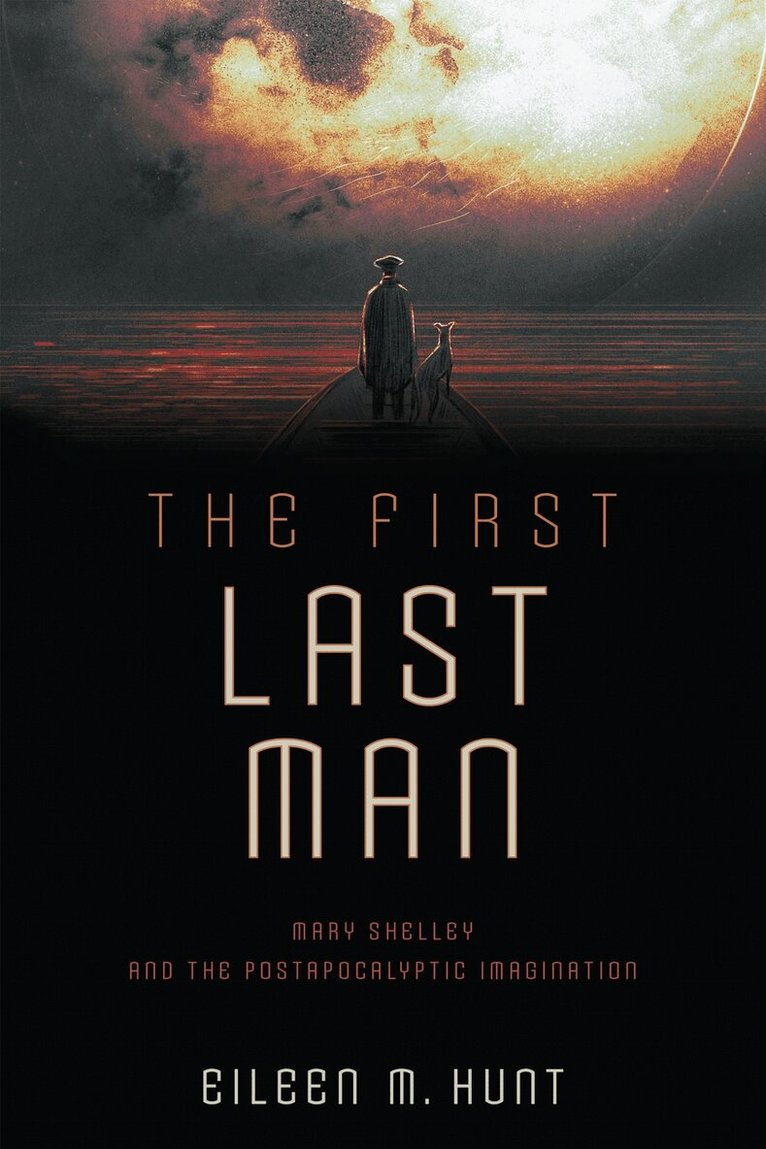
Beyond her most famous creation—the nightmarish vision of Frankenstein's Creature—Mary Shelley's most enduring influence on politics, literature, and art perhaps stems from the legacy of her lesser-known novel about the near-extinction of the human species through war, disease, and corruption. This novel, The Last Man (1826), gives us the iconic image of a heroic survivor who narrates the history of an apocalyptic disaster in order to save humanity—if not as a species, then at least as the practice of compassion or humaneness. In visual and musical arts from 1826 to the present, this postapocalyptic figure has transmogrified from the "last man" into the globally familiar filmic images of the "invisible man" and the "final girl."Reading Shelley's work against the background of epidemic literature and political thought from ancient Greece to Covid-19, Eileen M. Hunt reveals how Shelley's postapocalyptic imagination has shaped science fiction and dystopian writing from H. G. Wells, M. P. Shiel, and George Orwell to Octavia Butler, Margaret Atwood, and Emily St. John Mandel. Through archival research into Shelley's personal journals and other writings, Hunt unearths Shelley's ruminations on her own personal experiences of loss, including the death of young children in her family to disease and the drowning of her husband, Percy Bysshe Shelley. Shelley's grief drove her to intensive study of Greek tragedy, through which she developed the thinking about plague, conflict, and collective responsibility that later emerges in her fiction. From her readings of classic works of plague literature to her own translation of Sophocles's Oedipus Rex, and from her authorship of the first major modern pandemic novel to her continued influence on contemporary popular culture, Shelley gave rise to a tradition of postapocalyptic thought that asks a question that the Covid-19 pandemic has made newly urgent for many: What do humans do after disaster?
6 483 kr
Skickas inom 7-10 vardagar
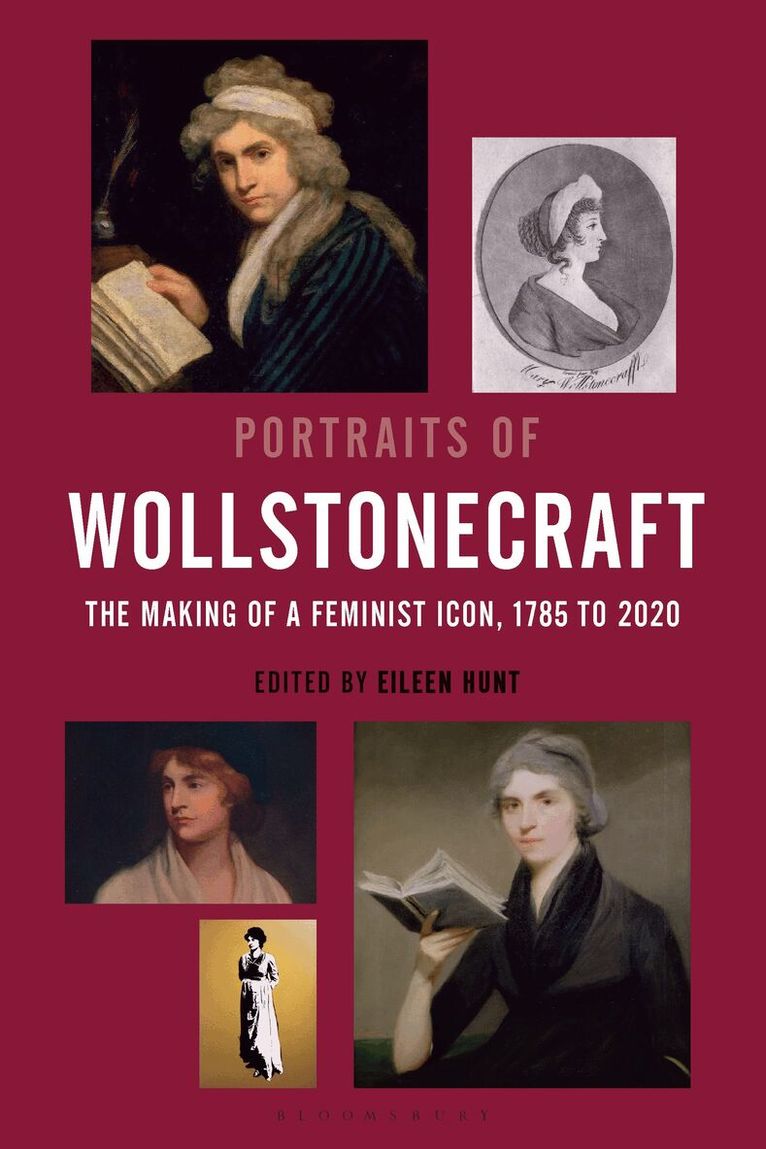
Selected as one of The Tablet’s Books of the Year 2021Mary Wollstonecraft’s watershed contribution to theories of women’s human rights and her international reception by both Western and non-Western intellectuals has ensured she continues to shape contemporary human rights debates around the world. Bringing together over 100 individual responses to Wollstonecraft's life and work, Portraits of Wollstonecraft documents her international and cross-cultural reception from the late 18th-century to the early 21st-century.Reflecting on over two centuries of responses to her political ideas, writing, and philosophy, it counters the persistent myth that she ceased to be read in the aftermath of the publication of her husband William Godwin’s scandalous posthumous Memoirs of her life in 1798. Beginning with her earliest portraiture and the first reviews of her published writings from the late 1780s, Volume I traces her emergence as an international public figure of women’s rights in her life, work, and philosophical, literary, and artistic reception throughout Britain, Ireland, Continental Europe, North and South America, and across the British Empire and its former colonies from Jamaica to India to South Africa. Volume II focuses on Wollstonecraft’s posthumous philosophical, literary, and artistic reception, especially within modern strands of feminism, by assembling responses from China, Japan, and South Korea as well as writing by Mary Shelley, Emma Goldman, Ruth Benedict, Virginia Woolf, Simone de Beauvoir, Betty Friedan, Susan Moller Okin, Barbara Johnson, Martha Nussbaum, and Amartya Sen that discusses her theories of virtue, love, gender, education, and rights.Bringing to light many forgotten accounts and images of Wollstonecraft, pieces by major thinkers from across the history of philosophy, and 31 annotated illustrations showing her development into a feminist icon, Portraits of Wollstonecraft achieves what no other work on Wollstonecraft has yet to do. This comprehensive collection charts the depth and breadth of her legacies for philosophy, political theory, ethics, literature, art, and feminism on a global scale.
1 324 kr
Skickas inom 7-10 vardagar
One of The Tablet's Books of the Year 2021Portraits of Wollstonecraft collects and introduces 102 texts and artifacts that document Mary Wollstonecraft's public reception in art, literature, philosophy and feminist politics. Each portrait is a milestone in her depiction in culture. From William Blake’s 1803 poem ‘Mary’ to Maggi Hambling's contentious sculpture in 2020, these sources validate the monumental place Wollstonecraft holds in not just one but many canons. The color images in Part I: Public Sightings trace her earliest reception in portraiture, from 1785 to 1804, with detailed analysis paired with each of the illustrations. Arranged chronologically, these landmark images are followed by the reviews of Wollstonecraft's books that appeared during her lifetime in Jamaica, Madrid, Amsterdam and London. Part II: Global Afterlives, examines her multifarious posthumous reception and features diary entries, excerpts from English-language biographies, letters, articles and introductions to her books. From Olive Schreiner's introduction to the Rights of Women composed in Cape Town in 1889 to the translator’s preface to the first Czech edition of A Vindication of the Rights of Woman in 1904, they showcase an impressive sweep of cross-cultural perspectives on her life and writings. The sources in Part III: Making an International Icon chart the depth and breadth of her legacies on a global scale. Feminists, philosophers, and social scientists—from Ruth Benedict to Virginia Sapiro to Amartya Sen—have written and spoken with conviction about the emotional power of looking into the eyes of the author of the Rights of Woman. This section includes major thinkers from across the 19th and 20th centuries who responded to Wollstonecraft's theories on virtue, love, gender, education, and rights: Mary Shelley, Emma Goldman, Virginia Woolf, Simone de Beauvoir, Betty Friedan, Susan Moller Okin, Barbara Johnson and Martha Nussbaum.We see how Wollstonecraft gained traction in feminist politics, both as a philosopher and as a transcultural icon of the cause, beginning with English suffragist Millicent Fawcett’s centennial edition of the Rights of Woman in 1891 and extending through feminist art in The Paris Review during the age of #MeToo. Assembling responses from Ireland, Continental Europe, North and South America and across the former colonies of the British Empire, this one-of-a-kind collection tells a compelling story of Wollstonecraft's watershed contributions to human rights debates throughout the modern and contemporary world.
257 kr
Skickas inom 7-10 vardagar
Artificial Life After Frankenstein brings the insights born of Mary Shelley's legacy to bear upon the ethics and politics of making artificial life and intelligence in the twenty-first century.What are the obligations of humanity to the artificial creatures we make? And what are the corresponding rights of those creatures, whether they are learning machines or genetically modified organisms? In seeking ways to respond to these questions, so vital for our age of genetic engineering and artificial intelligence, we would do well to turn to the capacious mind and imaginative genius of Mary Wollstonecraft Shelley (1797-1851). Shelley's novels Frankenstein; or, The Modern Prometheus (1818) and The Last Man (1826) precipitated a modern political strain of science fiction concerned with the ethical dilemmas that arise when we make artificial life-and make life artificial-through science, technology, and other forms of cultural change.In Artificial Life After Frankenstein, Eileen Hunt Botting puts Shelley and several classics of modern political science fiction into dialogue with contemporary political science and philosophy, in order to challenge some of the apocalyptic fears at the fore of twenty-first-century political thought on AI and genetic engineering. Focusing on the prevailing myths that artificial forms of life will end the world, destroy nature, and extinguish love, Botting shows how Shelley modeled ways to break down and transform the meanings of apocalypse, nature, and love in the face of widespread and deep-seated fear about the power of technology and artifice to undermine the possibility of humanity, community, and life itself.Through their explorations of these themes, Mary Shelley and authors of modern political science fiction from H. G. Wells to Nnedi Okorafor have paved the way for a techno-political philosophy of living with the artifice of humanity in all of its complexity. In Artificial Life After Frankenstein, Botting brings the insights born of Shelley's legacy to bear upon the ethics and politics of making artificial life and intelligence in the twenty-first century.