Elisabeth King – författare
Visar alla böcker från författaren Elisabeth King. Handla med fri frakt och snabb leverans.
4 produkter
4 produkter
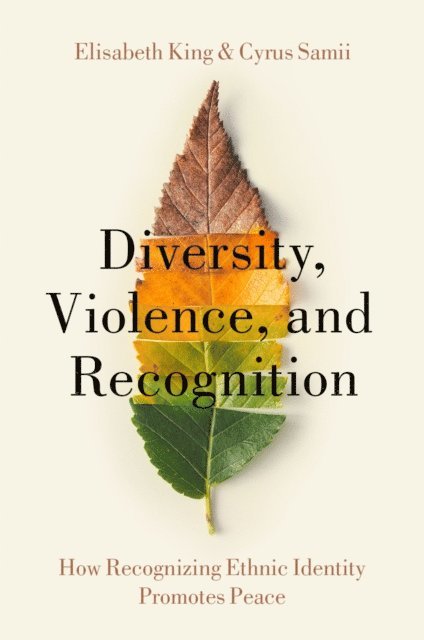
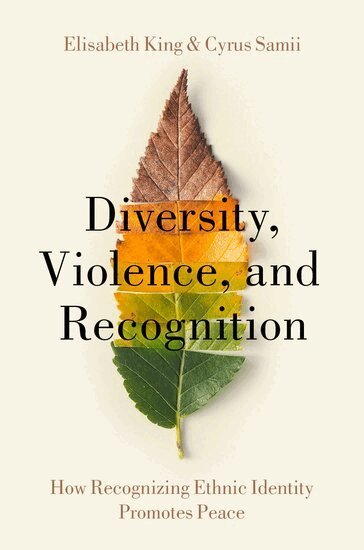
Diversity, Violence, and Recognition
How recognizing ethnic identity promotes peace
Inbunden, Engelska, 2020
1 252 kr
Skickas inom 5-8 vardagar
When considering strategies to address violent conflict, scholars and policymakers debate the wisdom of recognizing versus avoiding reference to ethnic identities in government institutions. In Diversity, Violence, and Recognition, Elisabeth King and Cyrus Samii examine the reasons that governments choose to recognize ethnic identities and the consequences of such choices for peace. The authors introduce a theory on the merits and risks of recognizing ethnic groups in state institutions, pointing to the crucial role of ethnic demographics. Through a global quantitative analysis and in-depth case studies of Burundi, Rwanda, and Ethiopia, they find promise in recognition. Countries that adopt recognition go on to experience less violence, more economic vitality, and more democratic politics, but these effects depend on which ethnic group is in power. King and Samii's findings are important for scholars studying peace, democracy, and development, and practically relevant to policymakers attempting to make these concepts a reality.
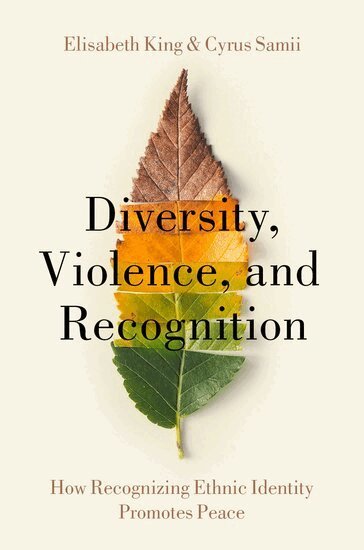
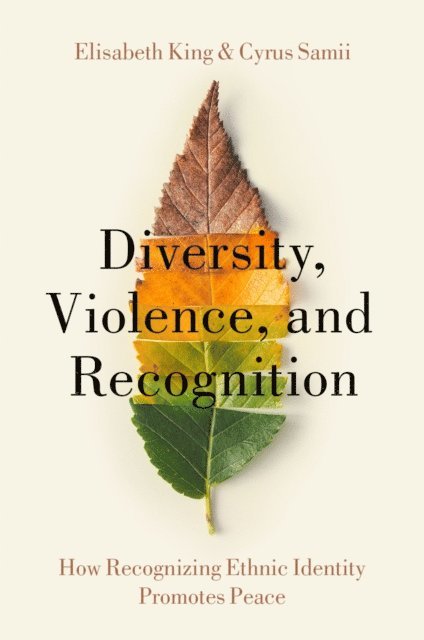
Diversity, Violence, and Recognition
How recognizing ethnic identity promotes peace
Häftad, Engelska, 2020
424 kr
Skickas inom 5-8 vardagar
When considering strategies to address violent conflict, scholars and policymakers debate the wisdom of recognizing versus avoiding reference to ethnic identities in government institutions. In Diversity, Violence, and Recognition, Elisabeth King and Cyrus Samii examine the reasons that governments choose to recognize ethnic identities and the consequences of such choices for peace. The authors introduce a theory on the merits and risks of recognizing ethnic groups in state institutions, pointing to the crucial role of ethnic demographics. Through a global quantitative analysis and in-depth case studies of Burundi, Rwanda, and Ethiopia, they find promise in recognition. Countries that adopt recognition go on to experience less violence, more economic vitality, and more democratic politics, but these effects depend on which ethnic group is in power. King and Samii's findings are important for scholars studying peace, democracy, and development, and practically relevant to policymakers attempting to make these concepts a reality.
1 210 kr
Skickas inom 7-10 vardagar
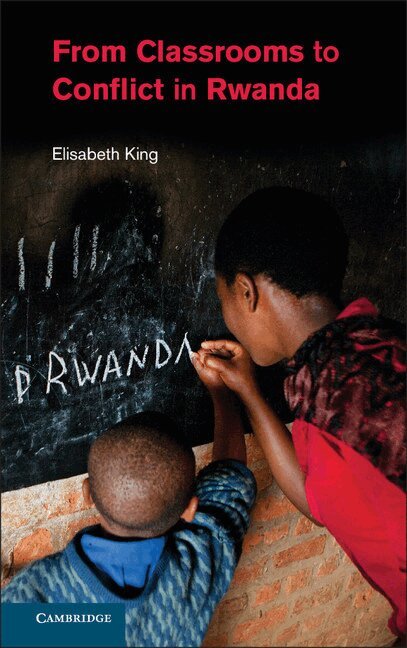
This book questions the conventional wisdom that education builds peace by exploring the ways in which ordinary schooling can contribute to intergroup conflict. Based on fieldwork and comparative historical analysis of Rwanda, it argues that from the colonial period to the genocide, schooling was a key instrument of the state in contributing to the construction, awareness, collectivization and inequality of ethnic groups in Rwanda - all factors that underlay conflict. The book further argues that today's post-genocide schools are dangerously replicating past trends. This book is the first to offer an in-depth study of education in Rwanda and to analyze its role in the genesis of conflict. The book demonstrates that to build peace, we cannot simply prescribe more education, but must understand who has access to schools, how schools are set up, and what and how they teach.
404 kr
Skickas inom 7-10 vardagar
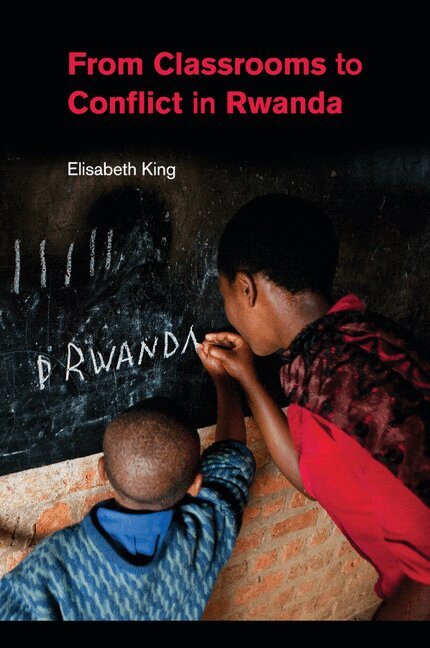
This book questions the conventional wisdom that education builds peace by exploring the ways in which ordinary schooling can contribute to intergroup conflict. Based on fieldwork and comparative historical analysis of Rwanda, it argues that from the colonial period to the genocide, schooling was a key instrument of the state in contributing to the construction, awareness, collectivization and inequality of ethnic groups in Rwanda - all factors that underlay conflict. The book further argues that today's post-genocide schools are dangerously replicating past trends. This book is the first to offer an in-depth study of education in Rwanda and to analyze its role in the genesis of conflict. The book demonstrates that to build peace, we cannot simply prescribe more education, but must understand who has access to schools, how schools are set up, and what and how they teach.