Elisabeth Olivius - Böcker
Visar alla böcker från författaren Elisabeth Olivius. Handla med fri frakt och snabb leverans.
3 produkter
3 produkter
408 kr
Skickas
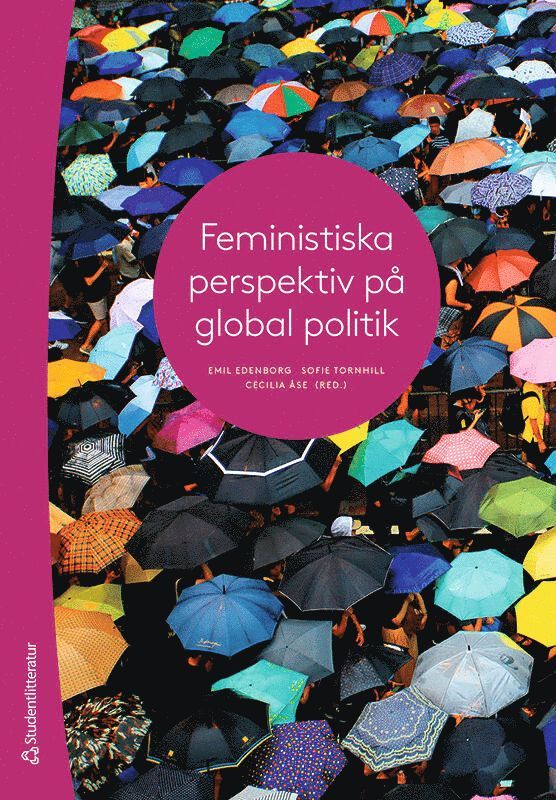
Klimatkris, högerpopulism, systematiskt våld och ojämlika livsvillkor världen över. Feministiska perspektiv på global politik visar att feministisk forskning ger oss verktyg för att analysera dessa brännande politiska problem. När vi ställer frågor om kön och undersöker maktordningar som innefattar sexualitet, klass, ras och nation, ökar kunskapen om hur hierarkier och orättvisor skapas och kan utmanas.Inom ramen för fem teman - klimatpolitik och hållbarhet, institutioner och styrning, ekonomi och arbete, transnationell mobilisering och aktivism samt krig, våld och militarisering - presenteras centrala feministiska teorier genom nedslag i aktuell forskning. Dessutom ingår ett kapitel som ger vägledning i att genomföra egna studier av global politik. Boken riktar sig till studenter i ämnen som genusvetenskap, statsvetenskap och internationella relationer och alla andra som är intresserade av globala frågor.
Del 17 - Gendering Asia
Waves of Upheaval in Myanmar: Gendered Transformations and Political Transitions
Häftad, Engelska, 2023
296 kr
Skickas inom 7-10 vardagar
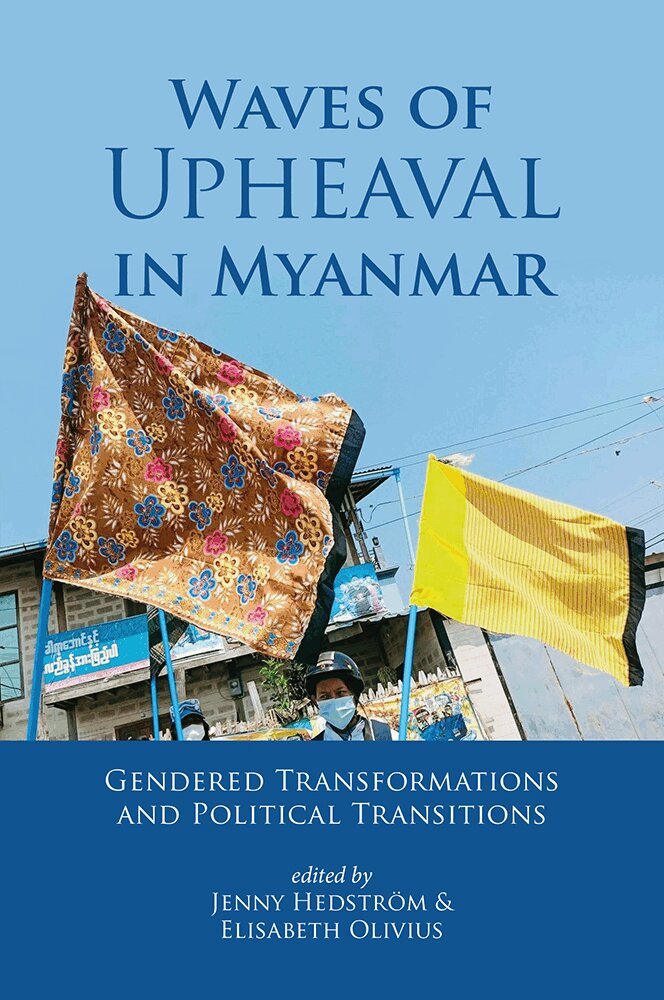
This is the first comprehensive account of the multifaceted processes of gendered transformation that took place in Myanmar between 2011 and 2021, and which continues to shape events today. The period began with the end of direct military rule and the transition to a hybrid, semi-democratic regime, precipitating far-reaching political, economic and social changes across Myanmar. To date, the gendered dynamics and effects of this transition have not yet received sustained scholarly attention. Remedying this gap, this book provides a much-needed historical corrective through a careful, nuanced analysis of the gendered dynamics of transitional politics, institutions and policymaking; feminist resistance, mobilization, and movement building; and their effects on labor, land, and everyday lives. Although the February 2021 military coup brought an end to this decade of experimentation and transition, in the richness of its analysis and detail, the book offers a deeper understanding of the current political situation in Myanmar. The gendered changes that the transition brought about have shaped both the current configuration of masculinized, military dictatorship, as well as the unprecedented role played by women in resistance to military rule after the 2021 coup. This analysis of the gendered dynamics and effects of the recent decade of political transition in Myanmar is therefore critical for understanding current events, as well as the ways in which Myanmar’s political landscape might continue to be reshaped.
Building Peace, creating conflict? : conflictual dimensions of local and international peacebuilding
Inbunden, Engelska, 2011
212 kr
Skickas
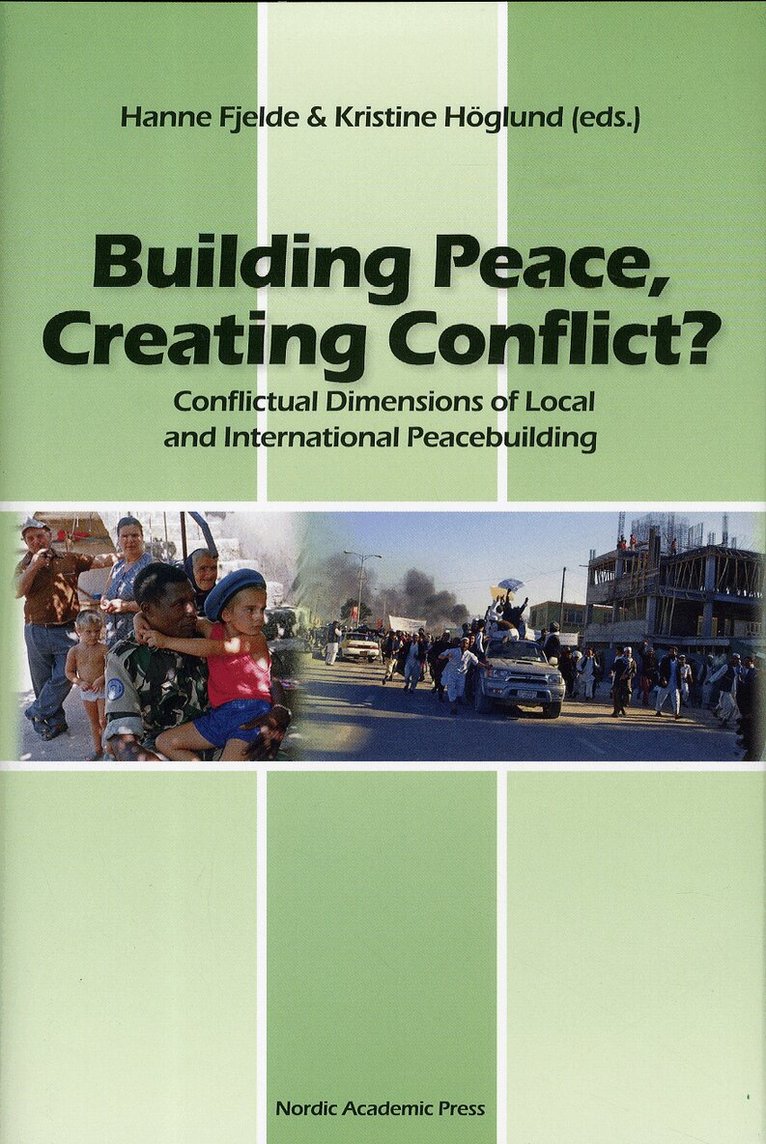
One of the most significant challenges facing the international community today is how to secure stability and rebuild societies emerging from civil wars. International peace-building missions have been deployed in a range of countries emerging from civil war. The empirical record of international efforts to advance peace has been mixed. While some post-war countries have made significant strides towards peace and democracy, other countries have experienced a return to war. In yet other cases the outcome has been a partial implementation of peace where new conflicts have been generated in the process. In Building Peace, Creating Conflict? a group of experts discuss the conflictual dimensions of peace-building. The authors specialize in various aspects and cover several themes such as frozen conflicts and unending peace processes; the efficiency of peacekeeping operations in promoting democracy, and individual and collective dimensions of justice and reconciliation. Contributors: Karin Aggestam, Department of Political Science, Lund University Annika Björkdahl, Department of Political Science, Lund University Hanne Fjelde, Department of Peace and Conflict Research, Uppsala University Linnéa Gelot, School of Global Studies & Centre of Globalization and Development, University of Gothenburg Birger Heldt, Folke Bernadotte Academy, Stockholm Kristine Höglund, Department of Peace and Conflict Research, Uppsala University Anna K. Jarstad, Folke Bernadotte Academy & Department of Government, Uppsala University Roland Kosti, Hugo Valentin Centre, Uppsala University Johanna Mannergren Selimovic, Swedish Institute of International Affairs, Stockholm Elisabeth Olivius, Department of Political Science & Umeå Centre for Gender Studies, Umeå University Louise Olsson, Folke Bernadotte Academy, Stockholm Fredrik Söderbaum, School of Global Studies (SGS), University of Gothenburg