Elise M. Edwards - Böcker
Visar alla böcker från författaren Elise M. Edwards. Handla med fri frakt och snabb leverans.
3 produkter
3 produkter
3 264 kr
Skickas inom 10-15 vardagar
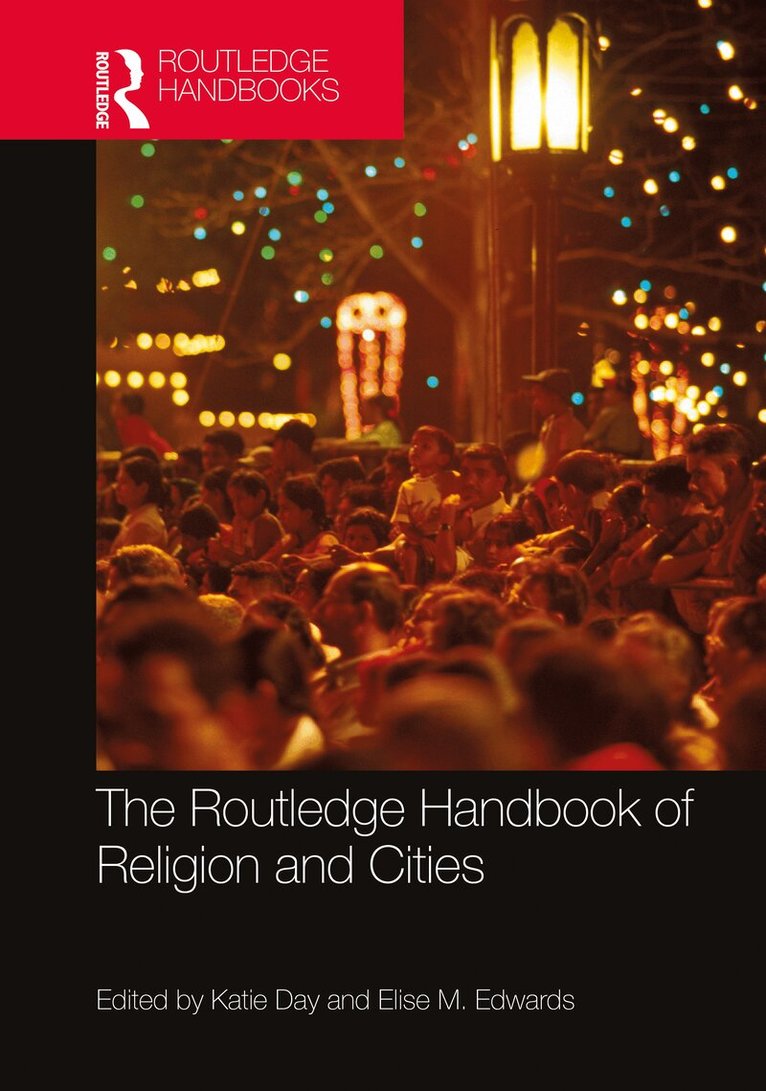
Like an ecosystem, cities develop, change, thrive, adapt, expand, and contract through the interaction of myriad components. Religion is one of those living parts, shaping and being shaped by urban contexts. The Routledge Handbook of Religion and Cities is an outstanding interdisciplinary reference source to the key topics, problems, and methodologies of this cutting-edge subject. Representing a diverse array of cities and religions, the common analytical approach is ecological and spatial. It is the first collection of its kind and reflects state-of-the-art research focusing on the interaction of religions and their urban contexts. Comprising 29 chapters, by a team of international contributors, the Handbook is divided into three parts: Research methodologies Religious frameworks and ideologies in urban contexts Contemporary issues in religion and cities Within these sections, emerging research and analysis of current dynamics of urban religions are examined, including: housing, economics, and gentrification; sacred ritual and public space; immigration and the refugee crisis; political conflicts and social change; ethnic and religious diversity; urban policy and religion; racial justice; architecture and the built environment; religious art and symbology; religion and urban violence; technology and smart cities; the challenge of climate change for global cities; and religious meaning-making of the city.The Routledge Handbook of Religion and Cities is essential reading for students and researchers in religious studies and urban studies. The Handbook will also be very useful for those in related fields, such as sociology, history, architecture, urban planning, theology, social work, and cultural studies.
685 kr
Skickas inom 10-15 vardagar
Like an ecosystem, cities develop, change, thrive, adapt, expand, and contract through the interaction of myriad components. Religion is one of those living parts, shaping and being shaped by urban contexts. The Routledge Handbook of Religion and Cities is an outstanding interdisciplinary reference source to the key topics, problems, and methodologies of this cutting-edge subject. Representing a diverse array of cities and religions, the common analytical approach is ecological and spatial. It is the first collection of its kind and reflects state-of-the-art research focusing on the interaction of religions and their urban contexts. Comprising 29 chapters, by a team of international contributors, the Handbook is divided into three parts: Research methodologies Religious frameworks and ideologies in urban contexts Contemporary issues in religion and cities Within these sections, emerging research and analysis of current dynamics of urban religions are examined, including: housing, economics, and gentrification; sacred ritual and public space; immigration and the refugee crisis; political conflicts and social change; ethnic and religious diversity; urban policy and religion; racial justice; architecture and the built environment; religious art and symbology; religion and urban violence; technology and smart cities; the challenge of climate change for global cities; and religious meaning-making of the city.The Routledge Handbook of Religion and Cities is essential reading for students and researchers in religious studies and urban studies. The Handbook will also be very useful for those in related fields, such as sociology, history, architecture, urban planning, theology, social work, and cultural studies.
1 142 kr
Skickas inom 10-15 vardagar
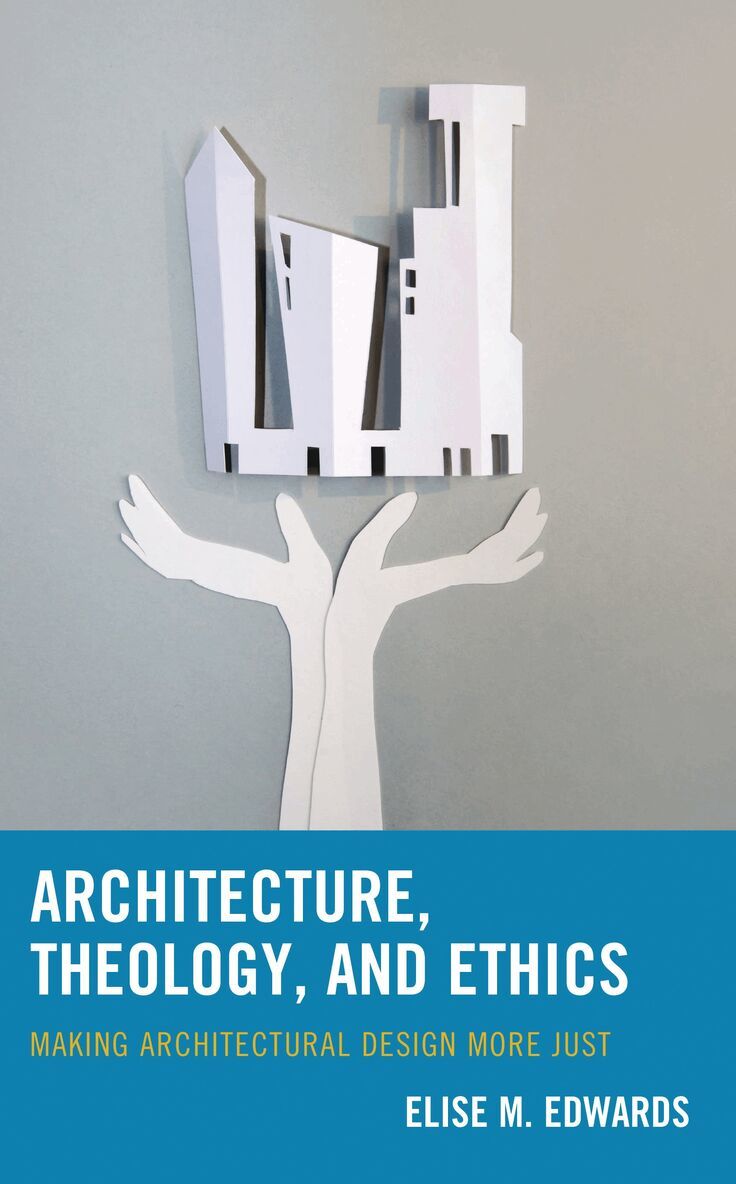
Architecture, Theology, and Ethics: Making Architectural Design More Just argues that architecture, design, and creativity are theological-ethical concerns that ought to be considered more deeply by Christians who are committed to social and environmental justice. Elise M. Edwards discusses the significance of architectural design, entering into ongoing conversations in theological ethics and aesthetics. She argues that architectural design is not just a professional practice for wealthy clients, but rather an activity that everyday people undertake when making choices that shape the spaces they inhabit. If Christians think theologically about their agency in these decisions, they will discover that architectural design becomes an opportunity to contribute to the flourishing for humanity and God’s creation. Edwards proposes an approach to architectural design that presents it as prophetic action with the power to shape our world. This book then presents five moral commitments that guide design intentions and the process of design towards justice and inclusion. Grounded in liberationist, feminist, and womanist thought, Architecture, Theology, and Ethics makes a compelling case for architecture’s relevance to Christian ethics and theology.