Ellen Daugherty - Böcker
Visar alla böcker från författaren Ellen Daugherty. Handla med fri frakt och snabb leverans.
2 produkter
2 produkter
389 kr
Skickas inom 7-10 vardagar
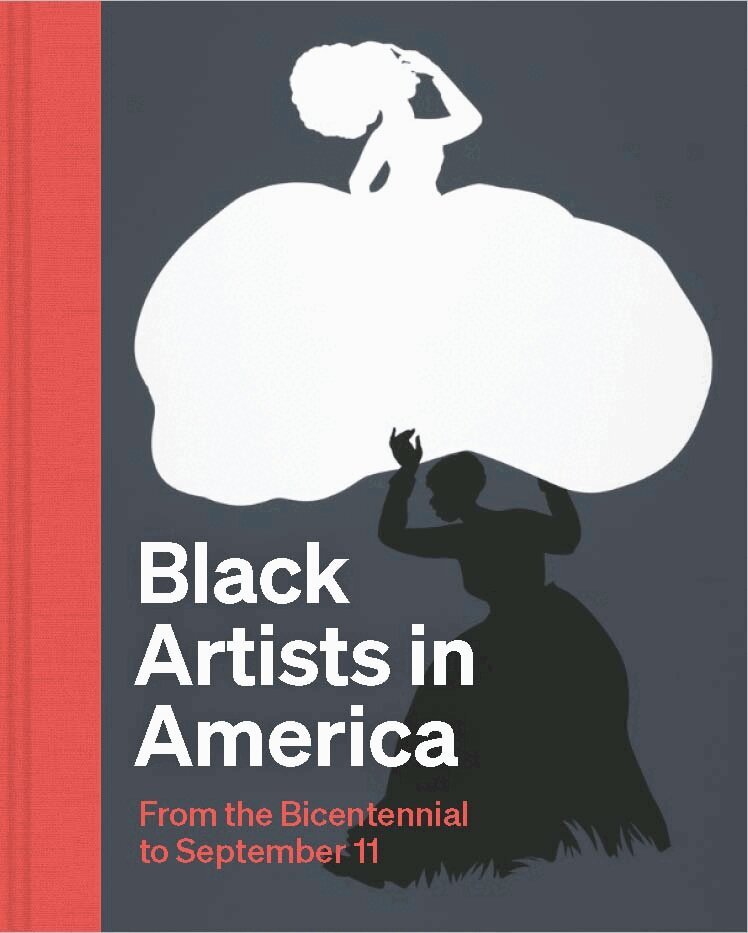
This third and final volume in the Black Artists in America series features work from the transitional moment of the late 1970s to the dawn of the twenty-first century In the 1980s and 1990s, Black artists in the United States who came of age during the civil rights activity of the preceding decades began experimenting with new media and innovative approaches to artmaking, often as a way of questioning long-held inequities in the art world and in American society. Artists such as Jean-Michel Basquiat, Romare Bearden, Elizabeth Catlett, Sam Gilliam, Glenn Ligon, Faith Ringgold, Kara Walker, Carrie Mae Weems, and many others created works that celebrated their racial identity and fought exclusion and prejudices in the establishment. This book considers the ways that the artists of this generation challenged cultural, environmental, political, racial, and social issues of the last decades of the twentieth century. Black Artists in America: From the Bicentennial to September 11 is the final volume in the three-volume series that traces how Black artists have responded to the social issues of their time. Beautifully illustrated with 150 paintings, sculptures, and works on paper, this volume completes the story of a century of artmaking. Published in association with the Dixon Gallery and Gardens Exhibition Schedule: Crocker Art Museum, Sacramento, CA(October 5, 2025–January 11, 2026) Dixon Gallery and Gardens, Memphis, TN(January 25–March 29, 2026)
426 kr
Skickas inom 7-10 vardagar
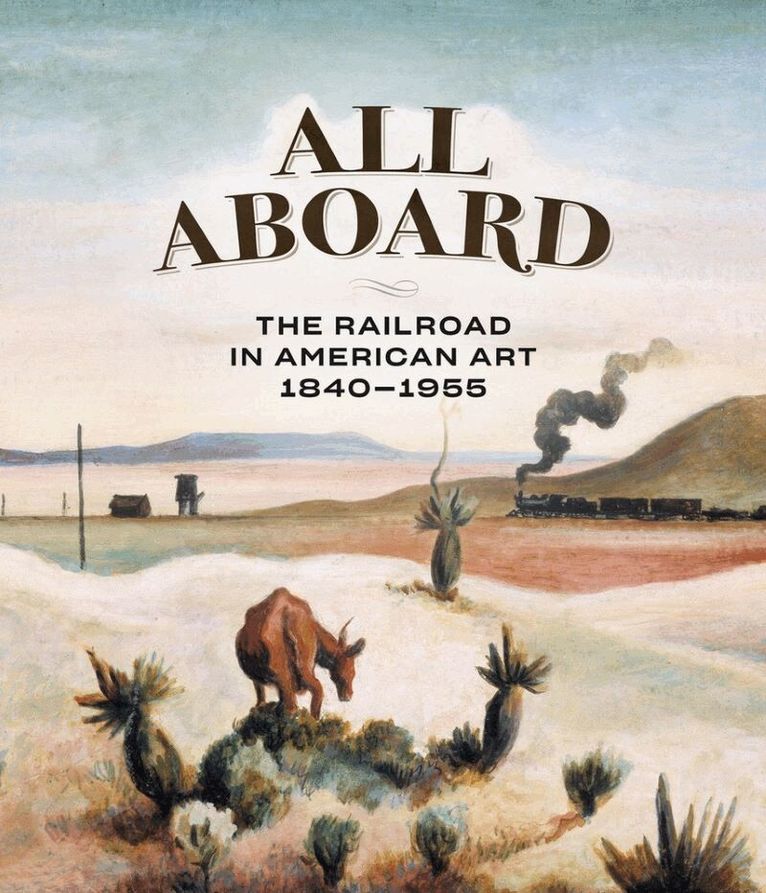
All Aboard is a ground-breaking book. Presented thematically the authors cover the environmental impact of the railroad both on the flora and fauna, and on the social landscape; the role of the railroad on the western expansion of the USA, and the lasting and hugely detrimental impact of this on Native American populations. A wide array of comparative images includes archival and historic views, other related artworks and ephemera, as well as a railroad map.In the early years of the nineteenth century artists including Thomas Cole and George Inness, of the Hudson River School, feared the impact of the railroad on the natural landscape; later artists were inspired by the newly opened-up landscapes of the West, including Albert Bierstadt and Theodore Kaufmann; others like Edward Hopper, Jacob Lawrence, Reginald Marsh, George Bellows, and John Sloan, were fascinated by movement of freight and people across the railroad network. Ben Shahn, Tomas Hart Benton, and Joe Jones's portrayals of railroad workers become emblems of the very backbone of America on which the country's social and industrial expansion was built.Such industrial expansion is captured in the dramatic views of Pittsburgh and mid-west industry in paintings by Otto Kuhler, George Luks, and Charles Sheeler. And finally, there are a raft of artists for whom the railroad was both at the heart of a great new machine age, celebrated in paintings by Georgia O'Keeffe, John Marin, Joseph Stella, and Charles Goeller, but also the creator of a more lonely and alienated urban industrial world, most strongly captured in Edward Hopper's railroad landscapes.